Lleida
CataluñaClimate
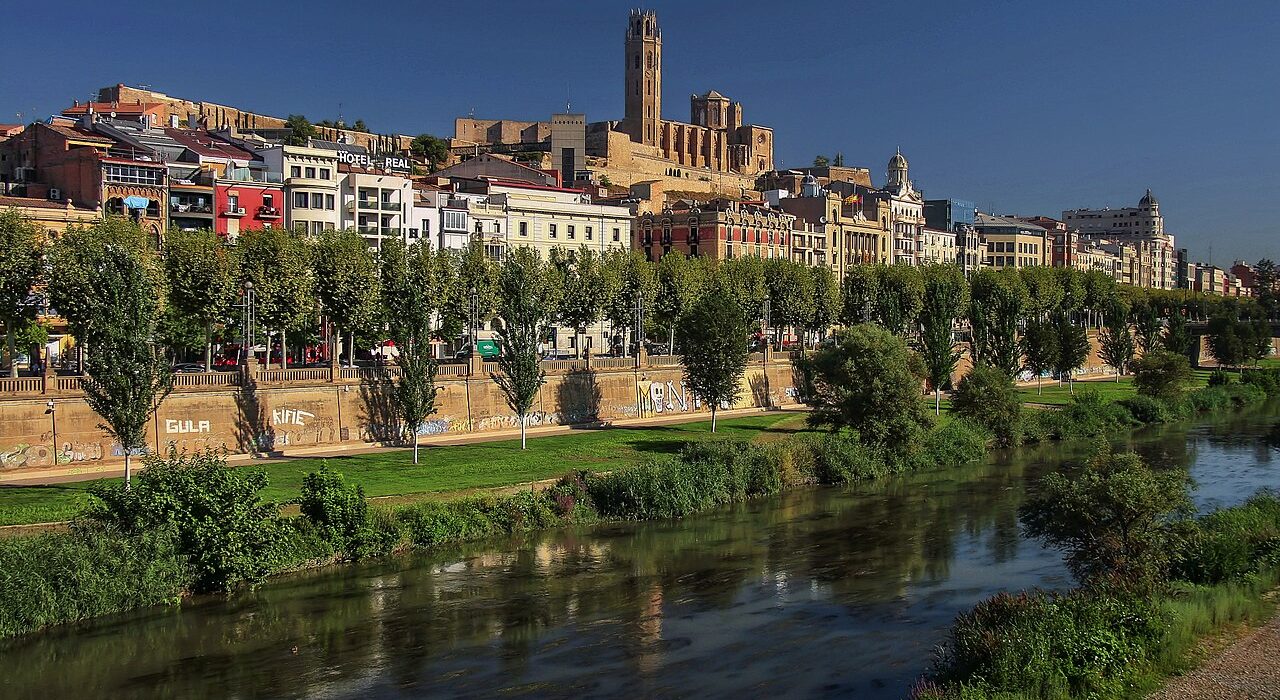
The unmistakable aroma of snails cooked a la llauna and the imposing silhouette of a cathedral that served as a military barracks for two centuries welcome you to a city living between history and orchards. With 137,000 inhabitants, Lleida is not just a stop along the way, but a destination with its own soul, where the province’s Romanesque heritage and urban life go hand in hand. Here, time is measured in pear harvests and centuries of history that have left their mark on every stone of the old town.
The must-seesWhat to See in Lleida: The Essentials
The city boasts a first-rate historical heritage, ranging from medieval fortresses to complexes declared World Heritage Sites in its surroundings. To plan your visit without missing anything essential, you can consult the official tourism website of Lleida, where you will find updated opening hours and a cultural agenda.
La Seu Vella (Old Cathedral)
This ancient 13th-century Gothic cathedral is the undisputed symbol of the city, dominating the horizon from its strategic position. Most notably, after the War of Succession in 1707, the temple was seized by the troops of Philip V and served as a military barracks for over 200 years, until its return in 1948. Today, it offers spectacular panoramic views of the entire city and the Segre River, although an entrance ticket is required to access the monumental complex.
Romanesque Churches of the Vall de Boí
Although located in the Boí Valley within the province, this group of Catalan Romanesque churches is a must-visit due to their universal value. They were declared a UNESCO World Heritage Site and represent an invaluable architectural ensemble that attracts visitors from all over the world interested in medieval art. It is the purest example of how sacred art was integrated into the mountainous landscape of Lleida.
Museu de Lleida (Lleida Museum)
This museum is fundamental to understanding the evolution of the city, as it houses a collection of art and objects that narrate local history from Roman times to the 20th century. The exhibition covers different historical periods with key pieces that contextualize the development of the urban center throughout the centuries. Please note that admission is required, so it is advisable to check opening hours before visiting.
Palau de la Paeria
This is a Renaissance palace that currently serves as the seat of the Lleida City Council, but its importance goes beyond local administration. It was a former royal residence and holds great historical significance reflected in its architecture and preserved halls. It is an emblematic building that connects the political power of the past with the city’s present.
New Cathedral
Built between 1775 and 1842, this Neoclassical temple is the current seat of the Bishopric of Lleida. Its façade and interior contrast with the Gothic style of La Seu Vella, offering a different perspective on the religious architecture of the era. It is an active building central to the religious life of the diocese.
Other Points of Interest
- Castell del Rei – La Suda: An ancient Andalusian fortress that was the residence of the kings of the Crown of Aragon, offering spectacular views and a rich history.
- Parc dels Camps Elisis: A French-style green space on the banks of the Segre River, perfect for relaxing and strolling.
- Antic Hospital de Santa Maria: A historic 15th-century building showcasing Catalan Gothic civil architecture, now home to the Institute of Lleida Studies.
- Carrer Major: A pedestrian street in the old town, ideal for walking and finding shops, bars, and restaurants.
- Templar Castle of Gardeny: A castle built between the 12th and 14th centuries, part of the Templar route Domus Templi.
🍂 Otoño
Si visitas Lleida en otoño disfrutarás de temperaturas agradables y menos turistas, lo que hace que el Palacio de la Paeria y el Antiguo Hospital de Santa Maria se visiten con mucha más calma. Los días son más cortos, así que organiza bien la ruta para aprovechar la luz. Conviene llevar un paraguas, porque las lluvias empiezan a ser más frecuentes.
What to do in Lleida
Lleida offers specific activities centered on its gastronomy, declared of National Tourist Interest, its historic markets, and its extensive green areas. In addition to visiting the monuments, you can immerse yourself in local life by attending the May Festival (Fiesta Mayor de Mayo) in honor of Saint Anastasius or participating in the famous Aplec del Caragol, where tons of this typical dish are consumed. For a quieter experience, the Campos Elíseos Park and the Parc de la Mitjana in the Pardinyes neighborhood are ideal for outdoor activities and enjoying nature.
Lleida in one day: express itinerary
If you are short on time, this route will allow you to see the essentials of the city in an intense but rewarding day.
- 10:00 – La Seu Vella: Start the morning by climbing the hill to enjoy the best panoramic views and learn about the history of the old cathedral.
- 12:30 – Palacio de la Paeria and Calle Mayor: Head down to the center to see the historic town hall and stroll along the pedestrian street to soak up the commercial atmosphere.
- 14:30 – Traditional lunch: Take time to try caragols a la llauna or a cassola de tros in the old town.
- 17:00 – Museu de Lleida: Visit the museum to delve into the city’s history from Roman times.
- 19:00 – Parque de los Campos Elíseos: End the day with a relaxing walk along the banks of the Segre River before dinner.
Where to eat in Lleida: local gastronomy
Where to sleep in Lleida
Centre Històric
La zona más antigua y emblemática de Lleida, con un rico patrimonio histórico y arquitectura medieval. Ofrece vistas panorámicas de la ciudad y un ambiente cultural profundo.
Rambla de Ferran-Estació
Un área céntrica y vibrante, caracterizada por su cercanía a la estación de tren y la Rambla de Ferran, con edificios históricos y una constante actividad comercial y social.
Eje Comercial (Calle Mayor)
El corazón comercial de Lleida, una de las calles peatonales más largas de Europa, repleta de tiendas, boutiques y establecimientos de restauración. Ideal para pasear y disfrutar del ambiente urbano y las compras.
Cappont
Un barrio moderno y en expansión al otro lado del río Segre. Conocido por albergar el campus universitario, amplias zonas verdes como el Parc dels Camps Elisis, y modernos centros de ocio y la Fira de Lleida.
Pardinyes
Un barrio principalmente residencial con un ambiente más tranquilo y familiar. Destaca por su proximidad a grandes zonas verdes como el Parc de la Mitjana, ideal para actividades al aire libre y disfrutar de la naturaleza.
How to get to Lleida
Lleida is well connected by land, although it is important to know the available options to plan your trip.
| Medio | Estación / Punto | Detalles |
|---|---|---|
| Tren | Lleida-Pirineus | Estación principal de la ciudad. Nota: No cuenta con parada de AVE directa en este nodo específico según los datos disponibles. |
| Autobús | Estació d’autobusos de Lleida | Conexiones regulares con otras ciudades y pueblos de la provincia. |
Getting Around Lleida
Once in the city, urban transport relies mainly on the city bus network, which connects neighborhoods like Cappont and Pardinyes with the historic center. Since the old town and Calle Mayor (Main Street) are pedestrian zones, walking is often the best option to soak up the atmosphere.
Weather in Lleida
Best Time to Visit Lleida
Day Trips from Lleida
If you have extra time, the city of Zaragoza is a perfect nearby destination for a day trip, allowing you to combine Lleida’s culture with the Aragonese capital. Furthermore, within the province itself, the Aigüestortes i Estany de Sant Maurici National Park, established in 1955 in the Central Pyrenees, is a natural destination frequently visited by hiking enthusiasts, featuring high-mountain landscapes and glacial lakes of exceptional value.
Lleida Facts You Didn’t Know
Did you know that Lleida is home to the first university of the former Crown of Aragon? The ‘Estudi General’ was founded by King James II in the year 1300, after receiving the papal bull from Boniface VIII in 1297, marking an educational milestone in the region.
The city’s name hides an ancient origin: it comes from the Iberian toponym ‘Iltirta’, which became ‘Ilerda’ under the Romans and finally evolved into ‘Lleida’. One hypothesis regarding the meaning of ‘Iltirta’ is ‘city of the wolf’, adding a wild touch to its history.
A surprising fact about its main monument is that the Seu Vella served as a military barracks for over 200 years. Following the War of Succession in 1707, the temple was seized by the troops of Philip V and was not returned to the city until 1948, which explains its unique state of preservation.
The passion for gastronomy is such that every year the ‘Aplec del Caragol’ is held, a festival declared of National Tourist Interest where approximately 12 tons of snails are consumed in a single weekend.
Horror cinema owes something to this city: director Jaume Balagueró, co-creator of the influential ‘[REC]’ saga, was born in Lleida in 1968, becoming one of the key figures of the genre in Spain.
Who Is Lleida For?
Lleida is an ideal destination for history lovers who want to explore everything from Romanesque architecture to the Civil War, and for foodies seeking authentic and hearty inland cuisine. It is also perfect for families thanks to its parks like Campos Elíseos and its safe atmosphere, as well as for travelers seeking a deep cultural experience without the crowds of other tourist destinations, with an average stay of 1.7 nights according to INE data.
Frequently Asked Questions about Lleida
How many days do I need to see Lleida?
With an average stay of 1.7 nights (INE), a weekend is enough to see the main attractions such as the Seu Vella (Old Cathedral) and the Museum, although if you plan excursions to the Boí Valley or Aigüestortes, you will need more time.
What is the best time to visit Lleida?
The best time is from May to October, avoiding the winter cold (6.5°C average) and taking advantage of the May festivals and good weather to enjoy the parks and terraces.
How do I get to Lleida from Madrid?
You can reach it by train at Lleida-Pirineus station or by bus at the Estació d’autobusos de Lleida (Lleida Bus Station). Note that the listed train station does not have direct AVE service according to the provided data.
Is Lleida an expensive city?
Accommodation prices vary by area, with the Centre Històric (Historic Center) being more expensive and Pardinyes more affordable. Local gastronomy offers options for all budgets, from municipal markets to Bib Gourmand recognized restaurants.