Sevilla
AndalucíaClimate
Daily budget
The golden light of sunset strikes the brickwork of the Giralda (bell tower), casting a long shadow over the orange trees in the Patio de los Naranjos (Courtyard of Orange Trees) as the air fills with the unmistakable scent of orange blossom mixed with incense from a nearby procession. Seville is not just a city; it is a sensory experience where the history of its 700,000 inhabitants can be felt on every corner, from whitewashed patios to the banks of the Guadalquivir River. Here, time seems to stand still between the sound of castanets and the bustle of taverns, inviting you to become part of a living tradition that has captivated more than 3 million travelers annually.
The must-seesWhat to see in Seville: the essentials
Cathedral of Saint Mary of the See and the Giralda
This Gothic colossus, declared a UNESCO World Heritage Site in 1987, is the largest Gothic cathedral in the world. It stands on the site of the former Almohad Great Mosque following the conquest by Ferdinand III in 1248. Inside, you cannot miss the tomb of Christopher Columbus or the masterpieces by Goya, Murillo, and Zurbarán that adorn its chapels. To enjoy the best panoramic views of the city, you must climb the Giralda bell tower; visiting hours are from 9:30 to 18:00, though they vary by season, and prior admission is required.
Royal Alcázar of Seville (Real Alcázar de Sevilla)
This is the oldest royal palace still in use in Europe, a magical place that combines an impressive mix of architectural styles with lush gardens and courtyards of absolute serenity. Recognized as a UNESCO World Heritage Site since 1987, this complex is fundamental to understanding the history of the city and the Spanish royal family. Opening hours are from 9:30 to 17:00 in winter and extend until 19:00 in summer, with advance booking mandatory.
General Archive of the Indies (Archivo General de Indias)
This magnificent Renaissance building safeguards documents of incalculable value regarding the discovery and administration of the Spanish colonies in the Americas. Like the Cathedral and the Alcázar, it is part of the ensemble declared a UNESCO World Heritage Site in 1987. You can visit from 9:30 to 17:00 to immerse yourself in the history of the Spanish Empire.
Archaeological Ensemble of Italica (Conjunto Arqueológico de Itálica)
Located in Santiponce, very close to Seville, this ancient Roman city was founded in 206 BC and stands out for preserving one of the largest Roman amphitheaters, as well as well-preserved mosaics and remains of patrician houses. It is considered one of the finest examples of Roman urban planning on the entire Iberian Peninsula and a must-visit for lovers of ancient history.
Tower of Gold (Torre del Oro)
This 13th-century albarrana tower stands majestically on the banks of the Guadalquivir River, having once defended the city’s port. Today it houses an interesting naval museum, and visiting hours are from 9:30 to 18:00, requiring an entrance ticket to access the interior.
Bullring of the Royal Cavalry Armory of Seville (Plaza de Toros de la Real Maestranza de Caballería de Sevilla)
It is one of the oldest bullrings in Spain, with construction beginning in 1733 under the impetus of the Royal Cavalry Armory (Real Maestranza de Caballería), a noble institution founded in the 17th century. This Baroque monument, which evolved from a wooden arena to a permanent structure, houses the Bullfighting Museum (Museo Taurino) and is considered a symbol of the Sevillian soul and its tradition.
Other points of interest
- Palace of San Telmo (Palacio de San Telmo): A Baroque palace begun in 1682 with an impressive Churrigueresque façade, currently the seat of the Presidency of the Regional Government of Andalusia (Junta de Andalucía).
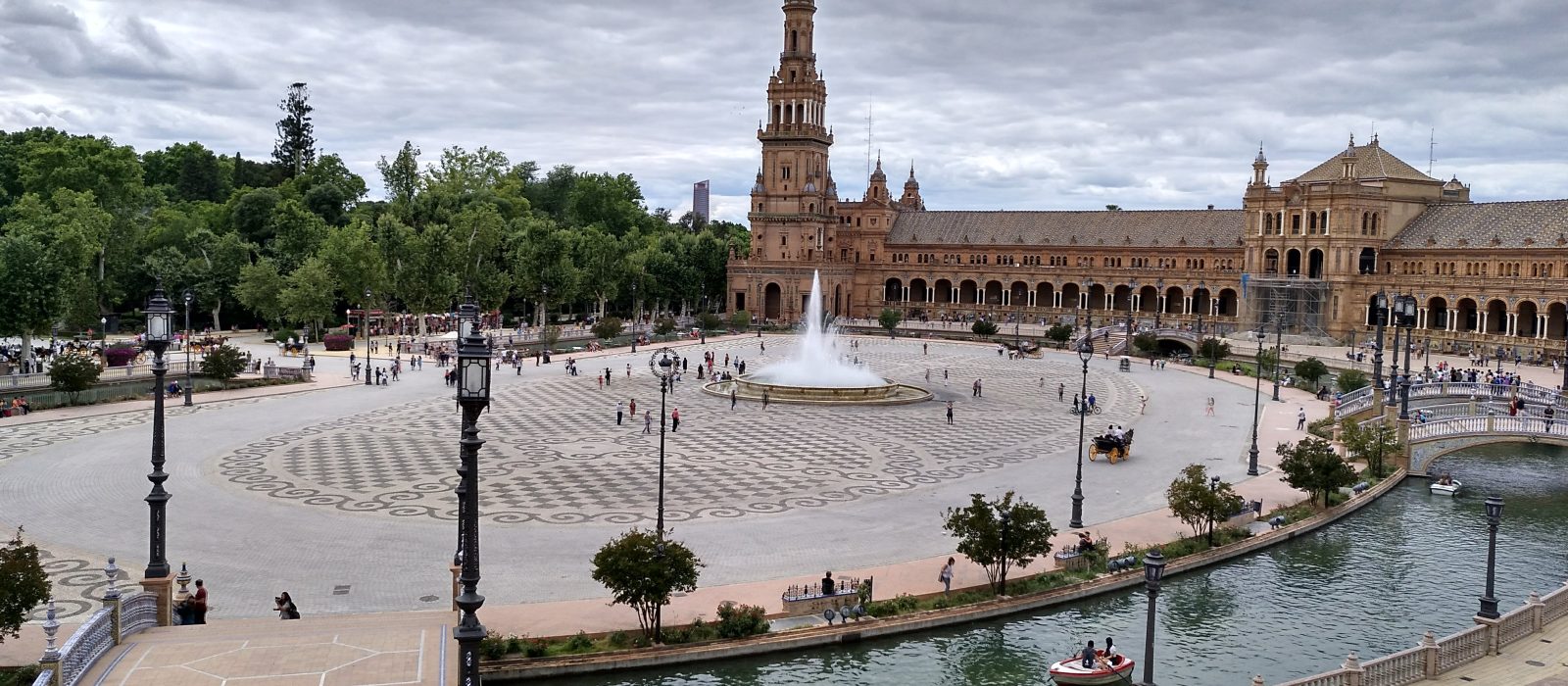
- Maria Luisa Park (Parque de María Luisa): A beautiful public park with lush vegetation, fountains, and the emblematic Plaza de España.
- Basilica of La Macarena (Basílica de la Macarena): A 20th-century Neo-Baroque temple housing the image of the Virgin of Hope of Macarena (Virgen de la Esperanza Macarena), key to Holy Week (Semana Santa).
- Santa Cruz Quarter (Barrio de Santa Cruz): The old Jewish quarter, famous for its narrow streets and flower-filled courtyards, ideal for getting lost in.
- Metropol Parasol (Las Setas): The largest wooden structure in the world, offering a panoramic viewpoint and archaeological remains.
- Plaza de España: A commercial or entertainment establishment located within Maria Luisa Park.
🍂 Otoño
Si visitas Sevilla en otoño, el calor disminuye y el clima se vuelve perfecto para caminar. Es una temporada ideal para disfrutar de la ciudad sin las multitudes de la primavera. Lleva siempre una chaqueta ligera por si refresca por la noche.
What to do in Seville
Seville offers vibrant activities centered around its traditional festivals, such as Holy Week (Semana Santa) in March or April with its impressive processions, and the April Fair (Feria de Abril), the most colorful celebration featuring marquees (casetas) and sevillanas dances. Additionally, you can explore the local essence by getting lost in the Santa Cruz Quarter or enjoying the nightlife in La Alameda de Hércules and Triana, famous for their bars and flamenco atmosphere.
Seville in one day: express itinerary
If you are short on time, this itinerary will allow you to see the city’s essentials efficiently:
- 09:30 – Real Alcázar: Start early by visiting the oldest royal palace in Europe to enjoy its gardens in tranquility before the crowds arrive.
- 12:00 – Cathedral and Giralda: Just a few steps away, admire the largest Gothic cathedral in the world and climb the tower for panoramic views before lunch.
- 14:30 – Lunch in El Arenal: Head to this central area near the Torre del Oro (Golden Tower) to try traditional tapas in a historic setting.
- 17:00 – Santa Cruz Quarter: Dedicate the afternoon to wandering through the narrow streets and courtyards of the old Jewish quarter, discovering the essence of Seville.
- 20:00 – Walk along the Guadalquivir: End the day with a stroll along the river, seeing the illuminated Torre del Oro and enjoying the evening atmosphere.
Where to eat in Seville: local gastronomy
Where to stay in Seville
Santa Cruz Neighborhood
Labyrinthine streets and charming squares, ideal for exploring Seville's history and architecture.
Triana
Famous for its flamenco atmosphere, ceramic workshops, and the vibrant Calle Betis along the Guadalquivir River.
El Arenal
Central area featuring the Maestranza Bullring, the Golden Tower, and a wide variety of dining options.
La Alameda de Hércules
A trendy area with bars, restaurants, and nightlife, perfect for leisure and gastronomy.
How to get to Seville
The city is very well connected by air, land, and rail. Here are the main options:
| Medio | Detalle / Duración | Precio aprox. | Frecuencia / Notas |
|---|---|---|---|
| Tren (AVE) | Estación Sevilla Santa Justa. Destinos: Madrid, Barcelona, Málaga, Córdoba, Valencia. | Variable | Alta frecuencia según Renfe. |
| Autobús | Estación de Autobuses Plaza de Armas. | Económico | Compañías: ALSA, Socibus, Damas, Comes. |
| Avión | Aeropuerto de Sevilla-San Pablo (SVQ). | Variable | Situado a 8 km de la ciudad. |
| Coche | Vía SE-30 (Circunvalación) y autovías A-4, A-49, AP-4, A-66, A-92. | Gasolina + Peajes | Conexión directa con Madrid, Cádiz, Huelva, etc. |
Getting around Seville
The city center is mostly pedestrianized, making it easy to explore on foot. For longer distances, public transport includes the metro, city buses, and tram, efficiently covering the main points of interest and neighborhoods.
Weather in Sevilla
Best time to visit Seville
Day trips from Seville
If you want to explore the surroundings, you have several nearby options ideal for a day trip. You can visit Córdoba, famous for its Mosque-Cathedral (Mezquita); Cádiz, the oldest city in the West; or Huelva, known for its connection to the discovery of America. All these cities are well connected by highways A-4, AP-4, and A-49 respectively.
Who is Seville for?
Seville is a versatile destination that attracts more than 3.1 million travelers annually (INE data). It is perfect for romantic couples looking to get lost in the Santa Cruz Quarter, families wanting to enjoy the parks and culture, and backpackers who find affordable accommodation in hostels from €17. It is also a paradise for history lovers, thanks to its UNESCO monuments, and for foodies who want to enjoy everything from traditional tapas to Michelin-starred cuisine.
Frequently asked questions about Seville
How many days do I need to see Seville?
With an average stay of 2.13 nights according to the INE, it is recommended to plan at least 3 full days to visit the essentials such as the Cathedral, the Alcázar, and the historic neighborhoods without rushing.
Is Seville expensive?
Seville is accessible for various budgets. An average meal costs between €15 and €25, and you can find hostels from €17 per night or 3-star hotels between €80 and €130.
When is the best time to visit Seville?
The best time is spring (March–May) and autumn (September–November), avoiding summer (July–August) when average temperatures can be very high.
How do I get to Seville from Madrid?
You can arrive quickly by AVE train from Seville Santa Justa station, with direct and frequent connections operated by Renfe, or by road via the A-4 highway.
🗺️ Rutas desde Sevilla
- How to Get from Cadiz to Seville: Distance, Train, Bus and Car
- How to Get from Seville to Cadiz: Distance, Train, Bus and Car
- How to Get from Huelva to Seville: Distance, Train, Bus and Car
- How to Get from Seville to Huelva: Distance, Train, Bus and Car
- How to Get from Almeria to Seville: Distance, Train, Bus and Car
- How to Get from Seville to Almeria: Distance, Train, Bus and Car
- How to Get from Granada to Seville: Distance, Train, Bus & Car
- How to Get from Seville to Granada: Distance, Train, Bus & Car