Valencia
Comunidad ValencianaClimate
Daily budget
The scent of orange blossom mingles with the sound of water in Plaza de la Virgen as you walk through the heart of the historic center, surrounded by buildings that have witnessed over two millennia of history. Here, in a city of 800,000 inhabitants that breathes culture on every corner, life unfolds between the shadow of the Lonja de la Seda (Silk Exchange) and the futuristic light of the Ciudad de las Artes y las Ciencias (City of Arts and Sciences). It is not just a tourist destination; it is an experience where the Mediterranean touches your skin and gastronomy becomes the absolute protagonist of your journey.
The must-seesWhat to see in Valencia: the essentials
La Lonja de la Seda
This monument is a masterpiece of Valencian civil Gothic architecture that served as the ancient silk trading hub, vital to the city’s economy in past centuries. Declared a UNESCO World Heritage Site in 1996, its Hall of Contracts will leave you breathless with its helical columns and sense of open space. To visit, note that admission is required and opening hours are from 10:00 to 19:00. It is the perfect place to understand the historical wealth that propelled Valencia toward modernity.
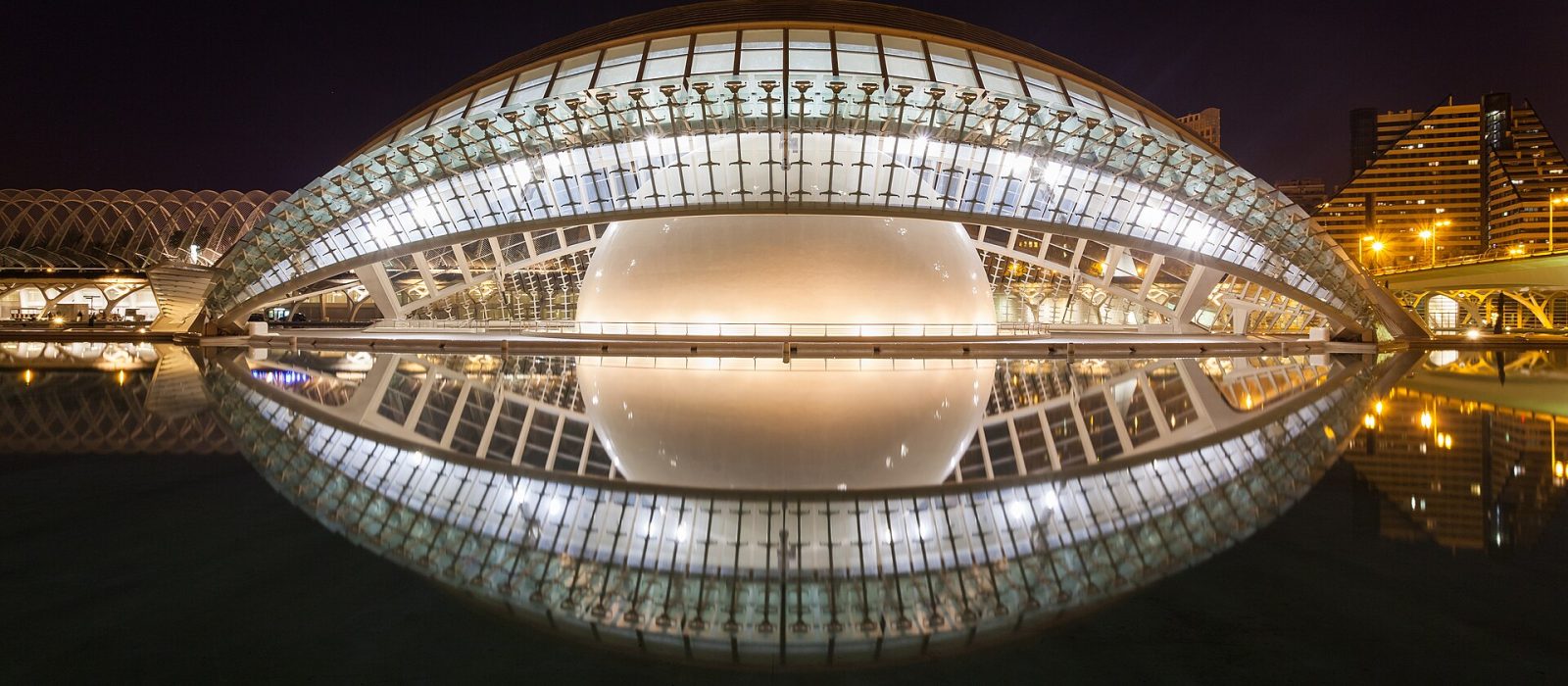
Ciudad de las Artes y las Ciencias
This futuristic architectural and cultural complex was designed primarily by Santiago Calatrava and represents the city’s most avant-garde face. The ensemble includes iconic structures such as the Hemisfèric and the Science Museum, creating a unique urban landscape that contrasts with the historic center. General visiting hours are usually from 10:00 to 19:00, though they vary depending on the specific attraction you wish to explore. Keep in mind that access to the indoor venues requires a ticket, so it is advisable to plan your visit in advance to enjoy the full cultural offering.
Valencia Cathedral and El Miguelete
This Gothic temple is world-famous because, according to tradition, it houses the Holy Grail inside, a fact that attracts thousands of visitors each year. Its bell tower, known as ‘El Miguelete’, is a must-visit stop as it offers unparalleled panoramic views of the entire city and the sea in the distance. Visiting hours are from 10:30 to 18:30, and access to both the temple and the tower requires purchasing a ticket. It is the nerve center of the historic district and connects directly to Plaza de la Virgen.
Palau de les Arts Reina Sofía
This opera house and performing arts center, also designed by Santiago Calatrava, is located within the grounds of the Ciudad de las Artes y las Ciencias. Its white metal structure reaches great heights and houses a main hall with capacity for more than 1,500 spectators, making it an international cultural benchmark. The program includes opera, dance, and concerts requiring seasonal ticket purchases, so you should check the schedule before going. It is a perfect example of how architecture and culture fuse in this city.
Tribunal de las Aguas
Recognized by UNESCO as intangible heritage, it is the oldest customary justice institution in Europe and traditionally meets on Thursdays at noon. You can observe the oral proceedings in Valencian publicly and for free on the right side of the Gothic Puerta de los Apóstoles (Apostles’ Gate) of the Cathedral, where irrigation conflicts are resolved.
Museo de las Ciencias Príncipe Felipe
Inaugurated in 2000 and designed by Santiago Calatrava, this building structured across three floors is dedicated to interactive scientific outreach within the Ciutat de les Arts i les Ciències. Visitors can participate in hands-on experiments and observe exhibitions on technology and biology with generally continuous opening hours.
Torres de Serranos
One of the twelve gates that guarded Valencia’s ancient Christian wall, this monument currently offers privileged views of the city from its heights.
Hemisfèric
Inaugurated in 1998 as the first building of the City of Arts and Sciences, this space features an ovoid roof housing an IMAX theater, a planetarium, and a 3D digital cinema on a concave screen spanning 900 square meters.
Oceanogràfic
It is the largest aquarium in Europe, showcasing the planet’s main marine ecosystems and standing as one of the most visited attractions within the cultural complex.
Jardín del Turia
This extensive 9 km urban garden was built over the former riverbed of the Turia River that crosses the city, offering a green lung ideal for strolling or exercising.
Playa de la Malvarrosa
Valencia’s most famous urban beach boasts a wide promenade filled with restaurants where you can enjoy the coastal atmosphere without straying far from the center.
Bioparc Valencia
Located in the old Turia riverbed, this zoo, designed with the zoo-immersion concept, allows visitors to see African species in recreated habitats without visible barriers.
Plaza de la Virgen
This pedestrian square in the heart of the historic district is surrounded by iconic buildings such as the Cathedral and the Basilica, making it the perfect meeting point.
Umbracle
It is a landscaped walkway and sculptural gallery within the City of Arts and Sciences featuring native vegetation, with free access to the outdoor garden.
Historic Center of Valencia
One of the largest historic centers in Europe, with over 2,000 years of inhabited history dating back to 138 BC, it preserves the legacy of Roman, Visigothic, and Muslim civilizations.
CaixaForum València
Housed in the Palace of the Counts of Cervellón, a 16th-century Renaissance building, this cultural center combines restored heritage architecture with a vertical garden on its exterior façade.
🍂 Otoño
Si visitas Valencia en otoño, el clima sigue siendo agradable pero menos caluroso. Aprovecha que es otra de las mejores épocas para visitar museos sin agobios. Lleva siempre una chaqueta ligera por si refresca por la noche.
What to Do in Valencia
Valencia offers vibrant cultural and leisure activities ranging from observing centuries-old traditions to enjoying modern life in its neighborhoods. If you visit the city in March, you cannot miss the Fallas of Valencia, a festival declared a UNESCO World Heritage Site where satirical papier-mâché monuments are erected and burned. During summer, the July Fair of Valencia livens up the nights with concerts, fireworks displays, and the traditional Flower Battle. For a more local experience, attending the trial of the Water Tribunal on Thursdays at noon will allow you to witness Europe’s oldest customary justice institution in action.
Valencia in One Day: Express Itinerary
If you are short on time, this plan will let you see the city’s essentials on foot while enjoying its contrasts:
- 10:00 – La Lonja de la Seda (Silk Exchange): Start your morning admiring this masterpiece of civil Gothic architecture and a UNESCO World Heritage Site since 1996.
- 11:30 – Valencia Cathedral and El Miguelete: Climb the bell tower for your first panoramic view of the city and look for the Holy Grail inside.
- 13:30 – Mercado Central (Central Market): Stop at this iconic Modernist building to see fresh produce and understand the foundation of local gastronomy.
- 15:00 – Lunch in the Historic Center: Enjoy a Valencian paella or an esgarraet at one of the restaurants near the Plaza de la Virgen.
- 17:00 – Jardín del Turia: Stroll through this extensive 9 km urban garden built over the old riverbed to relax.
- 19:00 – City of Arts and Sciences: End the day contemplating Calatrava’s futuristic architecture and the Umbracle at sunset.
Where to eat in Valencia: local gastronomy
Where to sleep in Valencia
Barrio del Carmen
Historic heart of the city, filled with palaces, museums, shops, and a vibrant nightlife.
Ruzafa
Trendy neighborhood featuring art galleries, vintage shops, cafés, and a wide variety of restaurants.
El Cabañal-Cañamelar
Former fishing district by the beach, with houses showcasing popular modernist architecture.
How to Get to Valencia
The city is excellently connected with the rest of Spain and Europe through its transport infrastructure.
| Medio | Detalles | Conexiones |
|---|---|---|
| Tren | Estació del Nord (con AVE). | Destinos directos: Madrid, Barcelona, Sevilla, Zaragoza. |
| Autobús | Estación de Autobuses de Valencia. | Compañías principales: Alsa, Avanza. |
| Avión | Aeropuerto de Valencia-Manises (VLC). | Ubicado a solo 8 km de la ciudad. |
| Coche | Acceso por autopistas y autovías. | Carreteras: AP-7, A-3, V-30. |
Getting Around Valencia
Once in the city, public transport is efficient and covers all areas of interest. You can use the metro, city buses, and trams to get around comfortably. Furthermore, much of the city center is pedestrianized, making it easy to explore attractions like the Historic Center (Centro Histórico), Plaza de la Virgen, and the markets on foot. For longer distances, such as trips to the Oceanogràfic or Bioparc, public transport is the most recommended option.
Weather in Valencia
Best Time to Visit Valencia
Day Trips from Valencia
If you have extra time, Valencia’s location allows for quick excursions to very interesting nearby cities. You can visit Gandía, known for its beach and Ducal Palace, or Castellón de la Plana, the capital of the neighboring province. Another fantastic option is Denia, a coastal destination famous for its gastronomy and castle. These cities are well-connected and allow you to get to know the Valencian Community more deeply in a short time.
Who is Valencia For?
Valencia is an incredibly versatile destination that fits almost any type of traveler. It is perfect for couples seeking romance in the historic quarter and Michelin-starred dinners. Families will find unforgettable plans for children at the City of Arts and Sciences (Ciudad de las Artes y las Ciencias) and Bioparc. Backpackers will enjoy the offer of budget hostels and the nightlife of El Carmen, while history lovers and foodies will have plenty to explore with its 2,000 years of history and culinary reputation. With 2,124,174 annual travelers (according to the INE) and 56% foreigners, it is an open and cosmopolitan city.
Frequently Asked Questions about Valencia
How many days do I need to see Valencia?
With an average stay of 2.34 nights according to the INE, you can see the essentials in 2 or 3 days. This allows you to explore the Historic Center, visit the City of Arts and Sciences, and enjoy the local gastronomy without rushing.
Is Valencia expensive?
Valencia is a city with good value for money. An average meal costs between €15 and €25. Regarding accommodation, you can find hostels from €20-35 per night and 3-star hotels between €60 and €110.
What is the best time to visit Valencia?
The best time is Spring and Autumn, avoiding late July and August, which are the hottest months with average summer temperatures of 26°C that can rise considerably.
How do I get to Valencia from Madrid?
You can easily arrive by high-speed train (AVE) from Estació del Nord, with direct destinations connecting both cities in just a few hours. There are also frequent road connections via the A-3 highway and bus services.
🗺️ Rutas desde Valencia
- How to Get from Peñíscola to Valencia: Distance, Train, Bus and Car
- How to Get from Valencia to Peñíscola: Distance, Train, Bus and Car
- How to Get from Denia to Valencia: Distance, Train, Bus and Car
- How to Get from Valencia to Denia: Distance, Train, Bus and Car
- How to Get from Valencia to Cuenca: Distance, Train, Bus and Car
- How to Get from Cuenca to Valencia: Distance, Train, Bus and Car
- How to Get from Gandia to Valencia: Distance, Train, Bus and Car
- How to Get from Valencia to Gandia: Distance, Train, Bus and Car