Barcelona
CataluñaClimate
Daily budget
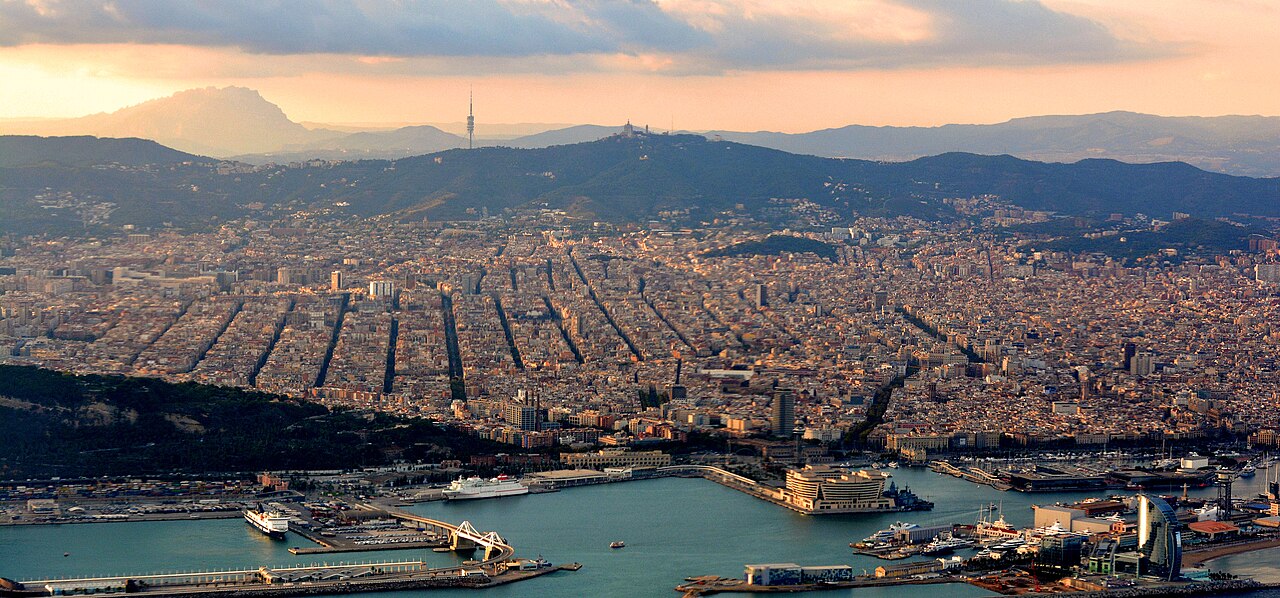
Imagine strolling through streets where the Mediterranean sun caresses facades that seem to melt, and the salty scent of the sea mingles with the aroma of freshly brewed coffee. Barcelona is not just a city; it is an explosion of light and color that welcomes you with open arms, inviting you to discover corners where medieval history coexists with the world’s most avant-garde architecture.
The must-seesWhat to See in Barcelona: The Must-Visits
Basílica de la Sagrada Família (Basilica of the Holy Family)
This unfinished masterpiece by Antoni Gaudí is the supreme exponent of Catalan Modernist architecture and was declared a UNESCO World Heritage Site in 2005. Inside, look for the light filtering through the stained glass, creating a forest of columns that seems to come alive, and do not miss the Nativity and Passion façades, which narrate biblical stories in stone. Visiting hours are from 9:00 to 19:00, and it is mandatory to purchase tickets in advance to access the site.
Casa Milà (La Pedrera)
This Modernist building by Gaudí, declared a UNESCO World Heritage Site in 1984, is famous for its spectacular rooftop filled with sculpted chimneys affectionately known as ‘the warriors’. What stands out most is its undulating limestone façade that seems to move with the wind, breaking with the traditional architecture of the time. You can visit from 9:00 to 20:30, but remember that prior ticket purchase is required.
Casa Batlló
Another Gaudí jewel declared a UNESCO World Heritage Site in 2005, this building stands out for its façade inspired by organic and marine forms, reminiscent of a dragon’s bones and scales. Inside, the light well and the main floor will transport you to an underwater world full of artisanal details and colored stained glass. Opening hours are from 9:00 to 20:00, and a ticket is required for the visit.
Park Güell
This public park, also under the UNESCO seal since 1984, features gardens and architectural elements by Gaudí, being world-famous for its vibrant ‘trencadís’ mosaics. The most iconic spot is the Nature Square with its undulating bench and the panoramic views it offers over the city and the sea. Access is allowed from 9:30 to 19:30, although a ticket is necessary for the monumental zone.
Palau de la Música Catalana (Palace of Catalan Music)
This Modernist concert hall, declared a World Heritage Site in 1997, is famous for its spectacular central stained-glass skylight that illuminates the hall naturally. It is a masterpiece by Domènech i Montaner where every detail, from the columns to the sculptures, is designed for music. Guided tour hours are from 10:00 to 15:30 and require a ticket.
Hospital de la Santa Creu i Sant Pau (Hospital of the Holy Cross and Saint Paul)
This Modernist complex designed by Domènech i Montaner was started in 1902 and consists of pavilions connected by underground tunnels surrounded by gardens. Declared a World Heritage Site, the site preserves more than six centuries of institutional history and features spaces of high artistic value with rehabilitated pavilions for visits and events.
Museo Picasso (Picasso Museum)
This museum houses one of the most important collections of early works by the painter Pablo Picasso, allowing visitors to follow his artistic evolution in his formative years. Visiting hours are from 10:00 to 19:00, and it is necessary to book a ticket to access the exhibition halls.
Casa Museo Gaudí (Gaudí House Museum)
This was the residence where Antoni Gaudí lived from 1906 until 1925 within Park Güell, exhibiting furniture designed by the architect and personal objects in a domestic setting open to the public since 1963.
Playa de la Barceloneta (Barceloneta Beach)
It is the most famous and central beach in Barcelona, full of life, restaurants, and water activities, perfect for a rest after visiting the city.
🍂 Otoño
Si visitas Barcelona en otoño, el calor disminuye pero sigue siendo agradable para hacer turismo entre septiembre y octubre. Es otra temporada excelente para visitar museos sin las colas interminables del verano. Viste en capas para adaptarte a los cambios de temperatura durante el día.
What to do in Barcelona
Barcelona offers vibrant cultural and leisure activities, from attending film festivals like L’Alternativa in November or the Fire!! International Gay and Lesbian Film Festival, to enjoying the main festival of La Mercè (Festival of Mercy) in September with its giants and ‘castellers’ (human towers). You can get lost in the Barrio Gótico (Gothic Quarter), the historic heart perfect for tourists, or enjoy the bohemian atmosphere of Gràcia, ideal for families looking for lively squares and alternative theaters. For nightlife lovers, El Born combines culture with the Picasso Museum and a vibrant offer of tapas bars and cocktail lounges.
Barcelona in one day: express itinerary
- 09:00 – Basílica de la Sagrada Familia: Start the day early at Gaudí’s masterpiece to avoid crowds and admire the morning light inside.
- 11:30 – Casa Batlló: Walk towards Paseo de Gràcia to see the city’s most photogenic façade and its organic interior.
- 13:30 – Mercado de La Boqueria: Make a stop on Las Ramblas to try something fresh and feel the buzz of the most famous market.
- 15:30 – Barrio Gótico: Dedicate the afternoon to getting lost in the medieval streets of the city’s historic heart.
- 18:00 – Palau de la Música Catalana: End the day by visiting this modernist auditorium before dining in El Born.
Where to eat in Barcelona: local gastronomy
Where to stay in Barcelona
Gothic Quarter
The historic heart of the city, perfect for getting lost in its medieval streets.
Gràcia
Bohemian, village-like atmosphere with lively squares, design shops, and alternative theaters.
El Born
Combines culture, featuring the Picasso Museum, with a vibrant nightlife of tapas bars and cocktail lounges.
La Barceloneta
Former fishing neighborhood by the beach, ideal for enjoying seafood and the sea.
How to get to Barcelona
Barcelona is well connected by air, land, and sea, with an airport just 15 km from the city center and strategically located train and bus stations.
| Transport | Station / Point | Destinations / Companies |
|---|---|---|
| Train (AVE) | Barcelona Sants | Madrid, Seville, Lyon, Marseille, Zaragoza |
| Bus | Estació del Nord | ALSA, Flixbus, Moventis, Sagales |
| Plane | Barcelona–El Prat Airport (BCN) | 15 km from the city |
| Car | Highways | AP-7, A-2, C-32, C-58 |
Getting around Barcelona
Urban transport in Barcelona is efficient and covers the entire city through an integrated network of metro, city buses, and trams, making it easy to reach any point of interest such as the Sagrada Família or Park Güell without needing a car.
Weather in Barcelona
Best time to visit Barcelona
Day trips from Barcelona
If you have time, you can take day trips to nearby towns like Sitges, known for its coastal vibe, or visit Montserrat to enjoy its monastery and natural surroundings. You can also explore Vic, an interesting destination to experience local culture beyond the capital.
Who is Barcelona for?
Barcelona is a versatile destination ideal for couples seeking romance in the Gothic Quarter, families who enjoy parks and beaches, and backpackers taking advantage of the wide range of hostels. It’s perfect for history lovers wanting to see UNESCO monuments and foodies eager to explore everything from traditional tapas to Michelin-starred restaurants.
Frequently Asked Questions about Barcelona
How many days do I need to see Barcelona?
With an average stay of 2.4 nights according to INE data, you can see the essentials, but at least 3 or 4 days are recommended to visit main attractions like the Sagrada Família, Park Güell, and museums at a leisurely pace.
Is Barcelona expensive?
Prices vary: an average meal costs between €25-35, hostels range from €25-40, and 3-star hotels between €80-150, making it accessible for different budgets.
When is the best time to visit Barcelona?
The best time is Spring (April-June) and Autumn (September-October) with pleasant temperatures, avoiding the summer heat of 28°C and the crowds of July and August.
How do I get to Barcelona from Madrid?
You can reach it by AVE train from Barcelona Sants station, which offers direct connections with Madrid, or by bus from Estació del Nord with companies like Alsa or Flixbus.
🗺️ Rutas desde Barcelona
- How to Get from Vic to Barcelona: Train, Bus & Car
- How to Get from Barcelona to Vic: Train, Bus & Car
- How to Get from Girona to Barcelona: Train, Bus and Car
- How to Get from San Sebastián to Barcelona: Distance, Train, Bus & Car
- How to Get from Barcelona to San Sebastián: Distance, Train, Bus & Car
- How to Get from Granada to Barcelona: Distance, Train, Bus & Car
- How to Get from Barcelona to Granada: Distance, Train, Bus & Car
- How to Get from Bilbao to Barcelona: Distance, Train, Bus & Car