Mijas
AndalucíaClimate
The scent of jasmine mingles with the smell of sea salt as the morning sun lights up the pots of geraniums crowning the whitewashed walls. Here, at 428 meters above sea level, time seems to stand still among the cobbled streets where the clip-clop of donkeys echoes like a remnant of another era. Mijas is not just a dot on the map of the Costa del Sol; it is a sensory experience that blends the tradition of a white mountain village with the vibrant life of the Mediterranean coast.
The must-seesWhat to see in Mijas: the must-sees
Plaza Virgen de la Peña
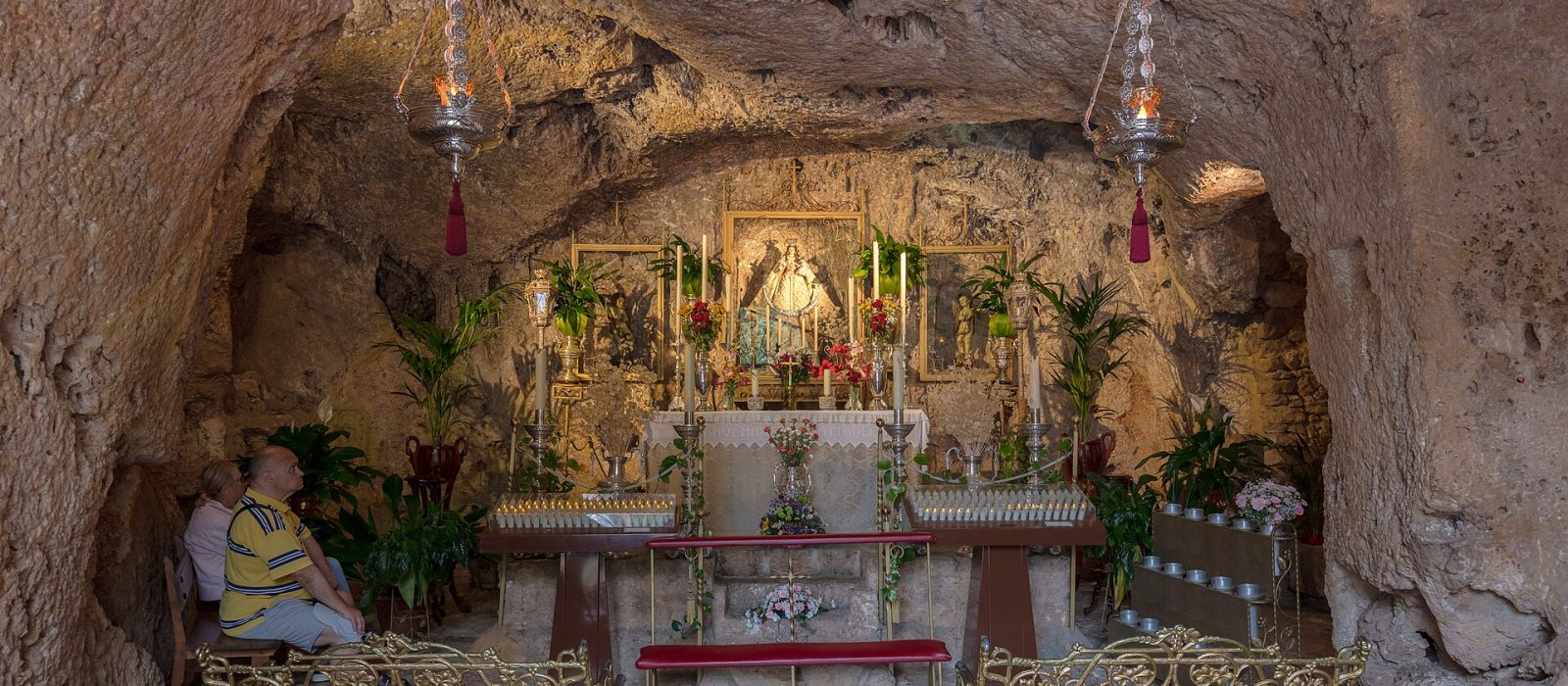
This is the tourist and cultural epicenter of Mijas Pueblo, home to the hermitage carved into the rock around 1548 by Mercedarian friars. The square offers spectacular views of the Mediterranean Sea and is linked to the apparition of the Virgin in 1586 within the walls of the old castle, surrounded by traditional whitewashed houses and flower pots. It is the perfect place to feel the essence of the town and enjoy an unforgettable panorama of the coastline.
Castillo de Mijas
This is the coastal hub of the municipality of Mijas, part of a municipal area of 149 square kilometers, with developed tourist areas alongside the Mediterranean Sea. This zone includes several beaches and coves connected by the Senda Litoral (Coastal Path), linking unique enclaves such as historic watchtowers and protected dunes. It offers modern services, nautical leisure, and local gastronomy, maintaining an identity distinct from the mountain village.
Burro-taxis de Mijas
A tourist transport service using donkeys with more than six decades of history that has become an iconic symbol of the village alongside the flower pots. The route typically covers the steep cobbled streets of the historic center, offering a unique perspective of the white village at 428 meters above sea level. It is a one-of-a-kind experience that connects visitors with the most authentic tradition of the locality.
Casa Museo
This museum allows you to delve into local history through a collection that reflects everyday life in times gone by. It is an intimate space where household items and mementos are preserved, telling the story of the evolution of the Mijas community over the centuries.
Museo de la Plaza de Toros
Located in a very dense and picturesque urban setting, this museum pays tribute to the bullfighting tradition of the area. The bullring, inaugurated in 1900, is famous for having hosted events with cows and young bulls, keeping an important part of local folklore alive.
Mijas Golf Courses
The municipality is home to a remarkable number of top-tier golf courses spread across its territory, attracting international tourism for decades. These facilities are situated along the coastal strip and hillsides, offering varied landscapes between the sea and the mountains for playing.
Other points of interest
- Centro de Arte Contemporáneo (CAC Mijas): A space dedicated to contemporary artistic creation.
- Conjunto Histórico de Mijas: A limestone mountain range offering hiking trails and equestrian activities amid Mediterranean vegetation.
- Calera: A historic monument recalling the traditional industrial activity of the area.
- Torre Vigía Torreblanca: Built in 1765 (estimated), dismantled in the 1960s and later relocated and rebuilt on this site.
- Antiguo Molino de Harina: A testament to the historic industrial architecture of the municipality.
- Cuevas de la Antigua Fragua: A monument preserving the memory of old artisanal trades.
- Miradores de Mijas Pueblo: Held on specific days such as Wednesdays in La Cala de Mijas and Saturdays in Las Lagunas within designated areas.
- Mirador Cantera: A panoramic viewpoint ideal for photographs.
- Mirador Juan Antonio Gómez Alarcón: Offers privileged views of the surroundings.
- Mirador Hermanos Nuñez Andreu: A place for contemplating the Mijas landscape.
- Mirador de Cañada Gertrudis: Another outstanding spot for enjoying the view.
- Flamenco Show in Mijas: Traditional flamenco performances are offered in various venues throughout the municipality, highlighting Andalusian culture.
- Museo del vino Málaga: A space dedicated to the wine culture of the region.
- Teatro Manuel España: A commercial or cultural entertainment establishment.
🍂 Otoño
Si visitas Mijas en otoño, aún podrás aprovechar el buen tiempo hasta octubre. Los colores del paisaje son preciosos y hay menos gente que en julio. Revisa la previsión meteorológica porque pueden caer algunos chaparrones.
What to do in Mijas
Mijas offers specific activities ranging from cultural immersion to outdoor sports. You can immerse yourself in history by visiting the Mercado Medieval de Mijas (Mijas Medieval Market) in November, a historical reenactment that transforms the old town with craft stalls and traditional food. For nature lovers, the Conjunto Histórico (Historic Quarter) forms a natural balcony over the Mediterranean with pine forests and wild olive trees, ideal for hiking. Additionally, the municipal Turismo Mijas program includes flamenco series in emblematic locations such as Plaza Virgen de la Peña, consolidating the artistic offering in historic open-air settings during the tourist season.
Mijas in a day: express itinerary
If you’re short on time, this route will let you see the essentials without missing a detail:
- 10:00 AM – Plaza Virgen de la Peña: Start the day at the cultural epicenter, visiting the Ermita (hermitage) carved into the rock around 1548 and enjoying the sea views.
- 12:00 PM – Burro-taxi ride: Tour the steep cobbled streets of the historic center in this iconic mode of transport with more than six decades of history.
- 14:00 PM – Lunch in the Old Town: Taste a Gazpachuelo in the family-run restaurants of Mijas Pueblo’s old town.
- 16:00 PM – Bullring Museum: Learn about the history of the bullring inaugurated in 1900 and its importance in the urban landscape.
- 18:00 PM – Mirador Cantera: End the day watching the sunset from one of the viewpoints offering panoramic views.
Where to eat in Mijas: local gastronomy
Where to stay in Mijas
Mijas Pueblo
Es el casco histórico y la zona más emblemática, caracterizada por calles empedradas, casas encaladas y vistas panorámicas al mar. El ambiente es tradicional andaluz, lleno de tiendas de artesanía, burros-taxi y terrazas con flores.
La Cala de Mijas
Zona costera que combina un pequeño núcleo pesquero tradicional con una extensa área turística moderna frente al mar. Ofrece un paseo marítimo amplio, playas de arena y una oferta gastronómica centrada en productos del mar.
Fuengirola (Límite con Mijas)
Aunque es un municipio independiente, su continuidad urbana con La Cala de Mijas hace que sea la referencia inmediata para vida nocturna y grandes superficies comerciales en la zona este de Mijas Costa.
El Chaparral
Urbanización residencial situada en la franja costera entre La Cala y Fuengirola, conocida principalmente por albergar un campo de golf de campeonato y hoteles resort. Es una zona tranquila orientada al descanso y el deporte.
Calahonda
Extensa zona residencial en el límite occidental de Mijas con Marbella, compuesta mayoritariamente por complejos de apartamentos y urbanizaciones privadas. Cuenta con un centro comercial local y acceso a playas más tranquilas.
Las Lagunas
Barrio interior situado cerca de la autovía A-7, funcionando como nexo de unión entre la costa y el pueblo. Es una zona principalmente residencial y de servicios locales sin atractivo turístico directo.
How to get to Mijas
Accessibility is key to planning your trip. Here are the main options based on available data:
| Medio | Duración | Precio aprox. | Frecuencia |
|---|---|---|---|
| Avión (Base BRICA de Cártama) | Variable según origen | Variable | Según vuelos |
| Bus Urbano | Depende de la ruta | Económico | Regular |
How to get around Mijas
To get around within the municipality, the urban bus is the available public transport option. Given the local terrain, especially in Mijas Pueblo with its steep streets, burro-taxis also serve as a traditional tourist transport to explore the historic center.
Weather in Mijas
Best time to visit Mijas
Day Trips from Mijas
Mijas is strategically located for exploring the region. You can visit nearby cities in the region to round out your Costa del Sol experience. Its proximity to the provincial capital, Malaga, located 34 kilometers to the northeast, allows for quick cultural excursions, while its integration into the Western Costa del Sol district provides easy access to other coastal municipalities.
Things You Didn’t Know About Mijas
Did you know that Mijas is known worldwide for its population of donkey-taxis? This tradition began in the 1960s when locals offered rides to tourists due to the lack of public transportation, with more than 300 donkeys registered by the 1970s.
The name ‘Mijas’ has ancient origins, etymologically derived from the Iberian term ‘Mya’ or ‘Mixae’, which the Romans Latinized as ‘Mylae’, probably referring to a fortification or elevated place.
The municipality is home to the Museo Histórico Etnológico (Ethnological History Museum), which houses a unique collection of more than 2,000 everyday objects from the 19th and 20th centuries, including one of the most complete collections of farming tools in Andalusia.
Geographically, the area features an extreme elevation change, stretching from sea level to 1,487 meters in altitude at the peak of La Torrecilla within its municipal boundaries, offering one of the greatest altimetric variations on the Costa del Sol.
The Ermita de la Virgen de la Peña (Hermitage of the Virgin of the Rock), partially carved into the living rock on a cliffside, originally dates back to the 16th century and is one of the most visited Marian shrines in the province of Malaga.
Who Mijas Is For
Mijas is a versatile destination. It is ideal for families seeking the safety and leisure of La Cala de Mijas or Calahonda, and for couples who prefer the tranquility and golf of El Chaparral. History and culture lovers will find in Mijas Pueblo a unique setting with its white architecture and ethnological museums, while foodies will enjoy traditional gastronomy in the bars of the old town.
💡 ¿Sabías que...?
- ● Mijas es conocida mundialmente por su población de burros-taxi, una tradición que comenzó en la década de 1960 cuando los vecinos ofrecían rides a turistas debido a la falta de transporte público, llegando a haber más de 300 burros registrados en los años 70. (Ayuntamiento de Mijas / Prensa histórica local)
- ● El nombre 'Mijas' proviene etimológicamente del término íbero 'Mya' o 'Mixae', que los romanos latinizaron como 'Mylae', haciendo referencia probablemente a una fortificación o lugar elevado, evidenciado por las ruinas de la muralla defensiva. (Diccionario de Toponimia Española / Estudios históricos de Málaga)
- ● En Mijas se encuentra el Museo Histórico Etnológico, que alberga una colección única con más de 2.000 objetos cotidianos de los siglos XIX y XX, incluyendo una de las colecciones de utensilios de labranza más completas de Andalucía. (Consejería de Cultura de la Junta de Andalucía)
- ● La localidad cuenta con la Plaza de Toros de Mijas, inaugurada en 1900, que es famosa por ser una de las pocas plazas donde se han celebrado espectáculos taurinos con vacas y novillos en un entorno urbano muy denso y pintoresco. (Registro de Plazas de Toros de España)
- ● Mijas fue escenario de rodaje parcial de la película 'Contigo' (2003), dirigida por Miguel Albaladejo, aprovechando sus calles blancas y vistas al mar para representar escenas costeras típicas andaluzas. (Base de datos de cine español (ICAA))
- ● Geográficamente, el municipio presenta un desnivel extremo, extendiéndose desde el nivel del mar hasta los 1.487 metros de altitud en el pico de La Torrecilla dentro de su término municipal, ofreciendo una de las mayores variaciones altimétricas de la Costa del Sol. (Instituto Geográfico Nacional (IGN))
- ● La Ermita de la Virgen de la Peña, excavada parcialmente en la roca viva sobre un acantilado, data originalmente del siglo XVI (aunque reformada posteriormente) y es uno de los santuarios marianos más visitados de la provincia de Málaga. (Diócesis de Málaga / Patrimonio Histórico Andaluz)
- ● Durante la Guerra Civil Española, Mijas fue uno de los últimos pueblos de la costa malagueña en caer frente a las tropas nacionales, resistiendo hasta febrero de 1937, lo que marcó profundamente su demografía y estructura social posterior. (Archivos Históricos Nacionales / Estudios sobre la Guerra Civil en Málaga)
Frequently Asked Questions About Mijas
How many days do I need to see Mijas?
One day is enough to see the essentials such as Plaza Virgen de la Peña and the donkey-taxis, but 2 or 3 days are recommended to also explore the coast, the golf courses, and the museums at a relaxed pace.
What is the best time of year to visit Mijas?
The best time is from April to October, taking advantage of average summer temperatures of 24.4°C and avoiding most of the annual rainfall of 518.1 mm.
How do I get to Mijas from Madrid?
You can get there by flying to the BRICA Base in Cártama or by using ground transportation to the province of Malaga, from where Mijas is 34 kilometers southwest of the provincial capital.
What festivals should I not miss?
Highlights include the Feria de Mijas (Mijas Fair) in September, the Romería de San Sebastián (Pilgrimage of Saint Sebastian) in January, the Festival Internacional de los Pueblos (International Festival of Peoples) in August, and the Mercado Medieval (Medieval Market) in November.
For more practical information on opening hours, tickets, and the current events calendar, check the official Mijas tourism website.