Getxo
País VascoClimate
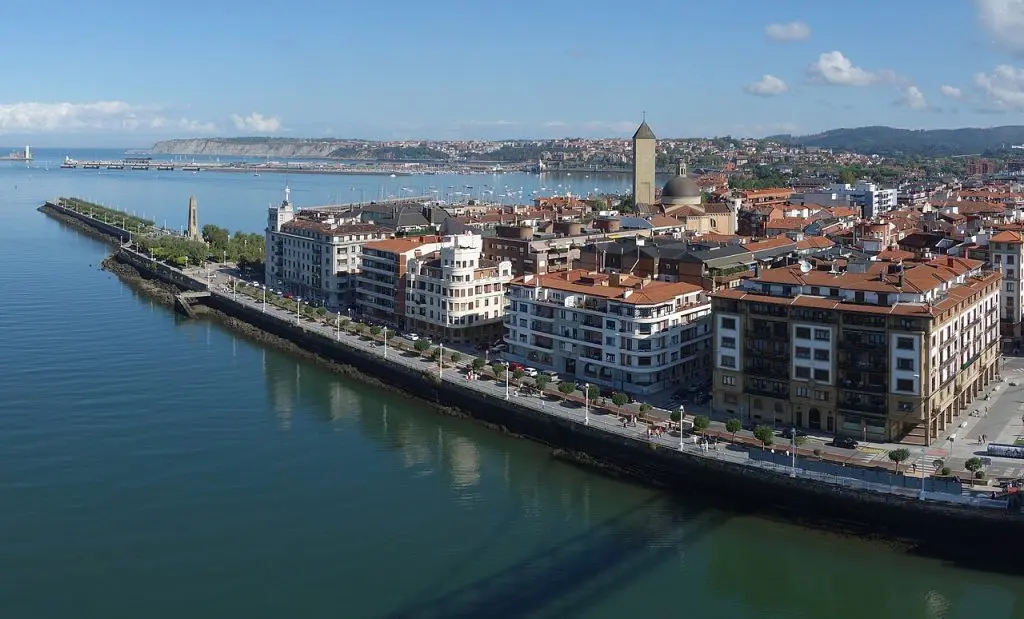
There is a Getxo of white sandstone cliffs comparable to those of Normandy and Dover, and another of hanging gondolas that have been crossing the estuary since 1893. There is a Getxo of palatial villas built by the industrial bourgeoisie and another of cobbled streets where the kalimotxo was born. Between the Old Port of Algorta and the Vizcaya Bridge, a UNESCO World Heritage Site since 2006, this town of 77,000 inhabitants sums up the duality of the Basque Country like few others: open sea and industrial estuary, fishing tradition and residential sophistication.
The must-seesWhat to see in Getxo: the essentials
Getxo packs into just a few kilometres a transporter bridge unique in the world, a neighbourhood of century-old mansions, a fishing port with soul and a coastline of cliffs that takes your breath away. All of it connected by seafront promenades that invite you to explore on foot, without rushing.
Vizcaya Bridge (Puente Colgante de Bizkaia)
Opened in 1893, it is the oldest transporter bridge in the world and a masterpiece of engineering designed by Alberto de Palacio with technical assistance from Ferdinand Arnodin. It connects Getxo (Las Arenas) with Portugalete across the Nervión estuary by means of a hanging gondola that glides suspended, and was declared a UNESCO World Heritage Site in 2006. You can cross on the gondola, take a panoramic lift up to the upper walkway or walk along the top deck to enjoy views of the Abra and the estuary. The pedestrian gondola crossing costs less than 1 euro, and the timetables for pedestrian access and the gondola vary by season, so it is worth checking them before you go.
Neguri district
Neguri is the residential neighbourhood that Bilbao’s industrial bourgeoisie built between the late 19th and early 20th centuries, linked to the development of the Nervión estuary and the Abra inlet. It is laid out around wide, leafy avenues and properties with gardens, notable for villas and mansions in Regionalist, Neo-Basque, eclectic and Modernista styles signed by architects of the period. Its proximity to the sea and its wooded character make it one of the most representative residential areas of Getxo, part of the collection of villas that characterise the town between the beaches and the cliffs.
Old Port of Algorta
Located in the lower part of the Algorta neighbourhood, next to Ereaga beach and surrounded by sea and cliffs, the Old Port transports you to a small fishing village where old sailors’ houses sit alongside pintxos bars facing the Biscayan coast. Once the fishing port of Algorta, today it is a strolling area with a maritime atmosphere, bars and restaurants, and it retains the traditional character of fishing Getxo. It is one of the most photographed and visited corners of the town, and its fiestas transform the place with music and Basque fishing tradition.
La Galea Fort
Along with the Aixerrota Mill, it is one of the most interesting historic sites on the route through the La Galea cliffs, both reminders of the 18th century located at strategic points along the coast. The area stands out for its wide open natural spaces and its white sandstone cliffs, comparable to those of Normandy and Dover, with panoramic views of the Puerto del Abra. It is one of the best-preserved 18th-century military constructions in the Basque Country and the finest in Biscay.
Aixerrota Mill
It stands in the surroundings of the La Galea promenade, next to La Galea Fort, and forms part of the historic landscape of the Getxo coastline. This site is one of the most interesting tourist spots on the route through the La Galea cliffs, a coastal walk with wide panoramic views of the Puerto del Abra and natural spaces of great scenic value. Both the mill and La Galea Fort occupy strategic points along the coast and are reminders of the 18th century.
Getxo Marina
The marina is the heart of the town’s seafaring life, built around the inner harbour and the mooring pontoons, with a tradition closely tied to recreational sailing and the regattas held in the bay.
Paseo de las Grandes Villas (Great Villas Walk)
A self-guided route made up of 29 interpretive panels that runs along the Muelle de Las Arenas and the Muelle de Arriluze, bringing the golden years of the Las Arenas district back to life as you discover some of the most representative examples of Getxo’s palatial architecture, built between the late 19th and early 20th centuries; bear in mind that the great villas cannot be visited, as they are private residences.
Punta Galea Cliffs and the Getxo Flysch
The area forms part of a landscape of cliffs shaped by flysch strata, crossed by paths and promenades that bring you close to the lighthouse and let you enjoy the sea views, with the lighthouse standing as one of the landmarks of the Biscayan coastline and a regular reference point on the Bilbao Bizkaia lighthouse coastal routes.
Parque de María Cristina
An urban park in Getxo located in the Algorta district, on Plaza Reina María Cristina, next to the promenade leading from the church of San Nicolás towards San Inazio, with trees and walking areas that serve as a privileged viewpoint over Ereaga beach and the port of Bilbao; it is open 24 hours a day and has a lift that makes it easy to go down to Ereaga beach.
Ereaga Beach
An urban beach in Getxo situated between the old port of Algorta and the Arriluce breakwater, with Mount Serantes and Portugalete in the background and surrounded by mansions and grand houses; well connected and well equipped, it is ideal for swimming, sunbathing, bodyboarding, surfing, kayaking, volleyball and the beach football tournaments held here every year.
🍂 Otoño
En otoño el ambiente se vuelve más tranquilo y el clima aún permite paseos cómodos, aunque conviene ir abrigado por las mañanas. Es una estación ideal para caminar por el Fuerte de La Galea o el Puerto Deportivo de Getxo sin aglomeraciones. Lleva paraguas plegable, porque las lluvias pueden aparecer de forma intermitente.
What to do in Getxo
Getxo offers neighbourhood patron saint festivals throughout the summer, coastal walks between cliffs and villas, pintxos in the Old Port of Algorta, an urban beach at Ereaga and a drink of its own, the kalimotxo, which was born at its festivities and can be tried in any bar in the area.
Between May and August, the festive calendar never lets up: in May the Fiestas de Andra Mari – San Isidro fill the Andra Mari district with children’s activities, concerts, rural sports and communal meals; in June the Fiestas de Corpus Christi in the Old Port of Algorta celebrate a maritime procession with a popular sardine feast, and the Fiestas de Zubilletas – San Juan light the San Juan bonfire with games, communal meals and street parties. In July, Santa Ana – Las Arenas and Algorta – San Ignacio roll out their respective patron saint programmes. August brings the Fiestas de Romo and Pinueta, with a festive programme and lively atmosphere, and the Fiestas del Puerto Viejo de Algorta, with festive activities and a seafaring spirit.
To get between districts, the urban bus service connects the main areas, and the seafront promenades invite you to walk from Las Arenas to Algorta or from Neguri to the La Galea cliffs. If you’re after nightlife and food, Algorta and its Old Port are a safe bet; for a quieter plan, Neguri and the Paseo de las Grandes Villas work as an open-air museum.
Getxo in a day: express itinerary
With a full day you can cover the UNESCO icon, the fishing quarter, a stroll among mansions and the cliff-lined coast. This itinerary runs from Las Arenas to La Galea, with stops to eat and drink.
- 09:30 – Puente de Vizcaya (Vizcaya Bridge): cross on the hanging gondola and climb to the upper walkway to see the Abra and the estuary from the world’s oldest transporter bridge.
- 11:00 – Paseo de las Grandes Villas: follow the docks of Las Arenas and Arriluze along the interpretive panels to discover the palatial architecture of the late 19th and early 20th centuries.
- 13:00 – Puerto Viejo de Algorta (Old Port): wander among old fishermen’s houses and stop for pintxos in its bars, with Ereaga beach and the cliffs as a backdrop.
- 16:00 – Playa de Ereaga and Parque de María Cristina: head down to the beach or take in the view from the lookout park, open 24 hours, to see the coast and the port of Bilbao.
- 18:00 – Acantilados de La Galea, Fuerte de La Galea and Molino de Aixerrota: walk the coastal path between white sandstone cliffs comparable to those of Normandy and Dover, visit the 18th-century fort and finish with views over the Puerto del Abra.
Where to eat in Getxo: local cuisine
Where to stay in Getxo
Las Arenas
Es el centro neurálgico y comercial de Getxo, situado a orillas de la ría del Nervión. Destaca por su paseo marítimo, el puente colgante (Bizkaia) y una amplia oferta de restaurantes y tiendas.
Algorta
Antiguo puerto pesquero reconvertido en zona de ocio nocturno y gastronómico, conocido por sus pintxos y ambiente juvenil. Conserva calles empedradas y casas tradicionales junto a modernos locales.
Neguri
Zona residencial de gran prestigio histórico con mansiones y palacetes de principios del siglo XX. Es un área tranquila, arbolada y elegante, ideal para pasear y ver arquitectura indiana.
Romos
Barrio costero famoso por sus playas de arena fina y su ambiente familiar durante el verano. Cuenta con un paseo marítimo lleno de heladerías y restaurantes informales frente al mar.
Gobelas
Zona residencial y universitaria cercana a la playa de Arrigunaga y al campo de golf. Ofrece un ambiente más local y tranquilo, con buenos accesos a zonas verdes.
Santa Clara
Barrio situado en la parte alta sobre las Arenas, caracterizado por ser una zona residencial densa con vistas a la ría. Es principalmente un área de vivienda local con servicios básicos.
How to get to Getxo
From Bilbao, the fastest option is driving: 17 min.
| From | Direct train | Direct bus | Car |
|---|---|---|---|
| Bilbao | — | 30 min · 80/day Bizkaibus, Autobuses La Unión | 17 min 16 km |
| Barakaldo | — | 19 min · 78/day Bizkaibus | 16 min 14 km |
| Vitoria-Gasteiz | — | 1 h 09 min · 5/day Autobuses La Unión | 1 h 08 min 82 km |
Direct trains and buses from the official timetables published by the operators on Spain's National Transport Access Point (a reference Wednesday); driving times from OpenStreetMap. Operators that do not publish their timetables may run more services. Check the timetable before you travel.
Getting around Getxo
Getxo’s urban transport is based on the city bus, which connects the main neighbourhoods and points of interest. For short distances, walking is the most practical option: the seafront promenades link Las Arenas, Neguri, Algorta and the La Galea coast without the need for a car. If you arrive by train, Sopela station leaves you close to the coastal area, and the Cruise Terminal serves as a bus hub for arrivals from the sea.
Weather in Getxo
Best time to visit Getxo
Day trips from Getxo
Getxo is an excellent base for exploring the region, with train and bus connections to the main cities in the area. From Sopela station or the Cruise Terminal you can head to nearby destinations for day trips.
- Bilbao: the capital of Biscay, with its old town, the Guggenheim Museum and the estuary as its backbone. Easy public transport access from Getxo.
- Portugalete: on the other side of the Puente de Vizcaya (Vizcaya Bridge), with its historic quarter and the basilica of Santa María. You can cross on foot in the hanging gondola in just a few minutes.
- Sopela: a coastal town with beaches and cliffs, connected by train from Sopela station. Ideal for surfing and seaside walks.
- Other cities in the region: from Getxo you can access the commuter rail and bus network that runs along the coast and through inland Biscay, letting you combine beach, mountains and heritage.
Getxo curiosities you never knew
From 110 inhabitants to a tourist icon. In 1577 Getxo had just 110 inhabitants, according to the book ‘Getxo en pinturas’ by Iñigo Sarria. Today, with 77,000 inhabitants, it is one of the most dynamic municipalities in the Bilbao metropolitan area.
The first settlement was founded in the 12th century. Getxo was established in the 12th century around the Iglesia de Andra Mari, forming the first urban settlement, inhabited mainly by getxoztarras devoted to farming, grazing, milling and fishing.
A castle that cost more than 130,000 reales. The Fuerte de la Galea, also known as the Castillo del Príncipe, was designed by Colonel Jaime Sycre and built from 1742 onwards, at a final cost of more than 130,000 reales. It is one of the best-preserved 18th-century military constructions in the Basque Country and the finest in Biscay.
The bridge that changed the estuary. In 1893 the Puente Colgante (Hanging Bridge) was inaugurated, linking both banks of the estuary between Portugalete and Getxo, a unique feat of engineering and an icon of the Industrial Revolution. It is the oldest transporter bridge in the world and a UNESCO World Heritage Site since 2006.
Who is Getxo for
Getxo is for everyone, but it shines especially for couples and lovers of history and architecture, thanks to neighbourhoods like Neguri and the Paseo de las Grandes Villas. Families enjoy Romos and Ereaga beach, with a relaxed atmosphere and services. Foodies have a pintxos paradise in Algorta and its Puerto Viejo, with kalimotxo and marianito, as well as Michelin-starred restaurants such as Kai Alde. Backpackers can opt for Santa Clara or Gobelas to stay at more affordable prices and get around by city bus. And sea lovers and hikers find a unique landscape in the cliffs of La Galea and the flysch.
💡 ¿Sabías que...?
- ● Getxo se erigió en el siglo XII en torno a la Iglesia de Andra Mari, conformando el primer núcleo urbano habitado principalmente por getxoztarras dedicados a la agricultura, el pastoreo, la molienda y la pesca. (https://www.getxo.eus/es/turismo/descubre-getxo/Historia-getxo)
- ● En 1577 Getxo contaba tan solo con 110 habitantes, según recoge el libro 'Getxo en pinturas' de Iñigo Sarria. (https://www.elcorreo.com/bizkaia/margen-derecha/historia-getxo-lienzo-20231215155212-nt.html)
- ● El Fuerte de la Galea, también conocido como Castillo del Príncipe, es una de las construcciones militares del siglo XVIII mejor conservadas del País Vasco y la mejor de Vizcaya. (https://es.wikipedia.org/wiki/Fuerte_de_la_Galea)
- ● El Fuerte de la Galea fue proyectado por el coronel Jaime Sycre y se construyó a partir de 1742, con un coste final superior a los 130.000 reales. (https://es.wikipedia.org/wiki/Fuerte_de_la_Galea)
- ● En 1893 se inauguró el Puente Colgante, que une ambas márgenes de la ría entre Portugalete y Getxo, una obra de ingeniería única icono de la Revolución Industrial. (https://www.getxo.eus/es/turismo/descubre-getxo/Historia-getxo)
Frequently asked questions about Getxo
How many days do I need to see Getxo?
With a full day you can see the essentials: the Puente de Vizcaya (Vizcaya Bridge), the Puerto Viejo de Algorta (Old Port of Algorta), the Paseo de las Grandes Villas and the La Galea cliffs with the Fuerte and the Molino de Aixerrota. If you want to enjoy Ereaga beach, eat at a leisurely pace in the Puerto Viejo and explore Neguri without rushing, two or three days are ideal.
What is the best time of year to visit Getxo?
The best time is August, with an average temperature of 19.8°C (according to AEMET) and the fiestas of Romo, Pinueta and Puerto Viejo in full swing. In winter the average drops to 9.3°C, so beach plans lose their appeal, but coastal walks and pintxos bars are still going strong.
How do I get to Getxo from Madrid?
Getxo has no AVE station; its train station is Sopela, with no high-speed service. The usual way is to reach Bilbao by train or plane and from there take the Cercanías train or the urban bus to Getxo. Getxo’s bus station is the Terminal de Cruceros, which also receives long-distance coaches.
What is kalimotxo and where can I try it?
Kalimotxo is a drink created in Getxo by mixing young red wine with cola in equal parts, served with plenty of ice and a slice of lemon in a tall glass. It was born at the fiestas of this municipality and can be tried in any bar in the area, especially in the Puerto Viejo de Algorta.
Can you visit the grand villas of Getxo?
No. The grand villas of Getxo are private homes and cannot be visited inside. However, the Paseo de las Grandes Villas offers a self-guided route with 29 interpretive panels along the Muelle de Las Arenas and the Muelle de Arriluze to discover their architecture from the outside.