Arrecife
CanariasClimate
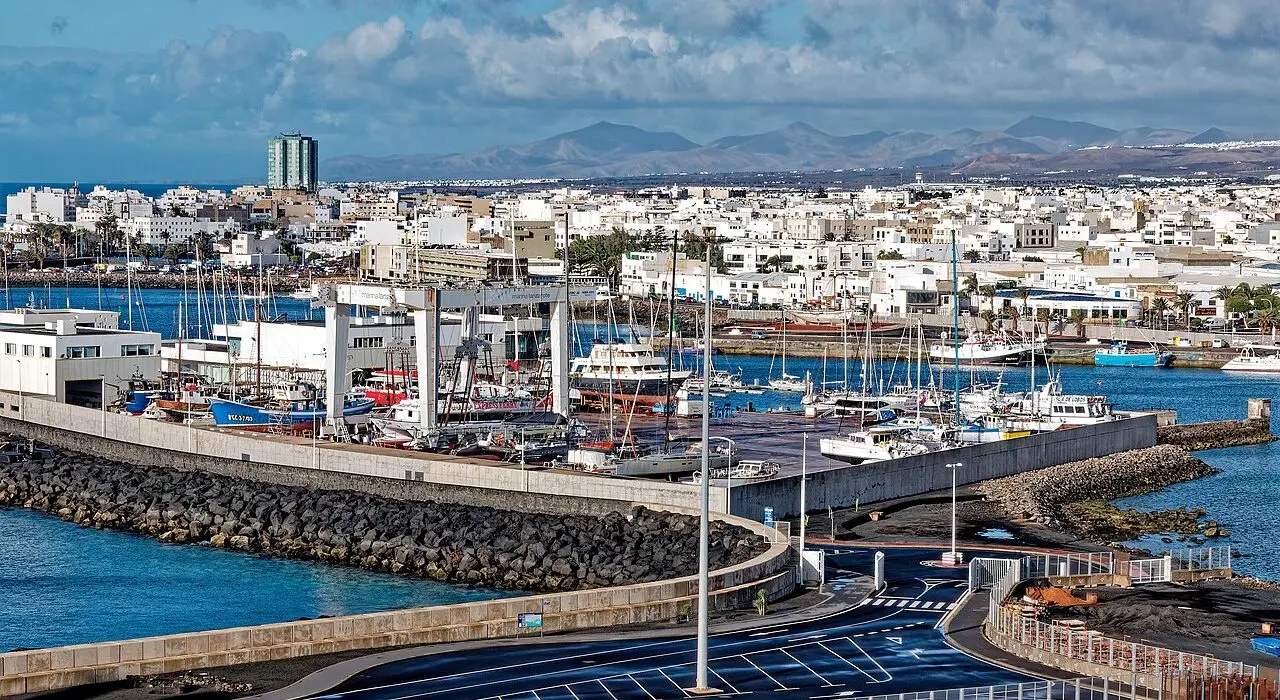
Lanzarote’s capital isn’t the typical beach destination many expect: it’s a port city with 440 years of defensive history, a historic quarter that grew up around a saltwater lagoon, and the legacy of César Manrique stamped on its public spaces. Arrecife retains the pulse of an authentic Canarian city, with its fish market, its pedestrian streets full of shops and a seafront promenade where merchant ships, cruise liners and fishing boats pass by. With just over 24 km² of surface area, it is the smallest municipality in Lanzarote but also the most populous, and it concentrates the administrative, commercial and cultural life of the entire island.
The must-seesWhat to see in Arrecife: the essentials
Castillo de San José
This 18th-century fortress stands above the port of Arrecife and today houses the International Museum of Contemporary Art, one of the most interesting collections in the Canary Islands. The building, commissioned by Charles III between 1776 and 1779, originally served to defend the coast from pirate attacks and to store provisions during famines. Inside you’ll see works by artists such as Picasso, Miró, Tàpies and Chillida, as well as a room dedicated to Canarian creators. The building itself is already worth the visit: volcanic stone walls, original vaults and a restaurant with views over the port.
Temple Hall
This is a ship turned into a monument that forms part of Arrecife’s port landscape. It’s a curious stop on the city’s maritime route, especially if you’re interested in naval heritage or are looking for a different kind of photo next to the dock.
Muelle de Cruceros and Puerto Naos
The Muelle de los Mármoles began as a fishing port and is today the third port in the Canary Islands for freight and the first for fresh fish, with three kilometres of berthing line and 120 hectares of floating surface area. Its main traffic is containers and tourist cruise ships, which makes it a strategic point in the Eastern Atlantic. The dock and Puerto Naos form part of the urban seafront promenade, so you can walk alongside the large ships while watching port activity live.
Charco de San Ginés
This seawater lagoon is the historic heart of Arrecife: the first fishermen’s huts that gave rise to the city were built around it. Next to the Charco stands the church of San Ginés, one of the main religious buildings in Lanzarote’s capital, in a neighbourhood that retains a marked seafaring character. The space was remodelled according to a project by César Manrique, and today it is the most photogenic spot in the historic quarter, with single-storey white houses reflected in the water.
International Museum of Contemporary Art
Located inside the Castillo de San José, this museum brings together a permanent collection of modern and contemporary art featuring key names of the 20th century. It’s an essential visit if you’re interested in art, and the castle setting gives it a unique character within Lanzarote’s cultural offering.
Puente de las Bolas
It is one of the most photographed and recognisable elements of Arrecife’s historic heritage. The bridge, simple and robust in design, connects the town centre with the castle situated on the islet, and has become a landscape emblem of Lanzarote’s capital, especially prized at sunset for its views over the Charco de San Ginés and the bay.
Islote de la Fermina
This small islet facing the seafront promenade, next to the Gran Hotel, is popularly known as “the island of love” because it was a place frequented by young couples seeking privacy. Its official name comes from a local businesswoman who built a shipyard there in the 1920s. After years of neglect, the space was rehabilitated and is now connected to the mainland and converted into a leisure and strolling area, with views of the port and the bay.
La Recova
La Recova, located on Calle Manuel Miranda, was Lanzarote’s old food market and a meeting point between the rural world and the city. Today it is a cultural and community space where an artisan market is held, conceived as a place for gathering and reflection, with products understood as material stories of the land and its people. It is part of the spaces of tourist and culinary interest in the centre of Arrecife.
Calle Real
Calle Real is home to shops and buildings of interest, making it an essential stop on any urban route through the city’s historic centre. It is the commercial and thoroughfare axis of Arrecife’s urban core, which today serves as the administrative and commercial centre of the entire island.
Other points of interest
La Quesera de Zonzamas is an archaeological site that recalls the island’s aboriginal presence. The façade of numbers 23 and 25 on Calle León y Castillo is listed as a Site of Cultural Interest. El Viejo Barco de Madera, in Las Salinas, is a monument that preserves a shipwreck. The Castillo de San Gabriel houses an equatorial sundial. The Memorial a Blas Cabrera Felipe is a statue dedicated to the Lanzarote-born physicist. Parque José Ramírez Cerdá is the city’s main park. The Mercado Turístico Artesanal is a meeting point between visitors and Lanzarote artisans, managed in coordination with the City Council and FELAPYME. The Casa de la Cultura Agustín de la Hoz hosts exhibitions, activities and cultural events, and is named after an artist and cultural promoter linked to the life of Arrecife.
🍂 Otoño
El otoño mantiene un ambiente templado y seco, perfecto para visitar el Castillo de San José o el Museo Internacional de Arte Contemporáneo. Al haber menos turistas que en verano, puedes recorrer la ciudad con más calma. Lleva calzado cómodo para caminar por el centro y el puerto.
What to do in Arrecife
Arrecife offers strolls through its seafaring old town, shopping on pedestrian streets, artisan markets, local cuisine beside the Charco de San Ginés and a cultural calendar that includes exhibitions, carnival and harbour life.
- Carnaval de Arrecife (February): the Lanzarote capital’s big celebration includes the opening speech, murgas competitions, the queen’s gala, the drag gala, daytime carnival, the great parade and the burial of the sardine. If you happen to be here on these dates, be prepared to experience the city in full festive mode.
- La Recova artisan market: browse the local craft stalls in the old food market and take home a handmade piece as a souvenir with a story.
- Seafront promenade from Puerto Naos to the Islote de la Fermina: walk alongside the boats, watch the harbour activity and finish at the restored islet with views over the bay.
- Shopping on Calle Real: the commercial axis of the historic centre is packed with shops, modernist buildings and a vibrant urban atmosphere during the day.
- An afternoon of tapas at the Charco de San Ginés: sit on a terrace beside the lagoon, order Lanzarote goat’s cheese and let the sunset do the rest.
Arrecife in a day: express itinerary
This itinerary lets you see the essentials of Arrecife in a full day, walking between the historic centre, the port and the coast.
- 09:30 – Charco de San Ginés: start the day in the city’s seafaring heart, with the calm lagoon and the little white houses reflected in the water. It’s the perfect moment for photos without the crowds.
- 10:30 – Iglesia de San Ginés and historic centre: step inside the parish church and wander the nearby pedestrian streets, including Calle Real, to soak up the commercial atmosphere and the buildings of interest.
- 12:00 – Puente de las Bolas and Castillo de San Gabriel: cross Arrecife’s most photographed bridge and visit the fortress on the Islote del Quemado, with its equatorial sundial and views over the bay.
- 13:30 – Lunch by the Charco or in the centre: try papas arrugadas with mojo, fresh grilled fish or Lanzarote goat’s cheese at one of the restaurants in the historic centre.
- 16:00 – Castillo de San José and International Museum of Contemporary Art: spend the afternoon at the 18th-century fortress and its modern art collection, with works by Picasso, Miró and Tàpies.
- 18:30 – Promenade to the Islote de la Fermina: walk along the port, watch the boats and finish at the restored islet to see the sunset over the bay.
Where to eat in Arrecife: local cuisine
Where to stay in Arrecife
El Centro
Es el corazón comercial y administrativo de la ciudad, caracterizado por calles peatonales llenas de tiendas y edificios modernistas. Ofrece un ambiente urbano vibrante durante el día que se tranquiliza por la noche, siendo ideal para pasear y hacer compras.
Charco de San Ginés
Una zona histórica única formada por una laguna de agua salada natural rodeada de antiguas casas de pescadores de un solo piso y restaurantes de mariscos. Es el enclave más pintoresco y fotogénico de la ciudad, con un ambiente tranquilo y tradicional.
Playa del Reducto
La principal playa urbana de arena dorada ubicada muy cerca del centro, protegida por el Castillo de San Gabriel. La zona cuenta con un paseo marítimo amplio, chiringuitos y acceso fácil a los ferris hacia otras islas.
Altavista
Un barrio residencial situado en una colina que ofrece vistas panorámicas sobre la ciudad y el océano. Es una zona más local y tranquila, alejada del bullicio turístico, donde se encuentra el parque principal de la ciudad.
Argana Baja
Zona densamente poblada y popular que se extiende desde las cercanías del puerto hacia el interior, conocida por su ambiente auténticamente canario y sus fiestas locales. Es un área principalmente residencial con servicios básicos y menos orientada al turismo convencional.
How to get to Arrecife
The most direct way to reach Arrecife is by air via César Manrique-Lanzarote Airport (ACE), located a short distance from the capital. By road, the city is connected to the rest of the island via the LZ-1, LZ-2, LZ-3 and LZ-20 roads, and the Estación de Guaguas de Arrecife centralises bus connections with IntercityBus Lanzarote.
| Medio | Duración | Precio aprox. | Frecuencia |
|---|---|---|---|
| Avión (Aeropuerto César Manrique-Lanzarote, ACE) | Variable según origen | Medio-alto | Vuelos nacionales e internacionales |
| Bus interurbano (IntercityBus Lanzarote) | Variable según ruta | Bajo | Consultar en la Estación de Guaguas de Arrecife |
| Coche por LZ-1, LZ-2, LZ-3 o LZ-20 | Variable según origen | Medio | Acceso continuo |
Getting around Arrecife
Arrecife’s city centre is pedestrianised, so the best way to explore the old town, Calle Real and the Charco de San Ginés is on foot. For longer journeys, the city has an urban bus service connecting the different neighbourhoods and the port area. If you stay in Playa del Reducto, El Centro or the Charco de San Ginés, you’ll barely need transport for the main sights.
Weather in Arrecife
Best time to visit Arrecife
Day trips from Arrecife
Arrecife is a practical base for exploring the rest of Lanzarote thanks to its position in the east of the island and its road connections. Buses run from the Estación de Guaguas de Arrecife (Arrecife bus station) to other towns, and the LZ-1, LZ-2, LZ-3 and LZ-20 roads make it easy to get around by car. The towns in the region offer contrasts between coast, countryside and volcanic landscapes, ideal for half-day or full-day trips.
Arrecife curiosities you didn’t know
The city’s name comes from an islet joined to the mainland. Andalusian and Majorcan sailors had already been calling this place “Arrecife” since the 13th and 14th centuries, after the large rocky islet that protected the coast where the city’s waterfront now stands.
It was considered the best natural harbour in the Canaries. Since the Norman Conquest of 1402, the protection offered by the reefs made Arrecife the safest port in the archipelago, an advantage that shaped its development over the centuries.
An Algerian corsair gave the Castillo de San Gabriel islet its name. The islet is called “del Quemado” because the corsair Morato Arráez set fire to the fort in 1586. 440 years have passed and the name still lives on in local place names.
César Manrique was born next to the Charco de San Ginés. Lanzarote’s most universal artist came into the world in Arrecife’s seafaring heart, the same spot where the first fishermen’s huts that gave rise to the city were established.
Who is Arrecife for
Arrecife is for travellers who want a real Canarian city, not a resort. It appeals to couples looking for seaside strolls and dinners beside a historic lagoon, to families for its urban beach at El Reducto and its relaxed atmosphere, and to backpackers for its working-class neighbourhoods and prices lower than in other tourist areas of Lanzarote. History and architecture lovers will enjoy its fortifications and modernist buildings, and foodies will find fresh fish, goat’s cheese and papas arrugadas (wrinkled potatoes) — simple cooking with real identity.
💡 ¿Sabías que...?
- ● El nombre de Arrecife proviene de un gran islote unido a tierra donde hoy se encuentra la parte costera de la ciudad, nombre dado por marineros andaluces y mallorquines ya desde los siglos XIII y XIV. (https://www.arrecife.es/node/80)
- ● Arrecife fue considerado desde la Conquista Normanda (1402) como el mejor puerto natural de Canarias debido a la protección de los arrecifes. (https://www.arrecife.es/node/80)
- ● El islote donde se asienta el Castillo de San Gabriel se llama del Quemado porque el corsario argelino Morato Arráez incendió el fuerte en 1586, y el nombre perdura desde hace 440 años. (https://tourdecastles.com/es/castles/castillo-de-san-gabriel/)
- ● César Manrique nació en el Charco de San Ginés, el corazón marinero de Arrecife donde se establecieron las primeras chozas de pescadores que dieron lugar a la ciudad. (https://turismolanzarote.com/arrecife-4-kilometros-de-paseo-maritimo-entre-islotes-y-dos-castillos/)
Frequently asked questions about Arrecife
How many days do I need to see Arrecife?
With a full day you can see the essentials: Charco de San Ginés, Castillo de San Gabriel, Castillo de San José with its contemporary art museum and the seafront promenade. If you want to explore markets, neighbourhoods and take a trip or two, 2 or 3 days are ideal.
What is the best time of year to visit Arrecife?
Arrecife can be visited all year round: the average temperature is 24.4 °C in summer and 18.1 °C in winter, with only 101.4 mm of annual rainfall. February is special because of Carnival, and spring and autumn combine good weather with fewer crowds.
How do I get to Arrecife from Madrid?
The most direct option is to fly to César Manrique-Lanzarote Airport (ACE), which receives domestic flights from Madrid and other Spanish cities. Once on the island, you can reach Arrecife by road or by bus.
Does Arrecife have a beach?
Yes, Playa del Reducto is the main urban beach, with golden sand, located very close to the centre and sheltered by Castillo de San Gabriel. It has a wide promenade, beach bars and easy access to the ferries to other islands.
Where can I find more practical information on opening times and tickets?
You can check the official Arrecife tourism website for opening times, tickets and the city’s updated events calendar.