Benalmádena
AndalucíaClimate
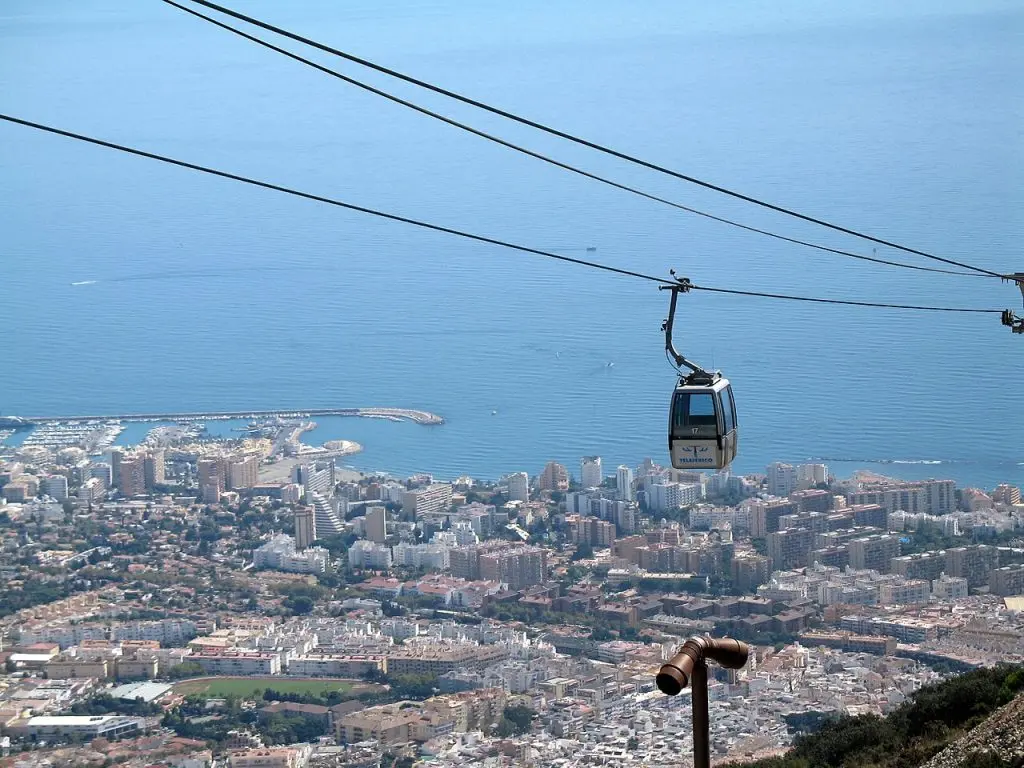
On October 9, 1680, an earthquake shook Benalmádena to its foundations: not a single house was left standing, the hillsides collapsed, and a subsequent tidal wave devastated the coast. More than three centuries later, this municipality on the Costa del Sol —about 16 km southwest of Málaga— boasts 27 km² of Mediterranean coastline, a castle that looks straight out of a fairy tale, and a marina that will take your breath away. Benalmádena welcomes more than 727,000 travelers every year (INE data) and has something rare along this stretch of coast: a whitewashed village perched on the hillside that coexists with a sandy, salt-tinged seafront promenade.
The must-seesWhat to see in Benalmádena: the must-sees
Castillo de Colomares (Colomares Castle)
If you could only visit one thing in Benalmádena, make it this. The Castillo de Colomares is a neo-medieval monument built in honor of the life and voyages of Christopher Columbus, and here’s the surprise: its style blends neo-Byzantine, neo-Romanesque, neo-Gothic, and neo-Mudéjar references in a single building, something you won’t find repeated anywhere else in Spain. It was built by just two masons from the neighboring town of Mijas, and the result is a stone fantasy that seems plucked from a fairy tale. It opens every day in the morning and afternoon, with paid admission (reduced for residents and free for children under a certain age). Set aside at least an hour to explore its towers, gargoyles, and views over the coast.
Puerto Marina
Known as one of the most important marinas in the Mediterranean, Puerto Marina is much more than a yacht berth: the full-size replica of the caravel ‘La Niña’, one of the three ships of the 1492 expedition, docked here and remains permanently moored at the eastern end of the pier as a tribute to the town’s Columbian past. It opens year-round with morning and afternoon hours, and admission is paid, with different rates for adults and children. Its big draw, beyond the harbor itself, is the interactive experiences with sea lions, penguins, giant tortoises, and monkeys, which can be booked online through its official website.
Tivoli World
On May 20, 1972, the Dane Ben Olsen opened what is considered the first theme park on the entire Costa del Sol, and it’s still running half a century later. Tivoli World combines mechanical rides —29 in total, including 1 roller coaster and 1 water ride—, an indoor theater with live shows, and open-air themed areas surrounded by trees. It operates mainly in the afternoon and evening, with paid admission and annual passes available. It’s located on Avenida del Tivoli, in Benalmádena Costa, and it’s a sure bet if you’re traveling with kids or if you fancy something different from sun and beach.
Parque de la Paloma (La Paloma Park)
The town’s green lung. Parque de la Paloma is a free public space where ponds, picnic areas, children’s play zones, and a central lake inhabited by swans and peacocks roaming freely all coexist. It also has domestic animal areas and a café-restaurant inside, so you can spend an entire morning here without spending a euro. It is, without question, the best green space on the coastal strip.
Estupa de la Iluminación de Benalmádena (Benalmádena Enlightenment Stupa)
At 33 meters high and with privileged views over the Costa del Sol, the Estupa de la Iluminación is the first Tibetan-style Buddhist stupa built in the West. Access is completely free, and the experience includes walking around the grounds, discovering the figures and symbols on its different levels, and, if you feel like it, taking part in meditation sessions. It’s located on a hillside, so take your time going up and bring water.
Castillo de Bil Bil
Don’t be misled by the name: Castillo El Bil Bil is not a medieval fortress, but a neo-Moorish style building constructed in the 1930s as a summer villa for a wealthy family. Its exterior, with red rendering and decoration of tiles and bas-reliefs inspired by Nasrid art, forms one of the most recognizable silhouettes on the Benalmádena coastline. Today it functions as a cultural center, an events hall for exhibitions, conferences, and events, and it also houses the municipal tourism office. The interior is not open for free visits, but its façade, fountains, and the Moorish-style gardens surrounding it are open to visitors.
Mariposario de Benalmádena (Benalmádena Butterfly Park)
A tropical butterfly park right on the Costa del Sol, with a gallery where you can observe the complete life cycle of butterflies: from caterpillars to adult specimens, surrounded by tropical vegetation, plants, and other animals. It opens year-round in the morning and afternoon, with paid admission that you can buy online to avoid queues.
Iglesia de Santo Domingo de Guzmán (Church of Santo Domingo de Guzmán)
On Santo Domingo street, within the Jardines del Muro (Wall Gardens), stands this church with a three-nave floor plan and bell tower, featuring decorative elements typical of Andalusian religious architecture. Inside, the main altarpiece dedicated to Santo Domingo de Guzmán, the town’s patron saint, stands out, along with various images of popular devotion. Admission is free and it can be visited during worship hours or by arranging a visit with the tourism office.
Gruta de la Virgen de Lourdes (Grotto of the Virgin of Lourdes)
An artificial grotto built in the late 20th century in an abandoned rock quarry, with a replica of the Virgin of Lourdes inside surrounded by lighting and an altar. It is the setting for the annual floral offering that Protección Civil (Civil Protection) carries out for the feast of the Virgin of Lourdes, and a local pilgrimage site. The visit is free and open access during daylight hours, and it is located in an elevated area with views of the surroundings.
Benalmádena Pueblo
Head up to the old town and you’ll be transported to another Benalmádena: cobblestone streets, typical Andalusian white houses, and a tranquil, traditional, and cultural atmosphere, very different from the coast. It’s the ideal area for those seeking authenticity, relaxed tapas bar hopping, and great photos.
Playa de Bil Bil (Bil Bil Beach)
One of the busiest beaches in the municipality in summer, with showers, sun lounger rental, and lifeguard service in high season. Entry is free and it is flanked by Castillo El Bil Bil, so swimming and heritage go hand in hand.
🍂 Otoño
Si visitas Benalmádena en otoño seguirás encontrando temperaturas muy agradables, sobre todo en octubre, que entra dentro de la mejor época del año. Es un momento ideal para visitar el Parque de la Paloma sin aglomeraciones o disfrutar de Tivoli World con un ambiente más tranquilo. Consejo: lleva una chaqueta ligera para la noche y aprovecha que el mar está en su mejor temperatura para bañarte.
What to do in Benalmádena
Benalmádena offers a calendar of festivals that covers almost the entire year: it kicks off the year with the Cabalgata de los Reyes Magos (Three Kings Parade) (January 5), when Their Majesties disembark at midday at the Puerto Deportivo (marina) and in the afternoon parade through the streets of Benalmádena Costa, Benalmádena Pueblo, and Arroyo de la Miel handing out sweets. In February comes Carnaval (Carnival), with two weeks of activities including Carnaval Escolar (School Carnival), parades, street processions, Gala Drag Queen, opening speech, and costume contest. In June, Arroyo de la Miel celebrates its patron saint festivities in honor of San Juan Bautista (Saint John the Baptist) with six days of free concerts at the Caseta Municipal (municipal festival tent), fairground attractions, romería (pilgrimage), and religious events. And in August Benalmádena Pueblo dresses up for the Feria y Fiestas (Fair and Festivities) in honor of the Virgen de la Cruz (Virgin of the Cross): five days at the Recinto Ferial Los Nadales (Los Nadales Fairground), concerts, Feria de Día (Daytime Fair) in the plaza de las Tres Culturas (Square of the Three Cultures), romería to the Finca Rústica Casablanca (Casablanca Rural Estate), and procession of the patron saint on August 15.
Benalmádena in a day: express itinerary
- 09:30 — Castillo de Colomares. Arrive early to avoid queues and explore this unique monument at your leisure before the heat kicks in.
- 11:30 — Benalmádena Pueblo. Head up to the old town, wander its cobbled streets, and stop for a coffee or some pescaíto frito (fried fish) at any local spot.
- 13:30 — Lunch at a beachfront chiringuito. Pescaíto frito with sea views: anchovies, sardines, and squid dusted in flour and fried, straight out of the oil.
- 15:30 — Bil Bil Beach. Swim, grab a sunbed, and enjoy a siesta in front of the city’s most famous neo-Moorish castle.
- 18:00 — Puerto Marina. Stroll among the yachts, snap a photo with the replica of the caravel ‘La Niña’, and, if you’re up for it, book an interactive experience online with sea lions or giant turtles.
- 21:00 — Tivoli World. End the day with the rides and live shows at the Costa del Sol’s most veteran amusement park.
Where to eat in Benalmádena: local gastronomy
Where to stay in Benalmádena
Benalmádena Pueblo
Es el casco histórico y antiguo de la ciudad, situado en la ladera de la montaña con calles empedradas y casas blancas típicas andaluzas. Ofrece un ambiente tranquilo, tradicional y cultural, muy diferente a la costa.
Benalmádena Costa
Es la principal zona turística junto al mar, caracterizada por un largo paseo marítimo lleno de hoteles, restaurantes y tiendas. El ambiente es vibrante durante el día y animado por la noche, centrado en el ocio playero.
Arroyo de la Miel
Originalmente un núcleo urbano independiente, ahora actúa como centro residencial y comercial que conecta el pueblo con la costa. Es una zona más auténtica y menos turística, con buena oferta de servicios locales y transporte.
Torrequebrada
Zona situada en el límite oeste de Benalmádena, conocida principalmente por su gran complejo de ocio que incluye hotel, casino y campo de golf. Es un área más aislada del bullicio central, enfocada al turismo de resort.
Selwo Marina / Puerto Deportivo
Área específica dentro de Benalmádena Costa que alberga uno de los puertos deportivos más importantes del Mediterráneo y parques temáticos. Es el epicentro del lujo, el entretenimiento familiar y la gastronomía marina.
How to get to Benalmádena
| Medio | Duración | Precio aprox. | Frecuencia |
|---|---|---|---|
| Tren de cercanías (estación Benalmádena – Arroyo de la Miel) | Variable según origen | Según Renfe, tarifa de cercanías | Servicios regulares de Renfe |
| Bus urbano | Recorridos internos | Tarifa municipal económica | Servicios durante el día |
| Vuelo + Base BRICA de Cártama | Según origen | Variable | Base aérea local |
How to get around Benalmádena
To get around the town, the urban bus is the most practical and affordable option, with routes connecting Benalmádena Pueblo, Arroyo de la Miel, and Benalmádena Costa. The Benalmádena – Arroyo de la Miel train station also lets you connect with the rest of the Costa del Sol and with Málaga city without needing a car. For short trips between the coast and the village, the cercanías (commuter train) service (according to Renfe) runs with reasonable punctuality and frequency.
Weather in Benalmádena
Best time to visit Benalmádena
Day trips from Benalmádena
Benalmádena sits in the heart of the Costa del Sol, so half of Andalusia is within easy reach. The most immediate option is Málaga city, about 16 km to the northeast, with its historic center, the Picasso Museum, the Alcazaba, and the port. Heading east, you can visit Fuengirola, with its medieval castle and family-friendly beaches, and a bit further on, Marbella, with its old town and Puerto Banús. To the west awaits Torremolinos, the liveliest neighbor on the coast, and to the north, inland, Alhaurín de la Torre, ideal for a day of hiking and contact with the mountains. All these towns are connected by road and, in many cases, by cercanías train (according to Renfe), making each outing an easy trip to plan.
Benalmádena curiosities you didn’t know
The name Benalmádena is Arabic and highly evocative. It comes, according to the most widely accepted theory, from ‘Ibn al-ma’din’, meaning ‘Children of the mines’, a reference to the iron and ochre deposits that were abundant in the area. A name that still describes the character of this municipality well: a land of hidden resources worth exploring.
El Castillo El Bil Bil, one of the most photographed buildings in Benalmádena, was not born as an ancient fortress. It was built around 1930 as a summer home for the Hermann family, in an exotic Moorish Revival style. Its silhouette, with the red rendering and Nasrid tiles, still fools anyone seeing it for the first time.
Cerro del Castillejo, at 967 meters above sea level, is the highest point in the municipality. It is not a record figure in absolute terms, but it is enough to make you realize that Benalmádena is not only about the beach: its municipal area, of just over 27 km², combines sea and mountains in a very compact space.
The first settlement of Arroyo de la Miel dates back around 2,900 years, according to a study of the Cerro de la Era site. That is, it is contemporary with the first Phoenician presence in the south of the Iberian Peninsula. When you walk through Arroyo de la Miel you are treading on ground with almost three millennia of continuous history.
Benalmádena is twinned with Finale Ligure (Italy) because Felix Solesio was born there, the Genoese responsible for establishing the first urban settlement that would become Arroyo de la Miel. A transalpine link that few know about and that explains the Italian footprint in local history.
Who Benalmádena is for
Benalmádena is a versatile destination. Couples will find in Benalmádena Pueblo that old town with cobbled streets, white houses and a peaceful atmosphere perfect for romantic getaways. Families have in Benalmádena Costa, Tivoli World, Parque de la Paloma and Playa de Bil Bil a playground with the sea as a backdrop. Backpackers will feel at home in Arroyo de la Miel, with good services, transport and more affordable prices. History lovers will enjoy Castillo de Colomares, Castillo El Bil Bil and Iglesia de Santo Domingo de Guzmán. And foodies, with 72% foreign tourists and an extremely wide gastronomic offering (INE), have in pescaíto frito, bocaditos esteponeros and naranja cahorreña three more than enough reasons to get excited.
💡 ¿Sabías que...?
- ● El nombre de Benalmádena procede, según la hipótesis más aceptada, del árabe 'Ibn al-ma'din', que significa 'Hijos de las minas', debido a la abundante existencia de yacimientos de hierro y ocre en la zona. (https://www.diariosur.es/sur-historia/benalmadena-llama-20220916114833-nt.html)
- ● El 9 de octubre de 1680 un terremoto no dejó una sola casa en pie en Benalmádena, echando abajo algunas colinas, y fue empeorado por un maremoto posterior que inutilizó las barcas y arruinó la costa. (https://www.benalmadena.es/informacion-historica-del-siglo-xv-al-xviii.html)
- ● El Cerro del Castillejo, con 967 metros sobre el nivel del mar, es el punto más alto del municipio de Benalmádena. (https://www.sunsetbeachclub.es/blogs/guias-turisticas/50-cosas-que-quizas-no-sepas-sobre-benalmedena/)
- ● El Castillo El Bil Bil, uno de los edificios más fotografiados de Benalmádena, no nació como fortaleza antigua: se construyó en torno a 1930 como casa de verano para la familia Hermann, con un estilo exótico arabizante. (https://www.thisisbenalmadena.travel/blog/post/leyendas-misterios-y-anecdotas-sobre-benalmadena/)
- ● El primer asentamiento de Arroyo de la Miel data de hace unos 2.900 años (finales de la Prehistoria), siendo coetáneo a la primera presencia fenicia en el sur de la Península Ibérica, según un estudio del yacimiento del Cerro de la Era. (https://www.guiadebenalmadena.com/BENALMADENA/benalmadena-noticias/2023/01/19/un-estudio-fecha-hace-2900-anos-el-primer-asentamiento-de-arroyo-de-la-miel/)
- ● Benalmádena está hermanada con Finale Ligure (Italia) porque allí nació Felix Solesio, el genovés responsable de establecer el primer asentamiento urbano que se convertiría en Arroyo de la Miel. (https://www.sunsetbeachclub.es/blogs/guias-turisticas/50-cosas-que-quizas-no-sepas-sobre-benalmedena/)
Frequently asked questions about Benalmádena
How many days do I need to see Benalmádena?
With two full days you can cover the main attractions: Castillo de Colomares (Colomares Castle), Puerto Marina, Tivoli World, Parque de la Paloma (La Paloma Park), Benalmádena Pueblo and a museum or church. With three days the plan is more relaxed and gives you room to enjoy the beach without rushing and to join in a local festival if your dates coincide.
What is the best time of year to visit Benalmádena?
The best time is from April to October, with average temperatures that in summer hover around 25.5°C and in winter drop to around 13.0°C, according to AEMET. To avoid the crowds of peak August, June and September are ideal months.
How do I get to Benalmádena from Madrid?
The most common option is to fly to Málaga airport and from there connect with the Cercanías commuter train to Benalmádena – Arroyo de la Miel station (no AVE), or take a direct bus. Renfe services link the capital of Málaga province with Benalmádena on a regular basis.
Is Benalmádena a good destination for traveling with children?
Yes, it is one of the best on the Costa del Sol for families. Parque de la Paloma is free, Tivoli World has 29 attractions, Playa de Bil Bil has lifeguards in summer, and the Mariposario (Butterfly Park) fascinates the little ones. In addition, the range of family-friendly hotels in Benalmádena Costa is extensive.
Is Benalmádena only a beach destination?
No. Castillo de Colomares, the Estupa de la Iluminación (Enlightenment Stupa), Castillo Bil Bil, the Iglesia de Santo Domingo de Guzmán (Church of Santo Domingo de Guzmán), the Gruta de la Virgen de Lourdes (Grotto of the Virgin of Lourdes) and Benalmádena Pueblo show that this municipality has heritage, culture and viewpoints for several days. The beach is just one of the many layers it offers.