Vigo
GaliciaClimate
Daily budget
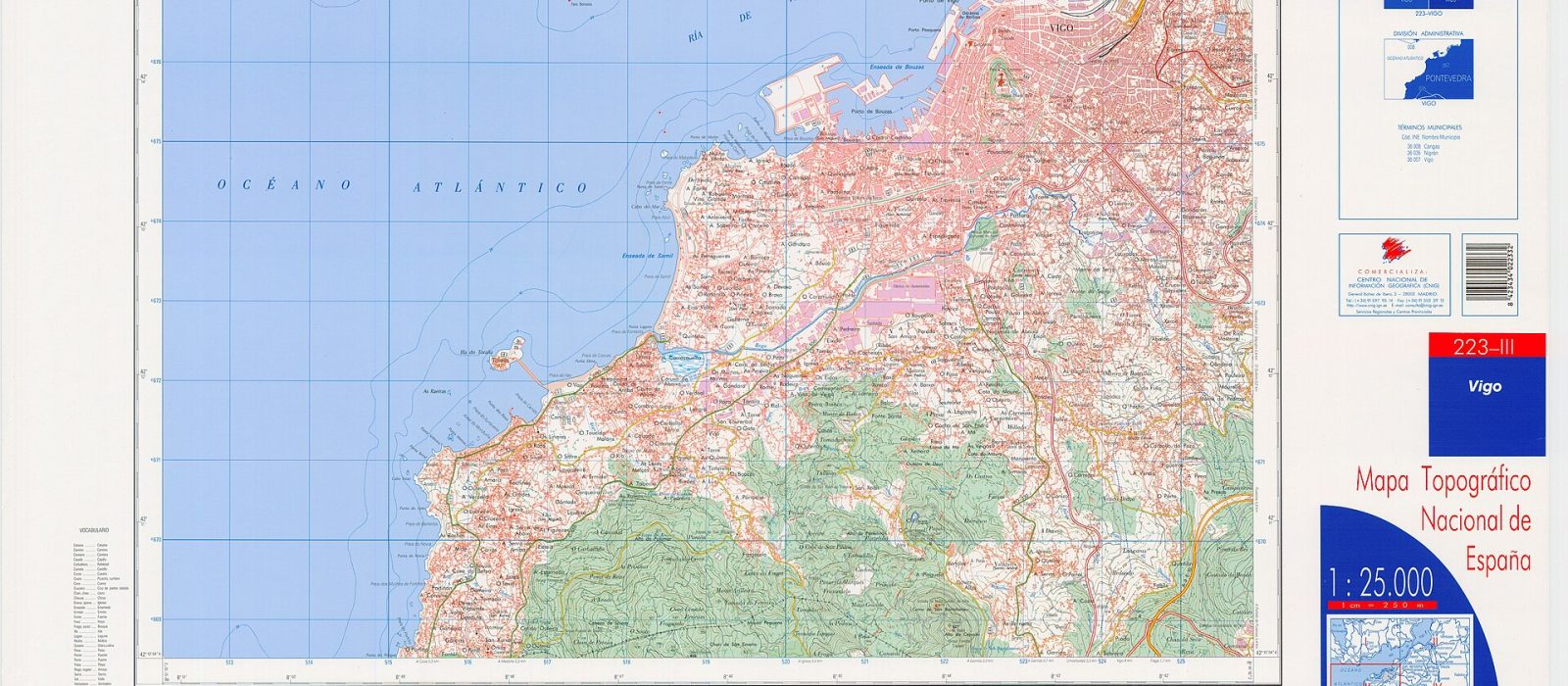
The scent of sea salt mingling with smoke from oyster grills on Rúa da Pescadería (Fishmonger Street) welcomes you the moment you step into Casco Vello (Old Town), marking the start of a unique sensory experience in Galicia’s most populous city. With nearly 300,000 inhabitants thriving among modern skyscrapers and cobblestone streets, Vigo is not just a stopover destination but a place where the history of the Reconquista coexists with the avant-garde of contemporary art. Here, the Atlantic Ocean embraces the city with force, offering everything from endless urban beaches to dreamlike archipelagos that seem plucked from a Jules Verne novel.
The must-seesWhat to See in Vigo: The Essentials
Cíes Islands
This paradisiacal archipelago, a fundamental part of the Atlantic Islands National Park, is world-famous for its white-sand beaches and crystal-clear waters that rival those of the Caribbean. Visiting requires prior authorization due to visitor caps designed to protect its ecosystem, and access is exclusively by boat, operating mainly during the summer season. Once there, you can hike trails leading to spectacular viewpoints and enjoy pristine, protected nature. It is, without doubt, the natural jewel crowning the Vigo estuary.
Port of Vigo
The Vigo estuary, naturally sheltered by the Cíes Islands, is the southernmost and most extensive of the Rías Baixas (Lower Estuaries), stretching 33 kilometers and blending river waters with the Atlantic Ocean. This port is a key economic engine, standing as Europe’s largest fishing port in terms of fish movement for human consumption, handling hundreds of thousands of tons annually. The San Simón Inlet stands out particularly—a historic island that once served as a monastery and prison, visible from navigation horizons toward Cangas. Visiting hours for certain port areas are typically 09:00 to 13:00 and 18:00 to 20:30, offering unmatched views from the city.
Samil Beach
As Vigo’s largest and most popular beach, Samil stretches over one kilometer in length, becoming the city’s coastal lung year-round. It is perfectly equipped for family enjoyment and sports, featuring swimming pools, expansive green zones, and sports courts for active visitors. Access is open 24 hours, allowing for nighttime seaside strolls or tranquil sunrises away from the hustle. It is the ideal spot to understand the bond between the people of Vigo and the ocean without leaving the urban core.
Castrelos Park (Marquesa Estate)
This is Vigo’s largest park, a monumental space housing historic gardens of great botanical value and an open-air auditorium frequently used in summer. Inside lies the Pazo Quiñones de León, a manor house that adds a touch of historical elegance to the natural setting. Opening hours are from 08:00 to 22:00, permitting long walks among diverse plant species and rest areas. It serves as a tranquil refuge amidst the urban density of the autonomous community of Galicia.
Fortaleza do Castro
Perched atop a strategic hill, this park combines history and nature by preserving archaeological remains of an ancient castro (hillfort) and a military fortress. It undoubtedly offers the best panoramic views of the entire city and estuary, making it the perfect spot for memorable sunset photographs. Like Samil, it is open 24 hours, turning it into an accessible viewpoint at any time of day or night. Climbing up here means understanding the defensive geography that protected Vigo for centuries.
Other points of interest
- Bouzas Neighborhood: Former fishing district that was an independent town between 1881 and 1904, renowned for its 16th-century Church of Santa María and its authentic fishing atmosphere.
- MARCO Museum: Contemporary Art Museum located on rúa do Príncipe, housed in a building from 1861 renovated in 2001, offering free admission to its exhibitions.
- Museo do Mar de Galicia (Galicia Sea Museum): Explains the historical connection with the sea through galleries in large illuminated cubes, including an aquarium and lighthouse, with variable rates depending on the season.
- Mirador del Monte de O Castro (O Castro Hill Viewpoint): The highest point in the city center at 149 meters, offering complete views over the ria and preserving remains of a visitable fortified settlement.
- Praza da Constitución: A 20th-century public space in the Campolongo neighborhood, built over the old riverbed of the Gafos River featuring a trapezoidal wall from the seventies.
- Casco Vello: The historic heart with cobblestone streets and a wide selection of tapas bars, ideal for getting lost and soaking up the local atmosphere.
- Afundación Cultural Center: Located on Policarpo Sanz street, it hosts temporary exhibitions and social activities in the city’s expansion district.
- Jardines de las Avenidas: Gardens on Avenida de España facing the port, integrated into the Camellia Route with subtropical species and views of the estuary.
- Mercado A Pedra: Traditional market in Plaza de la Constitución since 1952, famous for its metal structure and stalls selling fresh fish and oysters.
- Rúa da Pescadería: Famous street next to Mercado da Pedra known as the “Oyster Street” for its on-the-spot tastings.
- Colegiata de Santa María de Vigo: The main religious temple in Neoclassical style, popularly known as La Colegiata.
- Calle Príncipe: The main pedestrian and commercial street connecting Plaza de España with Casco Vello, lined with shops and early 20th-century buildings.
🍂 Otoño
Si visitas Vigo en otoño, el clima se vuelve más húmedo y las temperaturas bajan gradualmente. Es la estación perfecta para degustar el mejor marisco en las tabernas locales. No olvides impermeables y calzado resistente al agua para los paseos.
What to do in Vigo
Vigo offers vibrant cultural and festive activities reflecting its historical and maritime identity, ranging from Napoleonic reenactments to gastronomic routes. You can immerse yourself in history by participating in the Reconquista festival in March, which commemorates the expulsion of Napoleonic troops with a grand period reenactment in Casco Vello. For lovers of religious tradition, the Procession of Christ of Victory during Holy Week is the most attended in the city. Additionally, exploring markets like A Pedra or O Berbés allows you to connect directly with the fresh seafood that defines the local economy.
Vigo in one day: express itinerary
If you are short on time, this optimized route will allow you to see the essentials of the city in 24 hours, combining history, views, and gastronomy.
- 09:00 – Fortaleza do Castro: Start the day with the best panoramic views of the ria and the city from this historic park atop the hill.
- 11:30 – Casco Vello and Mercado A Pedra: Head down to the historic heart to wander its cobblestone streets and visit the market to experience the lively fish and oyster stalls.
- 14:00 – Lunch on Rúa da Pescadería: Enjoy a seafood feast or fresh oysters on this famous culinary street next to the market.
- 16:30 – MARCO Museum: Visit this contemporary art landmark located on rúa do Príncipe to enjoy free culture in a historic building.
- 19:00 – Walk through Jardines de las Avenidas: End the day strolling in front of the marina, enjoying the camellias and sunset views over the estuary.
Where to eat in Vigo: local gastronomy
Where to sleep in Vigo
Casco Vello
El barrio antiguo, ideal para tapear, descubrir la historia de la ciudad y disfrutar de su ambiente animado.
Bouzas
Antiguo pueblo marinero anexionado a Vigo, con un encantador paseo marítimo, playa y ambiente familiar.
How to get to Vigo
The city is well connected by land, sea, and air, serving as a crucial hub in the northwest of the peninsula.
| Medio | Detalles | Conexiones |
|---|---|---|
| Tren | Estación de Vigo-Urzáiz (con AVE). | Destinos directos: Madrid, Santiago de Compostela, A Coruña, Pontevedra. |
| Bus | Estación Intermodal de Vigo. | Compañías: Alsa, Monbus, LUGove, Flixbus. |
| Avión | Aeropuerto de Vigo (VGO). | Ubicado a 10 km de la ciudad. |
| Coche | Red de autopistas y autovías. | Carreteras: AP-9, A-55, A-52, VG-20. |
Getting around Vigo
Urban transport is efficient and covers the entire metropolitan area. You can use the city bus to move between different neighborhoods and zones. Furthermore, downtown Vigo features a large pedestrian zone, especially along Calle Príncipe and in the Casco Vello (Old Town), making walking the best option to explore the commercial and historic core without traffic concerns.
Weather in Vigo
Best time to visit Vigo
Day trips from Vigo
Vigo’s location allows for quick getaways to nearby historic cities. Santiago de Compostela is an essential destination to visit its cathedral and old town, while A Coruña offers the opportunity to see the Tower of Hercules and its coastal surroundings. Both cities are well connected by the regional transport network and are ideal for completing the Galician experience.
Curiosities about Vigo you didn’t know
Did you know that Jules Verne set the location where Captain Nemo replenishes his supplies from the treasure of the galleons sunk in the Battle of Rande in 1702 in the Ría de Vigo in his novel ‘Twenty Thousand Leagues Under the Sea’? The writer visited the city years later, and today a statue pays homage to him in the urban landscape.
It is a little-known fact that Vigo was the first town in Europe to rise up and expel Napoleon’s army during the Peninsular War. The ‘Reconquista’ (Reconquest) of Vigo took place on March 28, 1809, a feat for which the city holds the title of ‘Fiel, Leal y Valerosa’ (Faithful, Loyal, and Brave).
Another surprising fact is that the Port of Vigo is the largest fishing port in Europe in terms of fish movement for human consumption, serving as an economic engine that moves hundreds of thousands of tons annually for the region.
Who is Vigo for?
Vigo is a versatile destination ideal for foodies seeking the best seafood, history lovers interested in the Reconquista and contemporary art, and travelers who enjoy coastal nature. With an average stay of 1.73 nights and more than 500,000 annual visitors (INE), it attracts both domestic and foreign tourists (38%) looking for a mix of urban culture and Atlantic landscapes.
💡 ¿Sabías que...?
- ● En su novela 'Veinte mil leguas de viaje submarino', Julio Verne sitúa en la Ría de Vigo el lugar donde el Capitán Nemo se abastece del tesoro de los galeones hundidos en la Batalla de Rande de 1702. Verne visitó la ciudad años después y hoy una estatua le rinde homenaje. (Turismo de Vigo)
- ● El puerto de Vigo es el mayor puerto pesquero de Europa en cuanto a movimiento de pescado para consumo humano. Su actividad es un motor económico fundamental para la región, moviendo cientos de miles de toneladas anualmente. (El Debate / KrustaGroup)
- ● Pontevedra es un referente mundial en peatonalización. Desde 1999, ha eliminado el tráfico de su centro histórico, logrando cero muertes por atropello en el centro urbano en más de una década y reduciendo las emisiones de CO2 en un 70%. (Foro de Seguridad Vial / Tomorrow.City)
- ● En A Coruña (Galicia) se encuentra la Torre de Hércules, el único faro de origen romano y el más antiguo del mundo que sigue en funcionamiento. Fue construido en el siglo I y es Patrimonio de la Humanidad por la UNESCO. (UNESCO)
- ● Existe una sólida teoría que sostiene que Cristóbal Colón no era genovés, sino gallego, originario de la zona de Poio (Pontevedra). La teoría se basa en el análisis de sus escritos, que contienen numerosos galleguismos, y en la toponimia que usó en América. (Turismo de Galicia / Asociación Cristóbal Colón Galego)
- ● El río Xallas, en Dumbría (Galicia), es el único de Europa que desemboca directamente en el océano a través de una cascada, la Fervenza do Ézaro. Este espectáculo natural crea una nube de vapor visible desde kilómetros. (Turismo de Galicia)
- ● El restaurante Sobrino de Botín, fundado en Madrid en 1725, ostenta el Récord Guinness de ser el restaurante más antiguo del mundo en funcionamiento ininterrumpido. Su horno de leña original nunca se ha apagado desde su apertura. (Guinness World Records)
- ● Vigo fue la primera localidad de Europa en levantarse y expulsar al ejército de Napoleón durante la Guerra de la Independencia. La 'Reconquista' de Vigo tuvo lugar el 28 de marzo de 1809, hazaña por la que la ciudad ostenta el título de 'Fiel, Leal y Valerosa'. (Ayuntamiento de Vigo)
Frequently asked questions about Vigo
How many days do I need to see Vigo?
With an average stay of 1.73 nights according to the INE, a weekend is enough to see the essentials like the Casco Vello (Old Town), the Cíes Islands, and the main museums, although a week allows for a deeper exploration of the gastronomy and surroundings.
Is Vigo expensive?
Vigo offers options for all budgets; an average meal costs between €20-30, hostels range from €20-35 per night, and 3-star hotels between €60-100, making it more economical than other European capitals.
When is the best time to visit Vigo?
The best time is from June to September, with average summer temperatures of 21°C, while it is recommended to avoid November to February if you are looking for good weather, as temperatures drop to 11°C.
How do I get to Vigo from Madrid?
You can arrive by AVE train from Vigo-Urzáiz station with a direct destination from Madrid, or by bus via companies such as Alsa or Flixbus from the Intermodal Station.