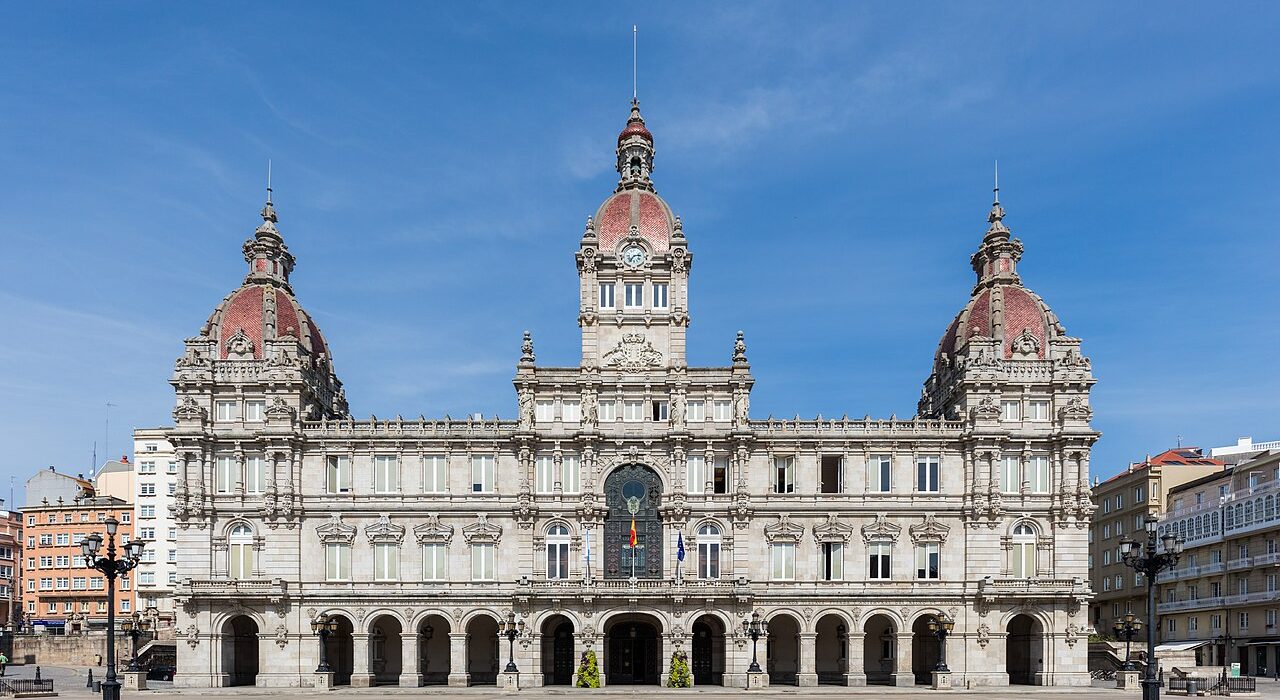
Vigo → A Coruña
156 kmTraveling the Galician coastline from the vibrant south of the Rías Baixas to the northern, windswept city of A Coruña is one of the most authentic experiences you can have in northwestern Spain. This journey is not just a 156-kilometer transfer; it is a visual voyage where the Atlantic Ocean changes its temperament and the rías (coastal inlets) carve their way through green valleys and cliffs, offering a quick yet richly nuanced connection between two of Galicia’s most important cities.
How to Get from Vigo to A Coruña: Quick Overview
The best option for traveling from Vigo to A Coruña depends entirely on whether you prioritize speed, price, or freedom of movement along the way. If you are looking for maximum speed and comfort without worrying about traffic, the Renfe MD train is unbeatable at just 88 minutes of travel time; however, if your goal is to save money or you have schedule flexibility, the bus offers fares starting at €14.55, while the car is the undisputed choice for those who want to explore intermediate stops with complete autonomy.
For the business traveler or the tourist short on time, the clear recommendation is the train, specifically the MD services that connect Vigo Urzaiz directly with A Coruña station in under an hour and a half. Conversely, families or groups of friends who want to enjoy a road trip and savor the Galician landscape at their own pace will find a private vehicle to be their best ally, especially because the highways on this route are toll-free and allow easy detours to coastal towns. The bus stands out as the solid budget alternative, ideal for backpackers or travelers who do not need extreme speed and prefer a fixed, competitive price over the volatility of fuel costs.
By Car from Vigo to A Coruña
Driving from Vigo to A Coruña means covering a distance of 156 kilometers, which takes approximately 1 hour and 40 minutes using a completely toll-free highway network. The route is mainly structured around the A-55, which takes you out of Vigo heading north, then connecting with the A-57 and the A-54 to skirt around Santiago de Compostela, and finishing the journey toward your destination via the A-6, the Autovía del Noroeste (Northwest Highway).
One of the great advantages of this driving route is the total absence of tolls, which means the cost of the trip is strictly limited to fuel and vehicle wear and tear. Leaving Vigo, you will take the A-55, known as the Autovía Vigo-Frontera Portuguesa (Vigo–Portuguese Border Highway), which allows you to quickly leave behind the initial urban density. As you progress, the connection with the A-57, or Autovía do Atlántico (Atlantic Highway), offers you panoramic views of the interior of the Rías Baixas, a landscape that changes dramatically from Albariño vineyards to the eucalyptus and oak forests typical of inland Galicia.
Subsequently, the A-54, which links Lugo with Santiago de Compostela, acts as the central axis of the journey, allowing you to pass near the cultural capital of Galicia without having to enter its urban traffic if you do not wish to. Finally, merging onto the A-6 takes you straight toward A Coruña. It is important to keep in mind that, although the estimated time is 1 hour and 40 minutes, this may vary slightly depending on weather conditions, as rain is a frequent companion in this area and may require more cautious driving, especially on the stretches of the A-6 approaching the northern coast.
By train from Vigo to A Coruña
The train is the fastest option for getting from Vigo to A Coruña, with journeys that can take just 88 minutes thanks to the Media Distancia (MD) services operated by Renfe. The rail offering is extensive and comfortable, with a total of 19 daily trains covering this route, providing excellent schedule flexibility for any type of traveler, from early risers to those who prefer to travel at dusk.
The services are mainly divided into two categories based on speed and stops. MD trains are the champions of speed, with 10 daily frequencies that complete the journey in 88 minutes, making them ideal for those who have a meeting or a flight they cannot miss. On the other hand, there are 9 Regional trains per day that take 119 minutes; this option is perfect if you are not in a hurry and prefer a more leisurely trip, possibly with more intermediate stops to enjoy the scenery from the window. The departure schedule starts very early, with the first train leaving at 5:08 in the morning from Vigo Urzaiz station, and extends well into the night, with the last service at 21:50.
The experience on Renfe trains tends to be very positive due to the comfort of the seats and the stability of the route, which avoids road traffic jams. The origin station, Vigo Urzaiz, is well connected to the center of Vigo, and arrival at A Coruña station leaves you at a strategic point to continue toward your final destination in the city of Hercules. It is advisable to book in advance, especially for morning MD trains, as they tend to have high demand from regular travelers.
By bus from Vigo to A Coruña
The bus is the most economical alternative for traveling between Vigo and A Coruña, with fares ranging from €14.55 to €20.54 depending on how far in advance you book and current demand. The main companies operating this route are Monbus and Flixbus, two operators that have democratized ground transportation in Galicia by offering modern and reliable services.
The average bus journey duration is 135 minutes, which amounts to about 2 hours and 15 minutes on the road. Although it is somewhat slower than the MD train or a private car, the time difference is acceptable for many travelers in exchange for the significant savings on the ticket price. Buses are usually long-distance vehicles equipped with air conditioning and luggage space, making them comfortable even for journeys of more than two hours.
This option is especially attractive for students or budget-conscious travelers who do not need the urgency of the train. By choosing the bus, you secure a fixed price with no last-minute surprises, unlike the variable cost of gasoline or tolls (even though there are none on this route, fuel fluctuates). Additionally, both Monbus and Flixbus tend to have central stops or easy connections with urban transport in both cities, facilitating the “last mile” of your trip.
Recommended stops along the way
If you decide to make the journey by car, the route is dotted with charming towns that deserve a pause to stretch your legs, grab a coffee, or even enjoy a meal featuring local produce. Below, we detail the verified stops you can include in your itinerary to turn the drive into a mini sightseeing route.
- Redondela: Located just north of Vigo, Redondela is the first logical stop and offers a setting where the sea blends with the estuary. It is an ideal spot to see the famous railway viaducts that cross the estuary and soak up the seafaring atmosphere before heading out on the road.
- Marín: Very close to Redondela, Marín is known for its important naval academy and its fishing port. Stopping here lets you breathe in the salty Atlantic air and see up close the activity of the boats working in the Pontevedra estuary.
- Vilagarcía de Arousa: A little further north, Vilagarcía is an elegant town with a beautiful seafront promenade. It is a perfect place for a longer break, perhaps to try some fresh seafood tapas, as it is a top-tier gastronomic area in the Rías Baixas.
- Pontevedra: A provincial capital and one of the most beautiful cities in Spain, Pontevedra is a must-stop if you have time. Its pedestrianized historic center is a haven of peace, and its strategic location makes it the perfect link between southern and northern Galicia.
- A Estrada: This stop takes you inland, breaking up the coastal monotony. A Estrada is known for its thermal spa tradition and its green surroundings, offering an interesting contrast if you are looking to get away from the bustle of the more touristy coastal areas.
- O Milladoiro: As we approach Santiago de Compostela, O Milladoiro serves as a key residential and service area. It is an important geographic landmark that marks the entrance to the Santiago metropolitan area, ideal for a quick technical stop.
- Bertamiráns: Located in the municipality of Ames, very close to Santiago, Bertamiráns is another town that serves as a gateway to the Compostela capital. It is a frequent transit area that connects well with the main highways, making it easy to head north without entering the center of Santiago.
- Carballo: Almost at the end of the journey, Carballo is the capital of Bergantiños and the last major stop before reaching A Coruña. It is famous for its market and for being the gateway to the Costa da Morte (Coast of Death), offering a wilder, windier landscape that heralds the arrival to the city of Hercules.
Where to stay in A Coruña
For accommodation in A Coruña, the most recommended areas depend on whether you are looking for nightlife, tranquility, or proximity to the beach, with price ranges varying from budget options to luxury hotels. The city center, especially around Calle Real and Plaza de María Pita, is ideal for those who want to be within walking distance of everything, with a range of mid-range and upscale urban hotels and tourist apartments, where prices tend to be higher due to the prime location.
If you prefer a more relaxed atmosphere and sea views, the Orzán and Riazor area is perfect, as it allows you to wake up facing the city’s most famous urban beaches. In this area you will find hotels with ocean views and guesthouses with more moderate prices, ideal for couples or travelers who enjoy morning walks along the sand. On the other hand, for travelers on a tighter budget or those traveling by car looking for easy parking, peripheral areas such as Matogrande or the area around the Riazor stadium offer more affordable and accessible accommodation options, although you will need to use public transport or a taxi to reach the historic center.
Frequently asked questions about the Vigo-A Coruña route
How long does it take to get from Vigo to A Coruña?
Travel time varies depending on the mode of transport: by car it takes approximately 1 hour and 40 minutes covering 156 km; by train, the fastest service (MD) takes 88 minutes, while the Regional takes 119 minutes; and by bus, the average duration is 135 minutes.
Which is cheaper, the train or the bus?
Generally, the bus is the cheapest option, with prices ranging from 14.55€ to 20.54€ with companies such as Monbus and Flixbus. The train can be competitive if booked in advance, but the bus offers more consistently low fares for the occasional traveler.
Is it worth renting a car?
Yes, it is worth renting a car if you plan to go sightseeing in intermediate stops such as Pontevedra, Vilagarcía or Carballo, as it gives you total freedom. In addition, the main roads (A-55, A-57, A-54, A-6) are toll-free highways, which lowers the cost of the journey compared to other routes in Spain.
When is the best time to travel?
The best time to travel is during spring and summer to enjoy the good weather at the coastal stops, although the train is an excellent option all year round as it avoids the possible rain or fog that can affect driving in winter. To avoid crowding on the train, it is recommended to avoid peak times on Fridays and Sundays.