How to get from Vigo to Santiago de Compostela: quick summary
The road distance between Vigo and Santiago de Compostela is exactly 90 kilometers, a journey that takes approximately 1 hour by car. For travelers who prefer not to drive, there is a direct bus option connecting both cities efficiently, although no direct train or air connections are available for this specific route. The recommended transport depends entirely on your profile: if you value freedom of movement and want to arrive in the shortest time possible, the car is the undisputed choice; if you prefer to avoid driving and traffic stress, the direct bus is the practical alternative you should consider.
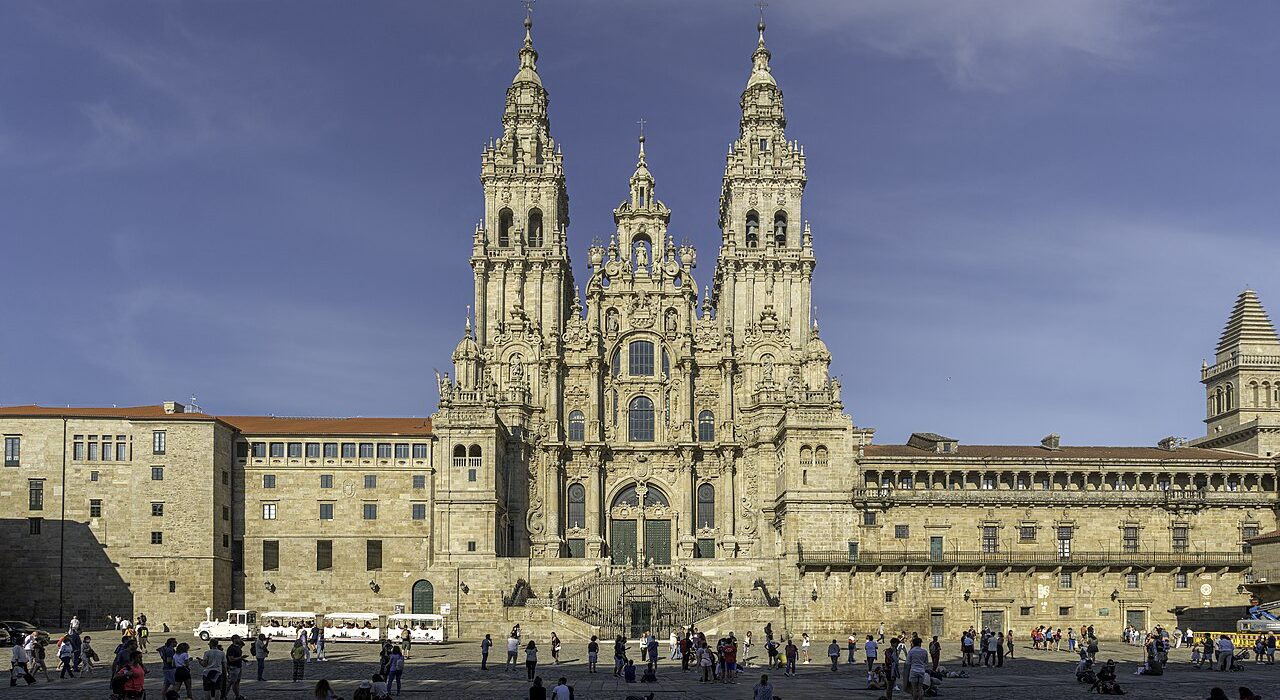
This trip is one of the most common in Galicia, linking two of the region’s most important cities. As it is a short journey of just one hour, it makes for an ideal day trip both for tourists wishing to visit the Cathedral (Catedral) and for residents needing to travel for business or family visits. Below, we break down all available options based strictly on verified data so you can plan your trip with total confidence.
By car from Vigo to Santiago de Compostela
The drive from Vigo to Santiago de Compostela covers a distance of 90 km and has an estimated driving time of 1 hour. Since we do not have specific names of roads or highways in the verified data, we will focus on the general experience of the route. Leaving Vigo, you will enter a path that crosses the characteristic Galician landscape, combining more urban areas with stretches of greater fluidity that allow you to maintain a constant speed.
The main advantage of making this trip in a private vehicle is flexibility. You are not dependent on fixed schedules and can manage your stops according to your own pace. However, it is important to consider arrival in Santiago. The city’s historic center has traffic restrictions and areas that are difficult to access for unauthorized vehicles. It is recommended to look for parking in peripheral zones or use designated public parking lots near the monumental area to avoid fines or circulation problems on the cobblestone streets of the old town.
The cost of traveling by car is limited mainly to fuel and vehicle wear, as there is no verified information on mandatory tolls for this specific route according to the provided data. This makes the car a very competitive option in terms of cost if you are traveling with companions, sharing gasoline expenses among several passengers. Furthermore, the 1-hour travel time is highly competitive compared to other options, as it represents door-to-door time without waits at stations or transfers.
By bus from Vigo to Santiago de Compostela
Monbus operates the direct bus between Vigo and Santiago de Compostela, with departures approximately every 2 hours throughout the day. The journey lasts around 1h 25min (the fastest services complete it in just over 1 hour), and the ticket costs between €7 and €16 depending on the schedule and how far in advance you book.
Buses depart from the Vigo Bus Station (Estación de Autobuses de Vigo) and arrive at the Santiago Intermodal Station (Estación Intermodal de Santiago). You can purchase tickets at monbus.es, via the app, or at the ticket office; the buses are equipped with WiFi and USB charging ports.
By train from Vigo to Santiago de Compostela
According to the verified data provided for this guide, there is no direct train connecting Vigo with Santiago de Compostela. Therefore, this section is intentionally omitted to avoid confusion with unverified information. Travelers expecting to use the railway for this specific route must seek alternatives, with the bus being the confirmed public transport option. This lack of a direct rail connection is a key factor when planning the trip, as it eliminates an option that is usually very popular on other Spanish routes.
Flying from Vigo to Santiago de Compostela
There are no flight connections available between Vigo and Santiago de Compostela. Given the short distance of 90 kilometers and a driving time of just 1 hour, air travel is neither viable nor operational for this route. Consequently, this section is excluded from the guide, focusing exclusively on ground transportation options, which are the only practical and available means of connecting these two Galician cities.
Recommended stops along the way
Verified data for this route does not include information on specific recommended stops between Vigo and Santiago de Compostela. This does not mean there are no interesting places, but to maintain the accuracy of this guide based strictly on the provided data, we will not include recommendations for unverified towns or viewpoints. As the journey takes only 1 hour, its nature is more about quick transit than stopover tourism, which aligns with the lack of listed stops in the source information.
If you are traveling by car, the general recommendation is to enjoy the Galician landscape during the one-hour drive. The absence of official stops in the data suggests that the most efficient approach is to complete the journey continuously to maximize your visiting time at the final destination, Santiago de Compostela, where the main cultural and religious attractions are concentrated.
Where to stay in Santiago de Compostela
For overnight stays in Santiago de Compostela, several areas are recommended depending on your budget and preferences, although no specific hotels are listed in the data. The most sought-after area is the Casco Histórico (Historic Quarter), which allows you to be just a few minutes’ walk from the Cathedral and the Plaza del Obradoiro. Staying here offers an immersive city experience, although prices tend to be higher and rooms may be smaller due to the nature of the historic buildings.
Another viable option is the modern or peripheral area of the city. Here you will find larger types of accommodation, such as chain hotels or tourist apartments, which often offer better price ranges per category compared to the historic center. This area is ideal if you are traveling by car, as it facilitates parking and access to your lodging without having to deal with the traffic restrictions in the monumental center. Price ranges vary significantly depending on the season, being higher during pilgrimage periods or religious events.
In terms of categories, you can find everything from budget hostels for travelers with tight budgets to four- or five-star hotels for those seeking greater comfort. The practical recommendation is to book in advance, especially if you are traveling during the best time of year, as availability in Santiago can decrease rapidly due to its popularity as a pilgrimage and cultural tourism destination.
Where to eat along the route
There is no verified data on specific gastronomy along the route between Vigo and Santiago de Compostela. Therefore, no typical stopover dishes or average prices per person are described for this stretch. The culinary recommendation focuses on enjoying the local cuisine once you reach your destination, Santiago de Compostela, or in Vigo before departing. As this is such a short 1-hour journey, it is uncommon to make technical stops exclusively for meals, so the gastronomic experience is best enjoyed at either end of the trip.
Best time to take this trip
The best time to travel from Vigo to Santiago de Compostela is during spring and autumn. These two periods of the year offer the most balanced conditions for covering the 90 km journey and enjoying the arrival city. In spring, temperatures begin to become pleasant and the Galician landscape shows off its full greenery, making the 1-hour drive especially visually enjoyable.
Autumn is also a privileged season, avoiding the excessive heat that can occur on some summer days and the more intense and persistent rains of winter. Traveling in these seasons allows you to avoid the massive tourist crowds that occur in July and August, facilitating both driving and access to services in Santiago. Furthermore, natural light in spring and autumn is excellent for photography and enjoying outdoor spaces, something fundamental if you plan to visit the city’s gardens or squares upon arrival.
Choosing these seasons also positively impacts accommodation availability. As it is not the high summer season, it is more likely to find more competitive price ranges and a greater supply of available rooms in the recommended areas to stay. It is practical advice to take advantage of these time windows to combine a comfortable road trip with a quality tourist stay.
Frequently asked questions about the Vigo-Santiago de Compostela route
How long does it take from Vigo to Santiago de Compostela?
According to verified data, the driving time is exactly 1 hour to cover the 90 kilometers of distance. If you opt for the direct bus, the time may vary slightly depending on traffic and stops, but it remains in a similar duration range, being a very short and efficient journey.
What is cheaper, the train or the bus?
Based on the information provided, there is no direct train available for this route, so price comparison is not possible. The only verified public transport option is the direct bus, which automatically becomes the economical alternative compared to the cost of fuel and wear and tear of a private car.
Is it worth renting a car?
Renting a car is worth it if you value flexibility and want to complete the 90 km in exactly 1 hour without depending on schedules. Since there are no recommended stops listed on the route and the journey is direct, the car is ideal for those who want to maximize time at the destination. However, if you prefer not to drive, the direct bus is a completely valid and available option.
When is the best time to travel?
The direct answer based on the data is that the best time to make this trip is spring and autumn. These seasons offer the best climatic balance for driving and sightseeing, avoiding the intense rains of winter and the summer crowds.
📍 También te puede interesar
Qué ver en Vigo →
Qué ver en Santiago de Compostela →