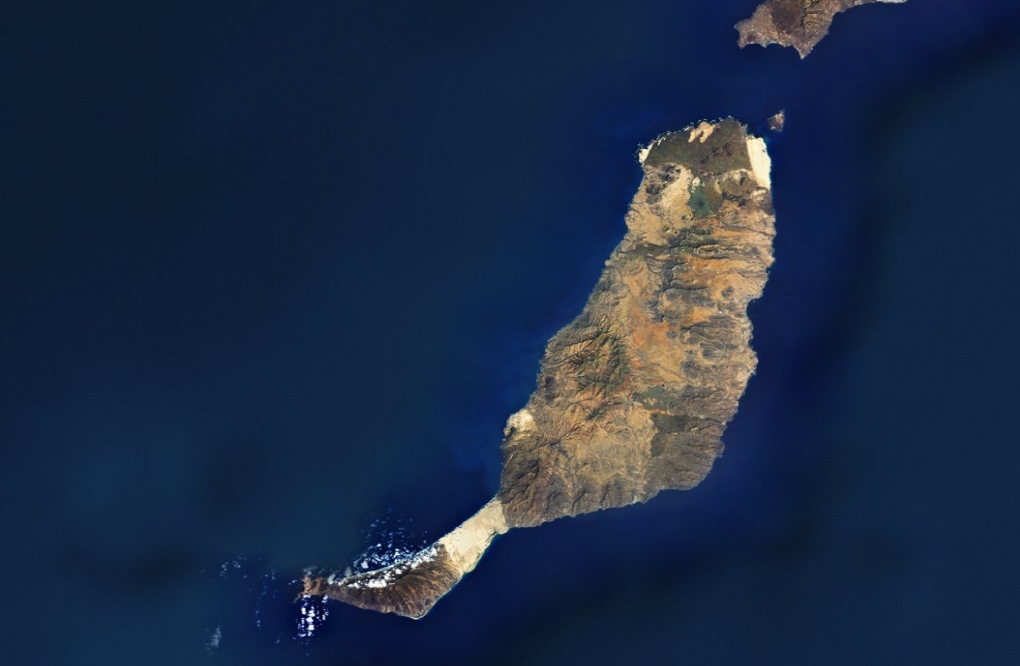
Fuerteventura
CanariasClimate
Daily budget
Forget the idea that islands are just for lounging on a towel; Fuerteventura is a living lesson in geology and resilience where the wind sculpts landscapes that seem otherworldly. This Canary Island, with its 120,000 inhabitants scattered among extinct volcanoes and endless coastlines, challenges you to explore corners where the history of the ancient Majos kings blends with 18th-century military architecture. It is not just a sun-and-beach destination; it is a vast territory where the dunes of Corralejo rival the beauty of the sacred mountains of the north, offering an experience that goes far beyond conventional sun-and-sand tourism.
The must-seesWhat to see in Fuerteventura: the essentials
If you are short on time but want to take away the essence of the island, these are the places you cannot miss. I have selected the most iconic spots based on their historical and natural significance, ensuring that each visit leaves an indelible mark.
Jandía Peninsula
This peninsula forms the southern tip of Fuerteventura and represents the island’s clearest evolution, transforming from an isolated fishing enclave into a consolidated tourist destination without losing its soul. What stands out here is the unique combination of extensive white-sand beaches with volcanic landscapes protected within the Jandía Natural Park and the island’s Biosphere Reserve. The territory includes unmissable historical landmarks such as the Jandía Lighthouse, built in the 19th century, and preserves a fascinating ethnographic heritage linked to seafaring traditions and the ancient salt pans that can still be traced in the area.
Casa Winter
Located on Cofete Beach, this mansion was the residence of German engineer Gustav Winter and is perhaps the most enigmatic building on the island. The structure is impressive, featuring a towering spire and panoramic windows that offer spectacular views of the horizon, perfect for grasping the magnitude of the surrounding landscape. Its exclusive interior includes dining rooms with fireplaces and rooms arranged around an inner courtyard, allowing you to immerse yourself in a journey through the controversial history of the Jandía Peninsula and the secrets hidden within its walls.
Tindaya Mountain
Considered a sacred mountain by the ancient aborigines of Fuerteventura, this natural monument is a place of cultural respect and admiration. It stands out for its unusual square shape, rare in volcanic geology, and for housing more than 300 foot-shaped petroglyphs that testify to ancestral human presence. Access to this Natural Monument near La Oliva is regulated to preserve its cultural and natural heritage, so it is essential to check beforehand before attempting to climb, to avoid damaging this historical sanctuary.
Cofete Beach
This is a wild, untouched beach stretching 12 km along the Jandía Peninsula, world-famous for its spectacular beauty and completely isolated atmosphere. Visiting it, you will feel the force of the Atlantic Ocean in a setting where golden sand meets vertical cliffs, creating a dramatic scene ideal for photography and total disconnection. It is the perfect place for a leisurely walk, making you feel as if you are at the end of the world, far from tourist crowds.
Corralejo Natural Park
This park protects an impressive field of white sand dunes extending alongside turquoise waters of an almost impossible hue. It is the ideal spot for landscape photography and for wind sports enthusiasts, such as kitesurfers, who take advantage of the constant currents in the northern area. The experience of walking among the shifting dunes while the sea breaks just meters away is one of the most iconic sights you can find throughout the Canary archipelago.
Other Points of Interest
Beyond the major landmarks, the island is dotted with smaller gems worthy of a quick mention on your itinerary. Pico de la Zarza, standing at 807 meters, is the island’s highest peak located in the south, offering routes like PR FV-54 to observe volcanic landscapes. El Cotillo is a traditional fishing village in the northwest, known for its natural lagoons and the historic Tostón Lighthouse, maintaining its fishing essence. Morro Jable has established itself as the southernmost resort town, serving as a hub with a port and extensive beaches. Faro del Tostón, inaugurated in 1897 and modified in 1955 by doubling its original height of 6.5 meters, watches over a landscape of black rocks and crystal-clear lagoons. Faro de la Entallada, in Tuineje, is an 11-meter square tower built in the 50s that marks the eastern coasts. La Casa de los Coroneles (House of the Colonels), an 18th-century building in La Oliva, was the official residence of the colonelcy and is now a Cultural Space. Oasis Wildlife Fuerteventura is a large zoological and botanical park featuring shows and animal interactions. The Museo del Queso Majorero (Majorero Cheese Museum) explains the history and production of the island’s star product. The Mirador de Guise y Ayose features two statues of ancient kings and panoramic views of the interior. Whale watching allows you to spot dolphins and whales in the crystal-clear waters. Isla de Lobos is a nearly uninhabited nature reserve perfect for day trips. Las Cuevas de Ajuy contain the oldest rock formations in the Canary Islands. La Oliva is a strategic municipality for discovering northern architecture. Finally, Betancuria, the former capital, is a picturesque town with a well-preserved historic center and the Church of Santa María.
🍂 Otoño
Si visitas Fuerteventura en otoño, el clima sigue siendo excelente y el mar está aún caliente. Es otra de las mejores épocas para visitar la isla con menos aglomeraciones. Lleva algo de abrigo ligero por si refresca por la noche o hace viento.
What to Do in Fuerteventura
Fuerteventura offers specific activities ranging from cultural immersion in its markets to sporting adventures along its coasts and mountains. You can immerse yourself in local life by visiting the Mercado de Corralejo, a popular market with crafts, clothing, and local products ideal for buying souvenirs, or the Mercado de las Tradiciones de La Oliva, focused on local produce and gastronomy in a traditional setting. For party lovers, the Carnival of Fuerteventura in February or March is unmissable, celebrated in all towns but highlighted by parades in Puerto del Rosario, Corralejo, and Gran Tarajal. If you prefer religious and cultural tradition, the Romería de la Virgen de la Peña in September is the island’s most important festival, a massive pilgrimage to Vega de Río Palmas in honor of the patron saint. Additionally, do not miss the opportunity to take excursions for whale watching, where marine fauna includes dolphins and whales inhabiting the crystal-clear waters, allowing for responsible sightings from equipped boats.
Fuerteventura in a Day: Express Itinerary
If you only have 24 hours, this itinerary is designed to let you see the best of the north and center without rushing too much, making use of main roads like the FV-1 and FV-3.
- 09:00 – Corralejo Natural Park: Start your day with energy by walking among the white dunes and enjoying the sea views before the midday heat arrives.
- 11:30 – La Oliva and Casa de los Coroneles (House of the Colonels): Head north to visit this emblematic 18th-century building, a witness to military and political dominance, and take the opportunity to see the nearby Mirador de Guise y Ayose viewpoint.
- 14:00 – Lunch in La Oliva: Take advantage of the traditional setting to try local gastronomy around the Mercado de Tradiciones (Traditions Market).
- 16:00 – Montaña de Tindaya: Visit this sacred natural monument to see its rock engravings and unique square shape, remembering to respect the regulated access rules.
- 18:30 – Sunset in El Cotillo: End the day in this fishing village, enjoying the natural lagoons and the historic Tostón Lighthouse as the sun sets over the Atlantic.
Where to Eat in Fuerteventura: Local Gastronomy
Where to Sleep in Fuerteventura
Corralejo
Principal centro turístico con muchas tiendas, restaurantes y vida nocturna, junto a las famosas dunas.
Morro Jable
Zona ideal para familias y amantes de la playa, con un largo paseo marítimo y ambiente relajado.
El Cotillo
Pueblo marinero con encanto, famoso por sus playas vírgenes, lagunas tranquilas y ambiente bohemio.
Caleta de Fuste
Destino muy popular para familias por su playa resguardada, servicios y ubicación céntrica en la isla.
How to Get to Fuerteventura
The island is well connected, mainly through its international airport, although it is also accessible by sea if you are already on another island in the archipelago. Most international and mainland travelers land directly at Fuerteventura Airport (FUE). If you prefer to arrive from other Canary Islands, there are maritime connections, such as the one linking Morro Jable with Gran Canaria via ferry.
| Medio | Duración | Precio aprox. | Frecuencia |
|---|---|---|---|
| Avión (Aeropuerto FUE) | Variable según origen | Variable | Diaria (Vuelos nacionales e internacionales) |
| Barco (Morro Jable – Gran Canaria) | Trayecto en barco | Variable | Regular |
How to Get Around Fuerteventura
To explore the island freely, public transport is a viable option though it requires planning. The Puerto del Rosario Bus Station is the central hub of the network, operated mainly by the company Tiadhe. There is also an urban bus service for getting around larger towns. However, if you want to visit remote places like Casa Winter in Cofete or the Cuevas de Ajuy, the most practical approach is to use main roads like the FV-1, FV-2, FV-3, and FV-10, which suggests that renting a car is the most recommended option for travelers who want to see everything the island has to offer without depending on fixed schedules.
Weather in Fuerteventura
Best time to visit Fuerteventura
Day trips from Fuerteventura
Although Fuerteventura has plenty to offer on its own, its location in the Canary Islands allows for day trips to other cities in the region if you have extra time. You can plan excursions to nearby islands by taking advantage of available ferry connections, contrasting Fuerteventura’s arid landscape with the lush vegetation found elsewhere in the archipelago. It is a perfect opportunity to expand your Canarian experience beyond the limits of this single island.
Who is Fuerteventura for?
Fuerteventura is a versatile destination that suits many types of travelers, but it truly shines for those seeking nature and open space. It is ideal for families, thanks to areas like Caleta de Fuste and Morro Jable, which offer safety and amenities. It is also a paradise for water sports enthusiasts and wind lovers, especially in Corralejo. Budget-conscious travelers will find a charming refuge in El Cotillo, while foodies and history buffs will enjoy exploring cheese museums, the Casa de los Coroneles (House of the Colonels), and traditional villages like Betancuria. It is not a typical luxury “all-inclusive” resort destination, but rather a place for those who value authenticity and wide-open landscapes.
Frequently asked questions about Fuerteventura
How many days do I need to see Fuerteventura?
To see the essentials such as Corralejo Natural Park, the Jandía Peninsula, and Mount Tindaya, at least 4 or 5 days are recommended. If you want to thoroughly explore all the pristine beaches, historic lighthouses, and museums like Casa Winter, the ideal plan is a full week to leisurely drive along the FV-1 and FV-2 roads.
Is Fuerteventura expensive?
Fuerteventura can accommodate different budgets. An average meal costs between €12 and €20. For accommodation, hostels range from €20 to €35 per night, while a 3-star hotel costs between €60 and €100. Four and five-star hotels can range from €100 to €250 per night, making it an accessible destination if you avoid the high season in late summer.
What is the best time to visit Fuerteventura?
According to climate data, the best time is Spring and Autumn, when temperatures are pleasant without being excessive. Winter is also very mild with averages of 20°C. It is recommended to avoid late summer if you wish to escape the highest tourist influx and elevated prices.
How do I get to Fuerteventura from Madrid?
The most direct way is to fly to Fuerteventura Airport (FUE). There are no direct train or road connections due to the island’s location. Once on the island, you can take a bus from the Puerto del Rosario station operated by Tiadhe or rent a car to travel along the main roads.