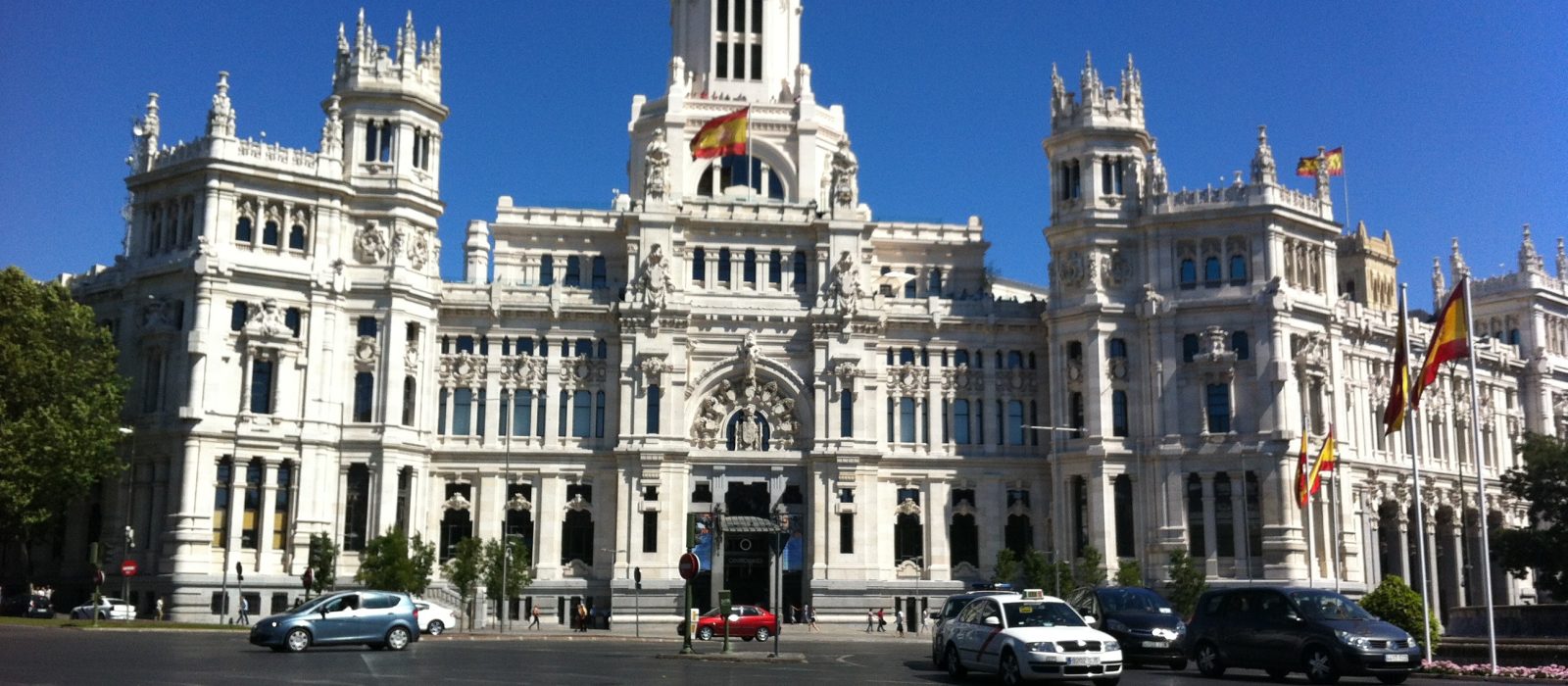
Fuerteventura → Madrid
How to get from Fuerteventura to Madrid: a quick overview
The journey is made by plane or ferry because Fuerteventura and the Spanish mainland are separated by the sea; flying is the fastest option, with a flight time of approximately 2 hours and 45 minutes. Since there is no land connection, travellers must choose between the speed of air travel or the cargo and vehicle capacity offered by the sea route.
Here is a direct comparison of the available options so you can see the main differences at a glance:
| Medio | Duración | Precio aprox. | Frecuencia |
|---|---|---|---|
| Avión (Vuelo directo) | 165 min (aprox. 2h 45m) | 25€ – 240€ | ~3 vuelos al día |
| Ferry (Ruta Cádiz) | Travesía de larga duración | 29€ – 115€ (pasajero) | Frecuencia no especificada |
To decide which is the best option for you, consider your traveller profile. If you are short on time and value efficiency, flying is the only sensible recommendation, as it gets you to the capital in under three hours of actual flight time. If you are travelling with a car and need your vehicle on the mainland, the ferry is the only possible way, although it involves much more complex logistics upon arrival in Cádiz. Finally, if you are looking for the absolute lowest price and have flexible dates, Ryanair flights can offer fares from €25, though the ferry also competes in the lower price ranges for passengers without a vehicle.
Flying from Fuerteventura to Madrid
The direct flight is the most common and widely used option, mainly operated by airlines such as Iberia and Ryanair, with an average flight time of 165 minutes. This route connects Fuerteventura Airport (IATA code: FUE) directly with Adolfo Suárez Madrid-Barajas Airport (IATA code: MAD), eliminating the need for stopovers in most cases.
According to operational data, Iberia maintains a strong presence on this route with several daily direct flights, identifiable by codes such as IB1521 and IB1525. Ryanair, for its part, appears as a popular alternative, especially for travellers who prioritise savings, offering fares that can start from €25. It is important to note that the price range can vary significantly; while low-cost deals are very competitive, in high season or on specific dates such as December, prices can rise to €240, especially if they include fares with stopovers or specific baggage conditions.
In terms of frequency, you can count on approximately 3 flights a day covering this connection. This offers some flexibility when planning your departure, although booking in advance is recommended to secure the best fares. Once you land at Barajas Airport (MAD), getting to the city centre is straightforward. Although the exact time depends on traffic and your chosen means of transport (metro, bus or taxi), the connection is well established to welcome passengers arriving from the islands.
By ferry from Fuerteventura
The boat departs from Fuerteventura and does NOT arrive in Madrid, but rather at the port of Cádiz, from where you must continue the journey by road or train to the capital. This is a crucial distinction when planning your route, as the ferry only covers the sea leg between the islands and the mainland.
The shipping company operating this route is Baleària, running the connection between Puerto del Rosario in Fuerteventura and the port of Cádiz. One of the great advantages of this option is that it allows you to take your car on board, which is ideal for long journeys or relocations. However, you should bear in mind that prices are not directly comparable between passengers and vehicles: the fare for a foot passenger ranges from €29 to €115, while bringing a car involves an additional cost that varies depending on the size of the vehicle and the season.
As for the duration of the crossing and the frequency, the specific sailing times are not detailed in the current information, although it is a long-distance route that requires planning. Upon arriving in Cádiz, the traveler is several hundred kilometers from Madrid, so the “total travel time” includes not only the hours at sea but also the subsequent overland journey. According to the data provided, there are no alternative ports with direct connections to Madrid from Fuerteventura, making Cádiz the main entry point for this option.
Plane or ferry? Which one suits you best
An honest comparison based on the data shows that the plane wins by a landslide in total door-to-door time, while the ferry is the exclusive solution for those who need to move their own vehicle. If you are taking your car, the ferry is the only viable option to avoid renting one at your destination or selling yours, but you must accept the cost and the time required to travel from Cádiz to Madrid.
In terms of price, both means of transport can be economical if you catch the right deals. A Ryanair flight from €25 is hard to beat for a solo passenger, but if you are traveling as a family with a large car, the cost of several plane tickets plus a car rental in Madrid could exceed the price of the ferry. Luggage is another decisive factor: on the plane, low-cost fares usually come with strict baggage restrictions, whereas on the ferry you can load your car boot with practically everything you need without excessive weight limits per person.
Flexibility also favors the plane, thanks to a frequency of around 3 daily flights, compared to an unspecified ferry frequency that is likely lower. If your priority is to arrive quickly for a meeting or to make the most of a short weekend break, the 165-minute flight duration is unbeatable.
Taking your car on the ferry
The data confirms that the shipping company Baleària allows you to take your car on the route from Fuerteventura to Cádiz. To do so, you must go to the Puerto del Rosario port with enough time to complete the vehicle check-in process. This involves presenting the car’s documentation and passing the relevant security checks before the vehicle is stowed in the ship’s hold.
The process involves an additional cost on top of the passenger ticket, and the price varies depending on the dimensions of the car. Once in Cádiz, the vehicle is available for you to continue the journey to Madrid by road. This gives you the freedom to move around the peninsula without depending on public transport or car rentals, although you must factor in the driving time from the Andalusian port to the capital, as it is not a short journey.
Where to sleep in Madrid
Madrid offers a wide variety of areas to stay, each with its own character and price range. For a first visit, the areas near the historic centre are the most recommended for their proximity to the main gastronomic and cultural points of interest.
- Centro and Sol: Ideal for those who want to be in the heart of the action. It is perfect for going out for tapas and visiting the Plaza Mayor (Main Square), although prices per night tend to be higher due to high tourist demand.
- Barrio de las Letras (Literary Quarter): A bohemian and literary area very close to the centre, full of charming restaurants and cobbled streets. It offers a balance between tranquillity and nightlife.
- Malasaña and Chueca: Vibrant areas known for their alternative atmosphere, designer shops and intense nightlife. They are excellent options for young travellers or those seeking a modern vibe.
- Salamanca: If you are looking for something more exclusive and quiet, this neighbourhood offers higher-category accommodation, although prices are significantly higher.
As for price ranges, these vary enormously depending on the category of accommodation and the time of year. You can find budget hostels for tight budgets, three-star hotels with mid-range prices, and luxury hotels in the Salamanca area or around the Gran Vía. Booking in advance is recommended, especially if you are travelling in spring or autumn, which are very busy seasons.
What to eat in Madrid
Madrid’s gastronomy is hearty, traditional and perfect for replenishing your energy. The typical dishes listed are essential for understanding the local culture, and you cannot leave without trying at least one of them.
- Cocido Madrileño (Madrid-style stew): This is the king of stews in the capital. It is a dish of chickpeas with various meats (such as shin of beef, pork belly and chorizo) and vegetables. The most traditional way is to serve it in “tres vuelcos” (three stages): first the soup, then the chickpeas and vegetables, and finally the meats. It is a heavy dish, ideal for lunch on cold days.
- Bocadillo de Calamares (calamari sandwich): An absolute classic you will find in almost any bar, but especially popular around the Plaza Mayor. It consists of battered and fried squid rings, served inside a crusty bread roll. It is the perfect option for a quick and cheap meal while strolling through the centre.
- Callos a la Madrileña (Madrid-style tripe): For lovers of offal, this dish consists of beef tripe slowly stewed with chorizo, black pudding and paprika. The result is a dark, thick and intensely flavourful stew, usually accompanied by a good red wine.
- Huevos Rotos (broken eggs): A simple but delicious dish consisting of fried eggs with runny yolks, placed on a bed of diced fried potatoes. It is often topped with jamón serrano (cured ham). The key is to break the yolk and mix it with the potatoes before eating.
The average price per person in a typical restaurant serving these dishes can vary, but it is generally considered a good value-for-money option, especially if you share portions or opt for the menú del día (set daily menu).
Best time to make this trip
The best time to travel from Fuerteventura to Madrid is during spring and autumn, when temperatures on the mainland are pleasant and ideal for walking around the city. During these months, the weather is mild, avoiding the extreme heat of the Madrid summer and the intense cold of winter.
However, you should bear in mind the nuances of the high season. In summer, flights and ferries to and from the islands tend to fill up quickly and prices rise considerably due to school holidays and mass tourism. If you travel during these dates, it is crucial to book well in advance to secure your spot and avoid extra costs. Similarly, in December flight prices can skyrocket to €240 due to Christmas demand.
Frequently asked questions about the Fuerteventura-Madrid route
How long does it take to get from Fuerteventura to Madrid?
The travel time depends on the chosen means of transport: a direct flight takes approximately 165 minutes (about 2 hours and 45 minutes), while the ferry involves a long-distance sea crossing to Cádiz, adding the subsequent land travel time to Madrid.
Can you go by car from Fuerteventura to Madrid?
There is no road or bridge connecting the islands to the mainland. To go by car, the only option is to take it on the Baleària ferry from Puerto del Rosario to Cádiz and then drive to Madrid.
Which is cheaper, the plane or the ferry?
It depends on the deal and your luggage. The plane can cost from €25 with Ryanair, while the ferry for a foot passenger ranges from €29 to €115. However, if you are travelling with a car, the ferry can be more competitive than adding plane tickets plus vehicle rental.
When is the best time to travel?
Travelling in spring and autumn is recommended to enjoy pleasant weather in Madrid, avoiding the price hikes and overcrowding of the summer months and December.
Which airlines fly direct?
The airlines operating direct flights on this route are Iberia and Ryanair, connecting FUE and MAD airports with an approximate frequency of 3 daily flights.
📍 También te puede interesar
Qué ver en Fuerteventura →
Qué ver en Madrid →