Avilés
AsturiasClimate
There are few places in Spain where the medieval history of fishermen and the architectural futurism of Oscar Niemeyer coexist along the same estuary. Avilés is that unique city, capable of transporting you from the 12th century to the 21st in a single stroll, with a protected historic center that rivals the finest in Asturias and a cutting-edge cultural scene that draws visitors from around the world.
The must-seesWhat to see in Avilés: the must-sees
Oscar Niemeyer International Cultural Center
This masterpiece is the only work by the Brazilian architect in Spain, designed as a token of gratitude for the Prince of Asturias Award for the Arts he received in 1989. The complex, located at Avenida del Zinc, s/n, stands out for its white curves that contrast with the industrial surroundings and includes an auditorium, a dome, a tower, a plaza, and a lake beside the estuary. It is the cultural meeting point par excellence and offers unparalleled panoramic views from its tower.
Avilés Historic-Artistic Ensemble
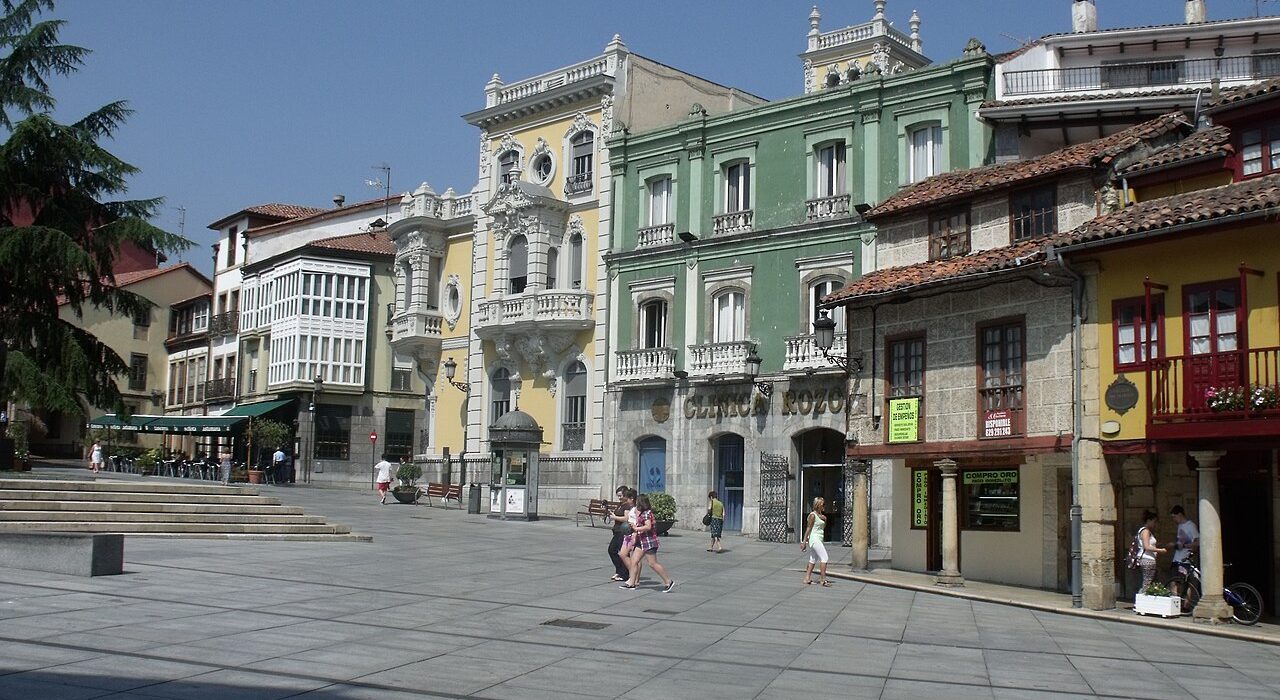
Declared a historic-artistic ensemble on May 27, 1955, this area protects the medieval town and its famous arcaded streets, considered one of the best old quarters in Asturias. The route includes civil and religious buildings along emblematic streets such as Galiana, Rivero, La Ferrería, San Francisco, Pedro Solís, and Palacio Valdés. To make the most of your visit, you can arrange guided tours from the Visitor Reception Center located at 21 Ruíz Gómez Street.
Sabugo Quarter
This historic quarter was the settlement outside the walls that protected the town for centuries, originally established as a fishing village. It retains an unmistakable atmosphere tied to its seafaring tradition and preserves medieval traces in its urban layout, with the Church of San Nicolás de Bari serving as the architectural reference point for its development beyond the original walled enclosure.
Hermitage of San Roque and Santa Apolonia
Located in the Villalegre neighborhood, this hermitage is a notable monument with UNESCO recognition. It is a point of religious and heritage interest worth visiting to understand local devotion and the area’s religious architecture.
Palacio Valdés Theater
This theater is a Site of Cultural Interest that represents the city’s cultural and performing arts life. Its façade and structure bear witness to the importance the performing arts have historically held in Avilés’s social development.
Other points of interest
- Museum of Avilés Urban History: Located on La Ferrería Street, opposite the Church of San Nicolás, it traces the town’s evolution from its earliest foundations.
- Camposagrado Square: A monumental space housing the memorial to Juan Carreño de Miranda.
- Church of Santo Tomás de Canterbury: A church declared a Site of Cultural Interest.
- Church of San Nicolás: A 12th-century Romanesque church in the heart of the seafaring quarter.
- Monument to the Constitution of 1812: A historic landmark in the city.
- Gauzón Castle: Archaeological remains of a historic monument.
- Pedro Menéndez, Adelantado of Florida Sculpture: A tribute to the famous navigator born in the town.
- Ermita de La Luz Viewpoint: An elevated spot to take in the surroundings.
- Espacio Portus: Interpretation Center of the Submarine Canyons.
🍂 Otoño
En otoño el clima se vuelve más húmedo y fresco mientras los parques se tiñen de colores. Aprovecha para probar la gastronomía local en las sidrerías del casco histórico. Abrígate bien con capas, ya que las temperaturas empiezan a bajar.
What to do in Avilés
Avilés offers specific activities ranging from enjoying its unique carnival to nature routes along its coastline. You can take part in the Celsius 232 Festival, dedicated to horror, fantasy and science fiction, or immerse yourself in the tradition of Antroxu on Calle de Galiana, where since 1988 floats have slid down the slope amid foam and water. For nature lovers, the Ruta por la Ría de Avilés (Avilés Estuary Route) offers a circular walk of 7.3 kms with a very easy difficulty level and a total elevation gain of only +32 m, allowing you to discover the historical and architectural evolution of the Asturian coastline.
Avilés in one day: express itinerary
If you are short on time, this plan will let you see the essentials of the city without rushing too much:
- 10:00 AM – Conjunto Histórico-Artístico (Historic-Artistic Ensemble): Start in Plaza de España in front of the Town Hall and walk through the arcaded streets of La Ferrería to soak up the medieval atmosphere.
- 12:00 PM – Sabugo neighbourhood: Head down to the fishermen’s quarter to visit the church of San Nicolás de Bari and enjoy the seafaring atmosphere.
- 14:00 PM – Lunch in Sabugo: Try merluza a la avilesina (hake Avilés-style) or fresh seafood in the traditional cider houses of the area.
- 16:30 PM – Centro Cultural Niemeyer: Walk towards the estuary to visit the only work by Oscar Niemeyer in Spain and have a coffee with views over the lake.
- 19:00 PM – Stroll along the estuary: End the day with a relaxed walk around the Niemeyer Centre or towards Espacio Portus.
Where to eat in Avilés: local gastronomy
Where to stay in Avilés
Casco Histórico (La Villa)
El corazón medieval y monumental de la ciudad, famoso por sus calles con impresionantes soportales y palacios aristocráticos. Es el centro neurálgico donde el ambiente histórico se combina con una excelente oferta de restauración.
Barrio de Sabugo
Antiguo e histórico barrio de pescadores situado en extramuros, con un inconfundible sabor marinero y una alta concentración de sidrerías tradicionales. Sus calles peatonales y plazas gozan de un gran ambiente social y festivo a cualquier hora del día.
El Carbayedo
Una zona pintoresca que marca la transición histórica entre la villa urbana y el entorno rural asturiano. Destaca por su animada plaza presidida por un hórreo tradicional, rodeada de magníficas sidrerías perfectas para cenar en un ambiente relajado.
Las Meanas
El pulmón verde y moderno de la ciudad, organizado en torno a un frondoso parque y un animado mercado de abastos. Es una de las mejores zonas comerciales de Avilés, ideal para pasear, comprar productos frescos locales y observar el día a día avilesino.
Llaranes
Un emblemático poblado obrero construido a mediados del siglo XX bajo el concepto de ciudad-jardín para albergar a los trabajadores metalúrgicos de Ensidesa. Conserva una fisonomía arquitectónica industrial y una sorprendente capilla prerrománica del siglo IX.
Versalles
Un barrio dinámico, populoso y con una gran identidad comunitaria que nació para acoger el auge de la población industrial. Ofrece un comercio de proximidad excelente, zonas verdes y una experiencia auténticamente local y multicultural lejos del turismo de masas.
How to get to Avilés
The city is well connected by different means of transport, although it does not have its own AVE station:
| Medio | Estación / Lugar | Notas |
|---|---|---|
| Tren | Estación de Villalegre | Sin servicio AVE directo. |
| Autobús | Estación de Autobuses de Avilés | Conexiones regionales y nacionales. |
| Avión | Aeródromo de La Morgal | Para aviación general y deportiva. |
How to get around Avilés
To get around within the city, the urban bus is the main public transport option. Given the compact nature of the historic centre and the main neighbourhoods such as Sabugo and La Villa, many areas are perfectly walkable, which makes pedestrian tourism easy.
Weather in Avilés
Live webcam — Gozon*
Avilés* The nearest webcam to Avilés is in Gozon, 4.8 km away.
Source: Windy Webcams
Best time to visit Avilés
Day trips from Avilés
Avilés serves as an excellent base for exploring other cities in the region of Asturias. Given its strategic location, you can plan outings to other nearby towns to complement your experience in northern Spain, taking advantage of the road network and regional transport.
Things you didn’t know about Avilés
Did you know that Avilés holds a world record? In 2017, during the 25th anniversary of the traditional Comida en la Calle (Street Meal), the city entered the Guinness Book of Records by gathering 11,836 people eating simultaneously along more than 5 kilometres of tables in the historic centre.
The city is the birthplace of vital historical documents: the Fuero de Avilés (Charter of Avilés), granted in 1085 and confirmed in 1155, is the oldest known written testimony in the Asturleonese Romance language. The physical copy from 1155 preserved in the town is the oldest original document in the archives of Asturias.
A native of Avilés changed the history of the USA: Pedro Menéndez de Avilés, born here in 1519, founded the city of San Agustín de la Florida (St. Augustine) in 1565, which today is the oldest permanently inhabited urban settlement of European origin in the entire United States.
The film industry has set its sights on Avilés on several occasions. Woody Allen shot key scenes from ‘Vicky Cristina Barcelona’ (2008) at the San Juan de Nieva lighthouse and the historic centre, while José Luis Garci filmed ‘You’re the One’ (2000) entirely on its streets.
In the Middle Ages, the port held the monopoly of the Alfolí de la Sal (Salt Warehouse) by royal privilege, requiring all salt for consumption in Asturias and León to pass through its estuary to pay taxes, which made it the main commercial power in the north.
The city was a pioneer in cinema: in August 1896 it had two film projectors operating in parallel, ahead of almost all provincial capitals. In the mid-20th century, Plaza de la Merced had the highest concentration of cinemas per square metre in Spain.
Who Avilés is for
Avilés is a versatile destination ideal for history lovers seeking a well-preserved medieval old town, but also for modern travellers interested in the contemporary architecture of the Niemeyer Centre. It is perfect for foodies who want to try fresh seafood and cider in an authentic atmosphere, as well as for families who enjoy parks such as Las Meanas and safe neighbourhoods such as Versalles.
💡 ¿Sabías que...?
- ● En 2017, durante su 25º aniversario, la tradicional Comida en la Calle de Avilés entró oficialmente en el Libro Guinness de los Récords al reunir a 11.836 personas comiendo simultáneamente sentadas a lo largo de más de 5 kilómetros de mesas y manteles instalados en el casco histórico medieval. (Guinness World Records)
- ● El Fuero de Avilés, otorgado originalmente en 1085 por el rey Alfonso VI y confirmado en 1155 por Alfonso VII, es considerado el testimonio escrito más antiguo conocido en lengua romance asturleonesa (asturiano). La copia física de 1155 conservada en la villa es el documento original más antiguo de los archivos de Asturias. (Wikipedia)
- ● Nacido en la villa en 1519, el marino Pedro Menéndez de Avilés, conocido como 'El Adelantado', fundó en 1565 la ciudad de San Agustín de la Florida (St. Augustine), que es hoy el asentamiento urbano de origen europeo habitado de forma permanente más antiguo de todos los Estados Unidos. (Real Academia de la Historia)
- ● Avilés ha servido de escenario cinematográfico de nivel internacional; el director Woody Allen rodó allí en 2007 escenas clave de 'Vicky Cristina Barcelona' (2008) en el faro de San Juan de Nieva y en el casco histórico, y el oscarizado José Luis Garci rodó íntegramente 'You're the One' (2000) en sus calles. (Ayuntamiento de Avilés)
- ● Durante la Edad Media, el puerto de Avilés ostentaba por privilegio real el monopolio del Alfolí de la Sal, obligando a que toda la sal que entraba para consumo en Asturias y León pasara por su ría para pagar impuestos, lo que convirtió a la villa en la principal potencia comercial del norte de España. (Real Academia de la Historia)
- ● El 18 de abril de 1917, Avilés vivió el horrendo crimen del tísico Ramón Cuervo, quien secuestró y asesinó al niño Manuel Torres ('Manolín', de 8 años) en el monte de La Arabuya para beber su sangre caliente. El asesino fue capturado gracias a un pionero y experimental análisis biológico de la época. (Hemeroteca El Comercio)
- ● El nombre de la ciudad de Avilés proviene de la época de dominación romana. Según la teoría lingüística principal, deriva del antropónimo latino 'Abilius', concretamente del término 'villa Abilii' (la finca o villa de Abilio), que tras siglos de evolución fonética dio lugar al topónimo asturiano actual. (Ayuntamiento de Avilés)
- ● En agosto de 1896, Avilés se adelantó a casi todas las capitales de provincia españolas al disponer de dos proyectores de cine operando en paralelo. A mediados del siglo XX, la zona de la Plaza de la Merced ostentó la mayor concentración de salas de exhibición de cine por metro cuadrado de España. (La Nueva España)
Frequently asked questions about Avilés
How many days do I need to see Avilés?
With one full day it is possible to see the essentials such as the Niemeyer Centre, the historic centre and Sabugo, although 2 or 3 days are recommended to enjoy the gastronomy and excursions along the estuary at a relaxed pace.
What is the best time to visit Avilés?
The best time is from June to September, when the average summer temperature is 18.0°C, ideal for outdoor activities according to local climate data.
How do I get to Avilés by public transport?
You can arrive by train at Villalegre station (no AVE), by bus at the Avilés Bus Station, or fly to La Morgal Aerodrome for general aviation.
Where can I find more official information?
For more practical information on opening hours, tickets and the current events calendar, you can consult the official Avilés tourism website.