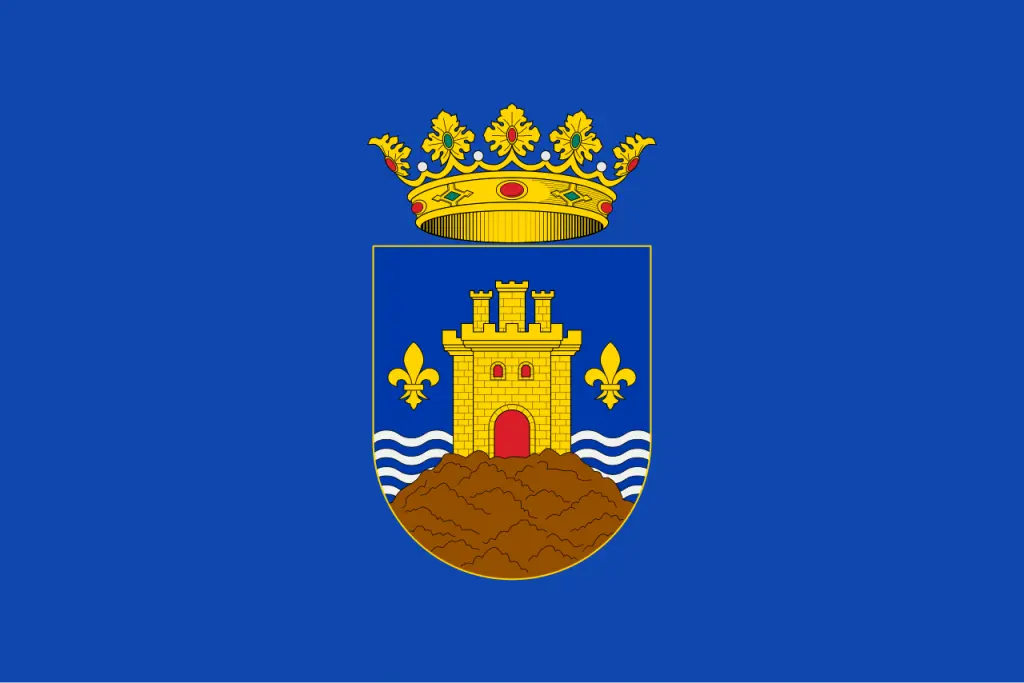
Peñíscola
Comunidad ValencianaClimate
Daily budget
What to see in Peñíscola: the essentials
Peñíscola’s magic is concentrated in a walled old town that looks out over the Mediterranean, crowned by a castle that was once a papal residence. The visit is done on foot, unhurried, letting yourself be carried along whitewashed alleyways and viewpoints that offer a postcard at every turn.
Castell de Peníscola
Peñíscola Castle is the city’s star attraction and the last Templar castle built in Spain, raised between 1294 and 1307 on the remains of an old Arab alcazaba. It was the residence of Pope Luna, Benedict XIII, who turned it into a papal seat in the early 15th century. Inside you can wander through rooms such as the Gothic hall, the pontifical basilica and the upper terraces, which offer spectacular views of the sea and the walled town. It’s worth checking opening times and prices on Peñíscola’s official tourism website before heading up, as there’s often a queue in high season.
Museu de la Mar
This museum is dedicated to Peñíscola’s seafaring tradition and helps explain why the town has always lived facing the Mediterranean. Its rooms trace the history of local fishing, with particular attention to traditional boats and the daily life of fishermen. It’s a short but highly recommended stop to put the local cuisine and character of the town into context.
Centro de Interpretación Parque Natural Sierra d’Irta
This is the ideal starting point for exploring the Sierra de Irta Natural Park, a protected area stretching along the northern coast of Castellón. Here you can learn about the flora, fauna and hiking trails that cross this still-wild coastline. If you have time to spare, it’s the perfect excuse to combine beach and nature far from the bustle of the old town.
Magic Museum by Yunke
A different kind of museum, dedicated to illusionism and to the magician Yunke. It offers an interactive tour with optical effects, visual tricks and illusions that surprise children and adults alike. It’s an original option for a summer afternoon or a windy day at the beach.
Porta de Sant Pere
The Porta de Sant Pere is one of the historic entrances to the old town and a monument marking the gateway to the walled enclosure. Crossing it is like passing the border between modern and medieval Peñíscola. From here, the cobbled streets climb up towards the castle.
Casa de les Petxines
A singular façade decorated with seashells that stands out for its originality.
Portal Fosc
One of the historic entrances to the old town, with a dark passageway that creates a beautiful contrast as you emerge into the light of the sea.
lo Bufador
A natural monument by the sea, a hole in the rock through which water and air burst out forcefully on stormy days.
la Porteta
Another of the entrance gates to the walled enclosure, less crowded and full of charm.
Benedit XIII
A reference to Pope Luna, a key figure in the history of Peñíscola and its status as a papal seat.
Venus del Cerro
A distinctive feature of the Peñíscola landscape, linked to the silhouette of the hill on which the town sits.
Castillo de Peniscola
A privileged viewpoint for contemplating the old town, the North beach and the Mediterranean from above.
🍂 Otoño
Si visitas Peñíscola en otoño, el calor da una tregua y el mar aún conserva temperatura agradable, sobre todo en septiembre y octubre. Las Fiestas Patronales en honor de la Virgen de la Ermitana llenan septiembre de tradición y ambiente local. Es una estación perfecta para caminar por el Portal Fosc o acercarte al Centro de Interpretación Parque Natural Sierra d'Irta sin prisas.
What to do in Peñíscola
Peñíscola offers a whole range of experiences, from getting lost in the medieval old town to enjoying top-tier cultural festivals, not to mention markets full of fresh produce and lively neighbourhood life throughout the summer.
In July, the Festival de Teatro Clásico Castillo de Peñíscola (Classical Theatre Festival) turns the castle into a unique stage, while the International Jazz Festival fills the Palau de Congressos with live music. If you travel in September, the Fiestas Patronales in honour of the Virgen de la Ermitana (patron saint festivities) transform the streets with traditional dances, Moors and Christians parades, street parties and fireworks. In February, the Peñíscola Carnival fills the centre with troupes, costumes and activities for children.
For everyday life, the Mercat Municipal de Peníscola (municipal market) is a must-stop to see the area’s fresh produce: fish straight from the fish market, fruit, vegetables and meat. And in the afternoon, heading to the Llotja del Peix (fish auction) when the boats come in is a spectacle that explains the local seafaring culture better than any museum.
Peñíscola in a day: express itinerary
With a well-organised day you can get a very complete picture of Peñíscola. This itinerary takes you from the beach to the castle, with time to eat and to wander aimlessly through the old town.
- 9:30 — Castillo de Peñíscola: start early to avoid queues and enjoy the views from the terraces in the morning light. It is the last Templar castle in Spain and was the residence of the Papa Luna.
- 11:30 — Casco Antiguo and Porta de Sant Pere: walk down the cobbled streets, cross the Porta de Sant Pere and look for corners such as the Portal Fosc or the Casa de les Petxines.
- 13:00 — lo Bufador and the seafront promenade: peer into this natural blowhole by the sea and stroll along the Avenida Papa Luna with the castle in the background.
- 14:30 — Lunch at the port or the North Beach: order a suquet de peix (fish stew) or a fideuà at any of the restaurants with a terrace facing the sea.
- 17:30 — Museu de la Mar or Magic Museum by Yunke: choose according to your plan: maritime history or interactive illusionism. Both take less than an hour.
- 19:00 — Sunset from Las Atalayas or the castle viewpoint: say goodbye to the day with panoramic views of the sea and the walled city.
Where to eat in Peñíscola: local cuisine
Where to stay in Peñíscola
Casco Antiguo
El corazón histórico y turístico de Peñíscola, con el Castillo del Papa Luna, calles empedradas, tiendas y restaurantes.
Avenida Papa Luna / Playa Norte
Un animado paseo marítimo paralelo a la playa más concurrida, con terrazas, restaurantes, heladerías y vistas al castillo.
Las Atalayas
Zona residencial tranquila con impresionantes vistas panorámicas del mar y del castillo, ideal para el descanso.
How to get to Peñíscola
From Valencia, the fastest option is the train: 1 h 32 min (Intercity), 20 a day.
| From | Direct train | Direct bus | Car |
|---|---|---|---|
| Valencia | 1 h 32 min · 20/day Intercity | — | 1 h 46 min 145 km |
| Castellón de la Plana | 39 min · 28/day Intercity | — | 1 h 01 min 75 km |
| Sagunto | 1 h 05 min · 18/day Intercity | — | 1 h 29 min 118 km |
| Vila-real | 1 h 02 min · 17/day Regional | — | 1 h 08 min 84 km |
| Barcelona | 1 h 46 min · 7/day Intercity | — | 2 h 50 min 224 km |
| Tarragona | 1 h 01 min · 7/day Intercity | — | 1 h 42 min 129 km |
| Córdoba | 9 h 06 min · 2/day Intercity | — | 7 h 14 min 656 km |
| Linares | 7 h 33 min · 2/day Intercity | — | 6 h 12 min 555 km |
| Xàtiva | 2 h 21 min · 2/day Intercity | — | 2 h 34 min 217 km |
| Alicante | 4 h 19 min · 1/day Intercity | — | 3 h 44 min 330 km |
Direct trains and buses from the official timetables published by the operators on Spain's National Transport Access Point (a reference Wednesday); driving times from OpenStreetMap. Operators that do not publish their timetables may run more services. Check the timetable before you travel.
Getting around Peñíscola
The old town and the North Beach are perfectly walkable. For longer journeys, Peñíscola has a local bus service connecting the residential areas with the centre and the beach. If you’re staying in Las Atalayas, the bus is the most convenient way to get down to the seafront promenade without relying on the car.
Weather in Peñíscola
Best time to visit Peñíscola
Day trips from Peñíscola
Valencia is the big day trip from Peñíscola. Just over an hour and a half away by road, it’s perfect for spending the day between the Ciutat de les Arts i les Ciències (City of Arts and Sciences), the old town and the city beach. It’s a perfect contrast to the intimate, seafaring scale of Peñíscola.
Little-known facts about Peñíscola
One of the three papal seats of Christendom. Along with Rome and Avignon, Peñíscola was one of the three papal seats of Christendom. Pope Luna turned the castle into his refuge and pontifical court, a fact that forever shaped the identity of the town.
The name is a linguistic corruption. Peñíscola is a distortion of the original Valencian/Catalan name, Peníscola, through its blending with the word “peña” (rock). It comes from Vulgar Latin paene insula, meaning “almost an island”, a perfect description of its geography.
The last Templar castle in Spain. Peñíscola Castle was built by the Knights Templar between 1294 and 1307 on the remains of the old Arab alcazaba. It is the last Templar castle built in Spain, a fact that makes it unique on the peninsula.
This is where “mantenerse en sus trece” comes from. Pope Luna’s tenacious struggle against his enemies, refusing to give up his position as pope, gave rise to the popular phrase “mantenerse en sus trece” (to stick to one’s guns), in reference to Benedict XIII.
Berlanga shot a film here. In 1954, Luis García Berlanga shot the film Calabuch in Peñíscola, a fictional name for the town. The filmmaker chose this corner of the Mediterranean for its light and its timeless character.
It belongs to “Los pueblos más bonitos de España”. Peñíscola has been part of the “Los pueblos más bonitos de España” (The Most Beautiful Villages in Spain) network since January 2013, a recognition of its old town and its monumental ensemble.
Who Peñíscola is for
Peñíscola is a well-rounded destination for almost any type of traveller. Families enjoy the North Beach, the seafront promenade and the Magic Museum. Couples find in the old town and in the sunsets from Las Atalayas a romantic setting that is hard to beat. History lovers have an inexhaustible source in the Templar castle and the figure of Pope Luna. And foodies will rediscover the most authentic seafood cuisine: suquet, arrossejat, galeres and charcoal-grilled artichokes at reasonable prices. It is not a destination for very tight-budget backpackers in high season, but outside July and August prices drop and the town is enjoyed with much more calm.
Frequently asked questions about Peñíscola
How many days do I need to see Peñíscola?
With a full day you can see the castle, the old town, the North Beach and try the local cuisine. If you want to add the Museu de la Mar, the Magic Museum, a route through the Sierra de Irta and a day trip to Valencia, the ideal is 2-3 days.
Is Peñíscola expensive?
Not especially. An average meal costs between 12 and 18 euros, a hostel between 18 and 30 euros per night, a 3-star hotel between 50 and 80 euros, and a 4-5-star one between 70 and 180 euros. In high season prices rise, but it is still more affordable than other Mediterranean coastal destinations.
What is the best time to visit Peñíscola?
From April to October, with average temperatures of 24.2°C in summer and 10.4°C in winter, according to AEMET. Annual rainfall is only 382.6 mm, so the sun is with you almost all year round. May, June and September are the most balanced months.
How do I get to Peñíscola from Madrid?
There is no direct train connection. The most common way is to travel by car or bus to Castellón or Valencia and from there take a bus or drive to Peñíscola. The nearest airports are Castellón, 45 km away, and Reus, 127 km away.