Córdoba
AndalucíaClimate
Daily budget
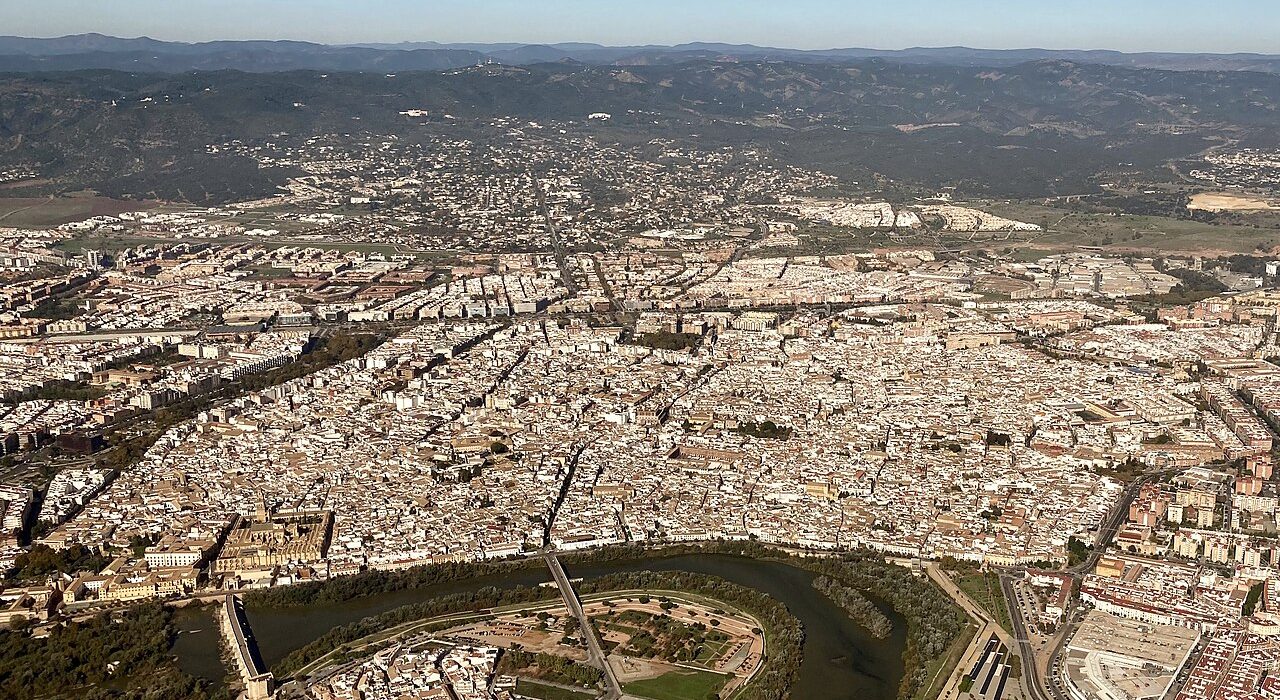
Declared a UNESCO World Heritage Site in 1984, Córdoba is the only place in the world where an 8th-century mosque was transformed into a cathedral without losing its essence. With 325,000 inhabitants living between the Sierra Morena and the Guadalquivir River, this Andalusian city offers a unique experience where history is not read in books, but walked under its arcades and tasted in its taverns. If you are looking for a destination that combines overwhelming monumentality with an authentic and welcoming neighborhood life, you have come to the right place.
The must-seesWhat to see in Córdoba: the essentials
Córdoba concentrates a historical density difficult to match, so it is vital to prioritize. Here is what you cannot miss, based strictly on verified monuments.
Mosque-Cathedral of Córdoba (Mezquita-Catedral)
This is the undisputed icon of the city and a unique example of Islamic architecture in Europe, declared a UNESCO World Heritage Site since 1984. Originally an 8th-century mosque, it was converted into a cathedral, creating a space where red and white horseshoe arches coexist with the Renaissance choir. It is essential to visit it early in the morning to avoid crowds and appreciate the immensity of its more than 850 marble and jasper columns. Although the price and schedule vary by season, it is mandatory to book tickets in advance to guarantee access.
Alcázar of the Christian Monarchs (Alcázar de los Reyes Cristianos)
Built in 1328, this medieval fortress served as a temporary residence for the Catholic Monarchs and today stands out for its impressive gardens and Roman mosaics. Within the enclosure, you can climb the towers to get one of the best panoramic views of the city and the Guadalquivir River. The fountains and ponds of the gardens are a haven of peace ideal for resting after exploring the historic center. It is a perfect place to understand the strategic importance of Córdoba in the Middle Ages.
Festival of the Patios of Córdoba (Fiesta de los Patios)
If you travel in May, this festival declared Intangible Cultural Heritage of Humanity by UNESCO in 2012 is the definitive experience. During these dates, neighbors open their private patios, decorated with thousands of pots of geraniums and carnations, for the public to admire. It is a celebration that transforms the old town into a giant, colorful garden, reflecting the passion of the people of Córdoba for flora and community. Outside these dates, some patios remain open as museums, but the magic of the contest is only experienced in spring.
Casa de Sefarad
Located in the heart of the Jewish Quarter (Judería), this museum offers a deep journey through the history, culture, and traditions of the Sephardic Jews in Spain. Through its rooms, you can learn about daily life, festivities, and the legacy that this community left in the city before the expulsion of 1492. It is a very educational visit that perfectly complements a walk through the narrow streets of the Jewish quarter. Additionally, it usually includes tastings of Sephardic cuisine that enrich the cultural experience.
Plaza de la Corredera
This is the only square main plaza in all of Andalusia, built in the 17th century on top of an ancient Roman circus. Surrounded by arcades with semicircular arches, it is the usual setting for traditional markets, concerts, and bullfighting events. It is the perfect place to sit on one of its terraces, order a tapa, and observe the coming and going of local life away from the more touristy bustle. Its uniform architecture and dimensions make it an essential meeting point for the people of Córdoba.
Other points of interest
- Medina Azahara: A 10th-century palatine city commissioned by Abderramán III, a UNESCO World Heritage Site since 2018 located on the outskirts.
- Zoco Municipal: A complex of artisan workshops housed in a former convent, ideal for buying soulful souvenirs.
- Palacio de Viana: A 14th-century Renaissance palace famous for its 12 unique courtyards and gardens, operating as a museum of decorative arts.
- Galería de la Inquisición: A museum displaying instruments and rooms related to the Holy Office tribunal.
- Puente Romano: A 16-arch bridge over the Guadalquivir River with Roman origins (1st century BC) and Islamic reconstruction, offering iconic views.
- Triunfo de San Rafael: A devotional monument located in various squares throughout the city dedicated to the patron saint.
- Monumento a Luis de Góngora: A statue dedicated to the famous Cordoban poet of the Golden Age.
- Escultura de Eduardo Lucena: An artistic work honoring the local poet and journalist.
- Sala de abluciones de Almanzor: Archaeological remains related to the expansions of the mosque.
- Puerta Entrada Paraíso Arenal: A historic access point that was part of the ancient city walls.
- Villa romana de Santa Rosa: An archaeological site preserving remains of a Roman dwelling.
- Depósito hidráulico romano: An ancient structure for water storage.
- Alberca: Remains of historical hydraulic infrastructure.
- Monumento a Fray Albino: A statue in memory of the religious figure and writer.
- Puerta de los Sacos: An ancient gate in the city wall that provided access to the city.
- Muralla del Marrubial: A preserved section of the city’s ancient defenses.
- Busto de Al-Gafequi: A tribute to the Andalusian physician and philosopher.
- Reloj Solar: An instrument located in a public space to measure time using shadows.
- Monumento a Aniceto García Roldán: A sculpture dedicated to this local figure.
- Monumento a Martínez Rücker: A statue honoring the engineer and politician.
- Monumento a las Víctimas del Terrorismo: A memorial dedicated to victims of terrorist violence.
- Agricultura, agricultor y progreso: A sculpture paying homage to the primary sector.
- Busto a Lagartijo: A monument dedicated to the famous bullfighter from Córdoba.
🍂 Otoño
Si visitas Córdoba en otoño, el clima sigue siendo agradable hasta octubre aunque empieza a refrescar por las noches. Tendrás la ventaja de encontrar menos turistas en la Mezquita y las calles estrechas. Lleva siempre una chaqueta ligera en la mochila por si cambia el tiempo.
What to do in Córdoba
Córdoba offers immersive cultural activities such as the Festival of the Patios of Córdoba in May and gastronomic tours at Mercado Victoria. Beyond visiting monuments, you can get lost in the Jewish Quarter to discover hidden corners or enjoy the nightlife in the Tendillas area. The city is ideal for slow tourism, walking at a leisurely pace to appreciate the blend of cultures that define its identity.
Córdoba in one day: express itinerary
If you’re short on time, this optimized itinerary lets you see the essentials without rushing, taking advantage of how close the monuments are to each other.
- 09:00 – Mosque-Cathedral (Mezquita-Catedral): Start here to avoid lines and enjoy the morning light filtering through the forest of columns.
- 11:30 – Jewish Quarter (Judería) and Flower Alley (Calleja de las Flores): Stroll through the historic neighborhood and find the classic view of the Mosque’s tower framed by flowers.
- 13:30 – Alcázar of the Christian Monarchs (Alcázar de los Reyes Cristianos): Visit the fortress and its gardens before lunchtime.
- 15:00 – Lunch in the Center: Head to the Tendillas area or Plaza de la Corredera to sample local gastronomy.
- 17:00 – Roman Bridge (Puente Romano): End your day crossing the bridge and watching the sunset over the Guadalquivir River.
Where to eat in Córdoba: local gastronomy
Where to stay in Córdoba
Judería
El corazón histórico y turístico, ideal para pasear, descubrir rincones y visitar monumentos.
Centro (Tendillas y alrededores)
Zona comercial y de ocio, con mucha vida, bares de tapas y restaurantes.
How to get to Córdoba
The city is well connected by land, although air access requires transfer from the neighboring capital. Here are the verified transport options.
| Medio | Detalle / Duración | Compañías / Vías |
|---|---|---|
| Tren | Estación de Córdoba (sin AVE directo según datos, conexión regional) | Renfe |
| Autobús | Estación de Autobuses de Córdoba | Alsa, Socibus |
| Avión | Aeropuerto de Sevilla (SVQ) a 130 km | Conexión terrestre desde SVQ |
| Coche | Acceso por autovías principales | A-4, A-45, N-432 |
Getting around Córdoba
Córdoba’s center is very walkable, and much of the historic quarter is a pedestrian zone, making sightseeing on foot easy. For longer distances or to reach the station, you can use the city bus, which covers the main routes. Given the compact layout of major points of interest (Mosque-Cathedral, Alcázar, Jewish Quarter), walking is often the fastest and most pleasant option.
Weather in Córdoba
Best time to visit Córdoba
Day trips from Córdoba
If you have extra time, Córdoba’s location allows you to visit other major Andalusian cities and the capital. The most popular options for day trips are Seville and Granada, both with a rich monumental offer and at a manageable distance. It is also possible to take a day trip to Madrid thanks to road and train connections, although it requires more travel time.
Who is Córdoba for?
Córdoba is a versatile destination that enchants history lovers thanks to its Caliphal and Roman legacy, but also foodies looking to try the best salmorejo (cold tomato soup) and author cuisine with Michelin stars. It is ideal for couples seeking romantic night walks through the Judería (Jewish Quarter) and for backpackers who can take advantage of affordable hostels (20-35€) and the freedom of wandering its streets. With an average stay of 1.7 nights and nearly one million annual travelers (INE), it is a city prepared for quick tourism but with enough depth for long stays.
Frequently asked questions about Córdoba
How many days do I need to see Córdoba?
With an average stay of 1.7 nights according to the INE, a weekend is enough to see the essentials like the Mosque and the Jewish Quarter. However, if you want to visit Medina Azahara and enjoy the gastronomy at a leisurely pace, 3 days are recommended.
Is Córdoba expensive?
Córdoba is an affordable destination. You can find hostels from 20-35€ per night and 3-star hotels between 60-100€. An average meal ranges from 18-28€, making it accessible for most budgets.
What is the best time to visit Córdoba?
The best time is from April to October, avoiding July and August where average summer temperatures (27.2°C) can be stifling. May is especially beautiful due to the Patio Festival (Fiesta de los Patios).
How do I get to Córdoba from Madrid?
You can arrive by car using the A-4 highway. There is also a train connection from Córdoba station and bus services with companies like Alsa and Socibus from the Bus Station.
What typical dishes should I try?
Do not leave without trying Salmorejo, Rabo de toro (oxtail stew), Flamenquín (breaded pork roll), and Berenjenas con miel (fried eggplant with honey). Mercado Victoria is a great place to find a variety of gastronomy in one spot.
🗺️ Rutas desde Córdoba
- How to Get from Granada to Cordoba: Distance, Train, Bus and Car
- How to Get from Cordoba to Granada: Distance, Train, Bus and Car
- How to Get from Cordoba to Seville: Distance, Train, Bus & Car
- How to Get from Seville to Cordoba: Distance, Train, Bus & Car
- How to Get from Córdoba to Madrid: Distance, Train, Bus & Car
- How to Get from Madrid to Córdoba: Distance, Train, Bus & Car