Jaén
AndalucíaClimate
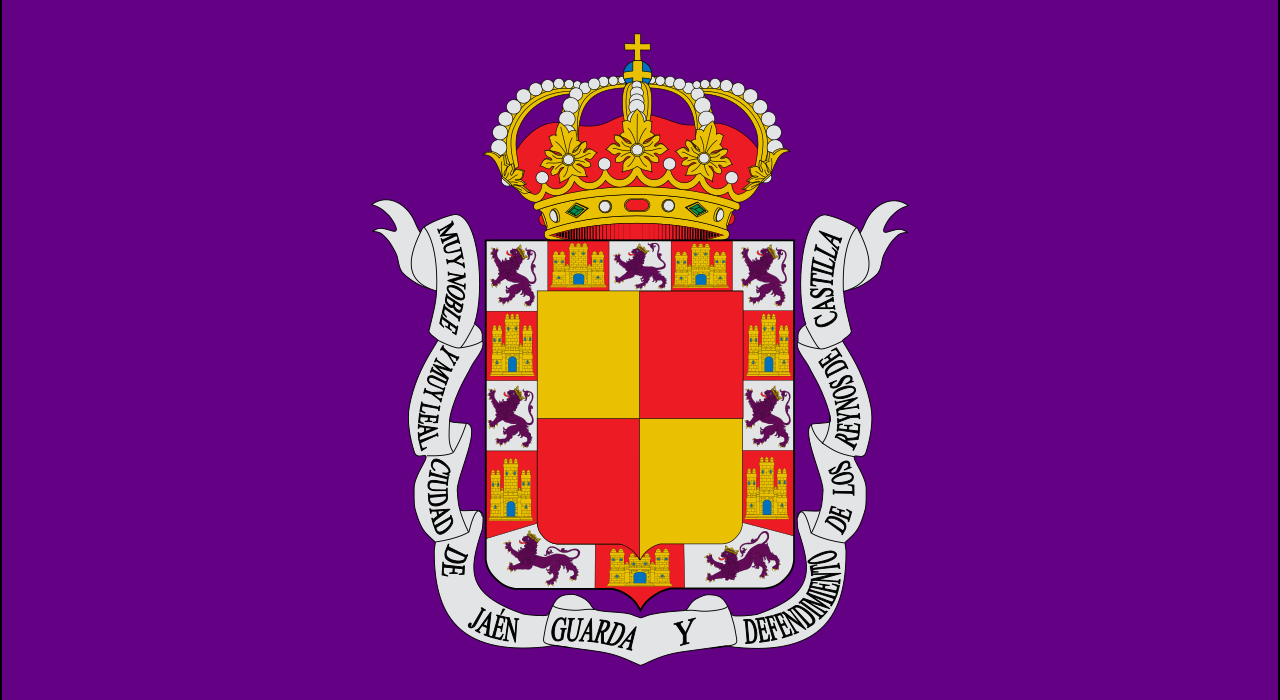
The unmistakable aroma of freshly pressed extra virgin olive oil greets you before you even spot the first olive tree on the horizon, marking the start of a unique sensory experience in southern Spain. This city, capital of the homonymous province in Andalusia and home to 112,000 inhabitants, is not just a point on the map with coordinates 37.7796, -3.7849, but a living open-air museum where Iberian and Arab history merge under the golden midday light. Walking its cobblestone streets means stepping into the “Very Noble and Very Loyal City,” a place where every stone tells a legend and every square hides a culinary secret waiting to be discovered by those daring enough to get lost in its old town.
The must-seesWhat to see in Jaén: the essentials
Jaén offers a concentrated monumental heritage that allows you to traverse centuries of history in just a few blocks, from Roman and Arab bathhouses to Renaissance peaks.
Arab Baths and Villardompardo Palace
These city jewels, dating back to the 11th century, constitute the largest and best-preserved hammam (Arab bathhouse) in all of Spain, occupying an impressive area of 450 square meters in the palace basement. By visiting this space, you will not only contemplate the remains of defensive fortifications from the Muslim era that protected the medieval city, but you will also access the Museum of Arts and Popular Customs and the Naïf Art Museum on the upper floors. It is a tangible testament to Jaén’s strategic importance as a border plaza during the Reconquista, preserving original sections perfectly integrated into the urban fabric of the old quarter. To enjoy the full visit, it is recommended to set aside time to explore both the underground Islamic architecture and the ethnographic collections that complement the cultural experience.
Iberian Museum
This important center is the only museum in the world dedicated entirely to the pre-Roman people of the Iberians, housing one of the most significant collections of their art and archaeology. Here you can learn in depth about the Iberian heritage of Jaén, understanding why this land is considered a fundamental epicenter of said ancient culture. The halls exhibit key pieces that narrate the evolution of this civilization, offering a unique perspective you won’t find anywhere else on the planet. It is a mandatory stop to understand the historical roots that preceded Roman domination on the peninsula.
Minor Basilica of San Ildefonso
This temple holds special and emotional importance for the people of Jaén due to the tradition of a supposed miraculous apparition of the Virgin Mary inside. Its architecture reflects local devotion and serves as a spiritual meeting point within the city’s urban layout. Upon entering, you will feel the atmosphere of recollection that has characterized this religious space for generations, being a clear example of the faith that permeates local identity. It is a place that combines architectural value with a profound sentimental charge for residents.
Arch of San Lorenzo
This monumental gate of the medieval wall, built in the 13th century, is an exceptional and well-preserved example of Mudéjar art in Jaén. Its bricks and defensive structure transport you directly to the time when the city was an impregnable fortress on the border of the kingdoms. It stands out for its integration into the current urban environment, allowing you to imagine what access to the city was like almost eight centuries ago. It is an architectural sample that summarizes the mix of cultural influences that defined the Middle Ages in Andalusia.
Other points of interest
- Museo de Artes y Costumbres Populares (Museum of Popular Arts and Customs): Located in the Renaissance Palace of Villardompardo, this ethnographic museum showcases the traditions, crafts, and historical daily life of the province, with a collection spread across several floors that complements the cultural visit.
- Mirador del Castillo de Santa Catalina (Viewpoint of Santa Catalina Castle): This medieval fortress situated on the hill offers extensive panoramic views over the city and olive groves, considered one of the best viewpoints in Andalusia for landscape photography.
- Museo Internacional de Arte Naïf Manuel Moral (Manuel Moral International Naïve Art Museum): A unique collection of international naïve art located in the Palace of Villardompardo, founded to preserve this artistic movement characterized by its naive and popular style.
- Centro Histórico de Jaén (Historic Center of Jaén): An old town with a medieval layout declared a Historic-Artistic Ensemble, where stone streets with steep slopes connect the main tourist attractions on foot.
- Iglesia de San Juan Bautista (Church of Saint John the Baptist): A historic temple in the old town dating from the second half of the 14th century, representing Jaén’s historical evolution prior to the Renaissance and serving as headquarters for important brotherhoods.
- Catedral de la Asunción (Cathedral of the Assumption): One of the most spectacular Renaissance cathedrals in Spain, a masterpiece by Andrés de Vandelvira that served as a model for cathedrals in the Americas and houses the relic of the Holy Face.
- Iglesia y Barrio de la Magdalena (Church and Neighborhood of La Magdalena): A church built upon an ancient mosque that preserves remnants of Arab civilization, such as a pool, in a setting with a marked medieval character.
- Barrio Judío de Jaén (Jewish Quarter of Jaén): An ancient medieval Jewish quarter located near the Cathedral, featuring narrow, steep streets that preserve the original urban layout from the Andalusian and Jewish periods.
- Castillo de Santa Catalina y Mirador de la Cruz (Santa Catalina Castle and Cruz Viewpoint): An imposing castle built on an ancient Muslim alcazaba that dominates the city and offers panoramic views of the olive fields.
🍂 Otoño
Si visitas Jaén en otoño, las temperaturas se suavizan y el ambiente se vuelve muy agradable para recorrer el Museo Íbero o el Museo de Artes y Costumbres Populares sin las aglomeraciones del verano. Es una época tranquila para disfrutar el arte y la cultura con calma. Consejo práctico: aprovecha las horas centrales del día para las visitas culturales y lleva un paraguas ligero por si cae alguna lluvia.
What to do in Jaén
Jaén offers specific activities ranging from immersion in traditional festivals to enjoying vibrant local markets. You can dive into the culture by participating in the Fiestas de San Antón in January, where bonfires and torch races fill the streets with energy, or attend the Feria de San Lucas in October, the main event featuring bullfights and concerts. For a more everyday experience, it is essential to visit the Mercado Municipal de San Francisco, also known as Mercado Central, to observe the variety of fresh products such as fish, cured meats, and the omnipresent virgin olive oil. Additionally, exploring the Barrio de La Magdalena will allow you to discover the oldest and most authentic Jaén, following local legends like that of the ‘Lagarto de la Malena’ through its intricate alleyways.
Jaén in a Day: Express Itinerary
If you’re short on time, this practical itinerary lets you cover the city’s essentials in an intense yet rewarding day.
- 09:00 – Castillo de Santa Catalina (Santa Catalina Castle): Start your day by heading up to the viewpoint for a panoramic perspective of the city and olive groves before the heat rises.
- 11:00 – Catedral de la Asunción (Assumption Cathedral): Descend to the center to visit this Renaissance masterpiece and see the relic of the Santo Rostro (Holy Face).
- 13:30 – Mercado de San Francisco (San Francisco Market): Head to the heart of the city to see local products and buy some olive oil or cured meats.
- 15:00 – Baños Árabes y Palacio de Villardompardo (Arab Baths and Villardompardo Palace): Dedicate the afternoon to exploring the 11th-century baths and associated museums in a cool, cultural setting.
- 18:00 – Barrio Judío and Dinner: End the day getting lost in the narrow streets of the Jewish Quarter and enjoying a dinner with typical dishes in the area.
Where to Eat in Jaén: Local Gastronomy
Where to Sleep in Jaén
Centro Histórico
El corazón histórico y cultural de Jaén, con calles estrechas y empedradas que conducen a los principales monumentos. Es una zona vibrante llena de tiendas, restaurantes y ambiente local.
Barrio de San Ildefonso
Un barrio tranquilo y tradicional, conocido por sus calles pintorescas y su proximidad a zonas verdes. Alberga una de las iglesias más importantes de la ciudad y ofrece una atmósfera más pausada.
Barrio de La Magdalena
Un barrio con un marcado carácter medieval, famoso por sus leyendas como la del 'Lagarto de la Malena' y sus intrincadas callejuelas. Ideal para explorar la Jaén más antigua y auténtica.
Zona de la Plaza de las Batallas
Considerada la zona moderna y comercial de Jaén, con amplias avenidas y edificios más recientes. Es un punto neurálgico para compras, ocio y bien conectado con el resto de la ciudad.
El Valle
Un área que ofrece tranquilidad y un contacto más cercano con la naturaleza, a las afueras del núcleo urbano pero sin estar aislado. Ideal para quienes buscan un retiro relajante y actividades al aire libre.
How to Get to Jaén
Access to the city is easy mainly by land, although it is important to keep current railway limitations in mind.
| Medio | Duración | Precio aprox. | Frecuencia |
|---|---|---|---|
| Tren | Variable según origen | Variable | Diaria (Estación de Jaén sin AVE) |
| Autobús | Variable según origen | Económico | Frecuente desde capitales cercanas |
| Coche | Variable | Combustible + Peajes | Libre |
Getting Around Jaén
Once in the city, urban transport is efficient for covering longer distances, although the center is best explored on foot. The urban bus system connects the different neighborhoods and peripheral areas with the central core, facilitating access to points like the Castillo de Santa Catalina if you don’t wish to make the uphill walk. For short distances within the Old Town, walking is the best option due to the narrow streets and proximity between monuments.
Weather in Jaén
Best Time to Visit Jaén
Day trips from Jaén
From Jaén, you can take day trips to other cities in the region to broaden your Andalusian experience. The province boasts incredible natural spaces, with the Sierras de Cazorla, Segura y Las Villas Natural Park being the largest in Spain and the second-largest in Europe, making it ideal for a nature getaway. You can also explore other nearby cities in the region that complement the capital’s cultural and heritage offerings.
Facts about Jaén you didn’t know
Did you know that Jaén is known as the ‘World Capital of Olive Oil’? The province produces around 20% of all the olive oil in the world and 40% of Spain’s, with a landscape dominated by more than 66 million olive trees.
In the basement of the Palacio de Villardompardo (Villardompardo Palace) lie the largest Arab Baths (Baños Árabes) in Spain, dating back to the 11th century and covering 450 square meters, a fact that surprises many visitors.
The Jaén Cathedral, a masterpiece by Andrés de Vandelvira, served as an architectural model for numerous cathedrals in Latin America, including those in Mexico City, Lima, and Havana.
The name ‘Jaén’ comes from the Arabic ‘Jayyān’, historically interpreted as ‘crossroads of caravans’ due to its strategic location on the trade routes of Al-Ándalus.
Jaén is an epicenter of Iberian culture, and its Museo Íbero (Iberian Museum) is the only one in the world entirely dedicated to this pre-Roman people.
One of the most famous legends is that of the ‘Lagarto de Jaén’ (Jaén Lizard), a dragon that terrorized the Magdalena neighborhood until a knight defeated it with a sheepskin stuffed with gunpowder.
The acclaimed singer Raphael was born in Linares, one of the main cities in the province of Jaén, in 1943, linking the land with Spanish music.
Who is Jaén for?
Jaén is an ideal destination for history and culture lovers seeking authenticity without the crowds of other tourist spots. It is perfect for couples who enjoy romantic walks through medieval neighborhoods and for foodies who want to understand olive oil culture from its source. Families will also find a safe and educational environment here, especially with interactive museums and nearby natural spaces, while backpackers will appreciate the wealth of heritage concentrated in the old town.
Frequently Asked Questions about Jaén
How many days do I need to see Jaén?
With one day, it is possible to see the essentials such as the Cathedral and the Arab Baths (Baños Árabes), but 2 or 3 days are recommended to also visit the museums, enjoy the local gastronomy, and climb up to Santa Catalina Castle at a leisurely pace.
What is the best time to visit Jaén?
The best time is from May to October, taking advantage of average summer temperatures of 26.4°C. Avoid the months with the highest precipitation if your plan includes outdoor activities, given that the annual precipitation is 489.2 mm.
How do I get to Jaén from Madrid?
You can arrive by car or bus. Bear in mind that the Jaén train station currently has no direct AVE connection, so road transport is usually the fastest and most direct option from the capital.
Where can I find official information on opening hours?
For further practical information on museum hours, tickets, and event schedules, you can consult the official tourism website of Jaén, which is the most reliable source for planning your visit.
Is Jaén an expensive city to visit?
Jaén offers options for all budgets. Accommodation in neighborhoods like La Magdalena can be more affordable, while the Historic Center has mid-range prices. Local gastronomy, based on traditional dishes such as migas or pipirrana, usually has accessible prices in bars and taverns.