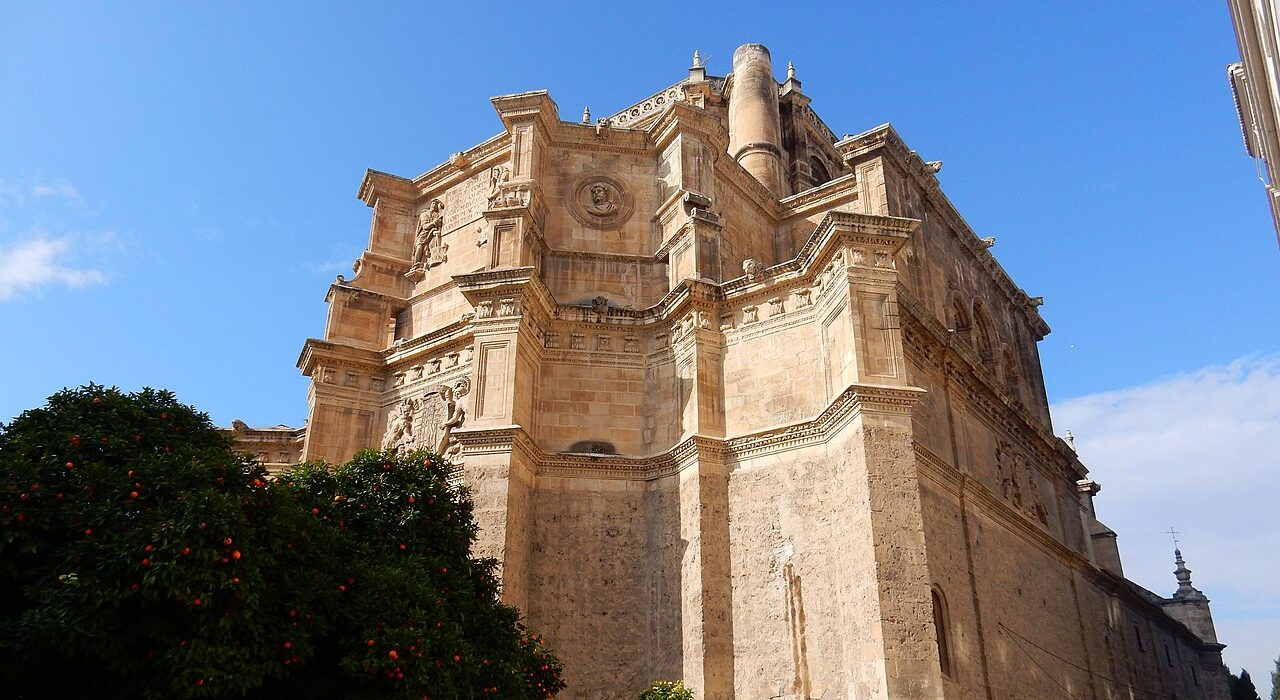
Córdoba → Granada
162 kmCrossing the heart of Andalusia to connect two of its most brilliant historical gems is an experience that goes far beyond a simple logistical transfer. As the highway winds through endless olive groves and the high-speed train brings you closer to the Alhambra in under two hours, the traveler finds themselves immersed in a landscape that breathes tradition and calm, where every kilometer tells a different story between the Mezquita (Mosque-Cathedral) and the Generalife.
How to get from Cordoba to Granada: quick overview
The best option for traveling from Cordoba to Granada depends mainly on whether you prioritize speed, budget savings, or freedom of movement. If you are looking for the fastest and most comfortable option, the AVE train is unbeatable with a travel time of 95 minutes, ideal for travelers without a car; however, if you plan to explore the white villages and olive oil routes, renting a car will allow you to enjoy the 162 kilometers of the route with total freedom. For those on a tight budget, the bus offers a direct and economical alternative, although it requires more travel time.
By car from Cordoba to Granada
Driving from Cordoba to Granada is a direct and straightforward route covering a total distance of 162 kilometers and taking approximately 1 hour and 40 minutes. The journey is designed to be smooth, using a network of modern highways that avoid tolls and make driving through Andalusian geography easy. The main route begins by taking the A-45, known as the Autovía de Málaga (Malaga Highway), which will take you out of the former caliphal capital heading south. This road is wide and usually has good traffic flow, allowing steady progress without annoying urban interruptions.
As you advance, the natural connection will lead you to merge onto the A-4, the famous Autovía del Sur (Southern Highway). This stretch is crucial because it crosses the heart of the province of Jaen, offering panoramic views of the extensive olive fields that characterize the region. It is a visually striking landscape that turns driving time into an aesthetic pleasure. Finally, to reach your destination, you will take the A-44, the Autovía de Sierra Nevada-Costa Tropical (Sierra Nevada-Tropical Coast Highway). This last stage is especially picturesque, as the road begins to gain altitude and reveal the first foothills of the Sierra Nevada, announcing your arrival in Granada against a spectacular mountainous backdrop. Since all of these are toll-free highways, the cost of the trip is limited exclusively to fuel and vehicle wear and tear, making it very competitive for groups of several people.
By train from Cordoba to Granada
The train is, without a doubt, the fastest and most efficient way to connect both cities, operated exclusively by Renfe with a varied offering of high-speed services. The rail connection is robust, with a total of 9 daily trains that guarantee schedule flexibility for almost any type of traveler. The flagship service is the AVE, with 4 daily departures covering the distance in just 95 minutes, making it the premium option for those in a hurry. Additionally, Renfe offers alternatives such as the ALVIA, with 1 train per day taking 102 minutes, and the AVANT, with 4 daily frequencies and a travel time of 103 minutes, perfectly balancing speed and price.
The logistics are simple: the origin station is Cordoba (generally Cordoba Central) and the destination station is Granada, strategically located for easy access to the city center. Schedules are well distributed throughout the day, starting with the first train at 8:29 in the morning, perfect for having breakfast in Granada, and ending with the last service at 21:36, allowing you to enjoy a leisurely dinner in Cordoba before departing. The frequency of 9 trains per day means you do not need to plan weeks in advance, although in high season it is advisable to book ahead to secure a seat on AVE services.
By bus from Cordoba to Granada
The bus is the most economical option for traveling between these two cities, operated directly by the Alsa company with a direct service that avoids complicated transfers. The journey takes an estimated 165 minutes, which is about 45 minutes longer than the car or train option, but the price difference usually makes up for that extra time for many travelers. Ticket prices are very competitive, ranging between 7 and 20 euros depending on how far in advance you book and current demand.
By choosing this option, you benefit from the comfort of Alsa’s modern buses, which usually feature air conditioning and ample luggage space. It is the ideal alternative for backpackers, students, or travelers who are not in a hurry and prefer to spend that extra money on experiences at their destination. As a direct service, the bus departs from Cordoba bus station and drops you off at Granada bus station, from where you can easily connect with the local urban transport network to reach your final accommodation.
Recommended stops along the way
If you decide to make the journey by car, the route offers multiple opportunities to stop and discover the cultural and gastronomic richness of the province, although some stops involve small detours that are well worth it. Below, we detail the verified points of interest to enrich your trip:
- Jaén: Although it requires a small detour, Jaén is a majestic stop known as the “world capital of olive oil.” Its imposing Renaissance cathedral and the Castle of Santa Catalina, which watches over the city from above, offer unforgettable views and a deep immersion into Andalusian history.
- Huétor Tájar: Located in a fertile area, this town is famous for its asparagus production and its tranquil atmosphere. It is an ideal place to stretch your legs and enjoy local cuisine based on garden produce, far from the bustle of the big cities.
- Rute: Known internationally for its chocolate-making tradition and themed museums, Rute is a fun and sweet stop. It is especially popular at Christmas for its chocolate figures, but its historic center and the Chocolate Museum make it interesting all year round.
- Aguilar de la Frontera: This municipality stands out for its stately architecture and its rich history linked to the nobility. Strolling through its streets means discovering palaces and historic buildings that tell the story of the area, as well as being a strategic point to try traditional Cordoban cuisine.
- Albolote: Already very close to Granada, Albolote functions almost as a suburb of the capital but with its own identity. It is a practical stop if you want to avoid the traffic entering Granada or if you want to visit the Cartuja, a historic monument of great relevance located nearby.
- Alcalá la Real: Dominated by the imposing Fortress of La Mota, Alcalá la Real is a living testimony to the border between the Christian and Nasrid kingdoms. The view from the fortress is spectacular, and the town center retains a medieval charm that invites you to get lost in its narrow streets.
- Alcaudete: Another border enclave of great historical importance, Alcaudete boasts a castle that dominates the landscape and a privileged natural setting near the reservoir. It is the perfect place for lovers of military history and landscape photography.
- Armilla: Located right next to Granada, Armilla is known for its air base and its proximity to the airport. It is a useful stop for those arriving or departing by plane, and it features green and residential areas that offer a glimpse of everyday life in the Granada metropolitan area.
Where to stay in Granada
Choosing where to stay in Granada is almost as important as visiting the Alhambra, since the city is very walkable but has steep hills. The most recommended areas to stay are the Centro (city center), ideal for being close to the Cathedral and the tapas areas such as Calle Navas; the Albaicín, the old quarter with cobbled streets and atmospheric viewpoints, perfect for a romantic experience although with difficult car access; and the Realejo, the former Jewish quarter, which offers a quieter, more bohemian atmosphere with numerous gardens and squares.
As for types of accommodation, the offer is very varied. You can find everything from budget hostels ideal for solo travelers, with prices that can be around 20-30 euros per night, to luxury boutique hotels located in renovated historic buildings, whose prices easily exceed 150 euros. It is also very common to find tourist apartments, especially in the Albaicín and Sacromonte areas, which allow for a more self-sufficient stay. For families or groups, 3- and 4-star hotels in the Centro area or near the train station usually offer the best value for money and logistical convenience.
Frequently asked questions about the Córdoba-Granada route
How long does it take to get from Córdoba to Granada?
Travel time varies depending on the transport: by car it is 1 hour and 40 minutes, by AVE train between 95 and 111 minutes, and by bus it is 165 minutes.
Which is cheaper, the train or the bus?
Generally the bus is cheaper, with prices between 7 and 20 euros, while the AVE train usually has higher fares although they vary depending on how far in advance you book.
Is it worth renting a car?
Yes, it is worth it if you plan to make tourist stops along the route such as Jaén, Rute or Alcalá la Real, since public transport does not cover all these towns directly.
When is the best time to travel?
The best time is spring or autumn to avoid the extreme summer heat, although the route is passable all year round thanks to the A-45 and A-44 highways.
📍 También te puede interesar
Qué ver en Córdoba →
Qué ver en Granada →