Santander
CantabriaClimate
Daily budget
The salty air of the Cantabrian Sea blends here with the elegance of a former royal residence and the avant-garde spirit of contemporary art to create a unique atmosphere in northern Spain. Santander is not just a capital city of 175,425 inhabitants; it is the heart of a bay that has managed to reinvent itself while preserving its seafaring and bourgeois essence. From the cliffs of Cabo Mayor to the tree-lined promenades of the city center, Santander offers an experience where the history of the “raqueros” (local beach boys) coexists with the sophistication of early 20th-century summer visitors.
The must-seesWhat to See in Santander: The Essentials
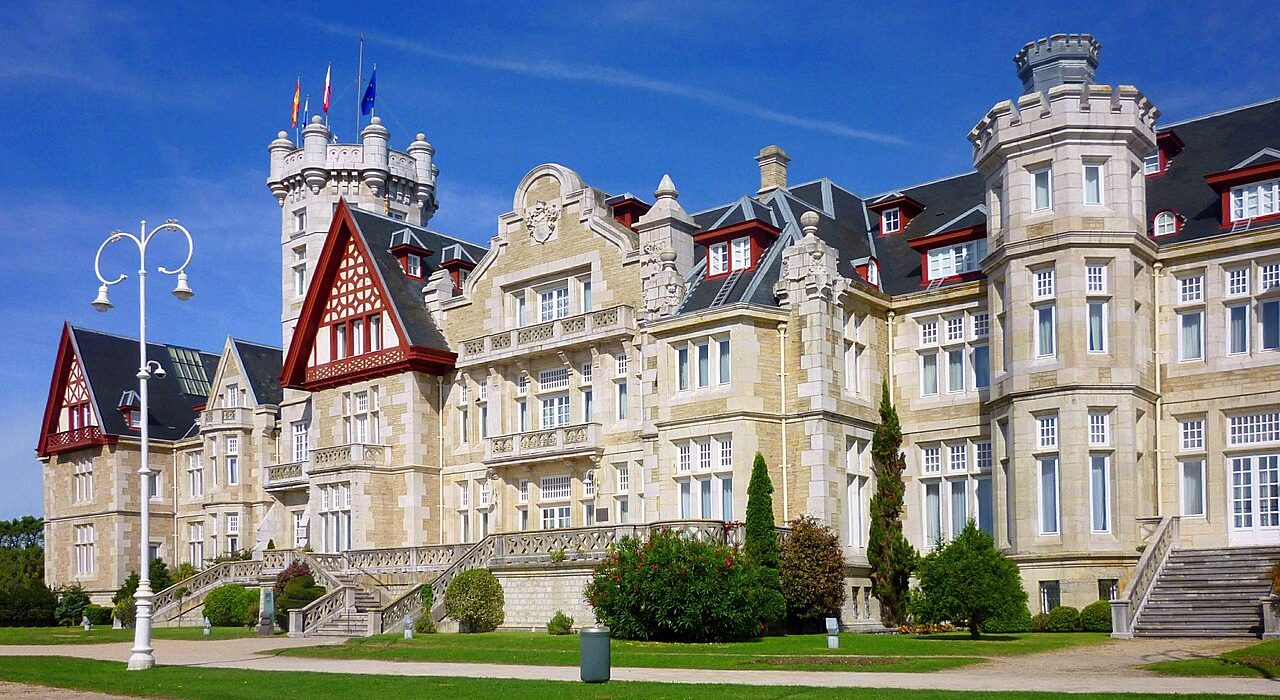
Palacio de la Magdalena (Magdalena Palace)
This building is the crown jewel, located on the spectacular Magdalena Peninsula, and served as the former summer residence of the Spanish royal family. Its privileged location offers unparalleled panoramic views over the bay and the Cantabrian Sea, making it the perfect place to understand the city’s aristocratic history. To visit, note that opening hours are from 10:00 to 19:00 and admission tickets are required, but strolling through the gardens and exploring the palace interior is absolutely worth it.
Catedral de Santander (Santander Cathedral)
This monumental complex is fascinating because it comprises two superimposed Gothic churches, an uncommon construction revealing different historical stages of the diocese. The lower crypt, known as the Iglesia de la Santa Cruz (Church of the Holy Cross), dates back to the 12th century, while the upper section is more recent, creating a space of great architectural and spiritual interest. Visitors can access the site from 10:00 to 13:00 and from 16:30 to 19:00 to admire its details and religious significance in the region.
Playa de El Sardinero (El Sardinero Beach)
This is Santander’s most famous urban beach, an icon of elite tourism divided into two sections and bordered by an elegant promenade lined with historic buildings. It is the ideal spot to soak up the local atmosphere, watch beachgoers, and appreciate the early 20th-century architecture surrounding the sand. Although the Cantabrian waters can be cool, the setting and the beach’s vastness make it an essential social hub during the summer months.
Centro Botín (Botín Centre)
Designed by the renowned architect Renzo Piano, this art center has become a cultural landmark with its contemporary art exhibitions and stunning bay views from the terraces. The building itself is a work of art connecting the port with the city, offering a spacious and luminous environment to enjoy current creativity. Opening hours are from 10:00 to 20:00 and admission is required, making it a must-visit stop for lovers of modern culture.
Museo de Prehistoria y Arqueología de Cantabria (Museum of Prehistory and Archaeology of Cantabria)
This museum offers a profound insight into the Prehistory and History of Cantabria, preserving key pieces related to the portable art of northern Spain linked to the UNESCO heritage of the Cantabrian caves. Its permanent exhibitions include lithic tools and interactive audiovisual media explaining the evolution of lifestyles in the region. It is an educational and dynamic museum facility, perfect for discovering representative European Paleolithic heritage in an engaging way.
Other points of interest
- Museo Marítimo del Cantábrico (Maritime Museum of the Cantabrian Sea): Museum dedicated to marine life and humanity’s relationship with the Cantabrian Sea.
- Faro de Cabo Mayor (Cabo Mayor Lighthouse): Iconic lighthouse on a cliff offering stunning views of the Cantabrian Sea, housing an art center inside.
- Jardines de Pereda (Pereda Gardens): Historic gardens officially inaugurated in 1905 on land reclaimed from the sea that once served as a harbor dock, featuring over 200 trees.
- Paseo de Pereda y Jardines (Pereda Promenade and Gardens): A wide seaside promenade and gardens that form the social heart of the city, located alongside the bay.
- Plaza Porticada (Porticoed Square, also known as Plaza de Velarde): Neoclassical square with a porticoed layout, rebuilt after the fire of 1941.
- Puertochico: Former fishing port that concentrated maritime activity during the 19th and early 20th centuries, now a leisure area.
- Monumento a los Raqueros (Monument to the Raqueros): Sculpture honoring the child divers who recovered coins thrown from ships into the bay.
- Plaza de Pombo: One of Santander’s most popular and bustling squares, located in the core of the city’s commercial district.
- Plaza de Cañadío: Situated in the nerve center adjacent to Plaza Pombo, it embodies the rhythm of the Cantabrian capital with its local atmosphere.
🍂 Otoño
El otoño trae consigo un ambiente más tranquilo y colores hermosos en la bahía. Aprovecha para degustar la mejor gastronomía marina mientras las temperaturas comienzan a bajar. Es el momento perfecto para entrar en los restaurantes tradicionales a comer bien.
What to do in Santander
Santander offers specific activities ranging from immersion in its traditional festivals to enjoying its gastronomic markets and neighborhoods with their own distinct character. During July, do not miss the Semana Grande (Big Week), the city’s main festival in honor of Saint James the Apostle, which fills the streets with concerts, fireworks, and fairs. It is also highly recommended to attend the Baños de Ola (Wave Baths), a festival recreating the arrival of the first tourists to El Sardinero beaches in the early 20th century, capturing the essence of the city’s golden age. For a more local experience, visit the Mercado de la Esperanza, an impressive iron and glass building where you can find local produce, or the Mercado del Este, a former market converted into a dining and leisure zone with beautiful architecture.
Santander in one day: express itinerary
If you are short on time, this itinerary will allow you to see the essentials of the city on foot while enjoying its best views.
- 10:00 – Palacio de la Magdalena (Magdalena Palace): Start the day with energy by visiting the former royal residence on the peninsula to enjoy panoramic views of the bay.
- 12:30 – Centro Botín: Walk towards the center to admire Renzo Piano’s architecture and enjoy a contemporary art exhibition with sea views.
- 14:30 – Lunch in Puertochico: Head to the former fishing port to have lunch at one of its restaurants offering sea views and historic architecture.
- 16:30 – Santander Cathedral: Visit the monumental complex of two superimposed churches to learn about the city’s religious history.
- 18:00 – Paseo de Pereda y Jardines (Pereda Promenade and Gardens): End the day strolling through the social heart of the city, connecting the urban center with the sea before dinner.
Where to eat in Santander: local gastronomy
Where to stay in Santander
El Sardinero
Elegante barrio junto a las playas principales, ideal para pasear y disfrutar del mar.
Puertochico y Cañadío
Zonas contiguas llenas de bares de pinchos, restaurantes y ambiente nocturno.
Centro
Área comercial y cultural alrededor del Ayuntamiento y el Paseo de Pereda.
How to get to Santander
The city is well connected by land, sea, and air, facilitating access from different points of the peninsula and abroad.
| Medio | Detalles | Conexiones / Carreteras |
|---|---|---|
| Tren | Estación de Santander (Adif) (sin AVE). | Destinos directos: Madrid, Alicante, Bilbao, Oviedo |
| Autobús | Estación de Autobuses de Santander. | Compañías: Alsa, Turytrans, Bilman Bus |
| Avión | Aeropuerto Seve Ballesteros-Santander (SDR) a 5 km. | Vuelos nacionales e internacionales |
| Coche | Acceso por autopistas y carreteras nacionales. | A-8, A-67, S-10, N-623, N-611 |
Getting around Santander
Once in the city, getting around is simple thanks to its manageable size and public transport options. The city center is mostly pedestrianized, inviting you to walk from Plaza de Pombo to the Jardines de Pereda. For longer distances or to reach neighborhoods like El Sardinero, you can use the urban bus, which covers the main routes of the capital. Furthermore, the city features a very large pedestrian center that facilitates walking between the main tourist attractions and commercial areas.
Weather in Santander
Best time to visit Santander
Day trips from Santander
Santander’s location in northern Spain makes it a strategic starting point for visiting other important cities in the region. One of the most popular options is to visit Bilbao, a dynamic city known for its modern architecture and cultural offerings, located a short distance away. It is also highly recommended to take a day trip to Oviedo, the capital of the Principality of Asturias, which offers a monumental historic center and excellent gastronomy. Both cities are ideal destinations to complete your experience in northern Spain.
Who is Santander for
Santander is a versatile destination that attracts some 508,054 travelers annually (INE), with 34% being foreigners, demonstrating its international appeal. It is ideal for couples seeking romantic walks along the bay and dinners in Puertochico, as well as for families wanting to enjoy the beaches of El Sardinero and the Palacio de la Magdalena. History lovers will find much to explore in the Cathedral and the Prehistory Museum, while foodies will enjoy the rich selection of rabas and anchovies. With an average stay of 1.95 nights, it is perfect for weekend getaways or short trips.
Frequently Asked Questions about Santander
How many days do I need to see Santander?
With an average stay of 1.95 nights according to INE data, a weekend (2-3 days) is enough to see the main attractions such as the Palacio de la Magdalena (Magdalena Palace), Centro Botín, and the Catedral (Cathedral), in addition to enjoying the local gastronomy.
Is Santander expensive?
Santander has options for all budgets: you can find hostels from €20-35/night, 3-star hotels between €60-100/night, and 4-5 star hotels between €100-220/night. An average meal usually costs between €15-25.
What is the best time to visit Santander?
The best time is from June to September, when the average summer temperature is 20°C. It is recommended to avoid November to February, when the average temperature is 10°C and there is a higher probability of rain.
How do I get to Santander from Madrid?
You can arrive by train from Santander Station (Adif), which has direct destinations from Madrid (although without AVE). You can also arrive by bus from Santander Bus Station with companies like ALSA, or by car via highways A-67 and N-623.
What must I eat in Santander?
You cannot miss the rabas (fried squid), cocido montañés (mountain stew), anchovies from Santoña, and quesada pasiega for dessert. It is also recommended to visit the Mercado de la Esperanza (Hope Market) to see local products.