Leganés
Comunidad de MadridClimate
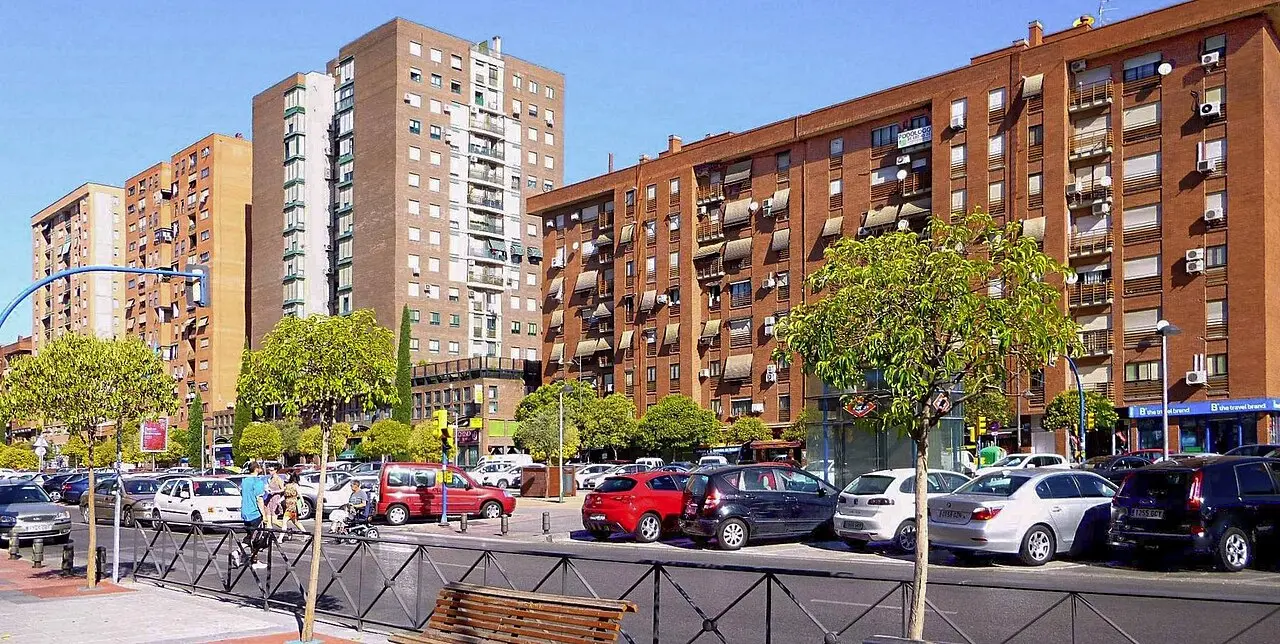
The streetlamps along Paseo de Colón (Columbus Promenade) flicker on just as the central canal of Parque Central de Leganés (Leganés Central Park) mirrors the last orange hues of the evening. A few metres away, someone orders another caña on a terrace in the San NIcasio neighbourhood while the smell of cocido madrileño (Madrid-style stew) drifts out of a tavern with a steel bar. You are 11 kilometres southwest of Madrid, in a city of 192,000 inhabitants that has no need for posturing: it boasts Baroque altarpieces, chapels beside the Butarque stream, a stadium that throbs in the Primera División and bars where the tapa still comes free with your drink. If you are looking for a Madrid getaway without the crowds, with neighbourhood prices and authentic flavour, Leganés will surprise you.
The must-seesWhat to see in Leganés: the essentials
Leganés concentrates its heritage in the old town and its surroundings, with churches that house remarkable altarpieces, chapels linked to centuries-old pilgrimages and urban parks that are the lungs of the municipality. Here there are no queues or crowded audio guides: there is stone, silence and plenty of history of the kind told in bars.
Parish Church of San Salvador
The parish church of San Salvador is Leganés’s main religious building and a must-see stop if you are interested in sacred art. Inside it preserves an altarpiece considered one of the most prized artistic elements in the municipality, and you can explore it even before you travel thanks to a virtual tour. The temple has undergone several reforms and extensions throughout its history, so look closely: Mudejar and Baroque features coexist within the same building. Enter slowly, look up and let the mix of eras tell you the story of the city.
Church of San Nicasio
The church of San Nicasio combines elements from different periods and houses an altarpiece dedicated to the saint that is highly valued by locals. It is the epicentre of the September patron saint festivities, when the whole neighbourhood takes to the streets. If you happen to be here on those dates, you will understand why this corner is much more than a church: it is the emotional heart of Leganés.
Chapel of Nuestra Señora de Butarque
Dedicated to the patron saint of Leganés, this chapel stands beside the Butarque stream, in a setting that retains the atmosphere of the old farmland of southern Madrid. It is the destination of the annual September pilgrimage and one of the most emblematic religious buildings in the municipality. The walk here, amid stream-side scenery and tradition, is as rewarding as the chapel itself.
Chapel of San Cristóbal
A small chapel of traditional worship linked to the town’s popular celebrations. It forms part of the municipality’s lesser religious architecture and can be visited quickly, ideal for completing a route through the historic temples of Leganés.
Parque Central de Leganés
Opened in the late 20th century on Paseo de Colón, it covers some 9,704 m² and is the most central green space in the municipality. Its central canal with ornamental fountains is the reference point for strolling, sitting down to read or simply watching local life go by. It features a monument to Pablo Iglesias in the seating area and a children’s play area, so it works both for a quiet break and for a visit with kids.
Casa de Don Juan de Austria
A historic building linked to Don Juan de Austria, located at Calle Jeromín number 24. Its façade recalls the rustication of the Palace of Charles I of Spain and V of Germany, a detail that does not go unnoticed. It is a protected historic site, open to the public and a key piece of Leganés’s civil heritage.
Egaleo Theatre
One of the municipality’s leading cultural venues, with a varied programme of performing arts including theatre, dance, music and family shows. It also gives space to local and national companies, so check its schedule if you want to round off the day with some culture.
Parque de La Chopera
It has two children’s play areas, a pétanque court, a kiosk and an ornamental fountain, ideal for an afternoon outdoors without leaving the city.
Church of San Pedro de la Polvoranca
A ruined building in Polvoranca, a corner with a melancholy air for those who enjoy heritage in its purest state.
Unnamed mass grave 1186/2009 MADR
A Spanish Civil War mass grave listed in the graves map, a place of historical memory that invites reflection.
La Polvaranca archaeological site
A site of cultural interest that extends Leganés’s heritage offering beyond the town centre.
🍂 Otoño
Si visitas Leganés en otoño, el clima sigue siendo bastante bueno, sobre todo de septiembre a octubre, dentro de la mejor época para ir. Las Fiestas de San Nicasio en octubre marcan el ambiente festivo, y el Museo de Escultura de Leganés es un plan cómodo si llueve. Lleva un paraguas plegable por si cae algún chaparrón.
What to do in Leganés
Leganés offers patron saint festivals with open-air dances and free concerts, a Carnival parade that fills the streets in February, night markets with tapas and barrios with so much personality they almost feel like independent towns. If you come in August, the Fiestas Patronales in honour of Nuestra Señora de Butarque (Our Lady of Butarque) are the big event: fairground, peñas, religious acts with the transfer and procession of the Virgin, and an atmosphere that’s contagious. In October, the Fiestas de San Nicasio celebrate the patron saint who, according to tradition, freed the town from the plague, with a procession, popular paella, giants and more concerts.
For something more everyday, head to the Mercado Central de Leganés (Central Market): fresh food stalls and a tapas area that really comes alive at night. And if you like football, the Estadio Municipal de Butarque, home of CD Leganés, is a working-class neighbourhood experience hard to match in Madrid.
Leganés in a day: express itinerary
With a well-organised day you can get a very complete picture of Leganés. This itinerary takes you from the historic centre to the green lung, with stops to eat and enjoy tapas.
- 09:30 – Parroquia de San Salvador: start with the municipality’s main religious building and its altarpiece, the most valued artistic element in Leganés.
- 10:30 – Iglesia de San Nicasio: walk to the historic neighbourhood and discover the church that gives its name to the September and October festivals.
- 11:30 – Casa de Don Juan de Austria: stroll along Calle Jeromín and observe the façade reminiscent of the Palacio de Carlos I. It is a protected historic site and accessible.
- 13:00 – Mercado Central de Leganés: time for tapas among fresh produce stalls. Order a caña and let the bar speak for itself.
- 17:00 – Parque Central de Leganés: after-lunch relaxation beside the central canal with ornamental fountains. If you’re travelling with children, the play area is perfect.
- 19:30 – Ermita de Nuestra Señora de Butarque: round off the day beside the Butarque stream, at the municipality’s most emblematic pilgrimage site.
Where to eat in Leganés: local gastronomy
Where to sleep in Leganés
Casco Antiguo / Centro
Núcleo histórico de Leganés, con calles peatonales, plazas y edificios singulares como la Iglesia de San Salvador y el Ayuntamiento. Ambiente tranquilo durante el día y animado los fines de semana.
San Nicasio
Barrio residencial y obrero, conocido por su ambiente auténtico y su cercanía al centro. Cuenta con el Estadio Municipal de Butarque (CD Leganés) y zonas verdes.
La Fortuna
Barrio periférico al oeste del municipio, con carácter residencial y buena conexión por metro. Ambiente familiar y tranquilo, con parques y servicios locales.
Zarzaquemada
Zona residencial densamente poblada, con amplia oferta de comercios y servicios. Bien comunicada por metro y cercanías, ambiente de barrio trabajador.
El Carrascal
Barrio residencial con grandes avenidas y parques, como el Parque de El Carrascal. Ambiente familiar y tranquilo, con buena conexión de transporte público.
Vereda de los Estudiantes
Zona residencial en expansión, con viviendas nuevas y espacios verdes. Ambiente tranquilo y familiar, ideal para estancias largas.
How to get to Leganés
From Madrid, the fastest option is the train: 14 min (Regional), 160 a day.
| From | Direct train | Direct bus | Car |
|---|---|---|---|
| Madrid | 14 min · 160/day Regional | — | 21 min 14 km |
| Móstoles | 45 min · 146/day Cercanías C5 | — | 16 min 12 km |
| Fuenlabrada | 6 min · 150/day Regional | — | 8 min 6 km |
| Alcorcón | 40 min · 146/day Cercanías C5 | — | 12 min 9 km |
| Talavera de la Reina | 58 min · 14/day Intercity | — | 1 h 21 min 112 km |
| Cáceres | 2 h 55 min · 13/day Intercity | — | 3 h 12 min 291 km |
| Plasencia | 2 h 22 min · 7/day Intercity | — | 2 h 44 min 246 km |
| Badajoz | 3 h 52 min · 5/day Intercity | — | 4 h 16 min 393 km |
| Mérida | 3 h 34 min · 5/day Intercity | — | 3 h 39 min 339 km |
| Sevilla | 8 h 07 min · 2/day Regional | — | 5 h 40 min 525 km |
Direct trains and buses from the official timetables published by the operators on Spain's National Transport Access Point (a reference Wednesday); driving times from OpenStreetMap. Operators that do not publish their timetables may run more services. Check the timetable before you travel.
Getting around Leganés
Urban transport in Leganés relies on a network of city buses connecting the main neighbourhoods and points of interest. To get between the centre, San Nicasio, La Fortuna, Zarzaquemada or El Carrascal, the bus is the most practical option. If you’re coming from Madrid, the Cercanías commuter train drops you at Alonso de Mendoza station, and from there the old town is just a short walk away. For short distances within the centre, walking is best: the pedestrian streets and squares of the old town are best enjoyed on foot.
Weather in Leganés
Best time to visit Leganés
Day trips from Leganés
Leganés is a great base for exploring the Community of Madrid without paying capital-city prices. Just eleven kilometres away is Madrid, with all its museums, neighbourhoods and cultural life a short Cercanías train ride away. To the west it borders Alcorcón, and to the north the Madrid districts of Carabanchel and La Latina, perfect for an afternoon of tapas without leaving the province. The Cercanías network and city buses make it easy to get around the region and come back to sleep soundly in Leganés.
Curious facts about Leganés you didn’t know
The original name wasn’t Leganés, but Legamar. Sixteenth-century administrative texts record the change through corruption of the language. So every time you say “Leganés” you’re pronouncing a distorted version of its historical name.
Cucumbers made a whole town famous. The unofficial demonym “pepinero” (cucumber grower) was born from the success of Leganés cucumbers at Madrid’s Cebada market. The official one is “leganense”, but in bars and at the stadium the cucumber rules.
One of the country’s first mental asylums opened here. The old Hospital Psiquiátrico de Santa Isabel, inaugurated in 1851, was a pioneer in Spain. A fact that says a lot about Leganés’s historical role in Madrid’s healthcare.
A 50-cent price rise sparked Leganés’s first known demonstration. In 1910, councillor Eleuterio Durán de la Barrera raised the tram fare and residents took to the streets. Half a cent of nothing, and there you have it.
Spain’s last pistol duel was fought next to La Fortuna. In 1870, the Duke of Montpensier and Enrique de Borbón fought the last documented pistol duel in the country, in what is now a neighbourhood of Leganés. Spanish history in an empty lot.
Don Juan de Austria lived at Calle Jeromín 15. The half-brother of Philip II spent from a few months old to age 6 in Leganés. That’s why the Casa de Don Juan de Austria (House of Don Juan de Austria), at Calle Jeromín 24, carries so much symbolic weight in the municipality.
Who is Leganés for
Leganés is for travellers who prefer the flavour of a real neighbourhood to tourist sparkle. Families find parks, green spaces and quiet neighbourhoods like El Carrascal or La Fortuna. Backpackers and budget-conscious travellers appreciate the authentic atmosphere of San Nicasio and tapas at everyday prices. Lovers of history and sacred art have altarpieces, chapels and civil heritage such as the Casa de Don Juan de Austria. And foodies who steer clear of pretension enjoy cocido madrileño (Madrid-style stew), home-style stews and a Bib Gourmand that won’t blow the budget. If you’re after luxury or sophisticated nightlife, this isn’t your place; if you’re after the real thing, it is.
Frequently asked questions about Leganés
How many days do I need to see Leganés?
With a full day you can see the essentials: the Parroquia de San Salvador (Church of San Salvador), the Iglesia de San Nicasio (Church of San Nicasio), the Casa de Don Juan de Austria (House of Don Juan de Austria), Parque Central and the Ermita de Nuestra Señora de Butarque (Hermitage of Our Lady of Butarque). If you want to explore the neighbourhoods at a leisurely pace, the Mercado Central (Central Market) and a show at the Teatro Egaleo (Egaleo Theatre), two days are perfect.
What is the best time of year to visit Leganés?
From May to October, with an average summer temperature of 25.2°C and a winter average of 6.9°C. Annual rainfall is only 355.0 mm, so the weather is usually on your side. August and October are when the patron saint festivals and those of San Nicasio take place.
How do I get to Leganés from Madrid?
By Cercanías commuter train from Madrid to Alonso de Mendoza station, with high frequency according to Renfe. By car it is about eleven kilometres from the capital, around 20-30 minutes depending on traffic. There is also an urban bus connecting to the metropolitan network.
What is the nearest airport to Leganés?
Adolfo Suárez Madrid-Barajas Airport (MAD), located 34 km away by road, about 32 minutes by car. From there you can reach Leganés by car, taxi or a combination of public transport.
What typical dishes should I try in Leganés?
Cocido madrileño (Madrid-style stew) served in three courses, neighbourhood tapas on the routes through San Nicasio, and the roasts and home-style stews of Castilian cuisine. All of it pairs well with the evening tapeo at the Mercado Central.