Torrelavega
CantabriaClimate
The sweet aroma of freshly baked puff pastry mingles with the morning bustle at the Mercado Nacional de Ganados (National Livestock Market), a modernist building by Leonardo Rucabado that beats as the commercial heart of the city. As you walk through the Plaza de Pequeñeces, under the watchful gaze of the statue of Luis Coloma, you feel how the history of this city of 51,000 inhabitants intertwines with the daily life of its residents. Here, between the green banks of the Saja and Besaya rivers and the 19th-century civil architecture, every corner tells a story worth stopping to hear.
The must-seesWhat to see in Torrelavega: the must-sees
Mercado Nacional de Ganados Jesús Collado Soto
This venue is a livestock facility of national and European reference that has maintained the tradition of fairs since 1973. Inaugurated by the King and Queen of Spain, it features a spectacular open-plan structure of around 15,000 square meters that made it the largest livestock market in Europe at the time. It is essential for experiencing daily activity and authentic local gastronomy, being today a key commercial hub where fresh products are traded. It also houses the Tourist Office, providing information on heritage and routes in the region.
Puff Pastry Gastronomy
Torrelavega is considered one of the meccas of puff pastry in Cantabria, consolidating this dough as one of the great symbols of the city. Its gastronomic heritage includes a museum space in the former Town Hall on Plaza Baldomero Iglesias, dedicated to local history and workshop machinery. The tour highlights the craft of master confectioners and the techniques of kneading, folding, resting, and baking that make a light and crispy puff pastry possible. It is a must-visit to understand the sweet identity of the region.
Camino del Norte (Northern Way)
This pilgrimage route crosses the municipality of Torrelavega on its way to Santiago, constituting a historic stopover between the Meseta and Santander. It serves as a branching point toward the Camino Lebaniego, and its heritage includes the neoclassical Church of San José and the Cruz de Torrelavega (Cross of Torrelavega). It has been a traditional livestock trading nexus since the 18th century, shaping the city’s development. Walking its stretches is connecting with centuries of history of pilgrims and merchants.
Banks of the Saja and Besaya Rivers
These natural environments are where the Saja and Besaya rivers flow through the city, creating a unique green landscape. They are ideal for walking or cycling routes, allowing you to glimpse both the coast and the interior from the Besaya region. The variety of hiking and cycling tourism routes surrounded by lush green hills makes them the lungs of the city.
Church of Nuestra Señora de la Asunción
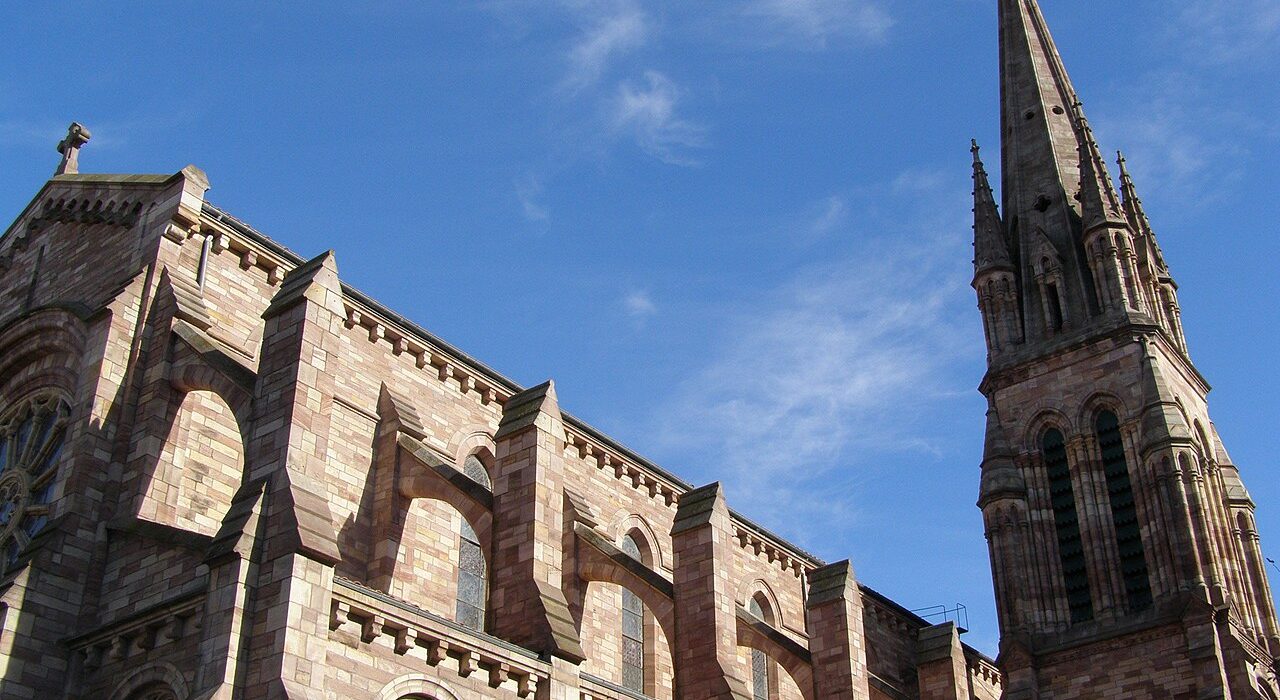
This church is an essential heritage element in Cantabria and part of the historic center developed around the Torre de los Velarde (Tower of the Velarde family). Its presence defines the religious profile of the city and houses elements of interest for lovers of sacred architecture. It is a quiet stopping point amid the urban dynamism.
Church of the Virgen Grande
This is a religious building located in Torrelavega, Spain, that plays a central role in the August patron saint festivities. Its importance lies in being the focus of religious processions and local devotion during the most crowded celebrations of the year. It is a testament to the faith and tradition of the people of Torrelavega.
Torreón de Cartes
This palace is part of the unique enclaves mentioned to visit in the region of Cantabria and stands out within the historical heritage. Its architecture represents a significant example of the stately constructions that dot the local geography. It is a recommended visit for those seeking to understand the historical social structure of the area.
Teatro Concha Espina
This cultural landmark is home to the prestigious Torrelavega Winter Festival (FICT), a theatre competition and season held every January. It offers a broad national programme featuring comedies, classic dramas, and children’s shows with leading Spanish casts. It is the city’s main stage and an emblematic venue for enjoying the performing arts.
Palacio de Demetrio Herrero
An emblematic palatial structure built in 1888 that serves as the seat of Torrelavega City Council. Its three-storey ashlar stone façade stands out for a central portico with three semicircular arches resting on Doric columns, representing a significant example of the historic architecture visible on Boulevard Luciano Demetrio Herrero.
Centro Nacional de Fotografía José Manuel Rotella
Located in Torrelavega, it is dedicated to exhibiting photographic works and temporary artistic activities. It serves as a benchmark for visual culture in the Cantabrian region with a regular established programme. Its rooms host exhibitions that complement the local museum offering within the municipality’s permanent cultural calendar.
Plaza de Pequeñeces
An emblematic central square in Torrelavega dedicated to the writer Luis Coloma, author of the novel of the same name. It features a statue in his honour and houses the municipal Tourist Office services to provide information to travellers. Its urban design makes it the main meeting point for those starting a tour of the city centre.
Parque del Agua
Situated in Aniezo, Cabezón de Liébana, this ethnographic park illustrates the traditional workings of the fulling mill and the flour mill powered by water. It offers visits to historic hydraulic systems, a small power station, a washhouse, and a medieval bridge for cultural enjoyment.
🍂 Otoño
En otoño las temperaturas bajan y la lluvia aumenta, pintando los alrededores de colores ocres muy bonitos. Es la estación perfecta para probar la gastronomía local caliente, aunque necesitarás ropa de abrigo por capas. No te pierdas los productos de temporada mientras te resguardas en las cafeterías.
What to do in Torrelavega
Torrelavega offers specific activities such as attending the Gala Floral (Flower Gala) in August, a parade of floats covered with millions of natural flowers declared a Fiesta of National Tourist Interest, or enjoying the Festival Música en Grande in June, one of the most crowded pop-rock festivals in Cantabria held in the Óscar Freire fields. You can also explore the industrial heritage left by the chemical, food, and metallurgy sectors developed in the 19th and 20th centuries, integrated into the Cantabria Industrial Heritage Network. For sports lovers, it is possible to follow hiking routes that pay tribute to legendary cyclists or visit the Cementerio de La Llama, a mass grave from the Spanish Civil War recorded on the map of mass graves.
Torrelavega in one day: express itinerary
- 10:00 AM – Plaza de Pequeñeces: Start your day in the heart of the city, visiting the statue of Luis Coloma and picking up information at the Tourist Office to get your bearings.
- 11:30 AM – Mercado Nacional de Ganados: Tour this modernist building by Leonardo Rucabado, an open-plan structure of 15,000 square metres that was the largest livestock market in Europe.
- 13:30 PM – Hojaldre gastronomy: Spend the hour before lunch discovering the museum space in Plaza Baldomero Iglesias and taste the hojaldre (puff pastry), a symbol of the city.
- 15:30 PM – Banks of the Saja and Besaya rivers: After lunch, take a walk or bike ride along these natural environments that flow through the city.
- 18:00 PM – Teatro Concha Espina or Palacio de Demetrio Herrero: End the day admiring the architecture of the Town Hall (1888) or checking the billboard of the municipal theatre.
Where to eat in Torrelavega: local gastronomy
Where to stay in Torrelavega
Centro (Casco Antiguo)
Es el corazón comercial y administrativo de la ciudad, donde se fusiona la vida cotidiana de los locales con la arquitectura civil más representativa. Pasear por sus calles peatonales es disfrutar de un ambiente dinámico repleto de terrazas, cafeterías y comercios tradicionales. Destacan sus plazas monumentales y sus notables edificios de finales del siglo XIX.
El Zapatón
Es una de las zonas residenciales más tranquilas y valoradas, estratégicamente situada a escasos pasos de la zona central. Se caracteriza por un urbanismo más holgado, albergando importantes equipamientos educativos, culturales y de recreo. El ambiente es relajado e idóneo para dar un paseo familiar o descansar tras una jornada de turismo.
La Inmobiliaria
Se trata de un histórico y denso barrio residencial que goza de un marcado ambiente multicultural y una incesante actividad a pie de calle. Aquí abundan los pequeños comercios de barrio, locales de alimentación diversa y un carácter popular sumamente auténtico. Además, limita y se integra perfectamente con espacios verdes clave de la ciudad.
Tanos
Antigua pedanía rural hoy plenamente integrada en la urbe, que mantiene con orgullo su identidad de carácter familiar y de vecindario afable. Dispone de excelentes servicios y zonas deportivas de gran relevancia regional, además de la principal conexión ferroviaria de la zona. Es una excelente base de operaciones para el viajero que prefiere entornos menos congestionados.
Viérnoles
Situado en el sector sur, a los pies del imponente monte Dobra, es un núcleo rural de incalculable valor patrimonial. Conserva un extraordinario conjunto de casonas montañesas y palacios de los siglos XVII y XVIII que asombrarán al visitante. Su atmósfera es apacible, rodeada de senderos, valles verdes e historia viva.
Nueva Ciudad
Es un barrio de diseño moderno y avenidas espaciosas que acoge el campus universitario local, inyectando un dinamismo juvenil indiscutible. Destaca por contar con amplias instalaciones de ocio y eventos a gran escala que atraen a público de toda Cantabria. Su vida diurna y vespertina es muy activa y animada.
How to get to Torrelavega
| Medio | Duración | Precio aprox. | Frecuencia |
|---|---|---|---|
| Tren (Estación Torrelavega) | Variable según origen | Según Renfe | Regular (sin AVE) |
| Autobús (Avda. Oviedo 1) | Variable según origen | Económico | Frecuente |
| Avión (Aeropuerto Cóbreces) | Cercano a la ciudad | Variable | Según vuelos |
How to get around Torrelavega
To get around the city, you have an urban bus service that connects the different neighborhoods and points of interest. Given how compact certain areas such as the Centro or La Inmobiliaria are, many parts of the city are perfectly walkable, especially the pedestrian streets of the urban center.
Weather in Torrelavega
Live webcam — La Helguera*
Torrelavega* The nearest webcam to Torrelavega is in La Helguera, 3.9 km away.
Source: Windy Webcams
Best time to visit Torrelavega
Day trips from Torrelavega
From Torrelavega you can take day trips to other cities in the region of Cantabria. The city acts as a river and industrial communications hub located just 8 kilometers from the Cantabrian coast, making it easy to reach coastal or inland destinations. The Camino del Norte (Northern Way) also serves as a guide for exploring historic sites along the route toward Santiago or the Camino Lebaniego.
Fun facts about Torrelavega you didn’t know
Did you know that the city’s name comes from a noble tower? The ‘Torre de la Vega’ was commissioned by Leonor de la Vega, mother of the Marqués de Santillana, during the 14th century to administer taxes in the area of the fertile plain of the Besaya River.
Cycling runs through Torrelavega’s veins. Vicente Trueba, nicknamed ‘La Pulga de Torrelavega’ (The Flea of Torrelavega), became in 1933 the first cyclist in Tour de France history to win the official ‘King of the Mountains’ classification. Additionally, local cyclist Óscar Freire holds the world record for UCI Road World Championships titles in the men’s category, having won the title on three occasions (1999, 2001, and 2004).
Culture also has its local stars. The renowned Spanish actor Antonio Resines, awarded the Goya Award in 1997 for ‘La buena estrella’ (The Lucky Star), was born in Torrelavega on August 7, 1954. Likewise, filmmaker Manuel Gutiérrez Aragón shot key parts of ‘La vida que te espera’ (The Life That Awaits You) (2004) inside the Mercado Nacional de Ganados (National Livestock Market).
In the sporting arena, Real Sociedad Gimnástica de Torrelavega, founded on September 28, 1907, holds the record as the oldest football club in Cantabria still in operation, bearing the title of ‘Real’ (Royal) granted by King Alfonso XIII in 1922.
Who Torrelavega is for
Torrelavega is an ideal destination for foodies looking to explore the mecca of hojaldre (puff pastry) and cocido montañés (Cantabrian chickpea stew), as well as for history lovers interested in the industrial heritage and 19th-century palaces. Families will find a safe and relaxed environment in neighborhoods like El Zapatón and areas like Parque del Agua, while backpackers and young travelers will enjoy the multicultural atmosphere of La Inmobiliaria and the nightlife of Nueva Ciudad. Couples can find romance in the peaceful atmosphere of Viérnoles and its trails.
💡 ¿Sabías que...?
- ● El nombre de Torrelavega proviene de la torre señorial ('Torre de la Vega') que mandó construir Leonor de la Vega (madre del Marqués de Santillana y cabeza de la poderosa Casa de la Vega) durante el siglo XIV, con el fin de administrar los impuestos de la zona de la vega del río Besaya. (Ayuntamiento de Torrelavega)
- ● Vicente Trueba, apodado 'La Pulga de Torrelavega', se convirtió en 1933 en el primer ciclista en la historia del Tour de Francia en ganar la clasificación oficial del 'Rey de la Montaña' (mejor escalador), tras coronar en cabeza la mayoría de los puertos alpinos de esa edición. (Tour de Francia)
- ● El ciclista local Óscar Freire, nacido en Torrelavega, ostenta el récord mundial de Campeonatos del Mundo de Ciclismo en Ruta en categoría masculina, habiendo ganado el título en tres ocasiones (1999, 2001 y 2004), una hazaña compartida únicamente con otros cuatro ciclistas en la historia. (Unión Ciclista Internacional (UCI))
- ● La Real Sociedad Gimnástica de Torrelavega, fundada el 28 de septiembre de 1907, ostenta el récord de ser el club de fútbol más antiguo de Cantabria que se mantiene en activo. El club ostenta además el título de 'Real', concedido oficialmente por el rey Alfonso XIII en 1922. (Real Federación Española de Fútbol)
- ● El Mercado Nacional de Ganados 'Jesús Collado Soto', inaugurado en 1973 por los Reyes de España, cuenta con una espectacular estructura diáfana de unos 15.000 metros cuadrados que lo situó en su época como el mercado de ganados más grande de Europa, siendo aún hoy un eje comercial clave. (Ayuntamiento de Torrelavega)
- ● La Gala Floral de Torrelavega es un desfile de carrozas monumentales y artísticas forradas minuciosamente a mano con millones de flores naturales (principalmente dalias cultivadas localmente). Se celebra desde mediados del siglo XX y está declarada Fiesta de Interés Turístico Nacional. (Ministerio de Industria y Turismo)
- ● El afamado actor español Antonio Resines, galardonado con el Premio Goya a la mejor interpretación masculina protagonista en 1997 por 'La buena estrella' y expresidente de la Academia de las Artes y las Ciencias Cinematográficas de España, nació en Torrelavega el 7 de agosto de 1954. (Academia de Cine)
- ● El prestigioso cineasta Manuel Gutiérrez Aragón rodó en Torrelavega partes clave de su premiada filmografía, incluyendo el clímax dramático de 'La vida que te espera' (2004) en el interior del Mercado Nacional de Ganados, y múltiples escenas de 'Todos estamos invitados' (2007) en el Mercado de Abastos. (Filmoteca de Cantabria)
- ● Torrelavega es geográficamente un crucial nudo de comunicaciones fluvial e industrial situado en la confluencia de los ríos Saja y Besaya, a escasos 8 kilómetros de la costa del Cantábrico, lo que impulsó su rápido e histórico desarrollo comercial e industrial en el siglo XIX. (Instituto Geográfico Nacional)
Frequently asked questions about Torrelavega
How many days do I need to see Torrelavega?
With an express 1-day itinerary you can see the main attractions such as the Mercado Nacional de Ganados (National Livestock Market) and Plaza de Pequeñeces. However, to enjoy the gastronomy, museums, and natural surroundings, 2 or 3 days are recommended.
What is the best time of year to visit Torrelavega?
According to climate data, the best time is from June to September, with an average summer temperature of 18.8°C. This coincides with key events such as the Gala Floral (Floral Gala) and the Feria del Hojaldre (Puff Pastry Fair) in August.
How do I get to Torrelavega from Madrid?
You can arrive by train at Torrelavega station (no AVE) or by bus from the station at Avda. Oviedo 1. Cóbreces airport is also available for nearby air connections.
What is the most important festival in Torrelavega?
The Fiestas de la Virgen Grande in August are the patron saint festivities, full of color, free concerts, and the participation of the Liga de Peñas ‘Somos 39300’. Also notable is the Gala Floral, declared a Fiesta de Interés Turístico Nacional (Festival of National Tourist Interest).