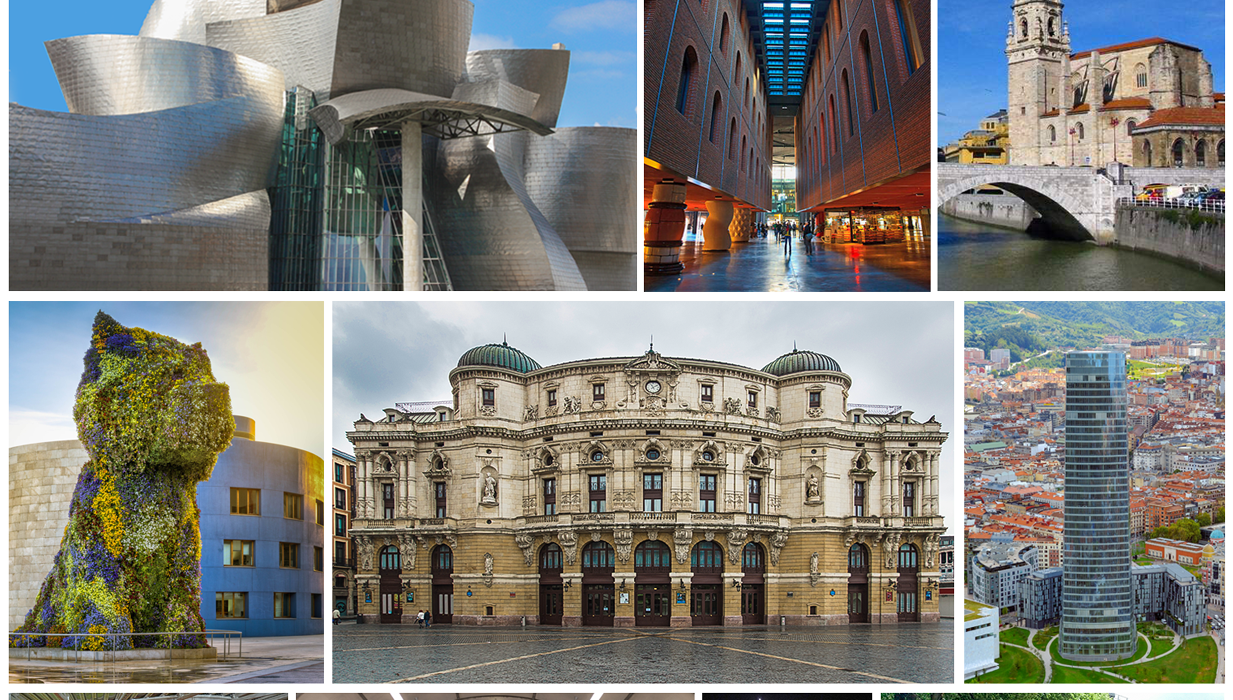
Santander → Bilbao
105 kmImagine driving with the window down, feeling the salty Cantabrian breeze gently hit you as the road glides beneath your wheels, connecting two of northern Spain’s gems in just over an hour. This journey is not merely a logistical transfer between autonomous communities, but a visual voyage through green cliffs, industrial estuaries transformed into seaside promenades, and fishing villages that seem frozen in time—all without having to stop and dig for toll coins.
How to Get from Santander to Bilbao: Quick Overview
The most efficient and economical way to travel from Santander to Bilbao is undoubtedly the bus, which covers the distance in 75 minutes for an unbeatable price of €7.66, although if you value absolute freedom and want to enjoy the coastal scenery at your own pace, the car is the winning option with a record time of 1 hour and 5 minutes. For the traveler who is in no hurry and prefers to avoid driving, the train offers a direct alternative, albeit significantly slower, taking nearly three hours to complete the journey. The final choice depends on your priority: if you seek speed and price, the Alsa bus is unbeatable; if you want to do some road tripping and stop in towns along the way, the car gives you total control; and if you prefer to read a book during the journey without worrying about traffic, the regional Renfe train is your ally, despite its long duration.
By Car from Santander to Bilbao
Driving from Santander to Bilbao is a quick and toll-free experience, as the main routes connecting both cities, such as the A-8 and A-67, have no tolls on this stretch. The most common and scenic route usually involves taking the Cantabrian Highway, known as the A-8, which hugs the coast offering spectacular sea views as you head west. This highway connects seamlessly with the local road network, allowing smooth access via national roads such as the N-629 and N-623 if you decide to detour inland or explore specific areas of Cantabria’s geography before entering Biscay. The total distance by road is just 105 kilometers, which means that in one hour and five minutes of relaxed driving you will be crossing from one region to another, enjoying well-maintained road infrastructure that makes overtaking and traffic flow remarkably easy, even on days of heavier tourist influx. Since there are no toll costs on the A-8 and A-67 highways or the N-629 and N-623 national roads for this journey, the trip budget is reduced exclusively to fuel, making this a very attractive option for groups of friends or families traveling with bulky luggage.
By train from Santander to Bilbao
The train is a viable option for stress-free travel between Santander and Bilbao, operated exclusively by Renfe with direct services connecting both cities without the need for transfers. However, travelers should be aware that this is not the fastest means of transport available, as REGIONAL trains take between 168 and 181 minutes to complete the journey, which means almost three hours of travel to cover a relatively short distance. Service frequency is limited, with only 3 trains available per day, so it requires careful planning of your schedule; the first train leaves at 7:46 in the morning, ideal for those who want to make the most of the day in Bilbao, while the last train leaves at 18:46, which forces you to return or find accommodation if you miss this departure. The origin and destination stations are Santander and Zaramillo respectively, the latter being a strategic stop that leaves you on the outskirts of Bilbao, from where you will need to connect with other local means of transport to reach the city center. Despite the slowness of the REGIONAL service, the train offers the comfort of being able to stretch your legs, use the onboard bathroom, and enjoy the Cantabrian and Biscayan landscape from the window without the stress of driving.
By bus from Santander to Bilbao
The bus represents the best value for money and speed for this route, operated by the company Alsa with a direct service that eliminates the complications of transfers. With a journey time of only 75 minutes, the bus is almost as fast as a private car, but frees you from the responsibility of driving and finding parking at your final destination. The price is one of its biggest attractions, sitting in a very economical range of 7.66€, which makes it the favorite option for students, backpackers, and travelers looking to optimize their budget without sacrificing time. Being a direct service, the bus usually makes minimal or no technical stops between origin and destination, guaranteeing punctual arrival in Bilbao. The frequency and comfort of Alsa coaches on this northern route are usually high, with luggage space and reclining seats that make the hour and a quarter journey pleasant, allowing you to arrive at your destination rested and ready to start exploring the city of the Guggenheim.
Recommended stops along the way
If you decide to make the journey by car, the route is dotted with charming towns that deserve a pause to stretch your legs, eat something typical, or simply enjoy the local architecture before reaching your final destination.
- Castro-Urdiales: This town is an almost obligatory stop if you are driving along the coast. Known for its impressive Gothic church watching over the harbor and its lively seafront promenade, Castro-Urdiales offers the perfect setting for a coffee with sea views before continuing toward Bilbao. It is an ideal midway point to break up the monotony of the road.
- Laredo: Famous for its long La Salvé beach, Laredo is the perfect destination if you are traveling in summer and looking for a refreshing swim or a walk along the sand. The old town, known as the Puebla Vieja, holds cobbled streets and emblazoned manor houses that contrast with the beach atmosphere, offering a very complete tourist experience in a short time.
- Santoña: Situated on a spectacular estuary, Santoña is known worldwide for its anchovies, but also for its military forts and its protected natural surroundings. It is an excellent stop for lovers of gastronomy and history, strategically located on the route toward western Cantabria.
- El Astillero: Just before fully entering the Bilbao estuary, El Astillero welcomes you with its seafaring and shipbuilding tradition. It is an authentic place, less touristy than its neighbors, where you can observe port activity and enjoy the tranquility of the estuary in a more local and genuine setting.
- Portugalete: Already entering the Bilbao metropolitan area, Portugalete stands out for its historic center and its visual connection with the estuary. It is a vibrant place where industrial history blends with modern leisure, perfect for one last stop before reaching the center of Bilbao.
- Santurtzi: With its fishing port and its restaurants specializing in seafood, Santurtzi is a top-tier gastronomic stop. The atmosphere of its streets and its proximity to the sea make it a point of interest for those looking to try the most traditional Basque cuisine in a seafaring setting.
- Sestao: This town, marked by its industrial past and its urban regeneration, offers parks and green areas along the estuary that are ideal for an active break. It is an example of how the area has transformed, offering pleasant spaces for the traveler moving between Santander and Bilbao.
Where to stay in Bilbao
Once you arrive at your destination, the choice of accommodation will depend on whether you are looking for the bustle of the center or the tranquility of residential neighborhoods, with options for all budgets without needing to book specific names in advance if you travel in the low season. For travelers who want to be in the heart of the action and have the main museums and shops within walking distance, the areas of Indautxu and Abando are the most recommended, as they concentrate a wide range of mid-range and upscale hotels with excellent metro connections. If your priority is the bohemian atmosphere, the narrow streets, and the nightlife, the Casco Viejo is the ideal place, where you can find charming hostels and traditional guesthouses that immerse you in the city’s history from the very first moment. For those traveling on a tighter budget or seeking a more local and quiet experience, the peripheral neighborhoods well connected by the bus and tram network offer apartments and tourist accommodations at more competitive prices, allowing you to save on your stay so you can invest more in the city’s incredible culinary scene.
Frequently asked questions about the Santander-Bilbao route
How long does it take to get from Santander to Bilbao?
Travel time varies dramatically depending on the mode of transport you choose: by car or bus the journey is very quick, taking approximately 1 hour and 5 minutes by private vehicle and 75 minutes by bus, while the regional train is considerably slower, requiring between 168 and 181 minutes to complete the trip.
Which is cheaper, the train or the bus?
The bus is generally the most economical and efficient option, with a fixed price of €7.66 according to Alsa data, while the train price can vary and, combined with its longer duration of almost 3 hours, makes it less competitive in terms of cost-effectiveness for this short journey.
Is it worth renting a car?
Yes, it is worth renting a car if you plan to visit the recommended intermediate stops such as Castro-Urdiales, Laredo or Santoña, as it gives you the freedom to explore the coast at your own pace and the journey is short (105 km) and toll-free, although if you are only going from point A to point B, the bus is more convenient.
When is the best time to travel?
The best time to travel is during spring or summer to enjoy the coastal stops such as Laredo and Castro-Urdiales, although you should keep in mind the limited train frequency (only 3 daily) and plan your schedule accordingly, especially if you depend on the last train at 18:46.
📍 También te puede interesar
Qué ver en Santander →
Qué ver en Bilbao →