Pamplona
NavarraClimate
Daily budget
What to See in Pamplona: The Essentials
More than 402,391 annual travelers (INE) choose this city not only for its festivals but also for a historical richness hidden behind its walls. With a population of 203,000 inhabitants, Pamplona combines a perfect human scale with monuments of European stature. Here is what you cannot miss, curated so you make the most of every minute of your visit.
Cathedral of Santa María la Real
This impressive Gothic complex houses one of the most beautiful cloisters in Europe, an architectural gem that alone justifies a visit to the capital of Navarre. In addition to the cathedral itself, the site includes the Diocesan Museum and the sacristy, where you can admire valuable works of sacred art. Please note that admission is required and visiting hours are from 10:30 to 19:00, so I recommend planning your arrival in advance to enjoy the tranquility of the premises.
Museum of Navarre
If you want to understand the region’s identity, this museum holds the main collection of art and history of Navarre, spanning from prehistory to the present day. It is the ideal place to contextualize what you will see on the streets, with pieces that narrate the cultural evolution of the territory. You can visit it in the morning from 09:30 to 14:00 or in the afternoon from 17:00 to 20:00, adapting perfectly to your tourism pace.
Walls and Citadel of Pamplona
One of the best-preserved Renaissance defensive complexes in Europe awaits you with 5 km of walls ready to be explored. This defensive system is not just a static monument but a living park where locals exercise and tourists enjoy panoramic views of the Pamplona basin. Best of all, access is free 24 hours a day, allowing you to walk among its bastions at sunset at no cost.
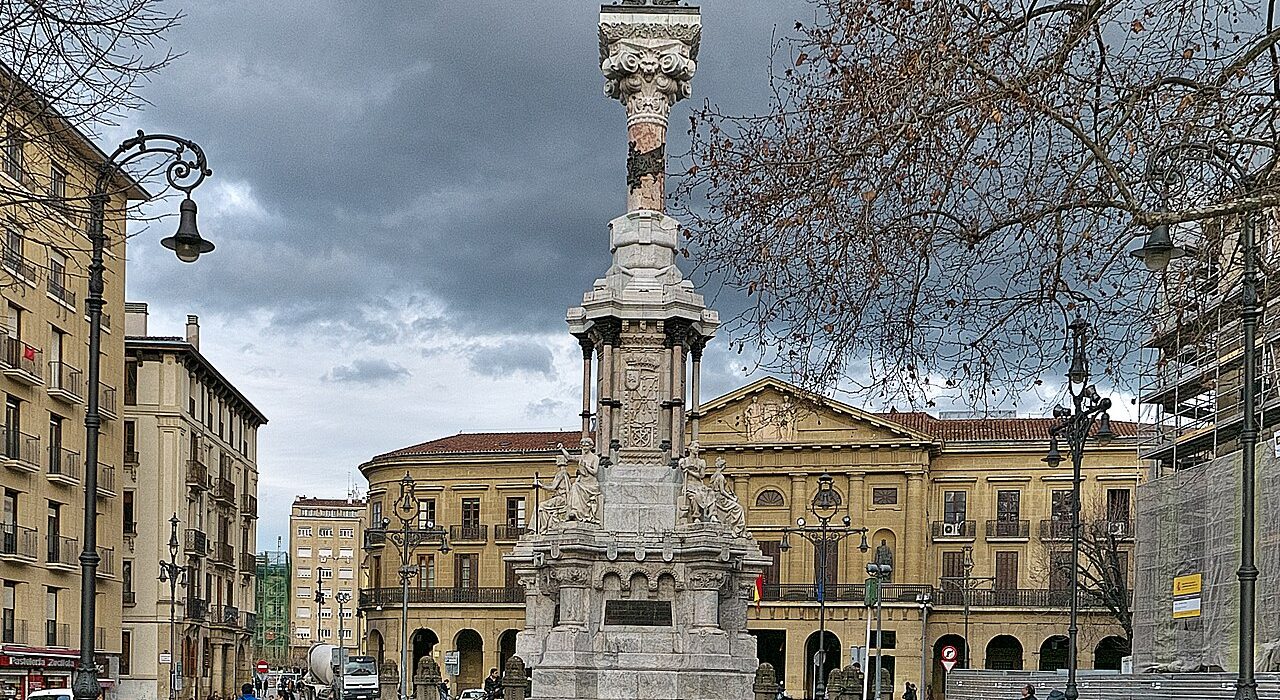
Monument to the Fueros
This bronze sculpture created by Rafael Huerta is a must-see stop commemorating the world-famous bull run held annually during the San Fermín festival. Located in a public space accessible to tourists near the bullring, it serves as a meeting point and a place for reflection on the city’s bullfighting tradition. It is one of the attractions you cannot miss on your visit, especially if you want to capture the essence of the festivities from an artistic perspective.
Taconera Park
The oldest gardens in Pamplona will transport you to a romantic and Versailles-style setting, perfect for a rest between cultural visits. Inside the park, you will find a small zoo that is usually a hit with families and children, as well as large green areas for picnics. Opening hours vary by season, but it generally opens from 07:00 to 22:00, offering a green lung right in the urban center.
Plaza Consistorial
Home to the Pamplona City Hall, established after the Privilege of the Union upon the convergence of the three medieval boroughs, this building renovated between 1753 and 1759 is the administrative center for institutional events during the patron saint festivals.
Yamaguchi Park
This Japanese-style garden symbolizes the twinning between Pamplona and the Japanese city of Yamaguchi, offering a space of peace and unique Oriental aesthetics in the city.
Church of San Lorenzo
Listed as an essential stop in tourist guides alongside the Chapel of San Fermín, this historic church is directly linked to the patron saint and serves as the traditional starting point for the San Fermín festivities.
Church of San Cernin
Dedicated to Saint Saturninus, the first evangelizer of Pamplona in the 3rd century, this church built in 1297 on top of a Romanesque temple acquires a characteristic medieval fortress appearance, representing the defensive structure of the Burgo de San Cernin.
Church of San Nicolás
Located in the former borough of San Nicolás, this 13th-century Gothic temple stands out for its character as a fortress church within the cultural itineraries of the Old Town, documenting the identity of the original boroughs.
Chapel of San Fermín
A specific religious space listed among the places you cannot miss, located on Calle Mayor within the complex of the Church of San Lorenzo, it houses the main devotion to the patron saint in a Neoclassical chapel built between the 17th and 18th centuries.
Palace of the Constable
A 16th-century Renaissance palace located in the Old Town, declared a Site of Cultural Interest, it functions as a municipal cultural center and usually hosts artistic and photographic exhibitions inside.
Portal de Francia
An ancient gateway opened in the 19th century within the defensive wall system, it serves as the main entrance to the Old Town from the outside, historically linked to the Camino de Santiago.
Running of the Bulls Route
The famous 875-meter route through streets like Cuesta de Santo Domingo and Estafeta allows you to follow the steps of the runners during the Sanfermines (Festival of San Fermín) at any time of the year.
Pamplona City Hall
A building with a striking Baroque and Neoclassical façade, world-famous for being the balcony from which the Chupinazo (opening rocket) is launched to kick off the San Fermín festivities.
Plaza del Castillo
The nerve center of the city, an arcaded square surrounded by cafés and historic buildings that serves as the quintessential social and tourist meeting point.
🍂 Otoño
Si visitas Pamplona en otoño, prepárate para días más cortos y alguna lluvia típica del norte. Es perfecto para aprovechar la gastronomía local en los bares sin las multitudes turísticas del verano. Lleva siempre un paraguas y calzado impermeable en tu mochila.
What to do in Pamplona
Pamplona offers specific activities based on local data, such as touring the city’s oldest market, immersing yourself in the history of the three medieval boroughs, and experiencing the intensity of the patronal festivals. Beyond the monuments, the city invites you to walk along its 5 km of walls, enjoy local gastronomy in the Old Town, and explore religious evolution by visiting historic temples like San Cernin or San Nicolás. For nature lovers, a stroll through Yamaguchi Park or La Taconera is a relaxing experience that contrasts with the vibrant urban life of the Ensanche.
Pamplona in one day: express itinerary
If you are short on time, this optimized plan will allow you to see the essentials without rushing, taking advantage of the proximity of points of interest in the center.
- 10:30 – Cathedral of Santa María la Real: Start the day by visiting this impressive Gothic complex and its cloister, taking advantage of the morning opening to avoid crowds.
- 12:30 – Old Town and Plaza del Castillo: Walk through the nerve center of the city, surrounded by cafés and historic buildings, ideal for a first contact with the local atmosphere.
- 14:00 – Lunch at the Mercado de Santo Domingo: Head to the oldest market in the city, located in the Old Town, to try fresh local products or eat nearby.
- 16:30 – Walls and Citadel: Dedicate the afternoon to exploring one of the best-preserved Renaissance defensive complexes in Europe, enjoying the views from the 5 km of walls.
- 19:00 – Monument to the Fueros and Chapel of San Fermín: End the day by visiting the sculpture by Rafael Huerta and the space of devotion to the patron saint in the Church of San Lorenzo, closing the city’s cultural circle.
Where to eat in Pamplona: local gastronomy
Where to sleep in Pamplona
Casco Antiguo
El centro histórico, lleno de bares de pintxos, monumentos y ambiente.
Ensanche
Zona comercial principal con arquitectura señorial, tiendas y una gran oferta gastronómica.
How to get to Pamplona
The city is well connected by land and air, although it is important to know that the train station does not have AVE service.
| Medio | Detalles | Destinos/Frecuencia |
|---|---|---|
| Tren | Estación de Tren de Pamplona (sin AVE). | Destinos directos: Madrid, Barcelona, Zaragoza, Vitoria. |
| Autobús | Estación de Autobuses de Pamplona. | Compañías: Alsa, Conda, La Estellesa, Jiménez Movilidad. |
| Avión | Aeropuerto de Pamplona-Noáin (PNA) a 6 km. | Opción más rápida para llegadas nacionales e internacionales cercanas. |
| Coche | Conexión mediante autopistas y carreteras nacionales. | Acceso por AP-15, A-12, A-21, N-121, N-240. |
Getting around Pamplona
Once in the city, getting around is easy thanks to its compact size and infrastructure. The urban bus network covers different areas, connecting the Ensanche with outlying neighborhoods and the airport. However, the best way to explore Pamplona is on foot, especially since the center has a large pedestrian area that facilitates access to main attractions like the Cathedral or Plaza del Castillo without the need for vehicles.
Weather in Pamplona
Best time to visit Pamplona
Day trips from Pamplona
Pamplona’s location in the north of the Iberian Peninsula makes it a strategic base for exploring the region. If you have extra time, you can organize excursions to nearby cities such as San Sebastián, famous for its gastronomy and beach; Logroño, capital of La Rioja and gateway to wine country; or Bilbao, known for its modern architecture and the Guggenheim Museum. These cities are within a reasonable distance to visit and return on the same day or stay overnight.
Who is Pamplona for?
Pamplona is a versatile destination that suits different types of travelers. It is ideal for history lovers who want to explore a protected historic and heritage site featuring fortress churches and Renaissance palaces. Foodies will find paradise in its pintxos bars (small gourmet snacks) and Michelin-starred restaurants. It is also suitable for families, thanks to spaces like the Taconera Park with its zoo, and for backpackers looking for budget hostels in the Casco Antiguo (Old Town). However, if you are looking for beaches or wild nightlife outside of July, you might want to look towards the coast.
Frequently asked questions about Pamplona
How many days do I need to see Pamplona?
With an average stay of 1.74 nights according to tourism data, a weekend (2-3 days) is enough to see the main attractions such as the Cathedral, the City Walls, and the Casco Antiguo (Old Town), in addition to enjoying the local gastronomy.
Is Pamplona expensive?
Pamplona has moderate prices for a capital city. An average meal costs between €15-25, hostels range from €25-40 per night, and 3-star hotels between €70-120, making it accessible for different budgets.
What is the best time to visit Pamplona?
The best time is from May to September, with average summer temperatures of 22°C. If you want to avoid the cold, avoid winter (November to February) where the average drops to 6°C.
How do I get to Pamplona from Madrid?
You can reach it by train from the Pamplona Train Station (no AVE) with a direct destination from Madrid, or by bus through companies like ALSA from the Bus Station. You can also drive via the A-2 and connect with Navarre roads.
🗺️ Rutas desde Pamplona
- How to Get from Pamplona to Bilbao: Distance, Train, Bus and Car
- How to Get from Bilbao to Pamplona: Distance, Train, Bus and Car
- How to Get from Pamplona to Zaragoza: Distance, Train, Bus and Car
- How to Get from Zaragoza to Pamplona: Distance, Train, Bus and Car
- How to Get from Pamplona to Madrid: Distance, Train, Bus & Car
- How to Get from Madrid to Pamplona: Distance, Train, Bus & Car
- How to Get from Logroño to Pamplona: Distance, Train, Bus and Car
- How to Get from Pamplona to Logroño: Distance, Train, Bus and Car