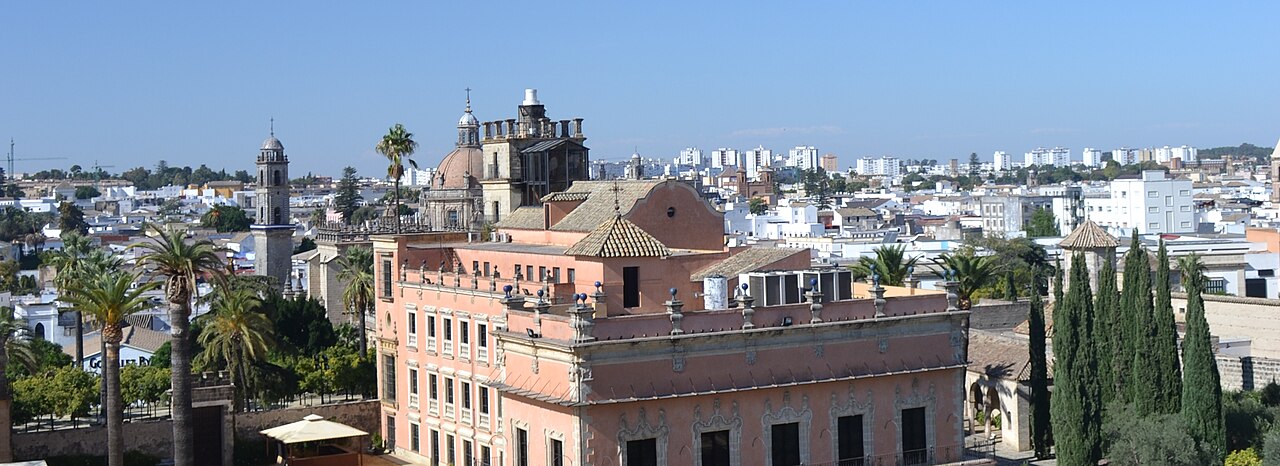
Jerez de la Frontera
AndalucíaClimate
Daily budget
Forget the idea that Jerez is merely a technical stop between the sea and the mountains; this city of 213,000 inhabitants in the heart of Cádiz boasts such an overwhelming personality that it deserves to be the final destination of your trip. It is not simply a thoroughfare to the Atlantic, but an enclave where 12th-century Almohad history merges with the Baroque elegance of its palaces and the vibrant culture of flamenco (flamenco) in an urban setting that surprises with its cultural density and Andalusian authenticity.
The must-seesWhat to See in Jerez de la Frontera: The Essentials
Jerez offers a monumental heritage that goes beyond expectations, combining military fortresses with religious and civil gems that narrate centuries of history. Below, I detail the places you cannot miss, based on verified data from the city.
Cathedral of Our Lord Savior (Catedral de Nuestro Señor San Salvador)
This majestic 17th-century work, whose construction was undertaken by the Collegiate Chapter on May 9, 1695, under the design of Diego Moreno Meléndez, is the religious epicenter of the city. Its interior is a fascinating mix of Gothic, Baroque, and Neoclassical styles housing a cathedral museum with great works of sacred art. Keep in mind that Mass schedules and tourist visits vary according to liturgy, so prior consultation is required, although it can generally be visited between 10:00 and 18:30 with an entrance ticket.
Alcázar of Jerez de la Frontera (Alcázar de Jerez de la Frontera)
As an ancient 12th-century Almohad fortress, this enclosure is essential for understanding the region’s Muslim past and features visiting hours from 09:30 to 14:30, though this varies by season and requires an entrance ticket. Within its walls, you will find not only a Baroque palace and gardens but also the Alcázar Mosque (Mezquita del Alcázar), an excavation area revealing the city’s historical layers with remains from different periods visible during the guided tour through the parade ground.
Palace of Viceroy Laserna (Palacio del Virrey Laserna)
This 18th-century Neoclassical palace is private property with limited access, so visits depend on specific events or irregular hours. Despite these restrictions, it represents the civil architecture of the era and serves as an important visual landmark in the urban center for lovers of architectural history.
Royal Andalusian School of Equestrian Art (Real Escuela Andaluza del Arte Ecuestre)
More than a simple attraction, this institution is dedicated to preserving the art of working and classical dressage, world-famous for its show ‘How Andalusian Horses Dance’ (‘Cómo Bailan los Caballos Andaluces’). It is the perfect place to witness the symbiosis between rider and horse, a tradition that defines Jerez’s identity just as much as wine or flamenco.
Villamarta Theater (Teatro Villamarta)
Built in 1926 and designed by Teodoro Anasagasti in the Andalusian regionalist style, this is the city’s main coliseum and was declared a Site of Cultural Interest (Bien de Interés Cultural) in 1988. Its central location makes it a benchmark of local cultural life, hosting year-round programs of theater, music, flamenco, and dance that are essential for feeling the artistic pulse of Jerez.
Other points of interest
- Baños Árabes del Alcázar (Arab Baths of the Alcázar): Almohad-era hammam located within the Alcázar complex, considered one of the best-preserved structures from that period, combining the civil and religious character of Al-Andalus.
- Plaza del Arenal: Jerez’s main square, a central meeting point and venue for numerous events that set the city’s social rhythm.
- Museo del Flamenco (Flamenco Museum): A center dedicated to the vibrant flamenco scene that combines history, culture, and tradition, exhibiting archives and exhibitions on the region’s characteristic deep art form.
- Monasterio de la Cartuja (Charterhouse Monastery): An ancient monastery located on the outskirts preserving Baroque and Neoclassical architecture, with cloisters and spaces for retreat linked to the Carthusian order.
- Iglesia de San Miguel (Church of San Miguel): A spectacular Gothic-Renaissance-Baroque temple, declared a Site of Cultural Interest, standing out for its imposing façade.
- Cámara Oscura (Camera Obscura): Located in the Torre Tavira and integrated into the Casa Palacio de los Marqueses de Recaño, this attraction is situated in the historic center of Cádiz according to provided data, offering panoramic views through an optical system.
- Barrio de Santiago (Santiago Quarter): Considered one of the cradles of flamenco, this neighborhood features Gothic churches and abundant street art, inviting leisurely strolls.
- Bodegas Tío Pepe (González Byass): One of the most famous Jerez wineries in the world, offering guided tours and tastings of its renowned wines in a monumental setting.
🍂 Otoño
Si visitas Jerez de la Frontera en otoño, el clima sigue siendo templado y perfecto para el turismo sin agobios. Esta temporada es ideal para vivir la vendimia y catar los vinos nuevos directamente en la fuente. Lleva siempre una chaqueta ligera por si refresca durante las noches.
What to do in Jerez de la Frontera
Jerez de la Frontera offers specific activities centered on its equestrian heritage, wine culture, and flamenco, especially during its international festivals. You can immerse yourself in the Feria del Caballo (Horse Fair) in May, a Festival of International Tourist Interest that unites wine, horses, and flamenco at the Parque González Hontoria, or participate in the Fiestas de la Vendimia (Harvest Festivals) in August and September, featuring events such as grape stomping and tastings. Additionally, if you visit the city between February and March, do not miss the Festival de Jerez, considered the largest flamenco festival in the world, with performances in various theaters and tablaos.
Jerez de la Frontera in one day: express itinerary
If you are short on time, this itinerary allows you to cover the city’s essentials, from its historical fortress to its cultural life, optimizing your movements.
- 09:30 – Alcázar de Jerez: Start early by visiting the ancient Almohad fortress to see the mosque and Arab baths before the crowds arrive.
- 11:30 – Catedral de San Salvador: Walk towards the center to admire the mix of Gothic and Baroque styles in the diocese’s main temple.
- 13:30 – Plaza del Arenal and Lunch: Enjoy the atmosphere in the central square and have a typical meal in the surrounding area.
- 16:00 – Real Escuela Andaluza del Arte Ecuestre: Attend the horse show or visit the facilities to understand the equestrian tradition.
- 18:30 – Barrio de Santiago: End the day getting lost in the streets of this flamenco birthplace to feel the local atmosphere at sunset.
Where to eat in Jerez de la Frontera: local gastronomy
Where to sleep in Jerez de la Frontera
Centro Histórico
El corazón de la ciudad, lleno de palacios, iglesias, bodegas y plazas con encanto.
Barrio de Santiago
Cuna de artistas flamencos, un lugar auténtico para sentir la cultura local y visitar peñas flamencas.
How to get to Jerez de la Frontera
The city is well connected by land and air, serving as a central hub in the province of Cádiz with direct connections to major Spanish capitals.
| Medio | Detalle | Conexiones / Compañías |
|---|---|---|
| Tren | Estación de Jerez de la Frontera (con AVE). | Destinos directos: Madrid, Sevilla, Cádiz, Córdoba. |
| Autobús | Estación de Autobuses de Jerez. | Compañías: Comes, Damas, Socibus, Monbus, Alsa. |
| Avión | Aeropuerto de Jerez (XRY) a 9 km. | Conexión rápida con el centro mediante taxi o bus. |
| Coche | Red de autovías principal. | Carreteras: AP-4, A-4, A-381, A-382. |
How to get around Jerez de la Frontera
Once in the city, urban transport is efficient and the center is very walkable. You can use the city bus to reach farther points or the tram for comfortable travel. Furthermore, much of the historic center is pedestrianized, making it easy to explore main attractions like the Cathedral and Plaza del Arenal on foot without needing a vehicle.
Weather in Jerez de la Frontera
Best time to visit Jerez de la Frontera
Day trips from Jerez de la Frontera
Jerez’s central location, just 11 km from the Atlantic Ocean and 85 km from the Strait of Gibraltar, makes it a perfect base for exploring the province. Ideal nearby cities for excursions include Sanlúcar de Barrameda, famous for its gastronomy and the Doñana National Park, and Cádiz, the provincial capital, where you can visit the Camera Obscura in the Torre Tavira and enjoy its urban beaches.
Who is Jerez de la Frontera for?
With 303,882 annual visitors (INE) and 29% foreigners, Jerez is a versatile destination ideal for couples seeking romance in its wineries, families interested in equestrian shows, and backpackers who appreciate authentic flamenco culture in the Santiago Quarter. It is especially recommended for “foodies” and wine lovers, given its gastronomic offer with Michelin stars and historic wineries such as González Byass.
Frequently asked questions about Jerez de la Frontera
How many days do I need to see Jerez de la Frontera?
The average stay is 2.36 nights, suggesting that 2 or 3 days are enough to see the main attractions like the Alcázar, the Cathedral, and enjoy a relaxed wine tasting.
Is Jerez de la Frontera expensive?
Not necessarily; you can find hostels from €20-35/night and average meals for €15-25, although 4-5 star hotels and Michelin restaurants raise the budget to ranges of €100-250.
When is the best time to visit Jerez de la Frontera?
According to climate data, Spring and Autumn are the best times, avoiding summer (July and August) due to the intense heat averaging 28°C.
How do I get to Jerez de la Frontera from Madrid?
You can arrive by AVE train from Jerez de la Frontera Station with a direct route from Madrid, or by car using the A-4 motorway.
🗺️ Rutas desde Jerez de la Frontera
- How to Get from Cadiz to Jerez de la Frontera: Distance, Train, Bus and Car
- How to Get from Jerez de la Frontera to Cádiz: Distance, Train, Bus & Car
- How to Get from Sanlúcar de Barrameda to Jerez de la Frontera: Distance, Train, Bus and Car
- How to Get from Jerez de la Frontera to Sanlúcar de Barrameda: Distance, Bus and Car