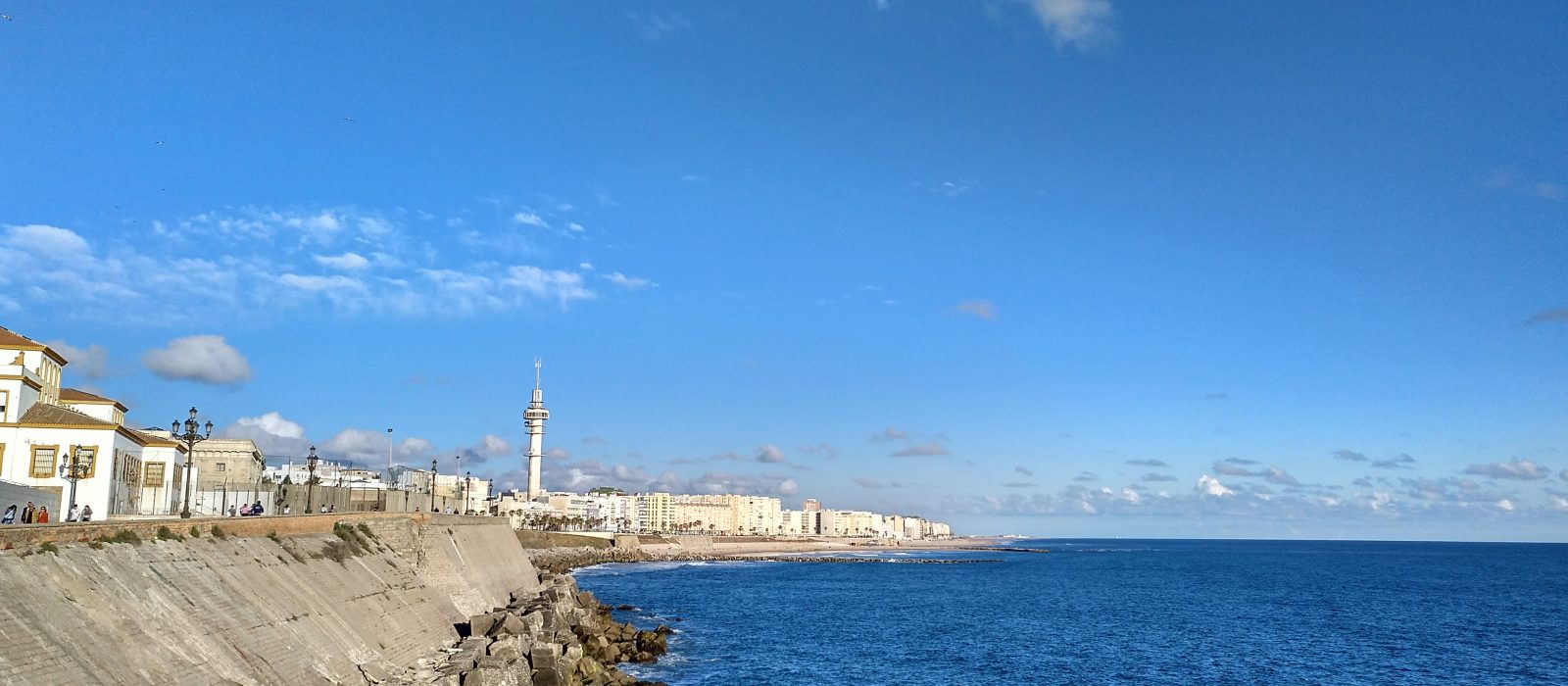
Jerez de la Frontera → Cádiz
36 kmImagine crossing from a city of endless vineyards to the capital of salt in just half an hour, leaving behind the industrial hustle to meet the fresh Atlantic wind battering the walls. This journey is not merely a logistical transfer; it is a quick and fascinating transition between two Andalusian worlds that, although neighbors, breathe very different airs.
How to get from Jerez de la Frontera to Cádiz: quick summary
The fastest option is the Medium Distance train, but the car offers the greatest freedom to explore intermediate stops.
If your priority is pure speed, the train connects you in record time, ideal for business travelers or tourists who want to maximize their time at the final destination. On the other hand, if you are traveling with family or bulky luggage, the road is your best ally thanks to its simple and direct layout. The bus positions itself as the perfect budget-friendly alternative for backpackers or travelers in no hurry who prefer to save those extra euros to enjoy the local gastronomy once they arrive. The choice depends entirely on your budget and whether you plan to stop halfway to try a wine in El Puerto de Santa María.
By car from Jerez de la Frontera to Cádiz
The car journey covers a distance of 36 kilometers and takes approximately 30 minutes.
The route is extremely simple and does not require an advanced GPS navigator to avoid getting lost. The main road you must take is the A-4, popularly known as the Autovía del Sur (Southern Motorway). The best thing about this road connection is that it is a high-capacity toll-free highway, meaning you won’t have to stop at any toll booths or worry about extra travel costs beyond fuel. Leaving Jerez, the road takes you directly toward the bay, offering a landscape that changes progressively from the ochre tones of the countryside to the blues and grays of the sea as you approach the coast. It is a fluid journey, with good asphalt and clear signage, designed to make the trip as comfortable as possible. Being only a half-hour drive, it is a perfect distance to avoid driver fatigue, allowing you to arrive with enough energy to start exploring Cádiz as soon as you park.
By train from Jerez de la Frontera to Cádiz
Renfe operates a direct service with a frequency of up to 18 daily trains connecting both towns.
The rail offer is very comprehensive and adapts to different time needs. If you are looking for the fastest option, the Medium Distance (MD) train is the king of the route, completing the journey in just 16 minutes. In fact, there are 14 daily departures of this type of train, giving you enormous flexibility to fit your schedule. On the other hand, there are 4 daily services of the ALVIA range, which take about 35 minutes to complete the trip. It is important to keep in mind a crucial detail about the infrastructure: according to route data, the destination station for these trains is Puerto Real, not the center of Cádiz capital, so you will need to plan your final transfer from there if your goal is the walled city. The schedule is very wide, with the first train departing at 7:39 in the morning, perfect for starting the day early, and the last service available until 23:08, allowing you to enjoy late dinners or night events without stress about missing the last connection. The origin station is Jerez De La Frontera, located accessibly for travelers arriving in the city of sherry.
By bus from Jerez de la Frontera to Cádiz
The bus is the most economical option, with fares ranging between €2 and €4 per trip.
To travel by this mode of transport, you can rely on established companies such as Transportes Generales Comes and the Consorcio de Transportes de Andalucía. The journey takes 37 minutes, a very competitive time that hardly differs from driving if there is moderate traffic. The most attractive aspect of this option is, without a doubt, the price; paying between €2 and €4 for an intercity trip is a bargain rarely found in other modes of transport. It is the logical choice for students, budget travelers, or tourists not carrying much luggage. As it is a direct service, you won’t have to make uncomfortable transfers, and you can enjoy views of the bay through the window as you approach your destination. Frequency is generally good, although it is always advisable to check updated schedules at ticket offices or on the operators’ websites mentioned above to ensure you don’t have to wait too long at the stop.
Recommended stops along the way
El Puerto de Santa María and Puerto Real are the two verified strategic stops that enrich this short route.
If you decide to make the trip by car or have time between connections, stopping in El Puerto de Santa María (City of a Hundred Palaces) is almost mandatory. Known as the “Ciudad de los Cien Palacios,” this enclave offers impressive stately architecture and a maritime atmosphere that breathes history on every corner. It is the perfect place to get out of the car, stretch your legs, and perhaps enjoy an aperitif before continuing towards Cádiz. Its location on the bay makes it a privileged natural viewpoint.
The second key stop is Puerto Real. This town, which curiously also appears as a destination station on some train routes, is a hidden gem with a rich gastronomic and fishing tradition. Walking its streets allows you to see a side of the province of Cádiz that is less touristy but equally authentic. It is an ideal intermediate point if you are traveling from Jerez and want to break up the journey or simply change scenery before reaching the bustling capital. Both stops break the monotony of the 36 km route and add cultural value to your itinerary.
Where to stay in Cádiz
To stay in Cádiz, the most recommended areas are the walled historic center and neighborhoods close to the beach, such as La Caleta.
Although we do not list specific hotels, it is essential that you know where to look according to your travel style. The historic center, with its narrow streets and lively squares, is the most sought-after area. Here you will find a mix of boutique hotels in ancient buildings and charming hostels, ideal for those who want to be steps away from the Cathedral and the Central Market. Prices here tend to be higher, especially in peak season, but the experience of waking up surrounded by history is priceless. On the other hand, if you are looking for something more relaxed and closer to the sea, the La Caleta area offers accommodations with ocean views, perfect for listening to the sound of the waves at night. There are also options in the city’s modern expansion zone, where price ranges tend to be more competitive and there is greater parking availability, a factor to consider if you are traveling by car. In general, Cádiz offers everything from very affordable family-run guesthouses to four-star hotels, covering a wide spectrum of needs.
Where to Eat Along the Route
The gastronomy of this route is a celebration of seafood, vineyards, and the culinary traditions of the countryside.
Before leaving the Jerez area or while still in the Campo de Jerez, you must try Ajo Caliente (Hot Garlic Stew). This traditional, humble stew defines the essence of the land. It is made with simple yet powerful ingredients: ripe vine tomatoes, plenty of garlic, and bread. It is the ultimate comfort food, ideal for pairing with young must to understand the region’s resourceful cuisine.
If you stay in Jerez de la Frontera, the Berza Jerezana (Jerez-style Kale Stew) is a hearty dish you cannot miss. It is a thick stew combining seasonal vegetables and legumes, highlighting chickpeas and beans, often enriched with pork products that give it a deep flavor. Deeply rooted in traditional Jerez cooking, it is perfect for cold days or to recover after a long walk.
Between Jerez and Cádiz, Rabo de Toro (Oxtail Stew) is considered almost a culinary masterpiece. It is a rich, tender oxtail stew cooked slowly over very low heat until the meat falls off the bone with astonishing ease. The sauce is usually dark and concentrated, a delicacy served in many restaurants along the route.
Upon reaching the Cádiz area, the undisputed king is Tortillitas de Camarones (Shrimp Fritters). These thin, crispy fritters are a classic and highly prized tapa throughout the province. They are made with tiny shrimp, wheat and chickpea flour, onion, and parsley. The result is a unique texture, crispy on the outside and tender on the inside, best enjoyed hot straight from the pan.
To drink, Fino is the inseparable companion. This dry, pale, and light fortified wine ages under a layer of yeast called ‘velo de flor’. It offers almond notes and a fresh, saline character, making it the perfect aperitif to pair with any dish on the route, especially in Jerez, El Puerto de Santa María, and Sanlúcar.
Finally, for dessert, Tocino de Cielo (Heavenly Bacon) is mandatory. It is a dense sweet made from egg yolks and sugar, with historical origins linked to winemaking and convents. Its soft texture and intense caramel and egg flavor make it highly characteristic and the ideal finishing touch for any meal on this route.
Frequently asked questions about the Jerez de la Frontera-Cádiz route
How long does it take to travel from Jerez de la Frontera to Cádiz?
Travel time varies depending on the chosen mode of transport. By car, the 36 km journey takes approximately 30 minutes via the A-4. By train, the fastest option (Media Distancia) takes just 16 minutes, while the bus takes around 37 minutes.
Which is cheaper, the train or the bus?
The bus is generally the most economical option. According to data from Transportes Generales Comes and the Consorcio, bus ticket prices range between 2 and 4 euros. Train fares may vary depending on how far in advance you book and the fare type, but the bus offers a very competitive fixed rate for this short route.
Is it worth renting a car?
Yes, it is worth it if you plan to make intermediate stops. With recommended verified stops such as El Puerto de Santa María and Puerto Real, having a car gives you the freedom to stop for a meal or visit these points without relying on train or bus schedules. Additionally, the A-4 highway is fast and toll-free.
When is the best time to travel?
The best time to travel depends on your gastronomic and climate interests. To enjoy Fino sherry and outdoor tapas, spring and autumn are ideal due to mild temperatures. However, the route operates year-round, with trains available from 7:39 to 23:08, allowing travel in any season.
📍 También te puede interesar
Qué ver en Jerez de la Frontera →
Qué ver en Cádiz →