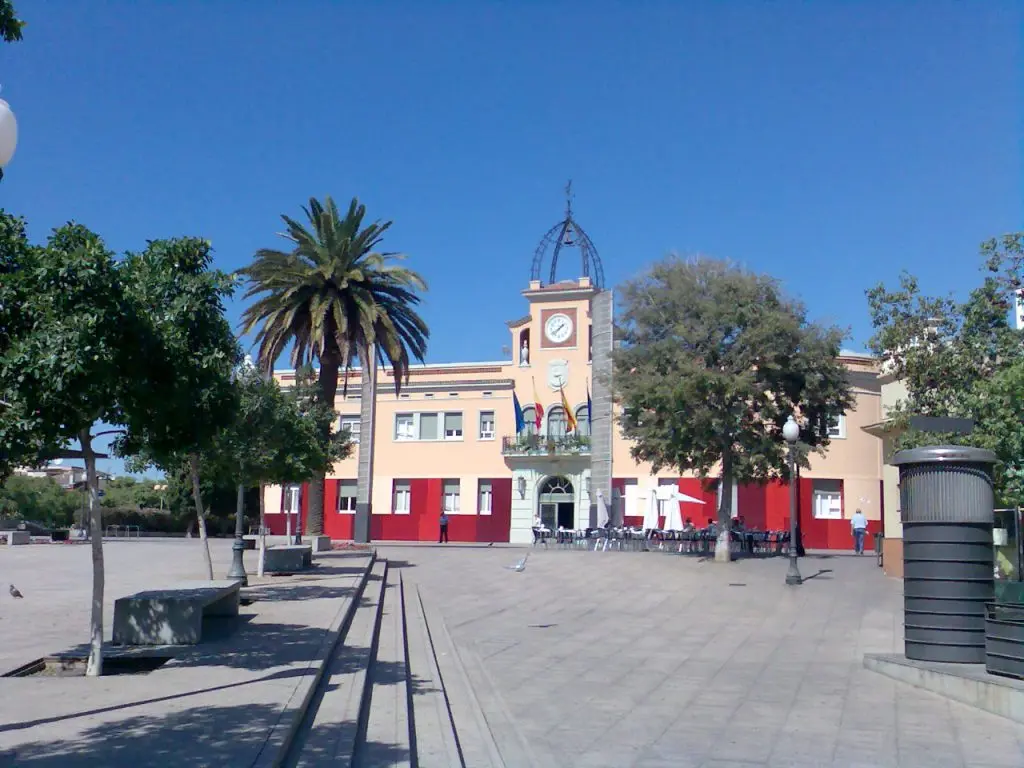
Santa Coloma de Gramenet
CataluñaClimate
What to see in Santa Coloma de Gramenet: the essentials
The Iberian site of Puig Castellar is the jewel you cannot miss. Occupied between the 6th and 2nd centuries BC, this settlement is one of the most important in Catalonia and preserves walls of truly monumental height that will give you a sense of the real scale of an Iberian city. As you walk through it you will see a complete urban layout with streets and living spaces arranged in terraces that cope with the uneven terrain. Excavations have brought to light objects for storage, weaving, grinding and metalworking, as well as unique pieces such as firedogs and incense burners from the 4th-3rd centuries BC, now kept at the Museu Torre Balldovina. The visit is outdoors and free, so there is no excuse not to head up.
Poblat Ibèric Puig Castellar
This Iberian settlement was occupied between the 6th and 2nd centuries BC and is one of the sites with the longest archaeological tradition in Catalonia. What is most impressive is the preservation of its walls and a possible defensive wall, with heights not seen at other sites in the area. The visit is free and outdoors, ideal to combine with a walk through the Serralada de Marina.
Museu Torre Balldovina
This museum houses the Iberian archaeology collection from Puig Castellar, including the firedogs and incense burners from the 4th-3rd centuries BC found at the site. It also holds history and natural heritage collections from Santa Coloma, with the mission of spreading the city’s collective memory. Thanks to the site, it has become a leading institution in the Catalan sphere.
Torre Pallaresa
A flagship work of 16th-century Catalan architecture and one of the most important Renaissance manor houses in the country, declared a historic-artistic monument of national interest in 1931. Its origins date back to the Middle Ages, but it was remodelled in the 16th century by Bishop Cardona, who kept the Gothic floor plan and added the two side towers and the gallery with depressed arches. Throughout the building, Renaissance elements such as busts and medallions coexist with Gothic windows, and the main door and the coat of arms of Joan Cardona on the outer portal stand out.
Cau d’en Genís
Monument in Santa Coloma de Gramenet that forms part of the heritage assets of the northern sector of the municipality.
Can Sisteré
Monument in Santa Coloma de Gramenet included in the local historical heritage itineraries.
Església Major de Santa Coloma de Gramenet
A 20th-century parish church that is one of the city’s visitable landmarks according to the municipal tourist routes, and together with Can Roig i Torres it offers an insight into Santa Coloma’s history of the last century.
Placa Bombardeig Torribera
Commemorative plaque of the bombing of Torribera in Santa Coloma de Gramenet.
Parc Fluvial del Riu Besòs
River park along the Besòs river that crosses the municipality, recovered as a space for strolling and leisure where riverside vegetation and Mediterranean wildlife can be observed.
Font de l’Alzina
Rest area and starting point for walking itineraries within the Serralada de Marina Park, with parking, bar service and tables adapted for people with disabilities.
Font de Sant Roc
A special corner surrounded by forest in the Serralada de Marina, representative of the nature that surrounds the city and of the itineraries for discovering Santa Coloma’s natural surroundings.
Parc Forestal La Bastida
A forest park of more than 85,000 m² that represents a green lung for the city, with paths, leisure areas and routes through Mediterranean woodland.
Masia de Can Zam
A 16th-18th-century farmhouse located at Avinguda Francesc Macià, 83-103, a testimony to Santa Coloma’s rural past that gives its name to the Can Zam urban park.
Mas Fonollar
Historic farmhouse built with rammed-earth walls, plastered walls and exposed stone, featuring an oven and a hypogeum probably used as a shelter in wartime, and today it houses the Mas Fonollar Youth Resource Centre.
Can Roig i Torres
French-influenced Modernista building with eclectic elements located at carrer de la Ciutadella Alta, 16-18, listed as a bé cultural d’interès local (local cultural heritage asset) and now home to the Municipal School of Music.
Recinte Torribera
A complex linked to the city’s knowledge hub, hosting university and outreach activities, and open to visitors through the municipal heritage itineraries.
Serralada de Marina
Mediterranean coastal mountain range bordering Santa Coloma to the north, with holm oak groves, oak woods and pine forests that form an important ecological reserve within the Barcelona metropolitan area.
🍂 Otoño
Si visitas Santa Coloma de Gramenet en otoño, el ambiente se suaviza tras el verano y sigue siendo una buena época para recorrer la ciudad sin agobios. Septiembre te permite vivir la Fiesta Mayor de Verano y aún aprovechar espacios como el Museu Torre Balldovina o Can Sisteré con luz agradable. Lleva una prenda intermedia, porque las tardes pueden refrescar.
What to do in Santa Coloma de Gramenet
Santa Coloma de Gramenet offers a combination of major festivals with correfocs and castellers, flower carpet displays, heritage routes through farmhouses and Iberian sites, and walks through the Serralada de Marina or the Parc Fluvial del Besòs. The city is best explored on foot through the historic centre, but it also invites you to get lost in the upper neighbourhoods with privileged views over the territory.
- Summer Major Festival (September): The city’s biggest celebration, with concerts, correfocs, castellers and activities for all audiences. If you happen to be there, be ready to experience the street at its most intense.
- Flower carpet display (June): Local shopkeepers fill the streets with ephemeral floral carpets. It is one of Santa Coloma’s most beautiful visual traditions.
- Winter Major Festival (December): Cultural and Christmas activities around the Diada de Santa Coloma, the city’s patron saint’s day. A more intimate, family-friendly atmosphere.
- Mercat de Sagarra: Opened in 1934, this Noucentista market with Art Deco elements is the social and gastronomic heart of the historic centre. Ideal for buying fresh produce or enjoying tapas nearby.
- Routes through the Serralada de Marina: Signposted itineraries set off from the Font de l’Alzina and the Font de Sant Roc, leading to viewpoints with bird’s-eye views over the metropolitan area.
Santa Coloma de Gramenet in a day: express itinerary
If you only have one day, this route gives you the essentials: an Iberian site, Renaissance heritage, the historic centre and nature. Start early and wear comfortable shoes.
- 9:00 – Poblat Ibèric Puig Castellar: Head up early to avoid the heat and enjoy the free open-air visit. The views from the settlement over the metropolitan area are impressive.
- 11:00 – Museu Torre Balldovina: Come down from the site and discover the original pieces found at Puig Castellar, such as the Iberian andirons and incense burners. It is the best way to complete the archaeological visit.
- 12:30 – Torre Pallaresa: Approach this Renaissance manor house, declared a historic-artistic monument in 1931. Take note of the main door and the coat of arms of Joan Cardona.
- 14:00 – Lunch in the centre: Try the bomba Santako filled with octopus or the toast of coca bread with La Escala anchovy in the tapas bars of the centre or on avenida de la Generalitat.
- 16:30 – Mercat de Sagarra and Església Major: Stroll through the 1934 municipal market and visit the 20th-century parish church. Finish with a walk along the centre’s shopping streets.
- 18:00 – Parc Fluvial del Riu Besòs: Relax with a walk beside the recovered river, observing riverside vegetation and Mediterranean wildlife before saying goodbye to the city.
Where to eat in Santa Coloma de Gramenet: local cuisine
Where to stay in Santa Coloma de Gramenet
Centre
Casco antiguo y centro administrativo de Santa Coloma. Aquí se encuentran el Ayuntamiento, la iglesia de Santa Coloma y el mercado municipal. Ambiente de barrio trabajador con calles comerciales y plazas concurridas.
Singuerlín
Barrio residencial situado en la zona alta de la ciudad, cerca del parque de la Serralada de Marina. Tiene un carácter más tranquilo y familiar, con zonas verdes y equipamientos deportivos.
Fondo
Barrio popular y densamente poblado, conocido por su ambiente multicultural y su actividad comercial. Alberga el mercadillo y diversas plazas con vida vecinal intensa.
Santa Rosa
Zona residencial con una mezcla de viviendas y pequeños comercios. Cuenta con el parque de Santa Rosa y es un área tranquila bien conectada con el centro.
Can Mariner
Barrio de carácter obrero y tradición industrial, con calles residenciales y algunos equipamientos culturales. Ambiente auténtico y poco turístico.
Riu Nord
Zona en expansión junto al río Besòs, con nuevos desarrollos residenciales y espacios verdes. Es una de las áreas más modernas de la ciudad.
How to get to Santa Coloma de Gramenet
From Barcelona, the fastest option is the bus: 6 min (Marfina Bus, Ferrocarriles y Transportes, Empresa Sagalés), 206 a day.
Barcelona Sant Andreu (2,1 km from the centre)
| From | Direct train | Direct bus | Car |
|---|---|---|---|
| Barcelona | 8 min · 154/day Regional | 6 min · 206/day Marfina Bus, Ferrocarriles y Transportes, Empresa Sagalés | 16 min 10 km |
| L'Hospitalet de Llobregat | 20 min · 135/day Rodalies R2 | — | 21 min 17 km |
| Terrassa | 31 min · 75/day Rodalies R4 | 1 h 21 min · 4/day Marfina Bus | 23 min 27 km |
| Sabadell | 21 min · 75/day Rodalies R4 | 26 min · 61/day Marfina Bus, La Vallesana | 18 min 17 km |
| Sant Cugat del Vallès | — | 39 min · 40/day Marfina Bus, Autocares R. Font, SAU i Marfina Bus | 19 min 18 km |
| Cornellà de Llobregat | 31 min · 68/day Rodalies R4 | — | 23 min 19 km |
| El Prat de Llobregat | 24 min · 61/day Rodalies R2 | — | 26 min 22 km |
| Granollers | 16 min · 83/day Regional | 22 min · 44/day Empresa Sagalés, Cingles Bus | 24 min 24 km |
| Cerdanyola del Vallès | 11 min · 75/day Rodalies R4 | 9 min · 367/day Marfina Bus, Autocares R. Font, Autocares R. Font, SAU i Marfina Bus | 12 min 10 km |
| Mollet del Vallès | 12 min · 64/day Rodalies R2N | 11 min · 246/day Empresa Sagalés, Ferrocarriles y Transportes | 14 min 14 km |
Direct trains and buses from the official timetables published by the operators on Spain's National Transport Access Point (a reference Wednesday); driving times from OpenStreetMap. Operators that do not publish their timetables may run more services. Check the timetable before you travel.
Getting around Santa Coloma de Gramenet
The city bus is the main means of transport within Santa Coloma de Gramenet. The city is compact and many trips around the centre can be made on foot, but to head up to higher neighbourhoods such as Singuerlín or get closer to the Serralada de Marina, the bus is your best ally. If you stay in the centre, walking between the Mercat de Sagarra, the Església Major and the tapas bars is perfectly feasible.
Weather in Santa Coloma de Gramenet
Best time to visit Santa Coloma de Gramenet
Day trips from Santa Coloma de Gramenet
Santa Coloma de Gramenet is a practical base for exploring the province of Barcelona and Catalonia. Its connections to the metropolitan area make day trips possible without having to change accommodation.
- Barcelona: Just 15-25 minutes by train from La Salut station, according to Renfe. All the Modernista heritage, the Gothic Quarter and the cultural offerings of the Catalan capital are within reach for a half-day getaway.
- Badalona: Neighbouring coastal city with a seafront promenade and beach, ideal for combining Roman heritage with a day by the sea without venturing too far.
- Montcada i Reixac: Gateway to the Parc Natural de la Serralada de Marina, with hiking routes that connect to the trails setting out from Santa Coloma.
- Sant Adrià de Besòs: Located next to the mouth of the Besòs river, with recovered natural spaces and a direct connection to the Parc Fluvial.
Fascinating facts about Santa Coloma de Gramenet you didn’t know
4,000 years of history don’t come along every day. Santa Coloma de Gramenet has roots stretching back to the Bronze Age, as the Cova d’en Genís demonstrates. It is a city that has been continuously inhabited for millennia, something few municipalities in the metropolitan area can claim.
The seventh most populous city in the province of Barcelona. With 119,000 inhabitants, Santa Coloma is seventh in the province, ninth in Catalonia and fifty-fifth in Spain. A density you wouldn’t sense while strolling through its quiet neighbourhoods.
It changed its name during the Civil War. The city was known as Gramanet del Besós from 1937 until the end of the Spanish Civil War. A historical episode that left its mark on local toponymy.
The Iberian site with the longest archaeological tradition in Catalonia. El Puig Castellar is not just an important site: it is one of those with the oldest tradition in Catalan Iberian archaeology. It has been a reference point for archaeologists for decades.
The Torre Balldovina is unique in the Barcelonès. It is the only Romanesque building in the Barcelonès comarca to have survived intact to the present day. An architectural survivor in a comarca dominated by Gothic and Modernisme.
From 731 inhabitants to 119,000 in two centuries. In 1786 Santa Coloma had only 731 inhabitants. The demographic leap is one of the most dramatic in Catalonia and explains the working-class, multicultural character of the city today.
Who Santa Coloma de Gramenet is for
Santa Coloma de Gramenet is for travellers seeking an authentic city, free of mass tourism and with layers of history stretching from the Bronze Age to the 20th century. Archaeology lovers will delight in El Puig Castellar and the Museu Torre Balldovina; foodies have two compelling reasons to visit in Lluerna and Bar Verat; families will find green spaces such as the Parc Forestal La Bastida or the Parc Fluvial del Besòs; and backpackers will appreciate the prices in the Fondo neighbourhood. This is not a postcard tourist city, but a place to understand what life in the Barcelona metropolitan area is really like, without filters.
💡 ¿Sabías que...?
- ● Santa Coloma de Gramenet es la séptima ciudad más poblada de la provincia de Barcelona, la novena de Cataluña y la quincuagésima quinta de España. (https://es.wikipedia.org/wiki/Santa_Coloma_de_Gramenet_(Barcelona))
- ● La ciudad recibió el nombre de Gramanet del Besós desde 1937 hasta el final de la guerra civil española. (https://es.wikipedia.org/wiki/Santa_Coloma_de_Gramenet_(Barcelona))
- ● El yacimiento ibérico de Puig Castellar es uno de los yacimientos con una tradición más antigua en la arqueología ibérica de Cataluña. (https://www.lavanguardia.com/local/barcelones-nord/20240503/9609135/poblado-iberico-puig-castellar-santa-coloma-gramenet-declarado-bcin.html)
- ● Santa Coloma de Gramenet tiene 4.000 años de historia. (https://hdl.handle.net/2117/439468)
- ● La Torre Balldovina es el único edificio románico de la comarca del Barcelonés que ha llegado íntegro a nuestros días. (https://www.gramenet.cat/es/ciudad/historia-de-santa-coloma/)
- ● En 1786 Santa Coloma tenía 731 habitantes. (https://www.gramenet.cat/es/ciudad/historia-de-santa-coloma/)
Frequently asked questions about Santa Coloma de Gramenet
How many days do I need to see Santa Coloma de Gramenet?
With a full day you can cover the essentials: Puig Castellar, Museu Torre Balldovina, Torre Pallaresa and the historic centre with the Mercat de Sagarra. If you want to add routes through the Serralada de Marina, the Parc Fluvial del Besòs and a leisurely meal at Lluerna or Bar Verat, two days is ideal.
What is the best time of year to visit Santa Coloma de Gramenet?
From May to October, according to AEMET data. The average temperature in summer is 23.9 °C and in winter 11.5 °C, with only 460 mm of annual rainfall. September adds the draw of the Fiesta Mayor de Verano with correfocs and castellers.
How do I get to Santa Coloma de Gramenet from Madrid?
There is no AVE station in Santa Coloma. The most practical option is to reach Barcelona by AVE and from there take the commuter train to la Salut station (15-25 minutes, according to Renfe) or a city bus. You can also arrive by car via the A-2 or the AP-7.
Is Santa Coloma de Gramenet safe for tourists?
Santa Coloma is a city of working-class neighbourhoods with an authentic, low-key tourist atmosphere. As in any densely populated city, it pays to stay alert in busy areas such as the Fondo street market, but overall it is a peaceful destination for daytime strolls and enjoying its green spaces and heritage sites.
What typical dish should I not miss in Santa Coloma de Gramenet?
The maduixada, an artisanal strawberry ice cream made with milk and cream, is the city’s signature dessert. You should also try the bomba Santako filled with octopus, a local variant of the Catalan bomba served with alioli in the tapas bars in the centre.
For more practical information on opening hours, tickets and cultural events, see the official Santa Coloma de Gramenet tourism website.