Cornellà de Llobregat
CataluñaClimate
What to see in Cornellà de Llobregat: the essentials
Cornellà de Llobregat packs a surprising amount of heritage for a city of its size. From a UEFA-category football stadium to a castle first documented in 1204, the city offers a varied itinerary that combines sport, history and green spaces. Here are the places you shouldn’t miss.
Stage Front Stadium (RCDE Stadium)
According to traveller ratings, the main tourist attraction in Cornellà is this stadium, built between 2007 and 2009 at a cost of 60 million euros with a capacity of 40,500 spectators. Designed by architects Mark Fenwick, Javier Iribarren and Esteban Gasulla, it opened its doors on 2 August 2009 with a match between RCD Espanyol and Liverpool FC that ended 3-0. The venue holds UEFA’s four-star category, which qualifies it for top-level international competitions, and the atmosphere on match days is electric.
Museu Palau Mercader
This museum occupies the historic palace that gives its name to the surrounding park and displays the artistic and historical heritage of the Mercader family, one of the most influential in the area. It is an essential visit for understanding Cornellà’s aristocratic history and its evolution over the centuries.
Castell de Cornellà
The oldest building in the city, perched on top of a small hill, is first mentioned in a document from 1204. Acquired and renovated by the City Council, since 2000 it has housed municipal offices and an exhibition hall. Its location beside the final stretch of the Llobregat river makes it one of the town’s most representative buildings.
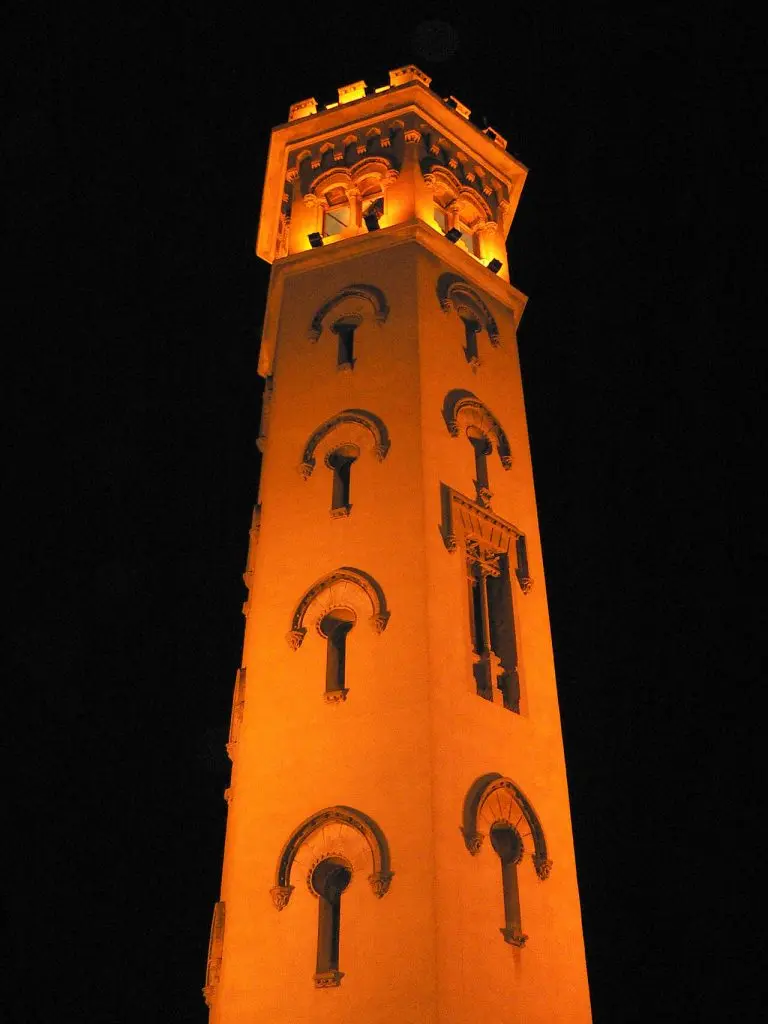
Torre de la Miranda
This viewpoint, located at Carrer Dolçamara number 2, is open 24 hours a day, every day of the week. It is one of the outdoor spaces best rated by visitors, ideal for taking in the city from above with no rush and no opening hours to worry about.
Església de Santa Maria de Cornellà
The parish church of Santa Maria is one of Cornellà’s most representative historic buildings and stands in the heart of the old town. Its location makes it a landmark of local religious heritage and a natural stop on any stroll through the historic centre.
Museu de Matemàtiques de Catalunya (MMACA)
This museum, officially founded as an association in 2008 and created as a museum in 2014, occupies the second floor of the Palau Mercader in a space of around 300 m², with interactive modules that reveal the playful, applied side of mathematics.
Conjunt arqueològic de Cornellà
Plaça Enamorats preserves archaeological remains discovered in 2009, including a Roman villa from the 2nd and 3rd centuries AD devoted to farming and Roman presses for making agricultural products.
Parc de Can Mercader
This large historic park surrounds the Palau de Can Mercader and is one of the city’s green lungs, with gardens, lakes and groves perfect for strolling.
Masia Museu Serra
A museum housed in a traditional Catalan farmhouse that forms part of the local heritage.
Espai per a la Pau
A monument dedicated to peace located in the municipality.
Rosalia de Castro
Monument dedicated to the Galician writer.
Pau Casals
Monument dedicated to the famous Catalan cellist.
Als homes i dones, protagonistes del moviment obrer a l’época de la Dictadura Franquista
Commemorative monument dedicated to the protagonists of the workers’ movement during the Franco dictatorship.
Antonio Martín Muñoz
Monument dedicated to this local figure.
Cornellà amb Miquel Martí i Pol
Monument dedicated to the Catalan poet Miquel Martí i Pol.
Bicivia 7
Monument related to the Bicivia cycling network.
Ballenoil
Monument located in the municipality.
🍂 Otoño
Si visitas Cornellà de Llobregat en otoño, el clima sigue siendo suave y agradable, dentro de la mejor época de mayo a octubre, con menos calor que en pleno verano. Es perfecto para visitar el Castell de Cornellà o la Torre de la Miranda sin agobios y con una luz preciosa. Lleva un paraguas plegable por si acaso y aprovecha para hacer planes tanto de interior como de exterior.
What to do in Cornellà de Llobregat
Cornellà offers activities that combine sport, history, nature and local gastronomy, with a weekly farmers’ market and neighbourhoods with a character all of their own to explore at a leisurely pace.
The city invites you to experience it on foot, especially in areas such as the Centre neighbourhood, where the Town Hall, the church of Santa Maria and the municipal market create a village-like atmosphere with pedestrian streets and local shops. On Sundays, the Mercado de Payés (Farmers’ Market) in Parc de Can Mercader is a must: from 10:00 to 14:00, producers from the Parc Agrari del Baix Llobregat sell fruit, vegetables, greens, local craft beer and aromatic plants directly to the consumer. It is the best way to connect with the km0 gastronomy of the region.
For sports lovers, attending a match at the Stage Front Stadium is an experience that goes beyond football: the venue is an example of modern sports architecture and the atmosphere in the stands reflects the passion of the RCD Espanyol fans. If you prefer quieter plans, Parc de Can Mercader and Parc de la Fontsanta offer green spaces for strolling, resting or having a picnic. The viewing point at the Torre de la Miranda, open 24 hours, is perfect for watching the sunset over the city.
Cornellà’s neighbourhoods are also worth a stroll: Sant Ildefons, with its working-class origins and its 1960s-70s apartment blocks, has an authenticity that comes through in its local shops and small parks. Almeda, beside the Llobregat river, preserves the Colònia Almeda and the church of Sant Miquel, witnesses to its past as a textile colony. And La Gavarra, with the Auditori de Cornellà, offers cultural programming in a quiet residential setting.
Cornellà de Llobregat in a day: express itinerary
This itinerary lets you see the essentials of Cornellà in a full day, combining history, sport and local gastronomy. Allow for travel on foot or by urban bus between stops.
- 9:30 – Castell de Cornellà: Start the day at the oldest building in the city, documented since 1204. Visit its exhibition room and enjoy the views from the small hill on which it stands.
- 10:30 – Església de Santa Maria and old town: Head down to the heart of the historic centre to see the parish church and stroll through the pedestrian streets of the Centre neighbourhood, with its local shops and village atmosphere.
- 11:30 – Museu Palau Mercader and Parc de Can Mercader: Spend an hour at the palace and its museum, then wander through the gardens, lakes and groves of the surrounding park.
- 13:30 – Lunch in the centre: Try the patatas allioli or the fried chocos and chipirones in one of the centre’s tapas bars. Generous portions at affordable prices.
- 15:30 – Stage Front Stadium: Visit the RCD Espanyol stadium, the city’s main tourist attraction according to traveller ratings. If there is a match, stay and soak up the atmosphere; if not, the exterior visit alone is impressive.
- 17:30 – Torre de la Miranda: End the day at this viewing point open 24 hours, ideal for contemplating the city and the final stretch of the Llobregat river in the evening light.
Where to eat in Cornellà de Llobregat: local cuisine
Where to stay in Cornellà de Llobregat
Centre
Casco antiguo y centro administrativo de Cornellà. Aquí se encuentran el Ayuntamiento, la iglesia de Santa Maria y el mercado municipal. Ambiente de pueblo con calles peatonales y comercio local.
Sant Ildefons
Barrio obrero y residencial de gran densidad, con bloques de pisos de los años 60-70. Tiene vida propia con comercios de barrio y parques pequeños. Menos atractivo turístico pero auténtico.
Can Mercader
Zona residencial tranquila que alberga el Parc de Can Mercader, el pulmón verde de Cornellà, con un palacete historicista y amplios jardines. Ideal para pasear y descansar.
La Gavarra
Barrio residencial de clase media con amplias avenidas y zonas verdes. Cuenta con el Parc de la Gavarra y el Auditori de Cornellà. Ambiente tranquilo y bien conectado.
Almeda
Barrio histórico situado junto al río Llobregat, con origen en una antigua colonia textil. Conserva la Colònia Almeda y la iglesia de Sant Miquel. Ambiente de barrio tradicional.
Fontsanta-Fatjó
Zona residencial moderna en el límite con Sant Joan Despí, con parques y equipamientos deportivos. Incluye el Parc de la Fontsanta y el camp de golf. Ambiente tranquilo y familiar.
How to get to Cornellà de Llobregat
From Barcelona, the fastest option is the train: 14 min (R50), 266 a day.
Cornellà Riera (0,5 km from the centre)
| From | Direct train | Direct bus | Car |
|---|---|---|---|
| Barcelona | 14 min · 266/day R50 | — | 19 min 15 km |
| Terrassa | 1 h 03 min · 67/day Rodalies R4 | — | 31 min 33 km |
| Sabadell | 53 min · 67/day Rodalies R4 | — | 32 min 33 km |
| Santa Coloma de Gramenet | 31 min · 69/day Rodalies R4 | — | 23 min 18 km |
| Manresa | 1 h 03 min · 66/day R50 | — | 52 min 60 km |
| Cerdanyola del Vallès | 43 min · 67/day Rodalies R4 | — | 28 min 24 km |
| Montserrat | 44 min · 33/day R5 | — | 51 min 49 km |
| Rubí | — | 50 min · 3/day Transportes Generales de Olesa | 23 min 22 km |
Direct trains and buses from the official timetables published by the operators on Spain's National Transport Access Point (a reference Wednesday); driving times from OpenStreetMap. Operators that do not publish their timetables may run more services. Check the timetable before you travel.
Getting around Cornellà de Llobregat
Cornellà is a compact city that’s easy to explore on foot, especially the centre and the adjoining neighbourhoods. For longer journeys, the municipality has an urban bus service connecting the different neighbourhoods and providing easy access to areas such as Fontsanta-Fatjó, Almeda and La Gavarra. Hospital de Bellvitge train station serves as a gateway to and from Barcelona and other municipalities in the metropolitan area. If you stay in the centre, most of the main attractions are within a reasonable walk.
Weather in Cornellà de Llobregat
Best time to visit Cornellà de Llobregat
Day trips from Cornellà de Llobregat
Cornellà is a practical base for exploring the province of Barcelona and the Baix Llobregat, thanks to its rail connections and its location in the metropolitan area. From here you can travel to other cities in the region to round off your trip with day trips. The proximity to Barcelona lets you alternate the calm of Cornellà with the cultural and tourist offerings of the Catalan capital, while the surroundings of the Parc Agrari del Baix Llobregat offer rural and culinary getaways just a few kilometres away. Other towns in the comarca, accessible by public transport, let you discover the character of the Baix Llobregat without needing to stay elsewhere.
Little-known facts about Cornellà de Llobregat
The pre-Romanesque columns that now preside over the entrance to Cornellà’s Town Hall are genuine treasures of Catalan pre-Romanesque art and were discovered during a renovation in 1928. No one expected to find such a treasure hidden in a municipal building, and since then they have become one of the city’s oldest symbols.
The oldest document mentioning the Castell de Cornellà (Cornellà Castle) dates from 1204, making this building the oldest in the city. It stands at the top of a small hill, a strategic location that allowed it to keep watch over the final stretch of the Llobregat river.
David Muñoz Calvo, singer and guitarist of the duo Estopa, was born in the Sant Ildefons neighbourhood of Cornellà on 10 January 1976. The working-class district of apartment blocks from the 60s-70s is an essential part of the group’s identity and of the musical memory of an entire generation in Spain.
Cornellà de Llobregat covers an area of just 6.90 km², making it a compact city where almost everything is within walking distance. Despite its small size, it packs in an elite football stadium, a medieval castle, a historic palace and several highly valuable parks.
The city is twinned with Jinotega and Mariel, two towns that reflect Cornellà’s historical and cultural ties with Nicaragua and Cuba. This twinning is a nod to the diversity of origins that coexist in the municipality.
Who Cornellà de Llobregat is for
Cornellà de Llobregat is an ideal destination for travellers seeking an authentic experience of the Barcelona metropolitan area without the tourist bustle of the capital. Football lovers will find the Stage Front Stadium an essential visit, while history enthusiasts will enjoy the Castell de Cornellà, the church of Santa Maria and the Roman archaeological site. Families have a safe and relaxed setting in the Parc de Can Mercader and in the quiet neighbourhoods of Fontsanta-Fatjó or Can Mercader. Foodies and km0 advocates will appreciate the Mercado de Payés (farmers’ market) and the traditional tapas in the bars of the centre. And backpackers will find in Sant Ildefons an affordable, authentic base from which to explore the Baix Llobregat region.
💡 ¿Sabías que...?
- ● Las columnas prerrománicas que presiden el acceso al Ayuntamiento de Cornellà, joyas del arte prerrománico catalán, fueron halladas en una reforma del año 1928. (https://www.cornella.cat/es/vivir-en-cornella/cornella-humana/patrimonio-cultural/patrimonio-historico-y-artistico)
- ● El documento más antiguo que hace referencia al Castell de Cornellà es del año 1204. (https://www.cornella.cat/es/vivir-en-cornella/cornella-humana/patrimonio-cultural/patrimonio-historico-y-artistico)
- ● David Muñoz Calvo, cantante y guitarra del dúo Estopa, nació en el barrio de Sant Ildefons de Cornellà de Llobregat el 10 de enero de 1976. (https://ca.wikipedia.org/wiki/David_Mu%C3%B1oz_Calvo)
- ● El Castell de Cornellà es el edificio más antiguo de la ciudad y está situado en la parte alta de un pequeño cerro. (https://www.cornella.cat/ca/media/cornella-humana/patrimoni-cultural/documents/castell-cornella_lf_cat-web.pdf)
- ● El municipio de Cornellà de Llobregat tiene una extensión de 6,90 km². (https://www.cornella.cat/es/vivir-en-cornella/la-ciudad/datos-generales)
- ● La ciudad de Cornellà de Llobregat está hermanada con Jinotega y Mariel. (https://ca.wikipedia.org/wiki/Cornell%C3%A0_de_Llobregat)
Frequently asked questions about Cornellà de Llobregat
How many days do I need to see Cornellà de Llobregat?
One full day is enough to see the essentials: the Stage Front Stadium, the Castell de Cornellà (Cornellà Castle), the church of Santa Maria, the Museu Palau Mercader and the Parc de Can Mercader. If you also want to visit the Museu de Matemàtiques, the archaeological site and enjoy the Mercado de Payés (Farmers’ Market) on a Sunday, consider two days so you can take your time.
What is the best time of year to visit Cornellà de Llobregat?
The best time is from May to October, with average summer temperatures of 23.8°C and pleasant weather for strolling through the parks and the viewpoint at the Torre de la Miranda. Winters are mild, with an average of 10.1°C, and annual rainfall is 569.8 mm, according to climate data for the area.
How do I get to Cornellà de Llobregat from Madrid?
The most practical way is to take a train to Barcelona and from there a Cercanías train to Hospital de Bellvitge station, in Cornellà. The station has no AVE service, so the final leg is made by Cercanías train or city bus. Check schedules and fares with Renfe to plan the full journey.
What typical dishes should I try in Cornellà de Llobregat?
Don’t leave without trying the patatas allioli — fried potatoes with allioli sauce and a hint of pepper that are the star dish of the tapas bars in the centre. The fried chocos and chipirones (cuttlefish and baby squid) are also a must, typical of seafood tapas. If you happen to be there on a Sunday, visit the Mercado de Payés in the Parc de Can Mercader to buy produce from the Parc Agrari del Baix Llobregat and Cornelia craft beer.
Is Cornellà de Llobregat a good destination for travelling with children?
Yes, especially thanks to the Parc de Can Mercader, with gardens, lakes and groves that are ideal for children to run around and play. The Museu de Matemàtiques de Catalunya (MMACA) offers interactive modules that make maths fun, and the Stage Front Stadium can be an exciting experience for young football fans. The Can Mercader and Fontsanta-Fatjó neighbourhoods are quiet and family-friendly.