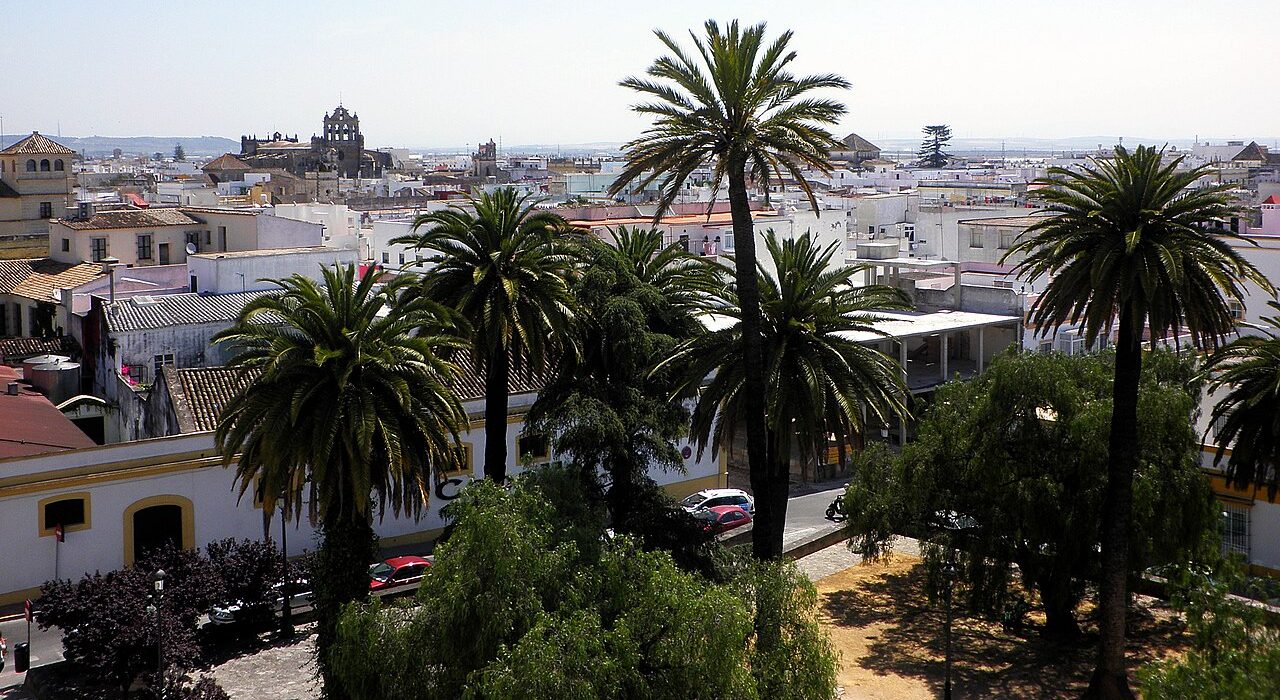
El Puerto de Santa María
AndalucíaClimate
What to see in El Puerto de Santa María: the must-sees
Bahía de Cádiz Natural Park (Parque Natural de la Bahía de Cádiz)
Halfway between countryside and sea, this protected natural park —declared in 1989— stretches across 10,522 hectares of marshes, salt flats, pine forests, sandy areas and scrubland bordering the Bay of Cádiz, and from El Puerto you can access sectors near the mouth of the Guadalete River. Birds such as the little tern (Sternula albifrons) breed here, nesting in the dunes and feeding in the tidal channels, and the park’s position as a transit zone between Doñana and the Strait of Gibraltar makes it a hotspot of high biodiversity. It is ideal for birdwatching and cycling routes, open from 9 am to 20 pm. If you love nature, set aside at least a whole morning to get lost along its paths.Valdelagrana Beach (Playa de Valdelagrana)
One of the great stars of summer in El Puerto. This fine-sand beach has all kinds of facilities and a lively seafront promenade that makes it the epicentre of sun-and-beach tourism in the city. It is perfect for families, with young children, or simply for lying down to read beside the Atlantic without a care in the world. Go at sunset: the light over the bay is the kind that stays burned into your memory.Santa Catalina Beach (Playa de Santa Catalina)
It forms part of the more than sixteen kilometres of fine, golden-sand beaches that bathe the Atlantic coastline of El Puerto de Santa María. It is equipped with services such as lifeguarding and first aid, a medical station, showers, signposted areas for watercraft and adapted access for people with functional diversity, making it comfortable for all kinds of visitors. It is a reliable option if you are looking for an urban beach with all the guarantees. It combines well with a visit to the nearby historic centre.Municipal Museum – Hospitalito Hall (Museo Municipal – Sala Hospitalito)
An essential visit to understand the history of the city. This museum houses collections of local archaeology with pieces ranging from prehistory to the Roman era, as well as painting and ethnography from the area. Admission is free and it opens from Tuesday to Sunday from 10:00 to 14:00 (closed on Mondays), so it is easy to fit into any itinerary. Do not miss it if you want to take away a complete vision of El Puerto’s heritage.Historic Ensemble of Palaces (Ciudad de los Cien Palacios – City of the Hundred Palaces)
A stroll through the historic centre of El Puerto is a journey into the city’s colonial past. The route allows you to contemplate façades with heraldic coats of arms, enclosed balconies and ironwork that speak of the town’s Indies trade past. The city is nicknamed the “City of the Hundred Palaces” because of the number of stately homes scattered through its streets. Set aside at least one afternoon to wander unhurriedly.🍂 Otoño
Si visitas El Puerto de Santa María en otoño, el clima sigue siendo templado y muy disfrutable, ideal para recorrer el Castillo de Santa Catalina y perderte entre los palacios históricos sin las aglomeraciones del verano. La Playa de Valdelagrana aún permite paseos agradables y el Parque Natural de la Bahía de Cádiz luce una luz preciosa. Mi consejo: lleva un chubasquero ligero, porque las lluvias empiezan a aparecer, y aprovecha para hacer catas tranquilas en Bodegas Caballero.
What to do in El Puerto de Santa María
El Puerto de Santa María offers cycling routes through the Bahía de Cádiz Natural Park, birdwatching in the tidal channels near the mouth of the Guadalete, tapas-hopping at the fried-fish houses in the historic centre facing the river, visits to century-old wineries such as Osborne, Caballero and Gutiérrez Colosía, swims at Valdelagrana, Santa Catalina and La Puntilla beaches, shopping for fresh produce at the Mercado de Abastos (central market), walks through the pine forests of the Dunas de San Antón Periurban Park and kayaking or paddle surfing excursions around the bay. If you are travelling as a family, Valdelagrana and Fuentebravía are your areas; if you are looking for a couples’ plan, the historic centre and Vistahermosa are a safe bet. To check opening hours, events and bookings, the official tourism website of El Puerto de Santa María is your best ally.El Puerto de Santa María in a day: express itinerary
- 10:00 — Museo Municipal Sala Hospitalito: start the day with some historical context before it gets crowded; free entry and open from 10:00 to 14:00.
- 11:30 — Historic Quarter and the City of a Hundred Palaces: wander aimlessly among heraldic facades and lookout towers; take the chance to grab your first pescaíto frito (fried fish).
- 14:00 — Tapas lunch at fry shops by the river: a paper cone of tortillitas de camarones (shrimp fritters) and seafood, the essence of the bay.
- 16:30 — Castle of San Marcos: visit the castle where Christopher Columbus lived between 1483 and 1486; many tours include a wine tasting.
- 19:00 — Sunset at Playa de la Puntilla or Valdelagrana: end the day with the sun setting over the Atlantic.
Where to eat in El Puerto de Santa María: local gastronomy
Where to stay in El Puerto de Santa María
Casco Histórico
El corazón de la ciudad, un laberinto de calles estrechas y plazas con encanto, repleto de casas palacio, bodegas y una vibrante escena de bares de tapas. Es el centro neurálgico de la vida local, ideal para sumergirse en la historia y la gastronomía andaluza.
Valdelagrana
Una zona eminentemente turística construida en torno a su enorme playa de arena dorada. Su animado paseo marítimo está lleno de restaurantes, heladerías y bares, convirtiéndolo en el destino perfecto para unas vacaciones de sol y playa en familia.
La Puntilla
La playa urbana más cercana al centro, rodeada por el Parque Periurbano Dunas de San Antón. Ofrece un equilibrio perfecto entre la comodidad de la ciudad y un entorno natural con pinares, ideal para quienes buscan playa sin alejarse del casco histórico.
Fuentebravía
Un barrio residencial y tranquilo en la zona norte, junto a la Base Naval de Rota. Su playa recogida es muy popular entre familias locales y aficionados a los deportes acuáticos como el surf cuando las condiciones lo permiten.
Vistahermosa
Es la zona más exclusiva y lujosa de la ciudad, una urbanización de alto standing con chalets, club de golf y puerto deportivo (Puerto Sherry). Es un destino para viajeros que buscan tranquilidad, exclusividad y servicios de primera calidad.
How to get to El Puerto de Santa María
El Puerto is well connected by road and rail within the province of Cádiz. Keep in mind that the train station does not have AVE service. These are the usual options:| Medio | Duración | Precio aprox. | Frecuencia |
|---|---|---|---|
| Tren (sin AVE) | Variable según origen | Variable | Trayectos diarios, según Renfe |
| Coche (desde Cádiz, Jerez, Sevilla) | 20-90 min aprox. | Gasolina + peajes | Libre |
| Bus urbano e interurbano | Conexión con la bahía | Económico | Frecuente |
How to get around El Puerto de Santa María
The city has an urban bus network connecting the main neighborhoods, including the historic center, Valdelagrana, La Puntilla, and Fuentebravía. For short distances within the center, walking is the best option: the historic center is compact and best enjoyed by strolling its streets. For excursions to the northern beaches or the Natural Park, the most convenient option is a rental car or bicycle. If you stay in Valdelagrana, the urban bus drops you in the center in just a few minutes.Weather in El Puerto de Santa María
Best time to visit El Puerto de Santa María
Day trips from El Puerto de Santa María
El Puerto is part of the Mancomunidad de Municipios de la Bahía de Cádiz (Association of Municipalities of the Bay of Cádiz), along with Cádiz city, Jerez de la Frontera, San Fernando, Chiclana de la Frontera, Puerto Real, and Rota, which opens up a huge range of day trips:- Cádiz city: just a few kilometers away, with its walled historic center, urban beaches like La Caleta, and a gastronomy identical to that of El Puerto.
- Jerez de la Frontera: land of wine, horses, and flamenco. The sherry bodegas are a must-visit.
- San Fernando: a naval city with a heritage tied to seafaring and the history of the Spanish Navy.
- Rota: spectacular beaches and the birthplace of the urta a la roteña (baked sea bream Rota-style) served in El Puerto.
- Puerto Real: a charming town with a seafaring tradition on the bay.
- Chiclana de la Frontera: fine-sand beaches and a family-friendly atmosphere.
Things you didn’t know about El Puerto de Santa María
Three prisons in a single municipality sounds like a joke, but it’s true: El Puerto de Santa María is the only municipality in Spain and in Europe with three penitentiary centers within its municipal boundaries, a fact that leaves even the most seasoned locals speechless. The famous black Osborne bull that now dots Spanish highways was born at the Osborne bodegas in El Puerto, founded in 1772 by the English merchant Thomas Osborne Mann. Over time, that silhouette has become a legally protected Cultural Heritage icon of Spanish identity. The Fuente de las Galeras Reales (Fountain of the Royal Galleys), built in 1735, was the final destination of a kilometers-long underground aqueduct that supplied water to the Indies fleet before it departed from the Bay of Cádiz. Today it is a history-laden corner that many visitors discover by chance. And speaking of the Indies: Christopher Columbus resided in El Puerto de Santa María between 1483 and 1486, staying at the Castillo de San Marcos (Castle of San Marcos), built in the 13th century atop an ancient Arab mosque. Setting foot in that castle is stepping into world history.Who El Puerto de Santa María is for
El Puerto de Santa María is an ideal destination for foodies —the density of tapas bars and Michelin restaurants backs this up—, for couples seeking a romantic historic center and beaches for sunset strolls, and for families wanting to combine safe beaches with cultural heritage. History lovers will enjoy the legacy of the Indies trade, the palaces, and the Castillo de San Marcos. Nature enthusiasts will find an added incentive in the Parque Natural de la Bahía de Cádiz (Bay of Cádiz Natural Park) and Parque Los Toruños. With an average of 2.56 nights per visitor (according to INE data) and an annual flow of 202,659 travelers, it is a city that hooks you and keeps you coming back.💡 ¿Sabías que...?
- ● El Puerto de Santa María es el único municipio de España y de Europa en cuyo término municipal se encuentran tres cárceles. (https://es.wikipedia.org/wiki/El_Puerto_de_Santa_Mar%C3%ADa)
- ● El toro de Osborne nació en las bodegas Osborne de El Puerto, fundadas en 1772 por el comerciante inglés Thomas Osborne Mann, y se ha convertido en Patrimonio Cultural protegido por ley. (https://www.hotelcampomar.net/curiosidades-de-el-puerto-de-santa-maria-que-casi-nadie-conoce/)
- ● La Fuente de las Galeras Reales, construida en 1735, era el destino final de un acueducto subterráneo kilométrico que surtía de agua a la flota de Indias antes de partir de la bahía de Cádiz. (https://elpais.com/cultura/2020-07-29/la-fuente-que-dio-de-beber-a-la-flota-de-indias.html)
- ● Cristóbal Colón residió en El Puerto de Santa María entre 1483 y 1486, hospedándose en el Castillo de San Marcos, construido en el siglo XIII sobre una antigua mezquita árabe. (https://www.turismoelpuerto.com/descubrelo/historia-y-monumentos/historia-y-monumentos-1)
Frequently asked questions about El Puerto de Santa María
How many days do I need to see El Puerto de Santa María?
With two full days you can visit the main attractions: the historic center, Castillo de San Marcos (San Marcos Castle), the Municipal Museum, the beaches of Valdelagrana and La Puntilla, and a winery. With three days you can add a day trip to the city of Cádiz, Jerez, or Rota, as well as a bike route through the Parque Natural de la Bahía de Cádiz (Bay of Cádiz Natural Park). The average stay according to the INE is 2.56 nights.
What is the best time of year to visit El Puerto de Santa María?
According to AEMET, the average temperature in summer is 24.3°C and in winter 12.1°C. The best time is from April to October, when the weather is mild and rainfall is scarce. May, June, and September offer the perfect balance between good weather and fewer crowds.
How do I get to El Puerto de Santa María from Madrid?
The most convenient option is by car via the A-4 motorway to Seville and then the AP-4 toward Cádiz. El Puerto train station does not have AVE service, so long-distance trains stop in Jerez or Cádiz, from where there are connections to the city. The nearest airport, Aeródromo de La Ina, does not operate regular commercial flights.
Is El Puerto de Santa María a family-friendly destination?
Yes. The beaches of Valdelagrana and Fuentebravía offer amenities, fine sand, and calm Atlantic waters. The Parque Natural de la Bahía de Cádiz allows for bike routes and birdwatching, and the historic center is compact and easy to explore on foot. In addition, the dining scene suits all budgets.
How many travelers visit El Puerto de Santa María each year?
According to the INE, El Puerto de Santa María receives around 202,659 travelers per year, with 15% being foreign visitors and an average stay of 2.56 nights. It is the fifth most populous municipality in the province of Cádiz and the fifteenth in Andalusia.