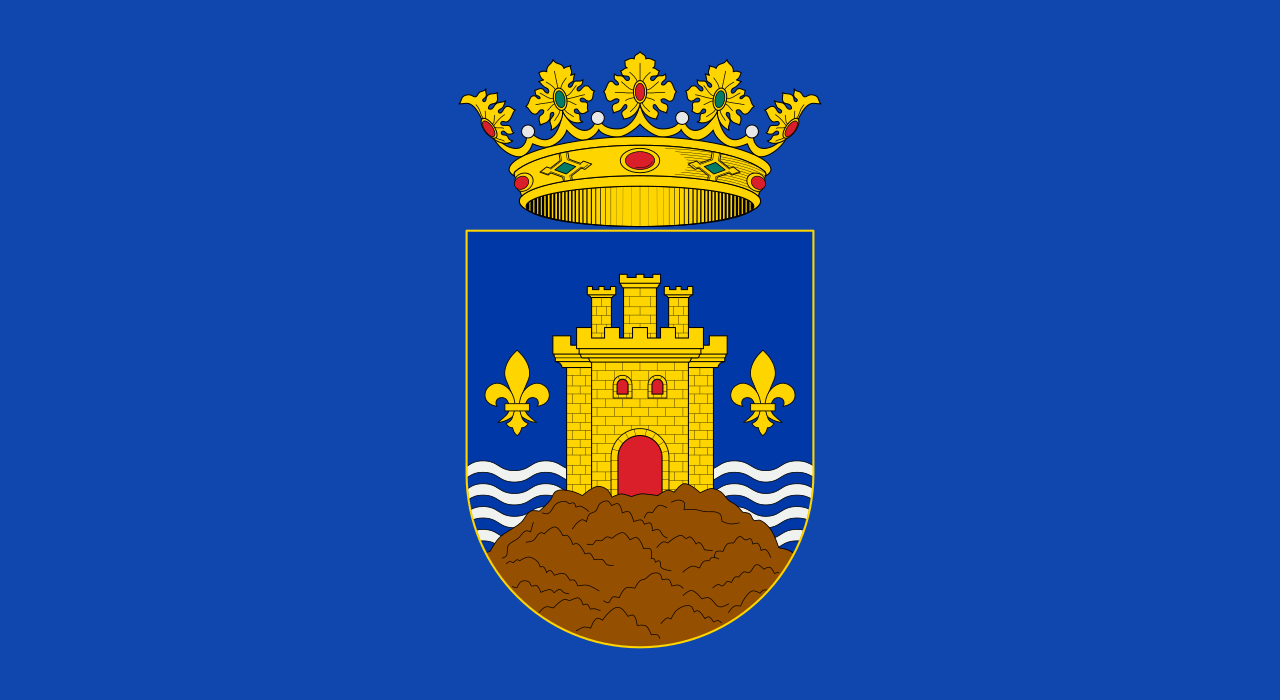
Peñíscola
Comunidad ValencianaClimate
Daily budget
The sound of the sea crashing against the rock at El Bufador is the unmistakable soundtrack that greets you the moment you set foot in this enclave, a constant reminder that you are in a place where land and water converse with force. Here, Mediterranean light filters through Renaissance walls and whitewashed streets, creating a play of shadows and whites that seems frozen in time. Peñíscola is not just a sun-and-beach destination; it is a Templar fortress rising atop a rocky tombolo, inviting you to lose yourself in its history while enjoying a cuisine that smells of salt and tradition.
The must-seesWhat to See in Peñíscola: The Essentials
Peñíscola concentrates its monumental heritage within a unique fortified enclosure on the Mediterranean coast, where every stone tells a story of Templars, popes, and military defenses.
Papa Luna’s Castle (Castillo del Papa Luna)
Built in the 13th century by the Knights Templar on an ancient Arab citadel, this monument served as the residence of Pope Benedict XIII in the 15th century, becoming a papal seat during the Western Schism. Visitors can explore its walls, towers, and battlements, which offer spectacular views of the Mediterranean Sea and the Valencian coast, evoking the grandeur of a pontifical palace. The monument has been restored and is open to the public; declared a Site of Cultural Interest (Bien de Interés Cultural) in 1931, its preservation for future generations is guaranteed. It is, without a doubt, the beating heart of the city and the vantage point from which the entire coastal landscape is dominated.
Peñíscola Castle Viewpoint (Mirador del Castillo de Peñíscola)
This elevated spot within the fortified enclosure acts as a privileged natural balcony overlooking the Mediterranean. From here, one can appreciate the magnitude of the rocky promontory and the direct visual connection with the maritime horizon that defines the town’s identity.
Sierra de Irta Natural Park
This Natural Park comprises a coastal mountain range stretching 15 km, virtually unaltered and running parallel to the coast, offering a wild contrast to the urban environment. Highlights include the Torre Badum cliff and the Campanilles peak at 572 meters, combining beaches, coves, and native vegetation ideal for excursions blending sea, nature, and history. It is the perfect place for those seeking to disconnect in a protected setting and breathe pure air away from the crowds.
Castle Turrets (Torreones del Castillo)
These medieval defensive towers are integrated into Papa Luna’s Castle, built on a rocky promontory facing the sea to maximize surveillance capabilities. Their battlements and walls allow for observation of the Mediterranean and the coastline, standing out for their Templar military architecture and historical role in maritime vigilance within the fortified enclosure. Walking through their corridors offers insight into the military strategy that protected this enclave for centuries.
South Beach (Playa Sur)
This beach completes the offering of the two major urban beaches located on the northern coast of the province of Castellón, characterized by its fine, golden sand next to the fishing port. It is a key space for sun-and-beach tourism on the Costa del Azahar (Orange Blossom Coast), forming a south-facing bay ideal for families seeking tranquility and nearby services. Its orientation allows visitors to enjoy the sun for much of the day in a safe, family-friendly environment.
Old Town of Peñíscola (Casco Antiguo de Peñíscola)
It sits atop vertical, impassable formations 64 meters above sea level, protecting a medieval monumental enclosure that defines the town’s silhouette.
Whitewashed Streets (Calles Encaladas)
This distinctive element of the urban landscape in the medieval old town defines the traditional image of the village, allowing visitors to appreciate Mediterranean architecture and the historical charm that captivates travelers at any time of year.
Magic Museum by Yunke
This space is dedicated to the world of magic and illusionism, adding a touch of mystery and fun to the city’s cultural offerings.
Citadel Walls
Built in different eras, these impregnable walls rise above vertical cliffs that protect the town, constituting a defensive system that contributed to the fortress being considered inaccessible by land and sea.
lo Bufador
This natural phenomenon, located in an opening in the center of the city, allows the sea to breathe by connecting with a flooded cave, producing a continuous noise and raising the water during stormy days as a permanent witness to the interaction between the Mediterranean and this historic enclave.
Blue Doors (Puertas Azules)
This characteristic architectural detail is integrated into the facades of the historic quarter, declared a Site of Cultural Interest (Bien de Interés Cultural), where its color contrasts with the whitewashed walls, creating an iconic image of the city.
Porta de Santa Maria
It serves as a starting point to discover other interesting corners of the province of Castellón in a geographical context where Peñíscola stands as one of the most attractive destinations on the Mediterranean.
Portal Fosc
It is one of the historic accesses to the walled enclosure that preserves the essence of the ancient fortified entrances of the city.
la Porteta
It represents another of the minor monuments and accesses that are part of the historic and defensive urban fabric of the old town.
Peñíscola de Cine
This initiative brings together the most representative film set locations of the city used since 1913 with the filming of Los guapos del Parque, turning the strategic location and the Pope Luna Castle into a privileged setting for television and film productions.
🍂 Otoño
Si visitas Peñíscola en otoño, aún podrás disfrutar de buen tiempo hasta octubre antes de que bajen las temperaturas. Es la época ideal para degustar la gastronomía local sin las aglomeraciones turísticas del verano. Consulta el pronóstico del tiempo para planificar excursiones y evita las lluvias ocasionales.
What to do in Peñíscola
Peñíscola offers cultural and leisure activities ranging from international jazz concerts to traditional maritime celebrations on its beaches.
During the month of July, the city transforms with the International Jazz Festival, offering concerts by national and international artists in emblematic venues. If you visit the city in September, do not miss the Patron Saint Festivities in honor of the Virgin of the Hermitage (Virgen de la Ermitana), which include fireworks and a grand Moors and Christians parade. For sea lovers, the Feast of Saint Peter in June features an emotional maritime procession where the image of the saint is paraded through the bay accompanied by the fishing fleet. Furthermore, strolling through the Old Town (Casco Antiguo) or the boardwalk of Papa Luna Avenue allows you to enjoy the nightlife and terraces with views of the castle.
Peñíscola in one day: express itinerary
This itinerary is designed to cover the city’s main highlights in an intense but enjoyable day, combining history, nature, and gastronomy.
- 10:00 AM – Pope Luna Castle (Castillo del Papa Luna): Start the day exploring the Templar fortress and the views from the battlements before the midday heat arrives.
- 12:30 PM – Whitewashed Streets and Blue Doors: Get lost in the Old Town (Casco Antiguo) to photograph the contrast of white and blue and visit lo Bufador to hear the sea.
- 14:30 PM – Lunch at the Port: Head to the fishing port area to taste a suquet de peix or fresh mantis shrimp at a local restaurant.
- 17:00 PM – South Beach: Go down to the fine sand for a relaxing swim or a walk along the south-facing bay.
- 20:00 PM – Boardwalk: End the day on Papa Luna Avenue enjoying an ice cream while watching the sunset over the illuminated castle.
Where to eat in Peñíscola: local gastronomy
Where to sleep in Peñíscola
Casco Antiguo
El corazón histórico y turístico de Peñíscola, con el Castillo del Papa Luna, calles empedradas, tiendas y restaurantes.
Avenida Papa Luna / Playa Norte
Un animado paseo marítimo paralelo a la playa más concurrida, con terrazas, restaurantes, heladerías y vistas al castillo.
How to get to Peñíscola
Access to the city is primarily through nearby land and air connections that facilitate mobility from other provinces.
| Medio | Origen / Destino | Detalles |
|---|---|---|
| Avión | Aeropuerto Camp de vol de Vinaròs | Aeropuerto local más cercano para conexiones regionales. |
| Coche / Bus | Valencia y otras ciudades | Conexión directa por carretera desde la Comunidad Valenciana. |
Getting around Peñíscola
Once in the city, getting around is easy thanks to an urban transport infrastructure adapted to tourist and local demand.
The urban bus is the public transport available to move around the different points of the city. Since the Old Town is largely pedestrian, walking is the best option to enjoy the heritage, while the bus connects the more distant areas and the beaches.
Weather in Peñíscola
Best time to visit Peñíscola
Day trips from Peñíscola
Peñíscola’s strategic location on the northern coast of Castellón makes it easy to take quick trips to major cities in the region.
One of the most recommended excursions is visiting Valencia, a dynamic city that combines the architecture of the City of Arts and Sciences (Ciudad de las Artes y las Ciencias) with a lively historic center. Its proximity allows you to enjoy a full day exploring its museums, markets, and gastronomy before returning to the tranquility of the coast.
Facts about Peñíscola you didn’t know
Beyond its postcard-perfect image, Peñíscola hides geographical and historical details that explain its uniqueness in the Mediterranean.
Did you know that Peñíscola sits on a tombolo? This geological formation is a rocky peninsula originally connected to the mainland by a sandy isthmus, creating that “almost an island” look suggested by its name, derived from the Latin ‘Paene + insula’. Its coastline stretches for 5 km, with a total area of 78.97 km² and more than 3 km of fine sandy beaches.
The Peñíscola Castle (Castillo de Peñíscola) was built between 1294 and 1307 by the Knights Templar over the remains of an Arab fortress, making it one of the best-preserved Templar structures on the Iberian Peninsula. Furthermore, it served as one of the three papal seats during the Western Schism, when Pedro Martínez de Luna, Pope Luna, self-exiled here in 1411.
The Renaissance walls (murallas renacentistas) you see today were completed in 1578 by order of King Philip II, under the direction of architect Giovanni Battista Antonelli, to protect the city from Berber piracy. This enclave has also been the setting for major productions such as ‘El Cid’ in 1961 starring Charlton Heston, and more recently, part of the sixth season of ‘Game of Thrones’ in 2015.
Who is Peñíscola for?
This destination is ideal for families seeking safe beaches like Playa Sur, as well as for history lovers eager to explore a Templar castle and a medieval old town.
It is also perfect for foodies interested in seafood cuisine and rice dishes, and for travelers who enjoy music festivals like the Jazz Festival. Accommodation prices, ranging from budget hostels to 5-star hotels, allow you to tailor the trip to different budgets.
Frequently asked questions about Peñíscola
How many days do I need to see Peñíscola?
With an express one-day itinerary, you can cover the 4-5 main highlights such as the Castle and the beaches, but at least 2 or 3 days are recommended to enjoy the gastronomy, the Sierra de Irta Natural Park, and the museums without rushing.
Is Peñíscola expensive?
It is a destination with varied price ranges; an average meal costs between €12 and €18, and accommodation can range from €18-30 in hostels to €70-180 in 4-5 star hotels, making it accessible for different budgets.
When is the best time to visit Peñíscola?
The best time is from April to October, taking advantage of average summer temperatures of 24.2°C and avoiding the coldest months, although winter, with an average of 10.4°C, is also mild enough for cultural visits.
How do I get to Peñíscola from Madrid?
The connection is mainly made by road or public transport towards the province of Castellón, using the Camp de vol de Vinaròs Airport for regional air connections or arriving from Valencia.