Orihuela
Comunidad ValencianaClimate
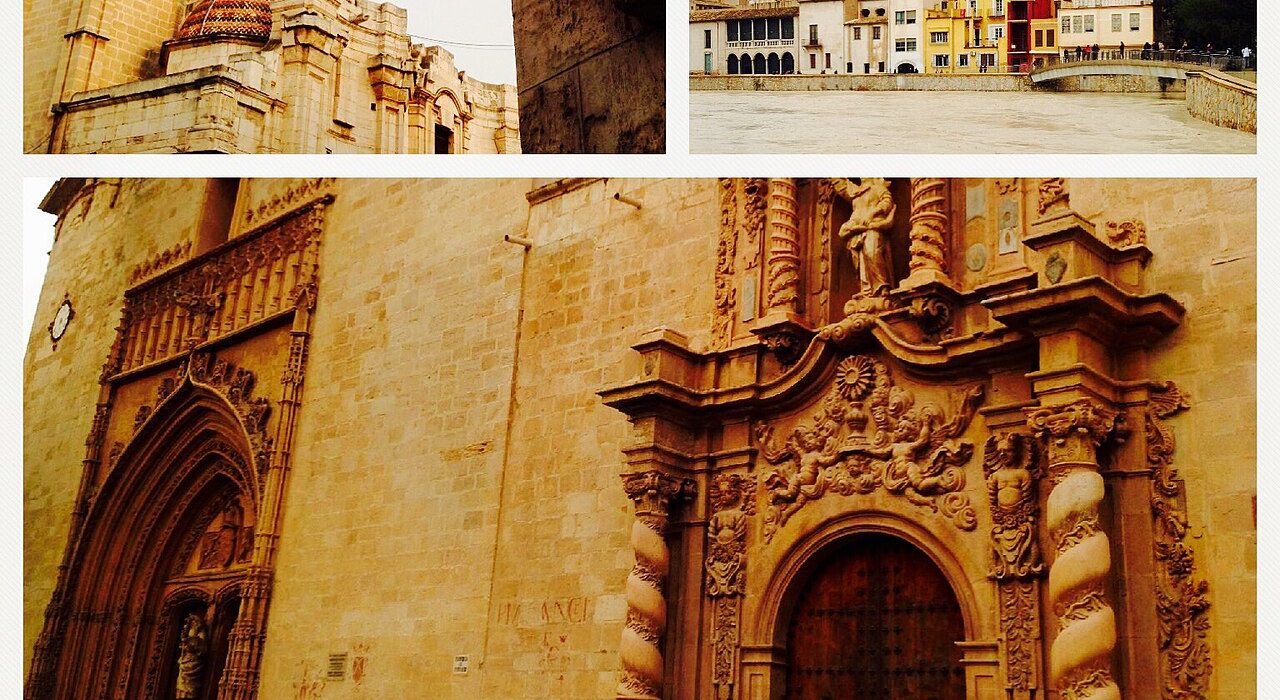
At sunset, when the sun begins to tinge the stones of the Old Town with gold, the view from the Mirador de la Cruz de la Muela (Cross of the Muela Viewpoint) reveals the vastness of the fertile farmland surrounding the city. Walking these cobbled streets means immersing yourself in a place where the history of the Vega Baja del Segura can be felt on every corner, from the Baroque palaces to the spots that inspired Miguel Hernández. Orihuela is not just a dot on the map of Alicante; it is a sensory experience combining monumental heritage, living traditions, and a cuisine that tells the story of its people.
The must-seesWhat to see in Orihuela: the must-sees
Orihuela offers a dense and fascinating monumental heritage, concentrated mainly in its urban center, where every building tells a part of the city’s history. To make the most of your visit, here are the exact details of what you cannot miss, based on what is truly worth seeing.
Arco de Santo Domingo
This monument is one of the most emblematic entrance gates welcoming visitors, marking the entry to historically significant areas. It stands out for its architecture that evokes the passage of time and serves as the perfect frame for photographs capturing the essence of the old city. It is a common meeting point and a silent witness to Orihuela’s urban evolution over the centuries.
Museo Diocesano de Arte Sacro
Located in a privileged setting, this museum houses an invaluable collection of religious art reflecting the devotion and artistic mastery of the region. When visiting, you can admire works of great historical value that have been preserved to showcase the spiritual legacy of the diocese. It is a must-stop for those seeking to understand the cultural and religious depth that defines Orihuela.
Claustro de la Universidad
This museum space was the academic heart of the old Universidad Santo Tomás de Villanueva (University of Saint Thomas of Villanova), founded in 1552 and one of the first in the Valencian Community. It stands out for its serene architecture and for having operated continuously until 1835, witnessing the education of generations of students. Walking its corridors is traveling back to a time when Orihuela was a hub of knowledge and culture in southeastern Spain.
Museo de la Muralla
The ruins and structures preserved in this museum allow you to visualize the defensive importance the city once had. It stands out for offering a unique perspective on how the territory was fortified and how its inhabitants lived protected behind these walls. It is a place that connects directly with military and urban history, showing the foundations upon which present-day Orihuela stands.
Higuera de Miguel Hernández
This natural and cultural monument pays tribute to the poet born at number 87 Calle Arriba, known as the ‘poet of the people’. The tree symbolizes the author’s connection to his homeland and is a place of pilgrimage for literature lovers who want to touch the essence of his work. Visiting this site is an act of remembrance toward one of the most important figures in 20th-century Spanish literature.
Other points of interest
If you have time to spare, it is worth taking a quick look at the Museo Fundación Pedrera, the Plaza de Montserrate with its monument to José María Muñoz, or the Horno Bustamente de Mercurio. You can also find the Monumento a la Armengola, the Cruz de los Caídos, and the Cruz de la Muela, which serves as a viewpoint. Don’t miss the Mirador del Palmeral, La Cruz, the busts of Gabriel Miró and Clara Campoamor, the image of Nuestro Padre Jesús Nazareno, and the Escudo de los Ruiz de Villafranca.
🍂 Otoño
Si visitas Orihuela en otoño, el clima sigue siendo cálido hasta octubre, perfecto para evitar las multitudes turísticas. Es una estación más tranquila donde podrás disfrutar de la gastronomía local con mucha calma. Aprovecha los últimos días de playa antes de que bajen notablemente las temperaturas.
What to do in Orihuela
Orihuela offers vibrant cultural and festive activities that transform the city depending on the time of year, from solemn processions to medieval markets. If you visit in March, Semana Santa (Holy Week) is one of the oldest and most solemn celebrations in the Valencian Community, declared a Fiesta of International Tourist Interest since 1996, noted for its nighttime processions and the respectful silence of its historic brotherhoods. In July, the Fiestas Patronales (patron saint festivities) in honor of Santiago Apóstol fill the streets with atmosphere, featuring floral offerings, Moors and Christians parades, and popular open-air dances. For a more intimate experience, the Romería de la Virgen de Monserrate (pilgrimage of the Virgin of Monserrate) in September is a massive pilgrimage up to the mountain sanctuary, with open-air masses and the distribution of blessed bread. If you prefer culture, the International Festival of Sacred Music and Organ in April draws on the legacy of composer Joaquín Rodrigo with concerts in the Cathedral. Finally, in December, the Mercado Medieval (Medieval Market) transforms the historic quarter with craft stalls and street performances that recreate the 13th to 15th centuries.
Orihuela in a day: express itinerary
If you only have 24 hours, this plan will let you see the essentials without rushing too much, combining history, views, and local culture.
- 10:00 AM – Historic Quarter and Arco de Santo Domingo: Start the morning strolling through the cobbled streets of the monumental heart, passing under the Arco de Santo Domingo to soak up the ancient atmosphere.
- 11:30 AM – University Cloister and Diocesan Museum: Spend an hour exploring the academic legacy of the Universidad Santo Tomás and the artistic wealth of the Museo Diocesano de Arte Sacro (Diocesan Museum of Sacred Art).
- 13:30 PM – Miguel Hernández Fig Tree: Head to Calle Arriba to see the monument to the poet and connect with the city’s literary side.
- 15:00 PM – Traditional lunch: Enjoy a meal featuring typical local dishes before continuing the tour.
- 17:00 PM – Wall Museum and Viewpoint: End the day visiting the historic defenses at the Museo de la Muralla (Wall Museum) and climb up to the Cruz de la Muela or the Mirador del Palmeral to watch the sunset over the fertile plain.
Where to eat in Orihuela: local gastronomy
Where to stay in Orihuela
Casco Histórico
El corazón monumental de la ciudad con calles empedradas, palacios barrocos y la imponente Catedral del Salvador. Ofrece un ambiente tranquilo y cultural, ideal para pasear entre historia y arquitectura religiosa.
Orihuela Costa
Zona costera turística formada por varias urbanizaciones y playas, conocida por su clima suave y oferta de ocio al aire libre. Es un área extensa con muchos apartamentos vacacionales, campos de golf y centros comerciales.
El Rabal
Barrio tradicional situado extramuros del casco histórico que conserva una atmósfera auténtica y menos masificada. Es una zona residencial con comercios locales donde se puede observar la vida cotidiana de los oriolanos.
Dehesa de Campoamor
Urbanización costera dentro de Orihuela Costa destacada por su puerto deportivo y sus calas de aguas tranquilas. El entorno es muy familiar y seguro, con amplias zonas peatonales junto al mar.
La Reja
Barrio histórico ubicado cerca del castillo y la muralla, caracterizado por sus vistas panorámicas sobre la vega y el silencio de sus calles empinadas. Zona residencial antigua que mantiene la esencia del Orihuela tradicional.
How to get to Orihuela
The city has rail and bus connections that make access easy from other parts of the peninsula, although it is important to be aware of the current service limitations.
| Medio | Estación/Parada | Detalles |
|---|---|---|
| Tren | Orihuela-Miguel Hernández | Estación de tren convencional (sin servicio AVE directo en esta parada específica). |
| Autobús | Estación de Autobuses | Conexiones interurbanas disponibles según horarios regionales. |
How to get around Orihuela
To move around within the municipality, the main option is urban public transport. The city bus is the standard way to travel between the different outlying districts and the urban center, efficiently covering the distances between the coastal area and the historic center.
Weather in Orihuela
Best time to visit Orihuela
Day trips from Orihuela
Located in the southwestern corner of the province of Alicante and bordering the Region of Murcia, Orihuela is a strategic base for exploring cities in the region. Its position as the capital of the Vega Baja del Segura comarca (district) connects it easily with other nearby towns, allowing you to combine the cultural visit of Orihuela with tourism in the neighboring cities of the region without the need for long journeys.
Things you didn’t know about Orihuela
Did you know that Orihuela holds the title of the southernmost city in the Valencian Community? It is located just a few kilometers from the border with the Region of Murcia and at an average altitude of 24 meters above sea level, giving it a unique character as a cultural frontier.
The Orihuela Cathedral, dedicated to the Savior, has enormous historical weight: it was elevated to this status in 1510 by Pope Julius II. It is one of the most important temples in southeastern Spain and contains works by the famous sculptor Salzillo, making it an artistic gem.
The poet Miguel Hernández, known worldwide as the “poet of the people,” has his roots here. He was born in Orihuela on October 30, 1910, at number 87 Calle Arriba, where his house-museum is now located, a must-visit for literature lovers.
The name of the city has a fascinating origin: it derives from the Arabic place name “Auriola,” which in turn comes from the Latin “Aurariola” or “Aura.” This possibly refers to an ancient Roman villa or to the characteristic breeze of the area that has blown over the city for centuries.
Orihuela’s Semana Santa (Holy Week) is no ordinary celebration; it has been declared a Fiesta of International Tourist Interest since 1996. It stands out for its silent processions and the antiquity of some of its brotherhoods, such as the Cofradía de la Sangre (Brotherhood of the Blood), founded in the 16th century.
The Palmeral de Orihuela (Orihuela Palm Grove) is one of the largest in Europe, historically boasting more than 200,000 date palms. Although the number has fluctuated due to pests such as the red palm weevil in recent decades, it remains an iconic landscape.
In 1304, through the Arbitral Sentence of Torrellas, Orihuela definitively became part of the Kingdom of Valencia. This event put an end to a long period of border disputes between the crowns of Castile and Aragon, defining its current identity.
The Universidad Santo Tomás de Villanueva de Orihuela was founded in 1552, making it one of the first universities in the Valencian Community. It operated uninterruptedly until its closure in 1835, leaving an indelible intellectual legacy.
Who Orihuela is for
Orihuela is a versatile destination that fits perfectly for couples seeking historic romance in the Casco Histórico (Old Town) or La Reja, and for families who prefer sun and beach in Orihuela Costa or Dehesa de Campoamor. It is also ideal for history and culture lovers, thanks to its dense offering of museums and monuments, as well as for foodies who want to try the authentic cuisine of the Vega Baja.
💡 ¿Sabías que...?
- ● Orihuela posee el título de Ciudad más meridional de la Comunidad Valenciana, situada a tan solo unos kilómetros de la frontera con la Región de Murcia y a una altitud media de 24 metros sobre el nivel del mar. (Instituto Geográfico Nacional (IGN))
- ● La Catedral de Orihuela, dedicada al Salvador, fue elevada a esta categoría en 1510 por el Papa Julio II, siendo uno de los templos más importantes del sureste español y conteniendo obras del escultor Salzillo. (Diócesis de Orihuela-Alicante)
- ● El poeta Miguel Hernández, conocido como el 'poeta del pueblo', nació en Orihuela el 30 de octubre de 1910 en la calle Arriba número 87, donde actualmente se ubica su casa-museo. (Fundación Cultural Miguel Hernández)
- ● El nombre de Orihuela deriva del topónimo árabe 'Auriola', que a su vez proviene del latín 'Aurariola' o 'Aura', haciendo referencia posiblemente a una antigua villa romana o a la brisa característica de la zona. (Real Academia Española (Diccionario de Toponimia))
- ● La Semana Santa de Orihuela está declarada Fiesta de Interés Turístico Internacional desde 1996, destacando por sus procesiones silenciosas y la antigüedad de algunas de sus cofradías, como la de la Sangre fundada en el siglo XVI. (Secretaría de Estado de Turismo de España)
- ● El Palmeral de Orihuela es uno de los más grandes de Europa, contando históricamente con más de 200.000 palmeras datileras, aunque el número ha fluctuado debido a plagas como el picudo rojo en las últimas décadas. (Ayuntamiento de Orihuela / Generalitat Valenciana)
- ● En 1304, mediante la Sentencia Arbitral de Torrellas, Orihuela pasó definitivamente a formar parte del Reino de Valencia, poniendo fin a un largo periodo de disputa fronteriza entre las coronas de Castilla y Aragón. (Archivo del Reino de Valencia)
- ● La Universidad Santo Tomás de Villanueva de Orihuela fue fundada en 1552, siendo una de las primeras universidades de la Comunidad Valenciana y funcionando ininterrumpidamente hasta su cierre en 1835. (Historia de la Universidad de Orihuela (Archivos históricos))
Frequently asked questions about Orihuela
How many days do I need to see Orihuela?
With one full day you can cover the must-sees of the Historic Centre and the main museums, but 2 or 3 days are recommended to also enjoy the coast and the local fiestas without rushing.
What is the best time of year to visit Orihuela?
The best time is from April to October, when average temperatures are pleasant (26.4°C in summer) and there is less chance of rain, with an annual rainfall of only 284.2 mm.
How do I get to Orihuela by train?
You can arrive at Orihuela-Miguel Hernández train station. Keep in mind that this station has no direct AVE service, so you will need to plan your connection according to Renfe’s offerings.
What typical dish should I not miss?
You must try the Pelotica, a minced meat ball in broth of Jewish tradition, or the Arroz y Costra, typical of the Vega Baja, as well as the Almojábanas for dessert.