Úbeda
AndalucíaClimate
Daily budget
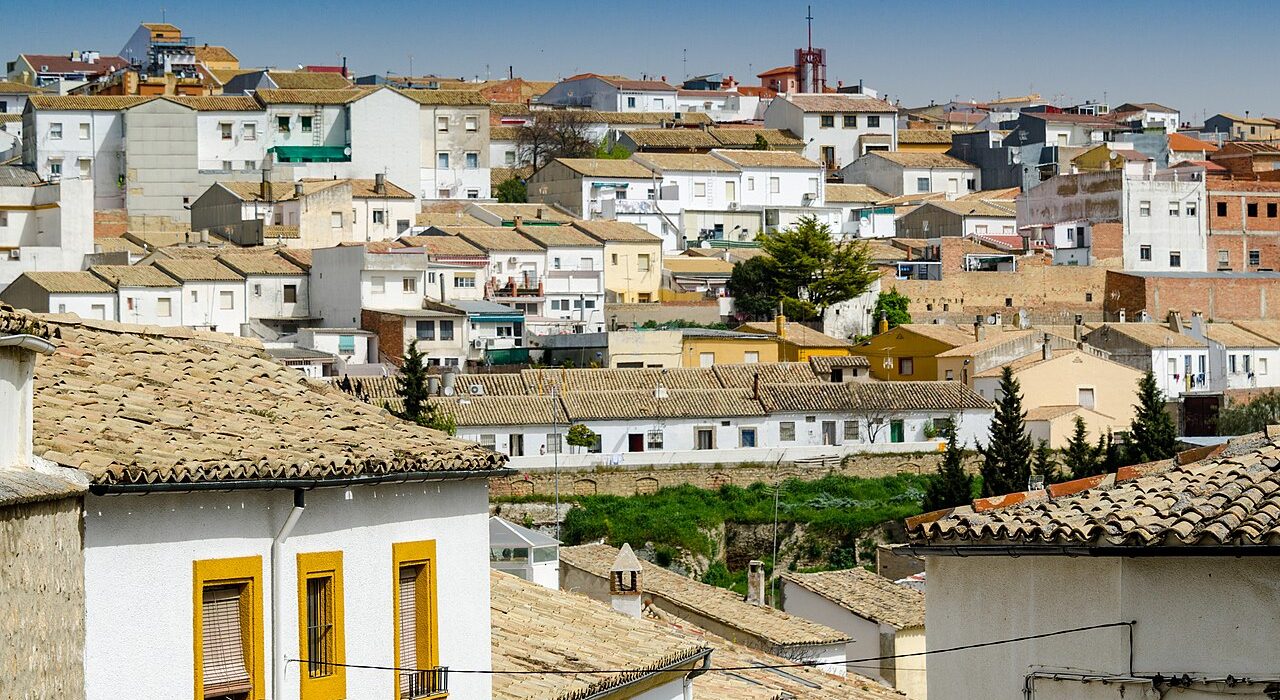
Some cities are visited to see museums, others to experience moments, but Úbeda is that rare place where 16th-century history breathes with the same intensity as its current festivities. While its 35,000 inhabitants stroll beneath the shade of Renaissance palaces declared a World Heritage Site, the city buzzes with supply markets and Holy Week processions that seem to stop time. It is not merely a limestone backdrop preserved since 2003; it is a living stage where the aroma of olive oil mingles with the echo of bells in Plaza Vázquez de Molina.
The must-seesWhat to See in Úbeda: The Essentials
Úbeda offers a monumental complex unique in Europe, where every corner tells a story of power and art. Here are the places you cannot miss to understand why UNESCO protected this treasure.
Úbeda Monumental Complex
This space is the beating heart of the city, declared a World Heritage Site in 2003 alongside Baeza for its exceptional Renaissance quality. The historic center retains an original medieval layout, but what will leave you breathless is the harmony of its civil and religious buildings distributed across luminous squares and cobblestone alleyways. Best of all, exploring this urban setting, considered one of the finest examples of the 16th century in Europe, involves no general admission cost, allowing you to lose yourself unhurriedly among its walls.
Church of Santa María de los Reales Alcázares
This Basilica and Royal Collegiate Church is an architectural gem built upon an ancient mosque, masterfully fusing Gothic and Renaissance styles. Inside, beyond serving as a place of worship, it houses a sacred art museum with impressive pieces of religious imagery and historical goldsmithing located in Plaza Vázquez de Molina. If you have the opportunity, climb its tower to enjoy a unique elevated perspective of the urban surroundings and the city’s entire monumental complex.
Sacra Capilla del Salvador (Sacred Chapel of the Savior)
Built in the 16th century, this chapel is the crowning achievement of the Spanish Renaissance in the city, featuring a layout designed by Diego de Siloé and a spectacular Plateresque façade by Andrés de Vandelvira. Inside, do not miss the main altarpiece by Berruguete, the ironwork by Master Bartolomé, and the solemn Renaissance tombs. Located in Plaza de Vázquez de Molina, a visit here is essential to appreciate Vandelvira’s indelible mark in an unparalleled enclave surrounded by palaces.
Las Eras del Alcázar Archaeological Site
This archaeological site is fundamental for documenting the city’s ancient history, revealing uninterrupted occupation dating back more than 6,000 years. It offers remains of previous structures that identify Úbeda as one of the oldest cities in Andalusia, perfectly complementing the monumental urban vision you will see above. Please note that access requires checking availability in advance on the municipal tourism portal to organize your visit.
Antiguo Pósito (Old Granary)
This 16th-century civil building was originally used as a municipal grain store and features fascinating functional architecture with large carriage entrance doors in Plaza Vázquez de Molina. Today, although its interior is used for cultural events, its exterior is visible free of charge and stands as a perfect example of public utility during the Renaissance. It is a quick but essential stop to understand daily life of the era.
Other points of interest
- Plaza Vázquez de Molina: A key Renaissance artistic enclave featuring buildings such as the Town Hall (Ayuntamiento), the Parador, and the Sacra Capilla (Sacred Chapel) arranged around a spacious, open square.
- Museo San Juan de la Cruz: A space dedicated to the figure of the mystic and poet, essential to local culture.
- Museo de Alfarería: Showcases the region’s pottery tradition.
- Casa de los Salvajes: A palace with a distinctive façade that does not go unnoticed.
- Casa de la Tercia: Another example of the city’s palatial architecture.
- Palacio de Don Luis de la Cueva: A historical residence of great significance.
- Sinagoga del Agua: A testament to the Jewish history of the city.
- Rincón de los Cronistas: A small monument paying homage to local history.
- San Pablo: A religious monument of interest.
- Iglesia de la Santísima Trinidad: A temple of architectural value.
- Iglesia de San Nicolás de Bari: Another religious gem of the heritage.
- Puerta del Losal: An ancient entrance to the city.
- Iglesia de San Millán: A historical religious building.
- Portada del Caballerizo Ortega: A singular architectural detail.
- Mirador de San Francisco: A strategic viewpoint for panoramic views.
- Antigua Prensa de Aceituna: A remnant of traditional industry.
- Estatua de Santiago Apóstol: A commemorative monument.
- Monumento a la Constitución de 1978: A modern landmark in the city.
- Estatua de Carnicerito de Úbeda: A tribute to a popular figure.
- Monumento a la Semana Santa de Úbeda (Penitente): A reminder of the processional tradition.
- Monumento al escultor Francisco Palma Burgos: A tribute to local art.
- Reproducción del Puente Ariza: An urban decorative element.
- Miradores: Viewpoints distributed throughout the city offering views over the sea of olive trees, the Sierra de Cazorla, and the Loma de Úbeda, while enjoying the UNESCO-declared heritage.
🍂 Otoño
Si visitas Úbeda en otoño, el clima se vuelve más fresco y verás la recogida de la aceituna. Es ideal para evitar multitudes, aunque deberías llevar siempre una chaqueta ligera por la tarde.
What to do in Úbeda
Úbeda offers specific activities ranging from immersing yourself in living history during its patron saint festivals to enjoying gastronomy in its traditional markets. In addition to visiting the monuments, you can take part in the Feria y Fiestas de San Miguel in September or October, the city’s main fair featuring concerts and attractions, or experience the solemnity of Holy Week (Semana Santa), declared a Festival of National Tourist Interest. In July, the Renaissance Festival (Fiestas del Renacimiento) transforms the city with period markets and parades, while on Fridays you can explore the Traveling Market (Mercado Ambulante) in Parque Norte or Calle Bétula to find crafts and local products.
Úbeda in a Day: Express Itinerary
If you’re short on time, this itinerary lets you see the city’s essentials in an intense yet rewarding day, covering UNESCO landmarks and the best viewpoints.
- 09:30 – Plaza Vázquez de Molina: Start your day in the artistic heart to admire the facades of the Town Hall (Ayuntamiento) and the Palace of the Chains (Palacio de las Cadenas) in the morning light.
- 10:30 – Sacra Capilla del Salvador (Sacred Chapel of the Savior): Visit Vandelvira’s masterpiece and appreciate Berruguete’s altarpiece before the crowds arrive.
- 12:00 – Iglesia Santa María de los Reales Alcázares (Church of Saint Mary of the Royal Fortresses): Tour the basilica and climb the tower for an elevated perspective of the urban surroundings.
- 13:30 – Antiguo Pósito (Old Granary) and Lunch: Observe the 16th-century civil architecture and take the opportunity to eat nearby in the commercial area.
- 16:00 – Mirador de San Francisco (San Francisco Viewpoint): End the afternoon with panoramic views over the sea of olive trees and the Sierra de Cazorla as the sun begins to set.
Where to Eat in Úbeda: Local Gastronomy
Where to Stay in Úbeda
Centro Histórico
El corazón monumental de la ciudad, declarado Patrimonio de la Humanidad, con la mayoría de palacios e iglesias renacentistas.
Barrio de San Lorenzo
Un tranquilo barrio residencial junto al centro, ideal para una estancia más relajada y económica.
Zona Calle Obispo Cobos
La principal arteria comercial de Úbeda, llena de tiendas, bares de tapas y restaurantes con mucho ambiente.
How to Get to Úbeda
Úbeda’s connectivity allows easy access from other parts of the region, though it is important to know the available transport options.
| Medio | Duración | Precio aprox. | Frecuencia |
|---|---|---|---|
| Tren (Renfe) | Variable según origen | Según Renfe | Estación de Jodar-Ubeda (sin AVE) |
| Autobús | Variable | Económico | Conexiones regionales |
The nearest train station is Jodar-Ubeda, which does not have AVE service, so you should check specific schedules via Renfe to plan your arrival.
Getting Around Úbeda
Once in the city, urban transport is simple and efficient. Úbeda has an urban bus service connecting different points of interest. However, given the compact nature of the Historic Center and its World Heritage status, the best way to get around is on foot to enjoy the cobblestone streets and sunny squares at a leisurely pace.
Weather in Úbeda
Best Time to Visit Úbeda
Day Trips from Úbeda
Úbeda occupies a strategic location within Jaén province, capital of the La Loma region. This makes it an ideal base for exploring other cities in the area. You can organize excursions to nearby towns sharing this historical heritage or venture into the natural landscapes of Sierra de Cazorla, visible from the city’s viewpoints.
Who Is Úbeda For?
Úbeda is perfect for history and architecture enthusiasts, especially those interested in Spanish Renaissance art and UNESCO sites. It’s also ideal for foodies eager to taste authentic Andalusian cuisine featuring dishes like lomo de orza (marinated pork loin) and andrajos (rabbit stew). With an average stay of 1.85 nights and 15% international visitors (INE data), it offers a welcoming atmosphere for couples seeking historical romance as well as families enjoying a tranquil yet culturally rich pace.
Frequently Asked Questions About Úbeda
How many days do I need to see Úbeda?
With an average stay of 1.85 nights according to INE, two days suffice to see main attractions like Sacra Capilla del Salvador (Sacred Chapel of the Savior) and Plaza Vázquez de Molina, though a third day allows leisurely enjoyment of museums and excursions.
Is Úbeda expensive?
Not necessarily; it’s an affordable destination where an average meal costs between €10 and €15. Accommodation ranges from hostels at €18–30 to 4- and 5-star hotels priced between €90 and €200, catering to various budgets.
What is the best time to visit Úbeda?
The optimal period runs from May to October, avoiding summer heat when average temperatures hit 28.4°C. Additionally, events like Holy Week (Semana Santa) or the Renaissance Festival in July offer unique experiences.
How do I get to Úbeda from Madrid?
You can reach Úbeda by train to Jodar-Ubeda station (no AVE service, per Renfe) or by bus. The city is well-connected by road within the autonomous community of Andalusia.
What can’t I miss in Úbeda?
A must-visit is the Monumental Ensemble declared a World Heritage Site in 2003, including Vandelvira’s Sacra Capilla del Salvador, plus enjoying views over the sea of olive trees from Mirador de San Francisco.