Valladolid
Castilla y LeónClimate
Daily budget
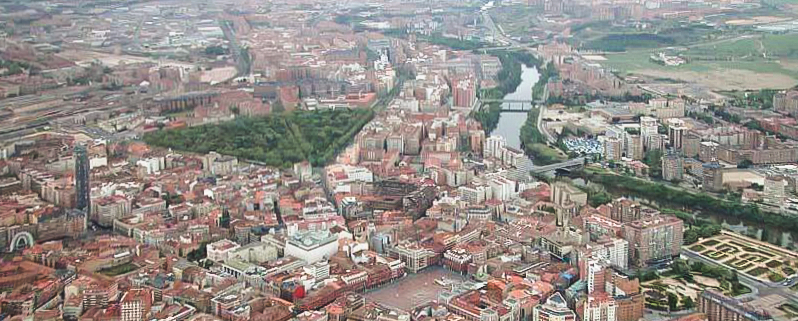
Forget for a moment the idea that the great capitals of Castile are merely ancient stones and silence; Valladolid pulses with a vibrant energy that surprises anyone expecting a static open-air museum. This city, seat of the regional government of Castile and León and home to more than 300,000 inhabitants, combines an imperial history with modern urban life where sacred art coexists with 19th-century shopping arcades and parks full of peacocks. It is not just a stop on the way north; it is a destination with its own personality, where Renaissance architecture and the legacy of the Golden Age await you on every corner of its historic center, ready to be discovered without rush or massive crowds.
The must-seesWhat to see in Valladolid: the essentials
National Sculpture Museum (Museo Nacional de Escultura)
This museum is an undisputed gem housing one of the most important collections of polychrome sculpture in all of Europe, located within the historic College of San Gregorio. Visiting it means not only seeing masterpieces but also stepping into a building that is a work of art in itself, featuring a spectacular Isabelline Gothic façade worth admiring before entering. Opening hours are from 10:00 to 19:30 and admission is required, but it is a necessary investment to understand the depth of Spanish religious art. It stands out especially for the quality of its carvings and the solemn atmosphere breathed in its halls, offering a journey ranging from the Middle Ages to the 19th century.
Monastery of Las Huelgas Reales (Monasterio de Las Huelgas Reales)
Founded in 1282 by Queen María de Molina for the Cistercian order, this monastery preserves a Mudéjar doorway unique in the entire city, which alone justifies the visit. Inside, travelers will find royal tombs and valuable works of religious art dating from the 17th century, making it a place of great historical and spiritual importance. The architecture of the complex reflects the power of the Castilian monarchy of the time and allows visitors to connect directly with the legacy of the founding queen. It is a space of silence and beauty that contrasts with the outside bustle, ideal for those seeking peace and culture.
Church of Santa María la Antigua (Iglesia de Santa María la Antigua)
This church immediately stands out for its slender Romanesque tower, which has become one of the oldest and most recognizable symbols of the Valladolid skyline. Its presence dominates the square of the same name and serves as an unavoidable reference point for orienting oneself in the city’s old town. Although its interior also deserves attention, it is the façade and the tower that truly capture the medieval essence of the temple. It is a mandatory stop for lovers of photography and the region’s most primitive religious architecture.
Gutiérrez Passage (Pasaje Gutiérrez)
This is a 19th-century shopping arcade representing one of the few examples of this type of architecture preserved in all of Spain. Crossing its wood and glass doors transports visitors to another era, allowing them to admire the elegance of its iron structures and the light flooding the central space. More than a shopping venue, it is an urban monument inviting a slow stroll to observe the details of its restoration. It is the perfect place to take shelter from the weather while enjoying a classic and sophisticated atmosphere.
Caballería Academy
Located opposite Campo Grande Park and Zorrilla Square, this imposing structure was erected in the second decade of the 20th century following a fire that destroyed the old prison on the site. With a Renaissance style inspired by the Monterrey Palace, the building uses sandstone from Salamanca and stands out for its elegant longitudinal façade that dominates the area’s perspective. Its parade ground, currently used for military ceremonies, is a space of great solemnity reflecting the city’s martial tradition. The combination of its privileged location next to the park and its majestic architecture makes it a fundamental visual landmark.
Plaza del Poniente
Formerly an urban square where the northern branch of the Esgueva River flowed to meet the Pisuerga, it is now notable for the bronze statue of writer Rosa Chacel seated on a bench.
Palacio de Santa Cruz
A college founded in 1479 by Cardinal Mendoza, begun in Gothic style and continued in the Renaissance, it currently houses the Governing Bodies of the University and a Historical Library containing the legacy of the college’s library.
Casa Museo de Colón (Columbus House Museum)
A 16th-century building where Miguel de Cervantes Saavedra resided between 1601 and 1606, it exhibits objects from the period and recreates the rooms where the author of Don Quixote lived.
Iglesia de San Pablo (Church of Saint Paul)
An impressive example of Isabelline Gothic, this church is world-famous for its spectacular stone altarpiece façade that appears carved like lace.
Catedral de Nuestra Señora de la Asunción (Cathedral of Our Lady of the Assumption)
Popularly known as ‘La Inconclusa’ (The Unfinished), it is an architectural project by Juan de Herrera that houses a valuable altarpiece by Juan de Juni inside.
Casa de Cervantes (Cervantes House)
This residence, where Miguel de Cervantes lived in 1605, today faithfully recreates the atmosphere of a Golden Age house, allowing visitors to imagine the writer’s life in the city.
Plaza Mayor
It is the beating heart of the city, one of the largest squares in Spain, serving as the main meeting point for locals and tourists alike.
Campo Grande
The city’s main urban park, this romantic garden is populated by free-roaming peacocks and features a wide variety of trees offering shade and rest.
🍂 Otoño
Si visitas Valladolid en otoño, el clima se vuelve fresco y los parques se tiñen de dorado. También es considerada la mejor época para evitar multitudes y disfrutar de la cultura. Prepárate con algo impermeable por si cae alguna lluvia inesperada.
What to do in Valladolid
Valladolid offers specific activities ranging from enjoying its historic markets to immersing yourself in festivals declared of International Tourist Interest. You can begin your experience by visiting Mercado del Val, a historic 19th-century iron-structured market that has been renovated into a leading gastronomic space. If you travel during key dates, do not miss Holy Week, declared of International Tourist Interest, famous for its sober processions and valuable Baroque sculptures parading through the streets of the center. In summer, the Fiestas de la Virgen de San Lorenzo, celebrated in August and September, transform the city with concerts, social clubs, and a daytime fair, offering a grand week full of color and music. For a more relaxed experience, simply getting lost in recommended neighborhoods such as the Historic Center or the surroundings of Plaza Mayor allows you to experience the architecture and local life without a fixed plan.
Valladolid in a day: express itinerary
If you only have 24 hours, this practical itinerary will allow you to see the city’s essentials without rushing, taking advantage of the proximity of its monuments.
- 10:00 – National Sculpture Museum (Museo Nacional de Escultura): Start your morning with high-level culture at the College of San Gregorio; it is the ideal time to see the light enter the cloister before the crowds arrive.
- 12:30 – Church of San Pablo and Plaza del Poniente: Walk towards the impressive façade of San Pablo and then approach the statue of Rosa Chacel for a photo with literary context.
- 14:00 – Lunch at Mercado del Val: Head to this renovated space to try some local gastronomy in a modern yet historic setting.
- 16:00 – Pasaje Gutiérrez and Plaza Mayor: Stroll through the 19th-century gallery and finish in the heart of the city to feel the urban pulse in the arcaded square.
- 18:00 – Campo Grande and Cavalry Academy (Academia de Caballería): End the day with a relaxing walk among the park’s peacocks and admire the Renaissance façade of the Academy at sunset.
Where to eat in Valladolid: local gastronomy
Where to sleep in Valladolid
Centro Histórico (Casco Antiguo)
El corazón de Valladolid, ideal para los que buscan estar cerca de los principales monumentos y sumergirse en la historia de la ciudad.
Plaza Mayor y Alrededores
Zona vibrante y peatonal, perfecta para disfrutar de la arquitectura, ir de compras y experimentar la gastronomía local en sus numerosos restaurantes y bares.
Alrededores de la Estación de Valladolid-Campo Grande
Conveniente para los viajeros que llegan en tren, ofreciendo fácil acceso al centro histórico y diversas opciones de alojamiento.
How to get to Valladolid
Getting to the city is easy thanks to its good land and air connectivity, being an important communications hub in the northwest of the peninsula.
| Medio | Detalles / Destinos | Ubicación / Distancia |
|---|---|---|
| Tren (AVE) | Estación de Valladolid-Campo Grande. Destinos directos: Madrid, León, Palencia, Segovia. | En la ciudad, junto al Campo Grande. |
| Autobús | Estación de Autobuses de Valladolid. Compañías principales: Alsa, Avanza. | Estación central de autobuses. |
| Avión | Aeropuerto de Valladolid-Villanubla (VLL). | A 10 km de la ciudad. |
| Coche | Conexión mediante autovías A-62, A-11, A-60, N-601 y VA-30. | Acceso directo a la red nacional. |
Getting Around Valladolid
Once in the city, getting around is very convenient. The center of Valladolid is largely pedestrianized, inviting visitors to explore main attractions like the Plaza Mayor or the Pasaje Gutiérrez (Gutiérrez Passage) on foot. For longer distances or to reach outer neighborhoods, the city boasts an efficient urban bus network connecting all points of interest. The combination of a walkable center and accessible public transport makes renting a car strictly unnecessary to enjoy your stay, especially if you are staying in the Historic Center or near the train station.
Weather in Valladolid
Best Time to Visit Valladolid
Day Trips from Valladolid
Valladolid’s location in the northwest quadrant of the Iberian Peninsula makes it a perfect base for exploring other gems of Castile and León. It is only 47 km from Palencia, allowing for a quick visit to another monumental city. In addition, you have nearby cities available for day trips such as Zamora, famous for its Romanesque architecture, and Salamanca, with its incomparable university and main square. Burgos is also an accessible destination to complete your route through northern Spain, offering an impressive Gothic cathedral and more history of the Camino de Santiago.
Who Is Valladolid For?
Valladolid is a versatile destination that particularly attracts history and art lovers, given its rich heritage featuring European-scale museums and religious architecture. It is ideal for couples seeking a quiet cultural getaway and for foodies interested in traditional Castilian cuisine and high-end Michelin-starred dining. Families will also find their place, especially enjoying green spaces like the Campo Grande. With an average stay of 1.76 nights and more than 410,000 annual travelers (according to the INE), it is a city that satisfies both the cultural tourist and the business traveler looking for a comfortable and well-connected stopover.
Frequently Asked Questions about Valladolid
How many days do I need to see Valladolid?
With an average stay of 1.76 nights according to INE data, a weekend (2-3 days) is enough to see the main attractions such as the Museo Nacional de Escultura (National Sculpture Museum), the Plaza Mayor, and enjoy the local gastronomy without rushing.
Is Valladolid expensive?
It is a city with moderate prices. An average meal costs between €14 and €20. Accommodation ranges from hostels at €20-35 per night to 4-5 star hotels between €90 and €160 per night, offering good value for money.
What is the best time to visit Valladolid?
The best time is Spring and Autumn, avoiding the low winter temperatures (average of 5°C) and taking advantage of the mild climate. However, if you are interested in festivals, Holy Week (March/April) and the Fiestas de la Virgen de San Lorenzo (Festivals of the Virgin of San Lorenzo) in August/September are key moments.
How do I get to Valladolid from Madrid?
The connection is very fast thanks to the AVE from the Valladolid-Campo Grande station, with direct destinations that make the journey easier. You can also arrive by car using the national roads and highways that connect both cities.
🗺️ Rutas desde Valladolid
- How to Get from Valladolid to Zamora: Distance, Train, Bus and Car
- How to Get from Zamora to Valladolid: Distance, Train, Bus and Car
- How to Get from Valladolid to Salamanca: Distance, Train, Bus and Car
- How to Get from Salamanca to Valladolid: Distance, Train, Bus and Car
- How to Get from Valladolid to Burgos: Distance, Train, Bus and Car
- How to Get from Burgos to Valladolid: Distance, Train, Bus and Car
- How to Get from Valladolid to Madrid: Distance, Train, Bus & Car
- How to Get from Madrid to Valladolid: Distance, Train, Bus & Car