Total Solar Eclipse in A Coruña, Spain — August 12, 2026: Exact Times and Where to Watch
In A Coruña the eclipse will be TOTAL, totality starts at 20:27 local time and lasts 1 min 17 s. All times in this guide refer to CEST (UTC+2), the official Spanish summer time. This event marks the first total solar eclipse visible from peninsular Spain since 1905, ending a 121-year wait for observers on the mainland. This guide covers verified timing data, optimal viewing locations with clear western horizons, and critical climate advice for Galicia.
Eclipse timeline in A Coruña
The event begins with the first contact at 19:30:56, when the Moon starts covering the Sun. The partial phases continue for nearly an hour before totality begins at 20:27:40. Maximum eclipse occurs at 20:28:19, followed by the end of totality at 20:28:57. The partial phases conclude at 21:22:01. These phases are calculated using NASA and IGN ephemeris data for the specific coordinates of A Coruña.
| Phase | Local time in A Coruña (CEST) |
|---|---|
| First contact (partial begins) | 19:30:56 |
| Totality begins | 20:27:40 |
| Maximum eclipse | 20:28:19 |
| Totality ends | 20:28:57 |
| Last contact (partial ends) | 21:22:01 |
| Totality duration | 1 min 17 s |
| Magnitude | 1.005 |
Source: NASA Five Millennium Catalog. Local times CEST (UTC+2), August 12, 2026.
While A Coruña offers a total experience, it is not on the centerline of the eclipse path. The peninsular maximum duration occurs in Oviedo, reaching 1 minute 49 seconds. Being off the centerline means A Coruña experiences a shorter totality of 77 seconds, but the magnitude remains above 1.005, ensuring complete coverage. Observers here will see the corona clearly, though the duration requires precise preparation to maximize the viewing window.
Where to watch it in A Coruña
The key criterion for site selection is an unobstructed WESTERN horizon. During totality, the Sun will be low over the west-northwest horizon, approximately 10 to 12 degrees in altitude. Buildings, hills, or trees in this direction will block the view. You must prioritize elevation and open sightlines to the sea or open sky.
Monte de San Pedro is the premier location, matching the observation note for ideal viewing. Its elevation provides a panoramic view over the Atlantic, minimizing the risk of local obstructions blocking the low sun. Jardines de Méndez Núñez offers a central park setting, but verify the western tree line does not interfere with the 10-degree altitude requirement. Playa de Riazor provides a wide open horizon over the water, ideal for the western vector, though coastal fog may be a factor. Plaza de María Pita is accessible but surrounded by urban structures; only specific corners may offer the necessary clear line of sight. The Atlantic coast carries a risk of evening fog, so higher ground like Monte de San Pedro is scientifically preferable to beach level.
August skies in Galicia: real odds
According to AEMET climate data for Galicia and the Costa Cantábrica, the clear sky probability in August ranges between 30% and 50%. The typical risk involves coastal fog and evening cloud cover, locally known as ‘orballo’. This marine layer can roll in during the late afternoon, precisely when the eclipse occurs. It is essential to have a Plan B located further inland, such as Lugo or Oviedo, where continental conditions often reduce cloud risk. Monitor the AEMET forecast closely 24 to 48 hours before the event. If coastal clouds are predicted, be prepared to drive east immediately on the morning of August 12.
Getting to A Coruña for the eclipse
Most international travelers will arrive via Santiago de Compostela or Madrid. We have published a specific guide for the drive from Santiago: ruta from Santiago De Compostela to A Coruña. Traffic on August 12 will be heavy as astro-tourists converge on the path of totality. Roads leading to optimal viewing spots will congest quickly. The smart play is to arrive in the city the day before, on August 11. This ensures you are positioned correctly without the stress of same-day travel delays. Public transport may run special schedules, but private vehicle flexibility is recommended for chasing clear skies.
Where to stay: book now or arrive the day before
Accommodation inside the path of totality has been booking up since 2025. Availability in A Coruña will be extremely limited close to the date. Honest advice: book NOW with free cancellation policies to secure a room. Alternatively, stay in a nearby city outside the path, such as Madrid or Barcelona, and drive in on the morning of the 12th. However, driving on the day carries traffic risks. Securing a local base reduces logistical stress and allows you to focus on weather monitoring.
Safety: the 30 seconds you must read
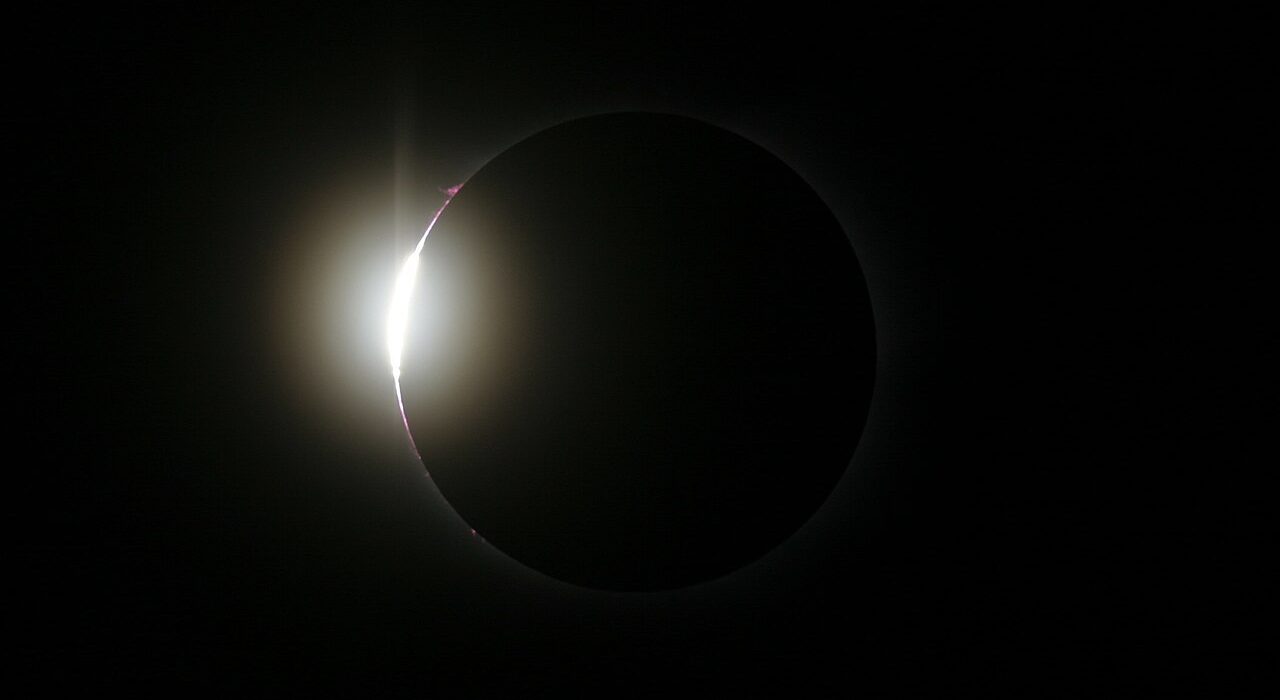
Eye safety is non-negotiable. You must wear ISO 12312-2 certified glasses during ALL partial phases. Only during the 1 minute 17 seconds of totality can you look at the Sun with the naked eye. The instant the diamond ring reappears at 20:28:57, you must put your glasses back on. Looking at the partial Sun without protection causes permanent retinal damage. Read our complete guide to the 2026 eclipse in Spain for detailed safety protocols.
- ISO 12312-2 certified eclipse glasses — one per person, bought well in advance. See options on Amazon ES.
The eclipse near A Coruña
Travelers may consider nearby cities if weather forecasts favor inland locations. The following table compares timing and duration for key locations in the region. Use this data to make a final go/no-go decision based on real-time cloud cover.
| City | Distance | Totality duration | Totality begins |
|---|---|---|---|
| Lugo | 80 km | 1 min 24 s | 20:28:07 |
| Ponferrada | 174 km | 1 min 27 s | 20:28:44 |
| Oviedo | 206 km | 1 min 49 s | 20:27:05 |
| Gijón | 223 km | 1 min 45 s | 20:26:48 |
Make a trip of it: what to see in A Coruña
The eclipse happens at sunset on the 12th, leaving the morning free for tourism. A Coruña offers rich history and coastal scenery worth exploring before the event. Consult our full city guide for what to see and do in A Coruña to plan your daytime itinerary. Combining cultural visits with the astronomical event makes for a complete travel experience.
Frequently asked questions
What time is the eclipse in A Coruña?
The partial phase starts at 19:30:56 CEST. Totality runs from 20:27:40 to 20:28:57, with maximum at 20:28:19. The partial phase ends at 21:22:01.
How long does totality last in A Coruña?
1 min 17 s. Being off the centerline, the duration is shorter than the peninsular maximum (Oviedo, 1 min 49 s).
Will the eclipse be total in A Coruña?
Yes. A Coruña is inside the path of totality with magnitude 1.005. The sun will be completely covered by the moon for 1 min 17 s.
Do I need eclipse glasses?
Yes — ISO 12312-2 certified glasses during all partial phases. Only during totality can you safely look at the sun with the naked eye. Sunglasses do NOT protect.
What if it is cloudy in A Coruña on August 12?
Clear-sky probability for this zone is 30-50% (AEMET historical data). Tener plan B tierra adentro (Lugo, Oviedo) o moverse según predicción AEMET 24h antes. Check the AEMET forecast 24-48 hours before and stay mobile.
When is the next total solar eclipse visible from Spain?
Soon: 2027-08-02. An exceptional back-to-back for the same region.
Conclusion
The August 12, 2026 total solar eclipse is a once-in-a-lifetime event for travellers visiting Spain. With careful planning — picking a centerline location, checking the AEMET forecast 24-48h before, wearing ISO 12312-2 glasses during partial phases and booking accommodation early — you can witness one of nature’s most spectacular phenomena. Use this guide alongside our city guides and itineraries to build the trip of a lifetime.