Tenerife
CanariasClimate
Daily budget
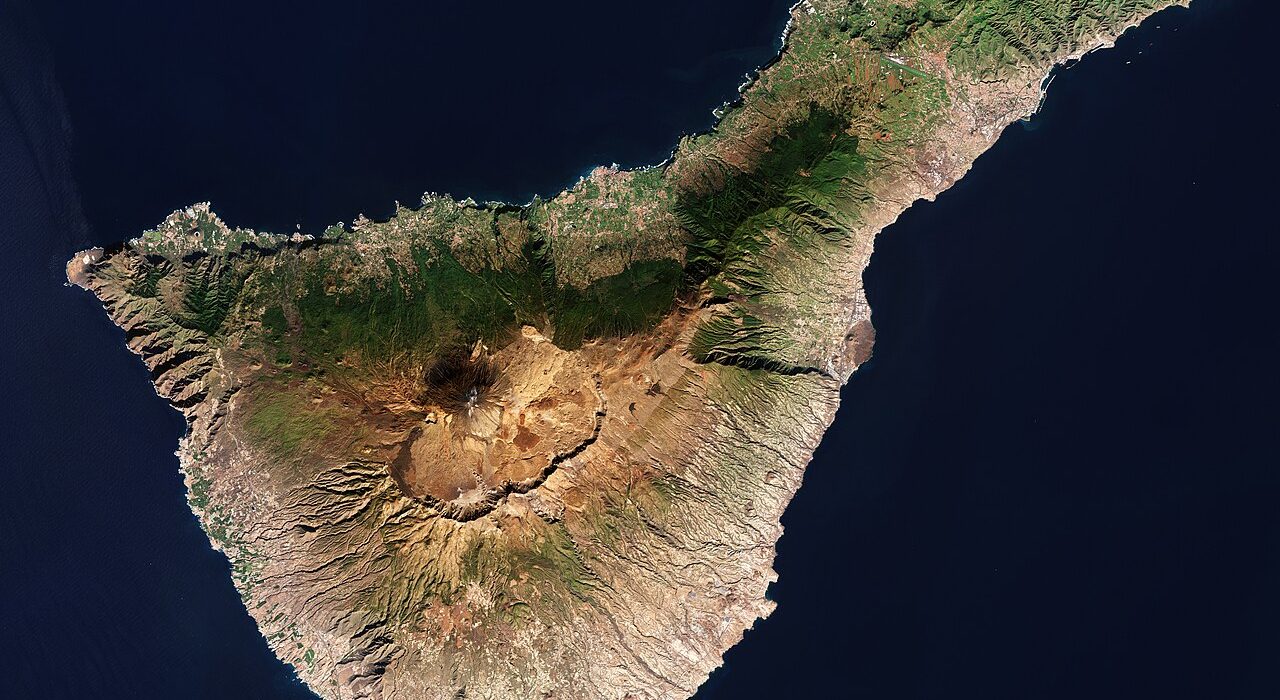
Imagine having breakfast as the sun peeks over the Atlantic horizon, gilding the waters that bathe an island where winter is but a distant memory and a volcano keeps watch from the clouds. Tenerife is not just a sun-and-beach destination; it is a universe of contrasts where you can spend the morning symbolically skiing on the snows of Teide and the afternoon sailing in the crystal-clear waters of the south. Here, the air smells of salt and tropical flowers, and every corner, from the giant cliffs to the cobblestone historic quarters, invites you to pause and breathe a tranquility you will hardly find elsewhere in Europe.
The must-seesWhat to See in Tenerife: The Essentials
To ensure you don’t miss anything essential, I have selected the places that define the island’s identity. These are the spots you must mark on your map without fail, complete with practical data to help you organize your visit without a hitch.
Teide National Park
This park is the beating heart of the island and home to Spain’s highest peak, an experience that will make you feel as if you are on another planet. Declared a UNESCO World Heritage Site in 2007, it offers unique volcanic landscapes that change color depending on the time of day, shifting from ochre to intense red. Although the park is open 24 hours a day so you can enjoy its views at any time, if you want to take the cable car you must plan carefully, as its operating hours are from 9:00 to 16:00. It is essential to book in advance if you wish to access the summit, as spaces are limited and demand is high throughout the year.
Auditorio de Tenerife Adán Martín (Tenerife Auditorium Adán Martín)
If there is one building that defines the modern profile of Santa Cruz, it is this iconic work by architect Santiago Calatrava, whose white, curved structure seems to emerge directly from the sea. It is not just a beautiful building to photograph from the outside; it is the active home of the Tenerife Symphony Orchestra, so attending a concert here is experiencing local culture at its finest. Its avant-garde design contrasts wonderfully with the blue of the ocean, creating a visual image that has become the contemporary symbol of the city and a meeting point for lovers of music and architecture.
Loro Parque
Founded in 1972 near Puerto de la Cruz, this zoo is an institution on the island, covering an impressive area of 135,000 square meters. It houses a wide variety of animal species, but its main attractions are the spectacular orca and dolphin shows that combine education and entertainment for the whole family. In addition to marine mammals, it features an impressive aquarium, the Planet Penguin space to see penguins in a climate-controlled environment, and the world’s largest collection of parrots, which justifies its name and international fame.
Roque Cinchado
Roque Cinchado is a unique rock formation within Teide National Park, popularly known as the Stone Tree due to its peculiar silhouette. Its figure is one of the most recognized photographic spots in the park and a testament to the erosive force of wind and time on volcanic rock.
Las Teresitas Beach
This is the famous golden-sand beach, with sand brought from the Sahara, which contrasts with the rest of the island’s coasts, offering calm waters ideal for families seeking a safe and relaxing swim.
Siam Park
Internationally recognized for its excellence, this water park in Costa Adeje stands out for its architecture themed around the Kingdom of Siam, featuring high-thrill slides and an artificial beach with large waves.
Pico Viejo
It is the second highest volcano in the Canary Islands, with an elevation of 3,135 meters within Teide National Park, whose crater is visible from several hiking routes that cross the protected volcanic landscape.
San Cristóbal de La Laguna
The Mercado de La Laguna (La Laguna Market) is a traditional commercial space within this UNESCO World Heritage city, offering a chance to discover local products in a protected historic setting filled with colonial mansions.
Tenerife Espacio de las Artes (TEA)
This contemporary art center is a cultural landmark featuring works by local and international artists and a specialized library, all housed in a modern design building.
Drago Milenario
Located in Icod de los Vinos, this specimen is considered the oldest tree in the Canary Islands, with an estimated age of centuries, surrounded by a botanical garden and an ethnographic museum.
Parque García Sanabria
A lush botanical garden in the heart of Santa Cruz city, perfect for a leisurely stroll among sculptures and a famous central fountain.
Acantilados de los Gigantes
These cliffs rise up to 600 meters high on the southwest coast, offering spectacular viewpoints over basaltic rock walls and serving as a starting point for whale-watching excursions.
Palmetum de Santa Cruz
This is a 12-hectare botanical garden specializing in the palm family, built on a former landfill and now restored with panoramic sea views.
Teleférico del Teide
The Teleférico del Teide allows you to ascend near the 3,718-meter summit to observe the volcanic landscape and enjoy panoramic views of the other islands in the archipelago on clear days.
Mirador Cruz del Carmen
The Mirador de la Cruz del Carmen offers panoramic views from the La Laguna area towards the north and is a common stop on routes crossing the Anaga massif.
Montaña Roja
La Montaña Roja is a volcanic formation noted for its characteristic coloration within the Granadilla de Abona Special Nature Reserve, next to El Médano.
Plaza de España
The city’s largest square, recently renovated, features an artificial lake and displays the remains of the Castillo de San Cristóbal integrated into the ground.
Playas Volcánicas
The island boasts numerous black sand beaches formed by the erosion of ancient volcanic materials, offering a unique contrast to golden sand beaches.
Costa de Adeje
This southwestern coastal area concentrates luxury resorts and beaches suitable for sports enthusiasts and families, with developed tourist infrastructure and mild temperatures.
Icod de los Vinos
Icod de los Vinos is the historic municipality in northern Tenerife that houses the Drago Milenario in its protected enclosure, alongside a traditional quarter of Canarian architecture.
🍂 Otoño
Si visitas Tenerife en otoño, el mar sigue estando caliente y las temperaturas son muy equilibradas. Es ideal para relajarse ya que bajan las aglomeraciones respecto al verano. Lleva siempre una chaqueta ligera por si refresca por la noche.
What to Do in Tenerife
Tenerife offers a vibrant agenda that goes far beyond beach relaxation, inviting you to immerse yourself in its culture and local life through unique events. If you visit the island between February and March, you cannot miss the Carnival of Santa Cruz de Tenerife, considered one of the best carnivals in the world, where galas, parades, and street parties transform the city into an unparalleled stage of color and music. For a more everyday yet equally authentic experience, visit the Mercado de Nuestra Señora de África (Our Lady of Africa Market), a neo-colonial style building where you can buy fresh local products and chat with locals, or head over on Sunday morning to the Rastro de Santa Cruz, a flea market held around the main market that is perfect for finding antiques and crafts.
Tenerife in one day: express itinerary
If you only have 24 hours, this itinerary will allow you to see the essentials of the capital and its immediate surroundings, combining culture, nature, and gastronomy in a logical and efficient route.
- 09:00 – Plaza de España (Spain Square): Start your day in the city’s largest square, admiring the artificial lake and the remains of the Castillo de San Cristóbal as the city wakes up.
- 11:00 – Parque García Sanabria: Take a relaxing stroll through this lush botanical garden in the heart of the city, enjoying its sculptures and famous fountain.
- 13:30 – Mercado de Nuestra Señora de África (Our Lady of Africa Market): Head to this neo-colonial style market to see local fresh produce and understand the daily life of Tenerife residents.
- 15:30 – Auditorio de Tenerife Adán Martín: Walk towards the coast to photograph this iconic work by Santiago Calatrava from the outside and enjoy the sea breeze.
- 17:00 – Iglesia Matriz de la Concepción (Main Church of the Conception): Finish your cultural tour by visiting the city’s main temple, built on the first hermitage of the conquerors.
Where to eat in Tenerife: local gastronomy
Where to Stay in Tenerife
Historic Quarter (City Center)
The heart of the city, filled with shops, restaurants, historic squares, and museums such as MUNA.
Calle de la Noria
Epicenter of nightlife and gastronomy, with numerous tapas bars and terrace restaurants.
Cabo-Llanos
The most modern seaside area, home to the Tenerife Auditorium and the Maritime Park.
How to Get to Tenerife
Reaching the island is easy thanks to its air and sea connections, with the northern airport serving as a very convenient gateway to visit the capital.
| Mode of Transport | Duration / Distance | Approx. Price | Frequency / Notes |
|---|---|---|---|
| Plane (TFN Airport) | 13 km from the city | Variable depending on origin | Daily domestic and international flights |
| Bus (TITSA) | Depends on the route | Economical | Connections from the airport and other cities |
| Car (Highways TF-1, TF-5, TF-2) | Variable | Rental + Fuel | Main road network of the island |
Getting Around Tenerife
Once on the island, public transport is efficient and covers the main areas well. The TITSA company manages the bus network connecting all municipalities, with the Santa Cruz de Tenerife Transport Interchange Station as the central hub. In the capital, you can also use the city bus and the tram, which is a comfortable and fast way to travel between Santa Cruz and La Laguna. Additionally, the city center is mostly pedestrianized, making it easy to explore the main streets on foot without worries.
Weather in Tenerife
Best Time to Visit Tenerife
Day Trips from Tenerife
Although Tenerife is a large island with plenty to see on its own, its location in the Macaronesia region makes it a strategic point. From here you can plan excursions to other cities in the region or explore the different municipalities of the island itself that function as destinations in their own right, such as Icod de los Vinos in the north or the coastal areas of the south. The proximity between towns allows combining cultural and natural visits in a single day without the need for long transfers.
Who Tenerife is for
Tenerife is an incredibly versatile destination that suits almost any type of traveler. It is perfect for families thanks to parks like Loro Parque and Siam Park, as well as tranquil beaches such as Las Teresitas. History and culture enthusiasts will find the Historic Quarter and San Cristóbal de La Laguna, a UNESCO World Heritage Site, fascinating. Foodies will enjoy the rich local gastronomy and Michelin-recognized restaurants, while backpackers and budget travelers can take advantage of the hostels and nightlife on Calle de la Noria. With 302,577 annual visitors (according to the INE) and 36% foreigners, it is a place where visitor diversity is reflected in its offerings.
Frequently asked questions about Tenerife
How many days do I need to see Tenerife?
To see the essentials of the capital and its immediate surroundings, such as the Auditorio and Teide, an express itinerary of 1 day is sufficient. However, to enjoy the beaches, theme parks, and gastronomy at a leisurely pace, an average stay of at least 2.15 nights is recommended, which is the average recorded by the INE.
Is Tenerife expensive?
Tenerife offers options for all budgets. An average meal can cost between €15 and €25. Regarding accommodation, you can find hostels from €20-35 per night, 3-star hotels between €60-100, and 4-5 star hotels with prices ranging from €100-250 per night.
What is the best time to visit Tenerife?
The best time is spring and autumn, when the weather is most pleasant. The average temperature in summer is 25°C and in winter 18°C. The end of summer should be avoided if you wish to escape potential calima (dust haze).
How do I get to Tenerife from Madrid?
The fastest way is by plane to Tenerife North-Ciudad de La Laguna Airport (TFN), which is 13 km from the capital. It is also possible to arrive by boat or using the TF-1, TF-5, and TF-2 road network if you are already on the island or coming from another point in the Canaries.