Ronda → Málaga
100 kmFrom Ronda to Málaga: a practical guide for a journey between the mountains and the Mediterranean
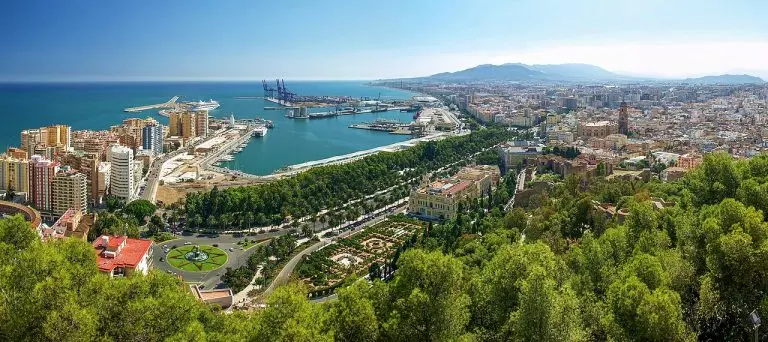
There is something deeply satisfying about descending from the balcony of the Tajo de Ronda to the bay of Málaga in just over an hour, watching the landscape shift from limestone mountains and white villages to orchards, rivers and finally the blue of the sea. This 100 km road journey is one of those Andalusian routes that deserves to be taken without haste, with stops in the villages of the Valle del Guadalhorce (Guadalhorce Valley) and a well-laid table waiting at the end of the road.
How to get from Ronda to Málaga: quick summary
The fastest and most flexible way to travel between Ronda and Málaga is by car, with a 100 km journey completed in approximately 1 hour and 15 minutes along toll-free roads. There is also a direct bus operated by the company Damas that takes 105 minutes, ideal for those who do not want to drive. There is no direct train between the two cities, nor any direct flight, so the real options come down to road or bus. For travellers who want to explore the villages in between or go at their own pace, the car is clearly the best option; for those seeking the cheapest and most hassle-free alternative, the bus fits the bill perfectly.
By car from Ronda to Málaga
The 100 km drive is divided into two main sections along conventional toll-free roads: first the A-367 from Ronda towards Ardales (about 41 km) and then the A-357 from Campillos to Málaga through the Valle del Guadalhorce (about 55 km). The A-367 is a mountain road with wide curves and spectacular views over the Serranía de Ronda (Ronda Mountains), crossing a landscape of holm oaks, olive trees and small farmsteads. Where it joins the A-357, the terrain softens and the road follows the course of the Guadalhorce river, passing near villages such as Pizarra and Cártama before entering the metropolitan area of Málaga. The estimated time of 1 hour and 15 minutes holds well under normal traffic conditions, although it is worth allowing a little extra margin during peak hours on the approach to the capital.
By bus from Ronda to Málaga
The company Damas operates a direct bus service between Ronda and Málaga with a duration of 105 minutes, making it a comfortable, no-transfer alternative for those without a vehicle. The bus departs from Ronda bus station and arrives at Málaga bus station, connecting the centre of both cities without the need for additional transfers. Although the exact ticket price is not confirmed in the verified data, intercity buses on this route tend to have low fares, especially if booked in advance. For travellers with light luggage or those who prefer to avoid driving on mountain roads, the bus is a sensible and reliable option.
Recommended stops along the way
The road trip offers at least three interesting stops that don’t add too much time to the journey and let you discover the character of the Guadalhorce Valley. All three are on the final stretch of the route, once you’re on the A-357, and can be combined into a single morning of exploring.
Cártama
Cártama is a municipality in the Guadalhorce Valley located a few kilometres from the A-357, known for its ruined Moorish castle and its views over the valley. The town is divided into Cártama Pueblo, in the upper part, and Estación de Cártama, in the lower area next to the railway line, which sometimes confuses visitors. It’s a short, pleasant stop to stretch your legs, grab a drink on a terrace and watch everyday life in an agricultural town in Málaga province.
Pizarra
Pizarra is another village in the Guadalhorce Valley that sits directly on the A-357, making it the most accessible stop on the route. Its surroundings are marked by citrus groves and the course of the Guadalhorce River, and the town retains a quiet, authentic feel. It’s a good place for a quick provisioning stop or to buy local seasonal produce if you’re travelling during the harvest months.
Estación de Cártama
Estación de Cártama is a population centre separate from the main town of Cártama, located in the lower area next to the railway tracks. Although there is no direct train between Ronda and Málaga, this station is part of the rail network connecting other points in the province, and the neighbourhood around it has grown as a residential and services area. For travellers by car, it can be a useful reference point for getting your bearings on the final stretch before joining the Málaga metropolitan area.
Where to stay in Málaga
Málaga offers a wide variety of accommodation for all budgets, from budget hostels in the historic centre to boutique hotels and tourist apartments in neighbourhoods such as Soho, La Malagueta or El Perchel. The most sought-after area is the historic centre, near Calle Larios, the Cathedral and the Picasso Museum, with prices that vary significantly depending on the season: in high season, central hotels can exceed €120-150 per night, while in low season it’s possible to find options for €60-80. The Soho neighbourhood, next to the port, offers a quieter alternative with a good selection of modern apartments. For cheaper stays, the area around the bus and train stations, in the Cruz de Humilladero district, has a concentration of hostels and guesthouses with prices starting at €40-50 per night. If you’re travelling in summer, it’s worth booking in advance, especially at weekends.
Where to eat along the route
The cuisine of this journey reflects the three territories it crosses: the Serranía de Ronda, the Antequera region and the Málaga coast. Each area brings its own distinctive dishes that deserve to be tried in their proper context.
Flavours of the Serranía de Ronda
Migas rondeñas are the most representative dish of the Ronda area: stale bread crumbled and fried in olive oil with garlic and paprika, to which pieces of chorizo, pancetta or morcilla are added, and sometimes grapes or melon for a sweet contrast. It is a thrifty recipe served especially on cold days or at family gatherings. Chestnut soup is another mountain speciality, made with boiled and mashed chestnuts, stock, onion, garlic and sometimes milk or cream, typical of the chestnut-growing villages and served hot in autumn and winter. Rabbit with garlic completes the mountain trilogy: rabbit cut into pieces and stewed with plenty of garlic, olive oil, white wine and herbs, a small-game stew very widespread in the inland cuisine of Málaga.
The Antequera touch
Although Antequera is not directly on the route, its culinary influence is felt throughout the region. Porra antequerana is a thick cold soup of tomato, bread, olive oil, garlic and vinegar, served with chopped hard-boiled egg, tuna and ham, denser than salmorejo. Molletes de Antequera are small rolls with a soft crumb and thin crust, perfect for spreading with olive oil, manteca colorá or cured meats, and they make up the traditional breakfast of the area. To finish, bienmesabe antequerano is a dessert of conventual origin made with almonds, sugar, egg and cinnamon, with a creamy texture and a clear Arab influence.
The Málaga coast
On reaching Málaga, the repertoire turns towards the sea. Gazpachuelo malagueño is a hot soup of seafaring origin made with fish stock, potato, mayonnaise and garlic, to which pieces of white fish or shellfish are added. Espetos de sardinas are the absolute icon of Málaga’s beaches: sardines skewered on canes and grilled over charcoal on boats with a fire, served with coarse salt and lemon. To accompany them, the province’s wines offer two denominations of origin: Málaga wine (DOP Málaga), with fortified and naturally sweet wines from Pedro Ximénez and Moscatel grapes, and Sierras de Málaga wines (DOP Sierras de Málaga), still white, rosé and red wines made from varieties such as Chardonnay, Sauvignon Blanc, Syrah, Merlot and Tempranillo, many of them produced precisely in the Serranía de Ronda.
Frequently asked questions about the Ronda-Málaga route
How long does it take to get from Ronda to Málaga?
By car, the 100 km journey takes approximately 1 hour and 15 minutes along the A-367 and A-357 roads, with no tolls. On a direct bus with the company Damas, the journey takes 105 minutes. There is no direct train or direct flight between the two cities.
Which is cheaper, the train or the bus?
There is no direct train between Ronda and Málaga, so the bus is the only public transport option without transfers. Although the exact bus ticket price is not confirmed in the verified data, Damas intercity buses usually offer affordable fares, especially if booked in advance. A car may be more cost-effective if two or more people are travelling and fuel costs are shared.
Is it worth renting a car?
Yes, especially if you want to make the most of the trip by stopping in Cártama, Pizarra or Estación de Cártama, which are not easily accessible by bus. A car offers complete flexibility to explore the Guadalhorce Valley and stop for lunch along the way, something the direct bus does not allow. For travellers who just want to go from one point to another without stops, the bus is enough.
When is the best time to travel?
Spring and autumn are the best seasons for this journey, with pleasant temperatures both in the mountains and on the coast. In summer, the heat inland can be intense, although the final destination in Málaga offers the compensation of the sea. Winter is a good option for enjoying mountain cuisine such as migas or chestnut soup, but it is advisable to check the condition of mountain roads on days of heavy rain.
💡 ¿Sabías que...?
- ● El Cementerio Inglés de Málaga es el primer cementerio protestante de la España peninsular y se empezó a construir en 1831. (https://visita.malaga.eu/es/que-ver-y-hacer/blog/diez-curiosidades-locales-que-no-sabias-de-malaga-y-sus-historias-p1849)
- ● La casa habitada más antigua de Málaga es el Palacio de Salinas, un edificio del siglo XVI. (https://www.diariosur.es/sur-historia/diez-curiosidades-malaguenas-20200726194810-nt.html)
- ● En Puerta Nueva existió una plaza de toros con capacidad para unas tres o cuatro mil personas, que funcionó hasta 1837. (https://www.diariosur.es/sur-historia/diez-curiosidades-malaguenas-20200726194810-nt.html)
📍 También te puede interesar
Qué ver en Ronda →
Qué ver en Málaga →