Logroño → Zaragoza
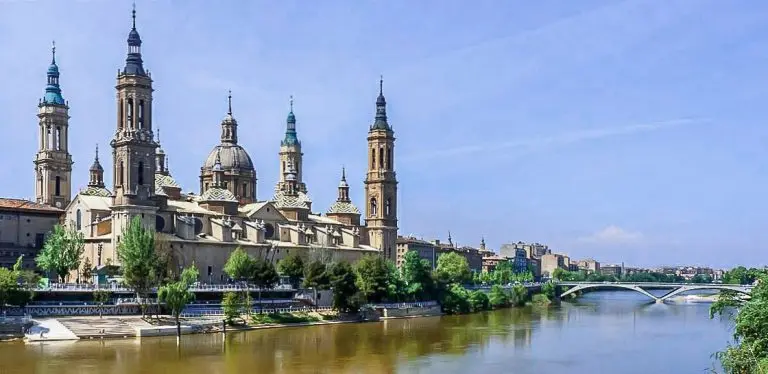
167 kmThere is something deeply Mediterranean about this journey: you leave La Rioja with the memory of red wine still on your lips and, in less than two hours, the landscape opens out towards the Ebro valley to greet you with the Mudéjar silhouette of Zaragoza. It is a short, comfortable trip with an intermediate stop that almost becomes an obligation: Tudela, the vegetable capital, where the Ebro widens and time seems to stand still.
How to get from Logroño to Zaragoza: quick summary
There are three main ways to cover the 167 km separating Logroño from Zaragoza: by car (1h 45min via the AP-68), by direct Renfe train (between 112 and 156 minutes depending on the type of train) or by ALSA bus (105 minutes). The car is ideal if you want to stop in Tudela or Calahorra without depending on timetables; the train is the most comfortable option with good daily frequency; and the bus is the most direct alternative in terms of time if there are no hold-ups on the road. For a weekend getaway without your own vehicle, the train or bus are perfectly viable.
By car from Logroño to Zaragoza
The car is the most flexible option for this 167 km journey, with an estimated time of 1 hour and 45 minutes if traffic cooperates. The main route combines two verified roads: first you take the LO-20, the Logroño Southern Ring Road, for about 6 km to leave the city without crossing the centre, and then you join the AP-68, the Ebro Motorway, which covers approximately 157 km of the route to Zaragoza. Bear in mind that the AP-68 is a toll road, so factor that additional cost into your budget. The road surface is good and the route runs almost parallel to the Ebro river, which rewards you with sweeping views of the valley and, on clear days, of Mount Moncayo in the background. If you are travelling at the weekend or during peak hours, it is worth setting off early to avoid crowds on the approaches to Zaragoza.
By train from Logroño to Zaragoza
Renfe operates direct trains between Logroño and Zaragoza Delicias with a frequency of 6 trains a day, the first service at 06:15 and the last at 20:42. The fastest journey is covered by the ALVIA in 112 minutes, and there is also an MD train that takes the same 112 minutes, while the remaining 4 REG.EXP. trains take 137 minutes. All trains depart from Logroño station and arrive at Zaragoza Delicias, the main station in the Aragonese capital, well connected to the centre by city buses and taxis. The difference in times between the ALVIA and the REG.EXP. may seem small, but if your plan is to make the most of the day in Zaragoza, those extra 25 minutes on the faster train make all the difference. Tickets can be purchased on the Renfe website, at ticket offices or at station machines, and prices vary depending on how far in advance you book and the class chosen.
By bus from Logroño to Zaragoza
ALSA operates direct buses between Logroño and Zaragoza with a duration of 105 minutes, which makes it the fastest means of transport in total time if there are no unforeseen delays on the road. The advantage of the bus over the train is that, in many cases, the price is more competitive and the journey requires no transfers. Buses usually depart from Logroño bus station and arrive at Zaragoza central station, with comfortable seats and, on some services, free wifi. If you are looking for the cheapest option and don’t mind travelling by road, the bus is a solid choice.
Recommended stops along the way
These are the verified stops on the Logroño-Zaragoza route, ordered from west to east according to the direction of travel. All are accessible from the AP-68 or with short detours.
Lardero
Just a few minutes from Logroño, Lardero is a town that has grown considerably as a residential area, but it retains its Riojan character. It’s a brief stop to stretch your legs or grab a coffee before heading onto the motorway. If wine tourism interests you, this is where the transition begins between the city and the vineyards that accompany much of the journey.
Villamediana de Iregua
Very close to Logroño, Villamediana de Iregua is another option for a quick stop. Its parish church and quiet atmosphere make it a pleasant break if you prefer to avoid the crowds of the Riojan capital. It’s well connected to the LO-20, so you barely deviate from the main route.
Alfaro
Alfaro is famous for being one of the main strongholds of the white stork in Spain: its collegiate church houses one of the largest urban colonies of these birds, visible from the road in spring and summer. It’s an excellent stop for nature and photography lovers. The old town has charming corners and bars where you can try Riojan pinchos.
Calahorra
Calahorra is a city with two thousand years of history and an old town that deserves a stroll. Its cathedral, the Romanisation museum and the arcaded streets justify a longer stop. It’s also a good place to eat fresh vegetables from the banks of the Ebro, especially artichokes and asparagus in season. It’s easily accessed from the AP-68.
Tudela
Tudela is the essential stop on this route. Capital of the Ribera navarra, its old town preserves Arab urban planning with narrow alleys and hidden squares. The cathedral, the Monreal tower and the bridge over the Ebro are must-sees. But if Tudela is known for anything, it’s for its vegetables: artichokes, lettuce hearts, borrajas (borage) and tomatoes that supply the best restaurants in northern Spain. Eating here is a sure bet, and the detour from the motorway is minimal.
Soria
Although Soria is not on the direct AP-68 route, it appears as a verified stop on this route. If you have time and fancy a longer detour, Soria offers a beautiful historic centre, the Romanesque church of San Juan de Duero and the Duero river park. It’s an option for those travelling without haste who want to discover one of Spain’s most literary cities.
Ejea de los Caballeros
Ejea de los Caballeros, in the Cinco Villas of Aragon, is another stop that involves a considerable detour from the direct route. Its old town, the church of Santa María and the natural surroundings of the Yesa reservoir make it an interesting getaway for those seeking a less touristy break. It’s an option for travellers who prefer secondary roads and the dry landscapes of Aragon.
Utebo
Utebo is the last stop before entering Zaragoza. Its Mudéjar tower, declared a UNESCO World Heritage Site, is the main attraction. It’s just a few minutes from the capital and is a good option for a final pause, a quick bite and to prepare for your arrival in the city.
Where to stay in Zaragoza
Zaragoza offers accommodation for every budget, from budget guesthouses to four-star hotels. The most recommended area for a first visit is the Casco Histórico (Old Town), near the Basílica del Pilar and La Seo cathedral, where you’ll find boutique hotels and tourist apartments in renovated buildings. Another good option is the area around calle Alfonso I and El Tubo, ideal for going out for dinner or tapas at night. If you’re travelling on business or prefer to be near the station, the Zaragoza Delicias area has functional hotels with good connections to the centre by bus or taxi. Prices vary by season: at weekends and on public holidays, hotels in the centre can cost between €60 and €120 per night, while on weekdays it’s possible to find deals for under €50 in guesthouses and pensions. Book in advance if you’re visiting during the Fiestas del Pilar in October, when occupancy is extremely high.
Where to eat en route
The food along this route is one of its great attractions. These are the verified typical dishes you can try along the way.
Chuletillas de cordero al sarmiento (lamb chops grilled over vine cuttings)
Originally from Logroño and La Rioja, these are lamb chops roasted over vine cuttings, which gives them a characteristic smoky aroma. They’re traditionally served in wineries and restaurants across the region, and are a must if you set off on your journey hungry.
Patatas a la riojana (Rioja-style potatoes)
A potato stew with chorizo and sometimes pepper, cooked with olive oil and stock. It’s a hearty dish and a staple of Rioja cuisine, perfect for the cold months or as lunch before hitting the road.
Pimientos del piquillo rellenos (stuffed piquillo peppers)
In the Navarra area, especially on the stretch towards Zaragoza, roasted and peeled piquillo peppers are stuffed with meat or fish and covered in sauce. Piquillos from Lodosa have a protected designation of origin and are a classic of Navarran cuisine.
Ternasco de Aragón asado (roast Aragonese lamb)
Once in Aragón, ternasco is young lamb roasted in the oven with potatoes and spices. Ternasco de Aragón has its own specific designation and is one of the most representative dishes of Zaragoza and its surroundings. Order it in any traditional restaurant in the Aragonese capital.
Miguelitos de La Roda
Although La Roda is in Albacete and not on the direct Logroño-Zaragoza route, these puff pastry cakes filled with custard and dusted with icing sugar appear on the list of food associated with the journey. They’re a typical Manchegan sweet, so if you come across them in any bakery in Zaragoza, don’t hesitate to try them.
Rioja wine
Rioja wine, made mainly from Tempranillo grapes, is one of Spain’s most recognised designations of origin. Red, white or rosé, it’s the perfect companion for the chuletillas and patatas a la riojana. Take advantage of your stop in Logroño to visit a winery or buy a bottle for the journey.
Cariñena wine
In the Cariñena region, already in Aragón, the red wine is made mainly from Garnacha grapes and has its own designation of origin. It’s a wine with character, ideal for pairing with roast ternasco. If you get to Zaragoza, order a Cariñena in any tapas bar.
Frequently asked questions about the Logroño-Zaragoza route
How long does it take to get from Logroño to Zaragoza?
By car, the 167 km journey takes approximately 1 hour and 45 minutes via the AP-68. By train, the fastest ALVIA takes 112 minutes, while REG.EXP. trains take 137 minutes. By ALSA bus, the duration is 105 minutes. Train and bus times do not include transfers to the stations or waiting times.
Which is cheaper, the train or the bus?
The ALSA bus is usually the most economical option on most dates, especially if booked in advance. The Renfe train has variable fares depending on class and how far in advance you book, and ALVIA trains are usually more expensive than REG.EXP. trains. Overall, for tight budgets, the bus offers the best value for money on this route.
Is it worth renting a car?
Yes, it’s worth it if you want to make stops in Tudela, Calahorra or Alfaro without depending on train or bus schedules. A car gives you the freedom to detour to Soria or Ejea de los Caballeros and to explore the surroundings of Zaragoza. If you’re only going to stay in the city and don’t plan to leave it, public transport is sufficient and cheaper.
When is the best time to travel?
The best time to do this route is in spring (April to June) and autumn (September to October), when temperatures are mild and the Ebro valley landscape is at its best. Avoid July and August if you don’t handle heat well, as Zaragoza can exceed 35 °C. If you’re interested in festivals, the Fiestas del Pilar (Pilar Festival) in October is a unique experience, but hotel occupancy is very high.
💡 ¿Sabías que...?
- ● En septiembre de 1934, en la llamada 'Casa Duende' de Zaragoza, se escucharon risas, voces y chillidos inexplicables que provocaron la primera investigación oficial en España de un fenómeno paranormal. (https://www.zaragoza.es/ciudad/turismo/es/profesionales/sala-prensa/curiosidades-historias-leyendas.htm)
- ● La construcción de la Basílica del Pilar, tal como se conoce hoy, se inició en 1681 y no se terminó por completo hasta 1961, durando más que las obras de la Sagrada Familia. (https://www.hoyaragon.es/cultura/zaragoza-datos-curiosos/20190224132638049371.html)
- ● La plaza del Pilar es la plaza peatonal más extensa de la Unión Europea, con 24.000 metros cuadrados, 500 metros de largo y 80 de ancho, y puede albergar a más de 50.000 personas. (https://www.hoyaragon.es/zaragoza/curiosidades-zaragoza/20240928075851075430.html)
- ● La Basílica del Pilar es el único edificio cristiano de occidente que mantiene simbología taoísta china, con hexagramas que representan pares de opuestos complementarios. (https://www.hoyaragon.es/cultura/zaragoza-datos-curiosos/20190224132638049371.html)
- ● En 1897 se rodó en Zaragoza 'Desfile del Regimiento de Castillejos', el primer largometraje de la ciudad, dirigido por Eduardo Jimeno Correas. (https://www.heraldo.es/noticias/viajes/2023/08/18/cinco-curiosidades-zaragoza-conoces-1668219.html)
📍 También te puede interesar
Qué ver en Logroño →
Qué ver en Zaragoza →