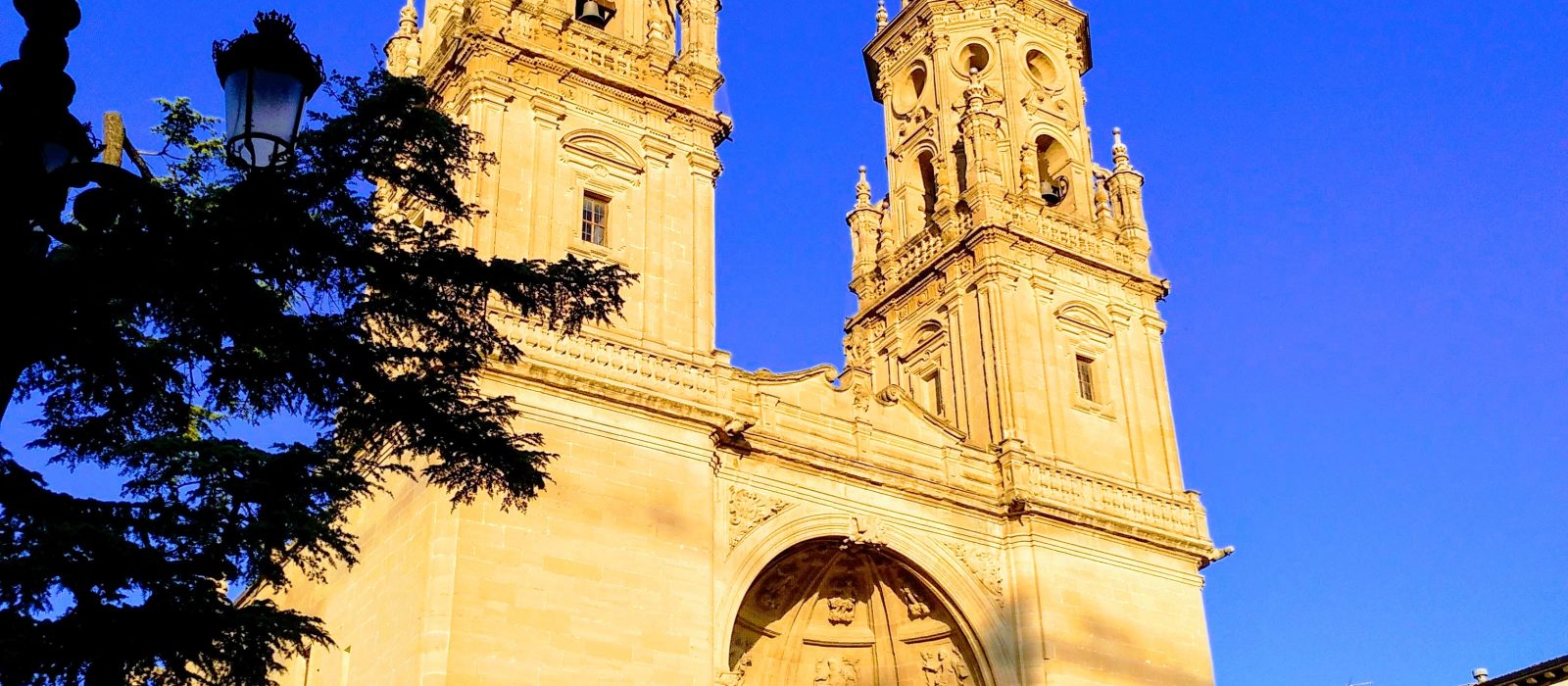
Burgos → Logroño
119 kmLeaving behind the imposing Gothic cathedral of Burgos to venture into the heart of La Rioja is a journey that condenses the essence of northern Spain into barely a breath of road. This route is not just a transfer between two provincial capitals, but a magical transition where the landscapes of the Castilian meseta (plateau) gently give way to the endless vineyards that crown the Ebro Valley, offering a visual experience that changes color with the seasons.
How to get from Burgos to Logroño: quick overview
The fastest and most flexible way to travel between these two cities is by car, covering the 119 kilometers in approximately 1 hour and 15 minutes, although the Intercity train offers a comfortable alternative for those who prefer not to drive. If your priority is budget, the bus is the most economical option with fares starting from €7.88, while travelers looking to enjoy the scenery without any worries will find the direct train a relaxing experience of just over two hours.
For the independent traveler who values the freedom to explore the towns along the Camino de Santiago (Way of St. James) at their own pace, a private vehicle is the undisputed recommendation. On the other hand, if you are traveling solo or as a couple and your final destination is central Logroño to enjoy the gastronomy without worrying about parking, the combination of train or bus will drop you in the heart of the city, ready to start your adventure. The choice depends entirely on whether you prioritize the speed of the journey or the experience of the trip itself.
By car from Burgos to Logroño
The driving route connects both cities in a record time of 1 hour and 15 minutes via a network of toll-free highways that make driving considerably easier. When leaving Burgos, you will connect with the A-1, the Autovía del Norte (Northern Highway), which serves as the backbone for this journey, allowing you to move smoothly without the interruption of tolls.
The road infrastructure available for this route is extensive and well maintained, including options such as the A-13 and the A-12, known as the autovía del Camino de Santiago or Donejakue Bidearen autobia, which brings travelers closer to the culture of the Camino de Santiago. Although there are other routes such as the N-623 towards Santander, the N-232 that runs through the Ebro Valley, or the A-73 and A-62 of Castile, the most logical and direct route takes advantage of the connectivity of the northern network to reach your destination quickly. It is important to note that all the main roads involved in this corridor, from the N-1 to the N-627, are free to use, which means the cost of the trip is limited exclusively to fuel and vehicle wear and tear.
Driving this stretch is a pleasant experience due to the short distance of 119 km, allowing you to arrive with energy to explore Logroño. The absence of tolls on the A-1 and the A-12 is a relief for the traveler’s wallet, eliminating the need to search for coins or cards for automatic barriers. Additionally, the signage is clear, guiding you from the Burgos meseta to the Rioja valley without complications, making this the ideal method for families or groups carrying bulky luggage.
By train from Burgos to Logroño
The direct train service is operated exclusively by Renfe, offering an Intercity train journey that lasts exactly 133 minutes. This option is ideal for those who want to read, work, or simply gaze at the Rioja landscape through the window without the stress of driving, although frequency is limited to a single daily train.
The train schedule is fixed, with departure set for 10:28 from Burgos Rosa Manzano station, which requires careful planning of your day since there are no multiple options throughout the day. The train arrives at Logroño station, strategically located to connect with the city center. Being an Intercity service, you can expect a higher level of comfort than a regional train, with seats designed for medium-distance journeys that allow you to stretch your legs and enjoy the calm of the trip.
It is essential to keep in mind that, with only one train per day, punctuality is key; missing this single service would mean having to find alternative transportation for that day. However, for the traveler who organizes their departure in the morning, arriving in Logroño in time for lunch is perfectly feasible. The onboard experience with Renfe on this line tends to be peaceful, making the most of the journey to unwind before arriving in the bustling capital of La Rioja.
By bus from Burgos to Logroño
The companies Jiménez Movilidad and ALSA operate the direct bus service, completing the journey in 120 minutes with prices ranging from €7.88 to €23.04. This is, without a doubt, the most versatile option for budget-conscious travelers who need schedule flexibility or simply prefer not to drive.
The duration of the bus journey is very competitive, barely 5 minutes longer than the train, making it a highly efficient transportation alternative. The fleet of these companies usually features modern vehicles equipped with air conditioning and reclining seats, making the two-hour trip pass pleasantly. The variation in price, which can range from under 8 euros to over 20, generally depends on how far in advance you book and current demand, so it is recommended to purchase your ticket early to secure the lowest fare.
The bus offers the advantage of connecting city centers directly, dropping you off at central points in Logroño from where you can easily get around on foot. It is a very popular option among students and frequent travelers who make this route regularly, guaranteeing a reliable and regular service between the two cities.
Recommended stops along the way
If you decide to make the journey by car, the route is dotted with towns of immense historical and cultural value that deserve a mandatory pause. Stopping at these points not only breaks up the monotony of the road, but also enriches the trip by connecting you with the history of the Camino de Santiago (Way of St. James).
- Santo Domingo de la Calzada: This is perhaps the most emblematic stop on the entire route. Located right on the Camino Francés (French Way), this city breathes medieval history on every corner. It is famous for its cathedral and the legend of the rooster and the hen, a unique element that attracts visitors from all over the world. Strolling through its cobbled streets is like stepping back in time and feeling the hospitality that pilgrims have received for centuries.
- Nájera: Known as the “Cradle of Royalty,” Nájera was the capital of the Kingdom of Navarre in its early days. Its Monastery of Santa María la Real is an architectural gem worth visiting. The town sits on the banks of the Najerilla River and offers a tranquil, stately atmosphere, perfect for a coffee or a stroll before continuing on to Logroño.
- Lardero: Located very close to the final destination, Lardero acts as a modern gateway to the capital of La Rioja. It is a municipality that has grown considerably in recent years and offers complete services. Stopping here allows you to see the transition between the rural surroundings and the metropolitan area of Logroño, in addition to having good road connections.
- Villamediana de Iregua: This town is known for its historical richness and its wineries. Being so close to Logroño, it is an ideal stop for wine lovers who want to get closer to wine culture before arriving in the city. Its surroundings are pleasant and allow you to stretch your legs in a less crowded atmosphere than the urban center.
Where to stay in Logroño
To choose the perfect accommodation in Logroño, the ideal is to look for central areas that allow you to walk to the main points of interest and the tapas area. The Casco Viejo (Old Town) is the most sought-after area, as it places you in the heart of the action, surrounded by historic bars and monuments, although prices can be higher due to its privileged location.
If you are looking for something quieter but well connected, the areas near the train station or the Ebro Park are excellent options. As for types of accommodation, the city offers everything from charming boutique hotels in restored buildings to modern hostels and tourist apartments ideal for families or groups of friends. Price ranges vary considerably depending on the season; during harvest time or festive weekends, it is advisable to book in advance to find competitive rates, while during the week you can find more affordable deals.
Frequently asked questions about the Burgos–Logroño route
How long does it take to get from Burgos to Logroño?
Travel time varies depending on the mode of transport: by car it takes 1 hour and 15 minutes, by bus the journey lasts 120 minutes, and by Intercity train the trip takes 133 minutes.
Which is cheaper, the train or the bus?
The bus is generally the most economical option, with prices starting from €7.88, while the train price is not specified in a range but the bus offers a clear price band up to €23.04.
Is it worth renting a car?
Yes, it is worth it if you plan to visit recommended stops such as Santo Domingo de la Calzada or Nájera, since public transport has limited frequencies (1 train/day) and a car gives you total freedom along the 119 km route.
When is the best time to travel?
The best time depends on your interests: if you want to avoid crowds and enjoy driving along the A-1 and A-12 without traffic, weekdays are ideal, while weekends are perfect for enjoying Logroño’s food scene.
📍 También te puede interesar
Qué ver en Burgos →
Qué ver en Logroño →