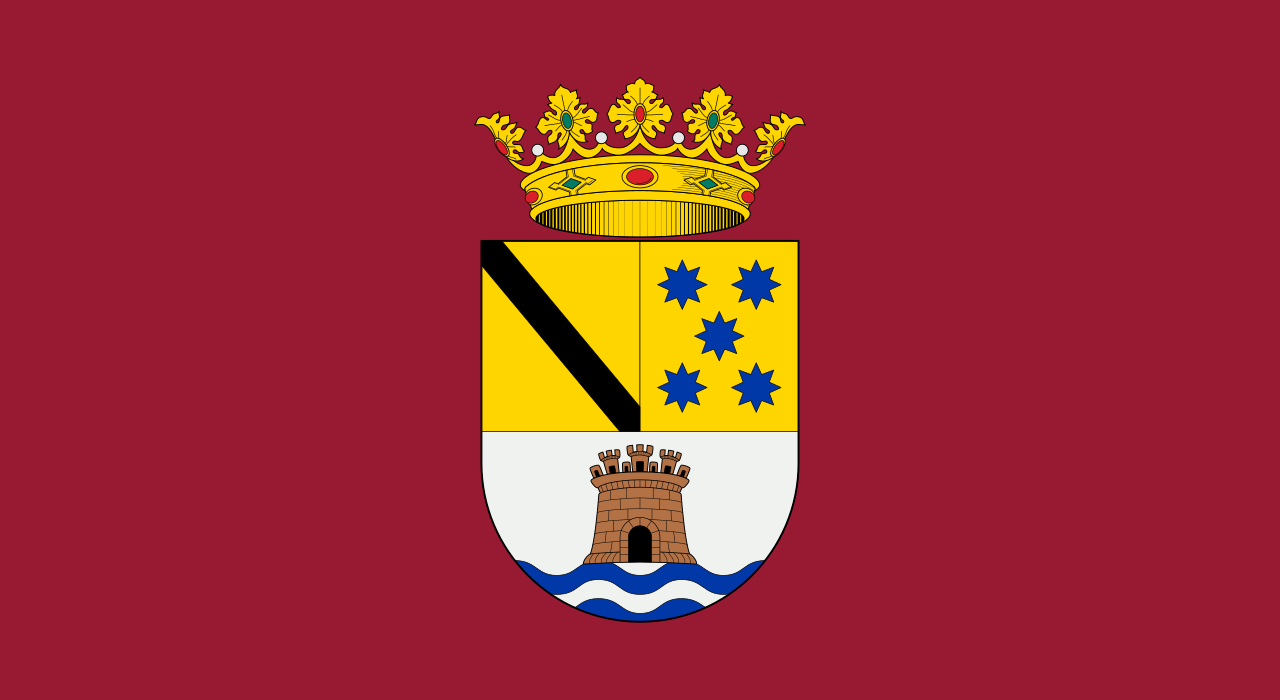
Denia
Comunidad ValencianaClimate
Few cities can boast of having a Natural Park with cliffs that plunge into the sea, a prawn with its own name, and a UNESCO recognition that confirms what those who have ever eaten facing its port already knew. Dénia is that exact blend of fishing village, cultural capital of the Marina Alta, and top-tier gastronomic destination. In summer the city swells to 200,000 inhabitants, so if you prefer to wander the streets at a leisurely pace, the best time to come is spring or autumn.
The must-seesWhat to see in Denia: the must-sees
Dénia Castle
If there is one place that sums up the city’s more than 2,000 years of history, it is Dénia Castle, a fortress that crowns the old town and forms part of the City Council’s cultural offering. The visit goes beyond the walls: inside the enclosure you will find the Archaeological Museum (located in the remains of the Palau del Governador, one of the few vestiges of the old palatial complex), the Ethnological Museum, the Toy Museum and “L’Estació” Art Center, and the Sea Museum, housed in the old fish auction hall at the port. From the top you get privileged views of the port, Les Marines, and the Montgó massif, and admission is usually combined for the castle and museum. For updated opening hours and prices, it is best to check the official Dénia tourism website or call the Tourism Department at Plaza Oculista Buigues, 9 (Tel. 96 642 23 67, denia@touristinfo.net).
Montgó Natural Park
With its east-west orientation and its large limestone walls, Montgó is the essential natural counterpoint to Dénia’s coastal offering. Its height, its proximity to the sea, and its climate make this enclave one of the most unique spots on the Levante coast, with highly varied habitats thanks to the contrast between its two slopes. From the city you can easily access several hiking routes of varying difficulty, perfect for a morning or a full day if you are up for climbing to the peak. Don’t forget to bring water, a cap, and proper footwear: the sun is intense.
Cabo de San Antonio Marine Reserve
It is one of the most highly rated diving and snorkeling spots on the Alicante coastline, the maritime extension of the Montgó Natural Park and a protected area managed by the Generalitat Valenciana. Within its perimeter lies the Cova Tallada, an old rough-stone quarry carved at sea level that can be visited by prior reservation on regulated dates. From Les Rotes there are walking routes and guided kayak tours through the reserve, a highly recommended experience for those who want to see the coast from the water.
Església de l’Assumpció de Dénia (Church of Our Lady of the Assumption)
This temple was built starting in the late 16th century over the remains of an old mosque, with a Latin cross floor plan, a single nave, and a Renaissance-Baroque façade completed in the 18th century. The church is located in Plaza de la Constitución, on the site where the hermitage of Sant Roc, the hospital, and some houses once stood. It suffered significant damage during the Peninsular War, the War of Independence, and the Civil War, and was rebuilt in 1939. It is also worth paying attention to the venerated niche on the exterior, one of its most distinctive details.
Dénia gastronomy (UNESCO Creative City)
Dénia is part of the UNESCO Creative Cities network in the Gastronomy category, a recognition that endorses a cuisine where the produce of the sea and the Marina Alta market gardens are understood as cultural heritage. It is not a museum: it is a way of understanding the city, one that is lived in its restaurants, in the Els Magazinos market, and at every table in the port. If you enjoy good food, this title already tells you that you are in the right place.
Les Marines Beach
This is Dénia’s main family beach, with a continuous seafront promenade, lifeguard services, and a long-standing Blue Flag designation. It stretches 3,147 meters in length and 80 meters in width, bordered to the north by the Barranco de l’Alter and to the south by the Barranco del Regatxo, and is fully accessible for people with disabilities.
Dénia Archaeological Museum
Housed in the remains of the Palau del Governador within Dénia Castle itself, it displays artifacts from Roman Diannium, Islamic Dāniya (with special focus on the Taifa Kingdom), and the Iberian settlers of the Montgó area, particularly highlighting the site of l’Alt de Benimaquia. Among its standout pieces are Roman inscriptions, medieval ceramics, and remains found on the castle hill, and admission is usually combined with entry to the Castle.
Torre del Gerro
Built in 1553–1554 by order of the Viceroy Duke of Maqueda during the reign of Charles I, it forms part of the coastal defense plan against Barbary and Ottoman pirate raids. It reaches 13.5 meters in height and stands on a rocky promontory overlooking the Mediterranean.
Dénia Old Town
In its port facilities stands the old fish market, which houses the Museu de la Mar (Museum of the Sea), dedicated to the municipality’s archaeological and ethnological collections with special attention to Dénia’s seafaring and fishing tradition.
Castle Tunnel
From the top of the castle you can enjoy beautiful views, and crossing through it is an easy and highly interesting activity for getting to know Dénia’s heritage.
Calle Marqués del Campo
The commercial and historic heart of the center preserves an eclectic and modernist architectural heritage, with ornate facades, wrought-iron balconies, and traditional shops that keep the area’s historic character alive.
Baix la Mar Neighborhood
Born between the castle walls and the port, it is one of Dénia’s most picturesque neighborhoods, with narrow streets and low houses with whitewashed walls and balconies. Among its charming corners are the plaza de Sant Antoni and the plaza de la Creu, where a stone cross that gives the enclave its name and an 18th-century devotional plaque can be found.
🍂 Otoño
Si visitas Denia en otoño disfrutarás de temperaturas más suaves y menos turistas, lo que hace que el Castillo de Dénia y el Museo Arqueológico de Dénia se visiten con total tranquilidad. El paisaje del Parque Natural del Montgó cambia de color y en noviembre la Feria de Todos los Santos llena la ciudad de un ambiente tradicional muy auténtico. Un consejo práctico: aprovecha para probar la gastronomía dianense en restaurantes locales sin las colas del verano.
What to do in Denia
Dénia offers a lively festive calendar throughout the year: it kicks off in January with the Three Kings Parade, continues in February with the Mig Any de Moros y Cristians (a mid-year Moors and Christians celebration featuring an informal parade of filaes through the streets), and reaches its peak in June with Corpus Christi and its traditional dances —the Moma, the Nanos, the Cavallets, and the Magrana— and the Bonfires of Saint John, with their plantà (setting up of the bonfires) and cremà (burning) on the magical night. In November, the All Saints’ Fair closes out the calendar with stalls and a festive atmosphere. For a more everyday experience, stop by Els Magazinos, a gastronomic market set in buildings four centuries old with more than 20 offerings focused on local products, and wander through the Old Town and Baix la Mar, the two neighborhoods where local life is best understood.
Denia in one day: express itinerary
- 9:00 – Breakfast in Baix la Mar: Coffee and toast in one of the squares of the fishing quarter before the city fills up.
- 10:00 – Dénia Castle and Archaeological Museum: Climb up to the fortress, explore the Archaeological Museum, and finish at the Túnel del Castell (Castle Tunnel) with views over the sea.
- 12:30 – Església de l’Assumpció: Visit the Church of the Assumption in Constitution Square and take the chance to wander the old town.
- 14:00 – Lunch at the port or on Marqués del Campo street: Order a Dénia red prawn or a seafood rice and enjoy a leisurely after-lunch chat.
- 17:00 – Cape San Antonio Marine Reserve from Les Rotes: Guided kayak route or a walk along the cliffs, with snorkeling if the water allows.
- 20:30 – Sunset at Torre del Gerro: End the day beside the 16th-century tower with the Mediterranean at your feet.
Where to eat in Denia: local gastronomy
Where to stay in Denia
Casco Antiguo
El corazón histórico de Denia, un laberinto de calles estrechas y empedradas llenas de historia. Aquí se concentran monumentos, pequeñas tiendas y una increíble oferta de bares de tapas y restaurantes.
Baix la Mar
Antiguo barrio de pescadores junto al puerto, con casitas bajas de colores y plazas con mucho encanto. Es famoso por su ambiente marinero y sus restaurantes especializados en pescado y marisco fresco.
Les Marines
La principal zona de playa de Denia, una larga franja de arena fina y aguas tranquilas. Es el lugar ideal para el turismo de sol y playa, con numerosos apartamentos, hoteles y chiringuitos.
Les Rotes
Una zona de costa rocosa y calas de agua transparente, declarada reserva marina. Es perfecta para el buceo, el snorkel y disfrutar de un paisaje natural más agreste y tranquilo que las playas de arena.
Zona Puerto y Centro
El área más moderna y comercial de Denia, donde se ubica el puerto deportivo y comercial. La calle Marqués de Campo es el eje principal, llena de tiendas, bancos y cafeterías. Por la noche, la zona del puerto tiene mucha animación.
How to get to Denia
| Medio | Duración | Precio aprox. | Frecuencia |
|---|---|---|---|
| Tren (estación Dénia, sin AVE) | Variable según origen; conexión con la red de Cercanías y media distancia, según Renfe. | Según trayecto | Trenes diarios, según Renfe |
| Autobús | Variable según origen | Económico | Servicios diarios desde Valencia y otras ciudades |
| Coche | Aprox. 1 h desde Valencia por la AP-7 | Peajes y combustible | Libre |
The reference airport is Castell de Castells. For international flight connections, travelers usually arrive via Valencia or Alicante airport.
How to get around Denia
Dénia’s historic center is easy to cover on foot, with pedestrian streets and short distances between the castle, the Church of the Assumption, the Baix la Mar quarter, and Marqués del Campo street. For moving between more distant areas (Les Marines, Les Rotes, Els Magazinos, or the port), the urban bus is the most convenient and affordable option, with lines connecting the main beaches and neighborhoods. If you stay in Les Rotes and want to explore the Cape San Antonio Marine Reserve, there are guided kayak and walking routes departing from the area itself.
Weather in Denia
Best time to visit Denia
Day trips from Denia
Just over an hour away via the AP-7, Valencia is the standout day trip from Dénia: its City of Arts and Sciences, the old town with the Cathedral and the Silk Exchange, the Malvarrosa beaches, and an enormous dining scene make it well worth a full day. If you are up for an early start, you can combine the visit with a stroll through the Albufera or a paella by the lake before returning to the Alicante coast.
Curious facts about Denia you didn’t know
In the 1st century BC, Sertorius’ troops established in Dianium one of the first Roman naval bases with a military function in the area, long before the city became what we know today. Almost a thousand years later, in 1010, Muyahid al-Amiri created the Taifa of Dénia (Dāniya), a kingdom that went on to annex the Balearic Islands and control trade in the western Mediterranean, including its own currency until the Almohad invasion. And if you’re wondering where the name comes from, Dénia derives from Latin via the Andalusian place name دانية (Dāniya), and is associated with the Roman goddess Diana, identified with Artemis — quite a mythological nod for a city that has looked out to sea for centuries.
Who Denia is for
Dénia is a city for foodies (its UNESCO Creative City of Gastronomy title and the red prawn make that clear), for couples looking to combine hidden coves in Les Rotes with dinners overlooking the sea, and for families seeking a long, accessible beach with amenities like Les Marines. It also suits history lovers thanks to the Castle, the municipal museums and more than 2,000 years of heritage, and hikers who want to climb Montgó or explore the Cabo de San Antonio Marine Reserve. Those looking for intense nightlife will find it in the port area, while those who prefer a quieter plan will have it easy in Baix la Mar or the old town.
💡 ¿Sabías que...?
- ● En el siglo I a.C. las tropas de Sertorio establecieron en Dianium una base naval, uno de los primeros asentamientos romanos con función militar en la zona. (https://transparencia.denia.es/es/transparencia/historia-del-municipi)
- ● En 1010 Muyahid al-Amiri creó la taifa de Dénia (Daniyya), que anexionó las Baleares y controló el comercio del Mediterráneo occidental, acuñando su propia moneda hasta la invasión almohade. (https://transparencia.denia.es/es/transparencia/historia-del-municipi)
- ● El nombre Denia deriva del latín, a través deltopónimo andalusí دانية (Dāniya), y se asocia a la diosa romana Diana, identificada con Artemisa. (https://es.wikipedia.org/wiki/Denia)
Frequently asked questions about Denia
How many days do I need to see Denia?
With one well-planned day you can cover the essentials (castle, Church of the Assumption, old town, a stroll through the port and sunset at Les Rotes), but with two or three days you’ll enjoy the Montgó Natural Park, the Marine Reserve and the dining scene at a relaxed pace, including Els Magazinos and a seafood rice dinner. If you come in summer and want beach time, add one more day for Les Marines.
What is the best time of year to visit Denia?
The best time runs from April to October, with average temperatures of 24.9°C in summer and 11.7°C in winter, according to AEMET data. To avoid overcrowding (the city can reach 200,000 inhabitants in summer), spring or autumn is recommended, when the weather is still mild and the cultural and dining offerings are in full swing.
How do I get to Denia from Madrid?
The most convenient option is by car via the A-31/A-7 or the AP-7, with a journey of about 4-5 hours depending on traffic. By public transport, according to Renfe, you need to take the train to Dénia station (no AVE) combining with Cercanías or medium-distance services from Valencia or Alicante, and complete the last stretch by bus if necessary.
Is Denia a family-friendly destination with children?
Yes, especially if you stay in Les Marines, a 3,147-metre beach with fine sand, calm waters, lifeguards, Blue Flag status, a continuous seafront promenade and accessibility for people with disabilities. The Castle and the Toy Museum are also very enjoyable family plans.
What can you do for free in Denia?
Exploring the old town and the Baix la Mar neighbourhood, climbing up to the Castle for the views, swimming at Les Marines or in the coves of Les Rotes, walking the trails of the Montgó Natural Park and attending festivals such as the Bonfires of Saint John or Corpus Christi are some of the activities that cost nothing. For opening hours and possible museum fees, check the official Denia tourism website.