Huelva
AndalucíaClimate
Daily budget
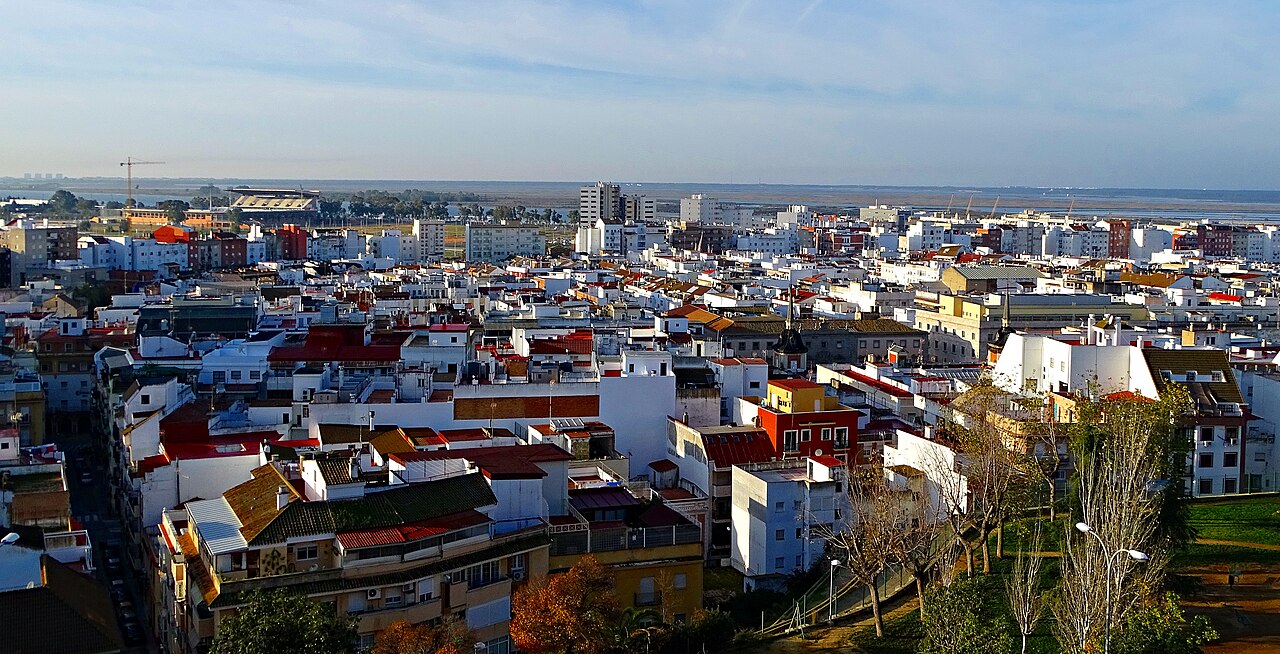
Few know that football was born here before anywhere else in Spain, but this city holds an even greater secret: it was the starting point that changed the history of the world forever. Far from being a mere industrial enclave, Huelva is the open door to the Atlantic where the history of discoveries blends with breathtaking natural wealth, from protected marshlands to lunar landscapes of red waters. With a population of 145,000 inhabitants living between the sea and the mountains, this Andalusian capital invites you to walk the same ground tread by the Pinzón brothers and discover why NASA studies its surroundings.
The must-seesWhat to see in Huelva: the essentials
Monasterio de Santa María de La Rábida (Santa María de La Rábida Monastery)
Built between the 14th and 16th centuries, this convent is far more than a religious building; it is the place where Christopher Columbus found definitive support before his transcendental voyage. Its architecture is a fascinating blend of Gothic and Mudéjar styles that you should observe in detail, especially the tomb of the Portacarreros, a sculptural ensemble in white marble that stands out for its beauty. Inside, the Diocesan Museum houses the Cristo de la Humildad (Christ of Humility) in alabaster, a key piece you cannot miss, and the entire complex was declared a National Monument in 1931, guaranteeing its conservation and historical value.
Muelle de las Carabelas (Caravel Wharf)
Created to commemorate the 500th anniversary of the Discovery of America, this museum monument pays spectacular tribute to the voyages of Christopher Columbus, located on the estuary of the Río Tinto. The highlights are the full-scale replicas of the ships Santa María, La Pinta and La Niña, which you can visit inside to learn first-hand about the harsh living conditions of the crew of the time. The experience is completed with an audiovisual room with capacity for 120 people that explains the discovery, and although admission is paid, the historical immersion is worth every cent.
Marismas del Odiel (Odiel Marshes)
Declared in April 1983, these marshes at the mouth of the Odiel River are a vital refuge classified as a Special Protection Area for Birds and a Ramsar Site. The wetland environment preserves unique botanical diversity between the Odiel and Tinto rivers just before reaching the Atlantic Ocean, offering a natural landscape of great ecological value. It is the perfect place to observe birdlife and understand the importance of conservation in the province of Huelva.
Catedral de La Merced (La Merced Cathedral)
Located in the Casco Antiguo (Old Town), this cathedral presides over the historic area and preserves the traditional urban layout that defines the city’s character. It is the central hub from which many of the capital’s tourist routes are organized, offering architectural and cultural heritage that serves as an ideal starting point to explore the surroundings. Its presence dominates the downtown skyline, setting the rhythm of local life.
Other points of interest
- Parque Nacional de Doñana (Doñana National Park): Declared a World Heritage Site by UNESCO, it protects one of Europe’s most important ecological reserves with more than 500 years of natural history and species such as the Iberian lynx.
- Puerto de Palos de la Frontera (Port of Palos de la Frontera): Christopher Columbus’s expedition departed from this port on August 3, 1492 towards the New World, preserving monuments such as the Fontanilla.
- Monumento a la Inmaculada Concepción (Monument to the Immaculate Conception): Work by sculptor Gertrude Vanderbilt Whitney in Punta del Sebo, dedicated to the sailors who made Columbus’s voyage possible and freely accessible outdoors.
- Centro de Interpretación Puerta al Océano Atlántico (Gateway to the Atlantic Ocean Interpretation Center): Collects the history of the city and the civilizations that inhabited it in two exhibition halls on natural wealth and archaeology.
- Río Tinto (Tinto River): Known for its blood-red waters due to iron and mining, it offers a unique lunar landscape on the peninsula.
- Costa de la Luz (Coast of Light): Extension of more than 120 kilometers of Atlantic beaches with white dunes and less crowded fishing villages.
- Patrimonio Arqueológico Tartésico (Tartessian Archaeological Heritage): Huelva was the center of the Tartessian civilization more than 2,500 years ago, visible mainly in the Museo Provincial de Huelva (Huelva Provincial Museum).
🍂 Otoño
Si visitas Huelva en otoño, notarás cómo las temperaturas bajan suavemente y empieza a caer algo de lluvia, así que no olvides un paraguas en tu mochila. Es un momento estupendo para visitar el Santuario de Nuestra Señora de la Cinta o perderte por Puerto de Palos de la Frontera con un ambiente mucho más tranquilo que en verano. Consejo práctico: planifica las visitas por la mañana y aprovecha las tardes para refugiarte en algún museo o terraza.
What to do in Huelva
Huelva offers specific activities ranging from immersion in the history of the Discovery to enjoying pristine nature and seafood cuisine. You can start by exploring the Reina Victoria Quarter to admire its British influence and garden houses, declared a Site of Cultural Interest (Bien de Interés Cultural), resulting from 20th-century mining operations. If you prefer a local atmosphere, the Mercado Municipal del Carmen awaits with over 150 stalls where fresh seafood and Iberian meats are the absolute stars. For film lovers, attending the Ibero-American Film Festival in November is a highly prestigious experience, while in August, the Fiestas Colombinas fill the fairgrounds with Ibero-American culture and concerts.
Huelva in one day: express itinerary
If you are short on time, this itinerary allows you to see the essentials of the capital and its immediate surroundings in an intense but rewarding day.
- 09:00 – Monasterio de La Rábida: Start the day with pure history by visiting the place where the voyage to the Americas was conceived and admiring its Gothic-Mudéjar architecture.
- 11:30 – Muelle de las Carabelas: Head to the Tinto River estuary to board replicas of the ships and understand the logistics of the Discovery.
- 14:00 – Lunch in the Historic Center: Enjoy some papas con chocos (cuttlefish and potato stew) or coquinas al ajillo (garlic clams) in the pedestrian streets near the Plaza de las Monjas.
- 16:30 – Catedral de La Merced and Old Town: Stroll through the city center, visiting the cathedral and soaking up the atmosphere of the traditional streets.
- 19:00 – Monumento a la Inmaculada Concepción: End the day at Punta del Sebo with a free view of the confluence of the Tinto and Odiel rivers at sunset.
Where to eat in Huelva: local gastronomy
Where to sleep in Huelva
Centro Histórico
El corazón de Huelva, donde la historia se entrelaza con la vida cotidiana. Aquí se encuentran la emblemática Plaza de las Monjas, la Catedral de la Merced y el Museo de Huelva, con calles peatonales llenas de encanto.
Barrio Reina Victoria (Barrio Obrero)
Un barrio único con una marcada influencia británica, resultado de la explotación minera del siglo XX. Sus casas de estilo inglés, con jardines y fachadas encaladas, ofrecen un ambiente pintoresco y diferente, declarado Bien de Interés Cultural.
Zona del Muelle del Tinto y Paseo de la Ría
Esta zona ofrece una conexión profunda con la tradición marinera de Huelva y sus atardeceres espectaculares. Aquí se encuentra el histórico Muelle del Tinto, una impresionante obra de ingeniería, y el Monumento a la Fe Descubridora, que rememora los viajes de Colón.
Ensanche / Zona Comercial
Aunque se solapa con el centro histórico, esta área se distingue por su vitalidad comercial. Incluye calles como Berdigón, Méndez Núñez y Las Bocas, donde se concentran tiendas, boutiques y una variada oferta de restauración, ideal para el ambiente diurno y nocturno.
How to get to Huelva
Access to the city is easy via different means of transport, although it is important to be aware of current limitations in the high-speed rail network.
| Medio | Duración | Precio aprox. | Frecuencia |
|---|---|---|---|
| Tren | Variable según origen | Según Renfe | Estación de Huelva (sin AVE) |
| Avión | Corto (vuelos regionales) | Variable | Aeropuerto Beas Airstrip |
| Autobús | Variable | Económico | Conexiones interurbanas |
Getting Around Huelva
To get around the city, public transport relies mainly on the city bus, which connects the different neighborhoods and points of interest such as the Historic Center and the Dock area. Since many of the main attractions, like La Merced Cathedral (Catedral de La Merced) and Carmen Market (Mercado del Carmen), are located in the urban core, walking is also a very viable and recommended option to enjoy the pedestrian atmosphere.
Weather in Huelva
Best Time to Visit Huelva
Day Trips from Huelva
If you have extra time, Seville is the quintessential nearby city for a day trip, offering a monumental and cultural contrast just a short distance away. Furthermore, the province itself invites you to explore the Costa de la Luz with its more than 120 kilometers of beaches and dunes, or venture inland to see the unique landscape of the Río Tinto and its reddish waters, an environment that has served as a laboratory for NASA.
Huelva Facts You Didn’t Know
Did you know that Spain’s oldest football club was born here? Recreativo de Huelva was founded in 1889, and the province was a pioneer in introducing sports such as tennis, cricket, and golf to the country.
Military history has a milestone here: Huelva was the first province in Europe to use gunpowder, a fact recorded during the siege of Niebla in 1262 that changed warfare on the continent.
The landscape of the Riotinto Mines is so extreme that NASA uses it as a natural laboratory to investigate the possibility of life on Mars due to its geochemical similarities.
Universal literature owes a debt to this land: Juan Ramón Jiménez, born in Moguer and author of ‘Platero y yo’ (Platero and I), won the Nobel Prize in Literature in 1956.
The true heroes of the voyage to the Americas were the Pinzón Brothers, natives of Palos de la Frontera, who provided the ships and led the expedition alongside Columbus.
Huelva holds Guinness World Records related to Iberian ham, including the world’s largest ham platter weighing nearly 600 kg and a sandwich almost one kilometer long.
The city’s original name was ‘Onuba’, of Phoenician origin, interpreted as ‘Fortress of Baal’ or ‘Fortress of the sun and fire’, from which the demonym “onubense” derives.
Who Is Huelva For?
Huelva is a versatile destination ideal for history lovers who want to touch the origins of the discovery of the Americas, and for foodies seeking fresh seafood and authentic gastronomy at good prices (average meal €12-18). It is also perfect for families wanting to combine culture with nature in Doñana or the Costa de la Luz, and for backpackers who find affordable and characterful accommodation in the Reina Victoria neighborhood and downtown hostels.
Frequently Asked Questions about Huelva
How many days do I need to see Huelva?
With 1 or 2 days it is enough to see the main attractions of the capital such as the Muelle de las Carabelas (Caravels Pier), La Rábida and the Historic Center. However, if you plan to visit Doñana National Park or the Costa de la Luz (Coast of Light), it is recommended to extend your stay to 3 or 4 days.
Is Huelva expensive?
No, Huelva is an affordable destination. You can eat for an average of €12-18, stay in hostels from €18-30 per night or in 3-star hotels for €50-80. Prices are competitive compared to other tourist destinations in Andalusia.
What is the best time to visit Huelva?
The best time is from April to October, according to climate data, with average summer temperatures of 25.1°C. Avoid winter if you are looking for beach, as the average temperature drops to 12.0°C, although it is ideal for cultural and gastronomic tourism.
How do I get to Huelva from Madrid?
You can arrive by train from Huelva station (keep in mind that there is no direct AVE to the capital, according to Renfe data the connection may require a transfer or be by conventional train) or by bus. There is also the Beas Airstrip Airport, although for large commercial flights it is usual to arrive in Seville and transfer.
Where can I find more practical information?
To consult updated schedules, ticket prices and the complete events agenda, you can visit the official tourism website of Huelva.