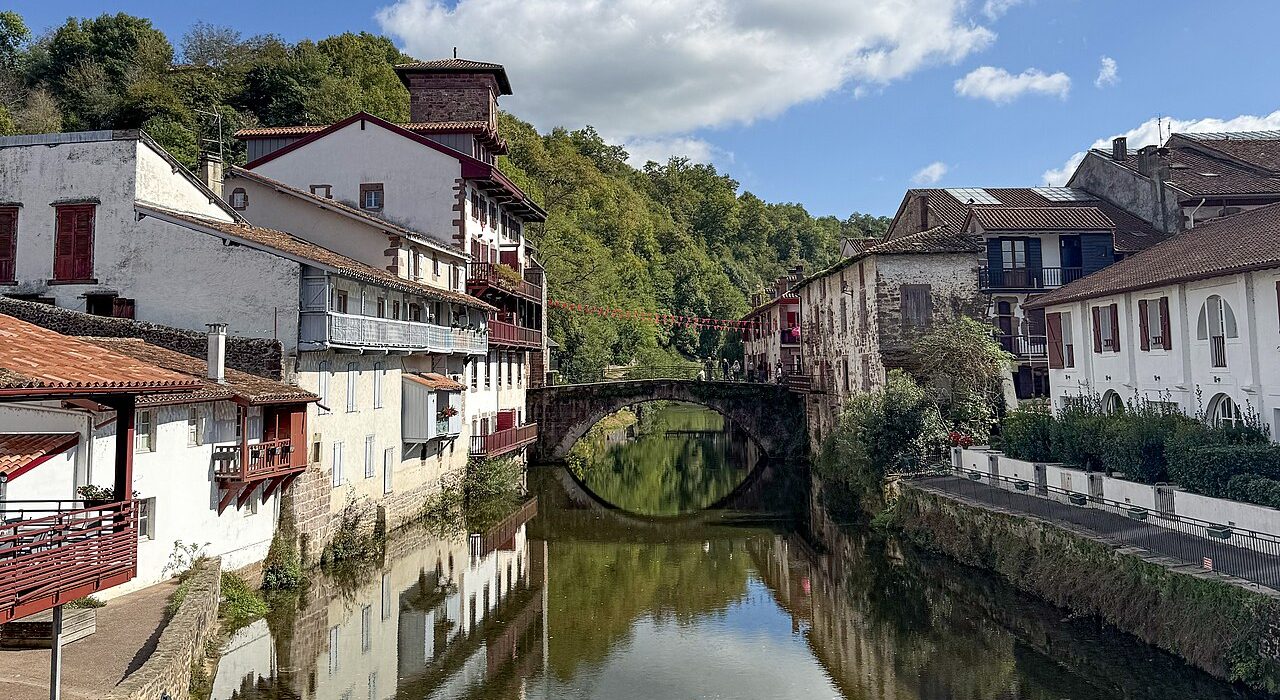
30-Day French Way of St. James Itinerary: Summary
This 30-day itinerary covers Saint-Jean-Pied-de-Port, Pamplona, Burgos, León, and Santiago de Compostela with a budget of €35–50 per person per day.
This journey is designed for the modern pilgrim seeking a profound hiking and spiritual experience without sacrificing basic comfort. It is ideal for those wishing to complete the historic French Route (approx. 780 km) at a sustainable pace of 20–25 km daily, allowing time for reflection, heritage visits, and physical rest. The itinerary balances the physical demands of each stage with the cultural enrichment of key cities.
Stage and Distance Summary
| Día | Tramo Principal | Distancia Aprox. (km) | Highlights |
|---|---|---|---|
| 1 | Saint-Jean-Pied-de-Port a Roncesvalles | 25 km | Cruz de los Peregrinos, Puerto de Ibañeta |
| 2-3 | Roncesvalles a Pamplona | 46 km (dividido) | Bosque de Irati, Catedral de Pamplona |
| 4-7 | Pamplona a Logroño | 90 km | Viñedos de La Rioja, Puentes Medievales |
| 8-12 | Logroño a Burgos | 120 km | Santo Domingo de la Calzada, Atapuerca |
| 13-18 | Burgos a León | 195 km | Meseta Castellana, Hospital de Órbigo |
| 19-25 | León a Sarria | 160 km | Cruz de Ferro, O Cebreiro |
| 26-30 | Sarria a Santiago | 115 km | Llegada al Obradoiro, Misa del Peregrino |
Day 1: Departure from the Pyrenees
Morning
Early departure from Saint-Jean-Pied-de-Port (France). Pick up your Credencial (Pilgrim’s Credential) at the Pilgrim’s Office. Initial ascent via the Route de Napoléon or the Valcarlos Valley path.
- Activity 1: Ascent hike (4 hours). Estimated time: 08:00 – 12:00.
- Activity 2: Crossing the Spanish-French border at the Ibañeta Pass.
Breakfast: Coffee and toast at the departure hostel or bar (€3–5).
Midday
Arrival in Roncesvalles. This is a physically demanding stage, so midday is for recovery.
Where to eat: Pilgrim’s menu at the hostel or local restaurant (€12–15).
Activity: Brief visit to the Collegiate Church of Santa María and the Chapel of Sancti Spiritus.
Afternoon
Activities: Mandatory rest, stretching, and blister care. Spiritual option: attend the pilgrim’s blessing (if scheduled).
Snack: Fruit or an energy bar at the local shop.
Night
Dinner: Soup or hot dish at the hostel (€10–12).
Atmosphere: Peaceful, exchanging experiences with other walkers in the hostel’s common area.
Days 2 and 3: From the Navarrese forests to the capital
Morning (Day 2)
Departure from Roncesvalles towards Zubiri. Path through beech forests and green meadows.
- Activity 1: 20 km hike. Estimated time: 08:00 – 13:00.
- Activity 2: Crossing the “Puente de la Rabia” (Bridge of Rage) in Zubiri.
Breakfast: Sandwich brought from the hostel (€2-3).
Midday (Day 2)
Where to eat: Sandwich on the route or set menu in Zubiri (€10-14).
Activity: Short walk through the town of Zubiri.
Afternoon (Day 2)
Activities: Optional gentle walk to Larrasoaña (6 km) or rest in Zubiri.
Snack: Yogurt or fruit.
Night (Day 2)
Dinner: Light dinner in Larrasoaña or Zubiri (€10-15).
Morning (Day 3)
Arrival in Pamplona. Triumphal entry through the Parque de la Media Luna.
- Activity 1: Final 10 km of hiking. Estimated time: 08:00 – 11:00.
- Activity 2: Visit to the Church of San Lorenzo and the Chapel of San Fermín.
Breakfast: Coffee along the way (€3).
Midday (Day 3)
Where to eat: Tapas in the Casco Viejo (Old Town). Try the Chistorra (fresh pork sausage) or Pimientos del piquillo rellenos (stuffed piquillo peppers). Average price for a tapas tour: €15-20.
Activity: Visit to the Monumento a los Fueros (Monument to the Charters) and the Church of San Cernin.
Afternoon (Day 3)
Activities: Tour of the Church of San Nicolás. Time to do laundry and rest your legs.
Snack: Pintxos at the Plaza del Castillo.
Night (Day 3)
Dinner: Budget restaurant in the Casco Viejo. Recommended option: Cordero al chilindrón (lamb in pepper sauce) or Pochas a la navarra (Navarre-style white beans) (€15-25).
Atmosphere: Pamplona has a moderate nightlife, ideal for a quiet stroll along Calle Mayor.
Days 4 to 7: La Rioja and the entrance into Castile
Morning (Days 4-7)
Transition stages towards Logroño and then towards Santo Domingo de la Calzada. The landscape changes to vineyards.
- Activity 1: Daily hikes of 20-25 km.
- Activity 2: Visit to traditional wineries along the way (some offer free or low-cost tours).
Breakfast: Toast with tomato at village bars (€3-4).
Midday (Days 4-7)
Where to eat: Set menu in towns like Navarrete or Nájera (€10-12).
Activity: Brief siesta in public parks of the municipalities.
Afternoon (Days 4-7)
Activities: Visit to Romanesque churches. In Santo Domingo de la Calzada, see the rooster and hen in the cathedral.
Snack: Artisanal ice cream in the main squares.
Night (Days 4-7)
Dinner: Hostel or shared kitchen (€5-8 if buying at a supermarket) or budget set menu (€12).
Days 8 to 12: Burgos and the History of Humanity
Morning (Day 10 – Arrival in Burgos)
After several days on the plateau, you arrive in this monumental city. Priority visit to the Catedral de Santa María de Burgos (Burgos Cathedral) (entry approx. €10; free with pilgrim credential at certain times or on specific days).
- Activity 1: Final kilometers entering the city.
- Activity 2: Visit inside the Cathedral (Gothic style).
Breakfast: Coffee on Paseo del Espolón (€3).
Midday (Day 10)
Where to eat: Tapas of Morcilla de Burgos (Burgos blood sausage), fried or roasted, in the San Esteban area. Average price: €15.
Activity: Visit the Museo de la Evolución Humana (MEH) (Museum of Human Evolution) if your budget allows (reduced entry approx. €5–6) or take a stroll along the Arlanzón River.
Afternoon (Day 10)
Activities: Visit the Monasterio de Santa María la Real de Las Huelgas or the Cartuja de Miraflores. For a more active option, take a short excursion to the Yacimientos de Atapuerca (Atapuerca Archaeological Site) (transport required; check opening hours).
Snack: Dessert of Queso de Burgos (Burgos cheese) with honey at a local café.
Night (Day 10)
Dinner: Try the Olla podrida (hearty stew) at a traditional restaurant in the city center (€15–20).
Atmosphere: Burgos is very safe for walking at night in the historic center.
Days 13 to 18: The Meseta Toward León
Morning
Long, straight stages across the Castilian plateau. This is the most spiritual and solitary part of the route.
- Activity 1: Hike of 25–30 km. Start very early (07:00) to avoid the sun.
- Activity 2: Meditation or listening to podcasts/spiritual content during the walk.
Breakfast: Energetic meal before leaving the hostel.
Midday
Where to eat: Packed sandwich or set menu in small towns like Fromista or Carrión de los Condes (€10–12).
Activity: Rest in the shade at churches open around midday.
Afternoon
Activities: Arrival in Sahagún or Mansilla de las Mulas. Visit the Romanesque bridge over the Esla River.
Snack: Water and fresh fruit.
Night
Dinner: Community dinner at the hostel. An atmosphere of intense camaraderie.
Days 19 to 25: Mountains of León and Entry into Galicia
Morning
Departure from León (quick visit to the Cathedral if not done earlier). Ascent toward the Montes de León.
- Activity 1: Climb to Alto de Rabanal.
- Activity 2: Ritual of leaving a stone at the Cruz de Ferro (Iron Cross).
Breakfast: Hot and substantial (€5).
Midday
Where to eat: Set menu in Foncebadón or Acebo (€12–15).
Activity: Descent toward Ponferrada (Templar Castle).
Afternoon
Activities: Entry into Galicia via O Cebreiro. Landscape shifts to intense greenery and stone granaries (hórreos).
Snack: Queimada (traditional punch) or herbal liqueur (in moderation).
Night
Dinner: Cocido gallego (Galician stew) or octopus in O Cebreiro or Triacastela (€15–20).
Days 26 to 30: The final stretch towards Santiago
Morning (Day 30)
Arrival in Santiago de Compostela. Entry via Monte do Gozo.
- Activity 1: Final 10-15 km hike from Lavacolla or San Marcos.
- Activity 2: Entry into Plaza del Obradoiro and embracing the Apostle at the Cathedral.
Breakfast: Last coffee of the journey (€3).
Midday (Day 30)
Where to eat: Celebration with a pilgrim’s menu in Santiago (€12-15).
Activity: Processing the Compostela certificate at the Pilgrim’s Office (Rúa Carretas).
Afternoon (Day 30)
Activities: Visit to modern and cultural sites based on verified data: Galicia Dixital (innovation center) or Porta de Música (concert hall). Climb to Miradoiro do Pedroso to view the city from above.
Snack: Galician empanada at the Abastos Market.
Night (Day 30)
Dinner: Farewell dinner. Rúa do Franco or Rúa da Raíña area (very lively atmosphere, prices €15-25).
Ambiance: Party and celebration with fellow pilgrims. Attendance at the Pilgrim’s Mass (usually at 12:00 or 19:30) if the schedule aligns.
Recommended Accommodation
To maintain an economical budget, the key is mixing accommodation types:
- Public Hostels (Municipal/Xunta): Fixed price (€6-15). No reservations accepted; first-come, first-served. Ideal for weekdays.
- Private Hostels: Price (€12-18). Reservations allowed; usually feature kitchens and washing machines. Recommended for arrival days in major cities (Pamplona, Burgos, León, Santiago) or weekends.
- Donation-based: Some hostels (e.g., in Monasteries) operate on a donation basis (€5-10 suggested).
Total accommodation price range (29 nights): €250 – €400 depending on the level of privacy desired.
Transport between cities
The Camino is walked, but for logistics (arrival and departure):
- Saint-Jean-Pied-de-Port: Train from Bayonne (France). ALSA bus from Pamplona (approx. 1h 15min, €15-20).
- Pamplona to Burgos: No fast direct train. ALSA bus (approx. 2h 30min, €15-25). This is the connection if leaving the trail.
- Burgos to León: Distance of 195 km. By car, it takes 2h 00min via the A-231. By train (Renfe), connections can take between 2h and 3h 30min depending on the train type (Regional or Media Distancia), approx. price €15-25.
- León to Santiago: Alvia or Intercity train (approx. 3h 30min, €20-35). Bus (approx. 4h 30min).
- Santiago de Compostela: Lavacolla Airport (SCQ) connected by bus (approx. €3, 20 min). Train to Madrid or A Coruña.
Estimated Budget
Economical budget for 30 days (excluding transport to/from Spain):
- Accommodation: €12 average x 29 nights = €348
- Food: €20 average x 30 days = €600 (mixing cooking at hostels and daily set menus)
- Extras (stamps, laundry, unforeseen expenses): €100
- Cultural entries: €50 (Burgos Cathedral, Museums, etc.)
Estimated total per person: €1,098 – €1,200 for the full month.
Practical Tips
- Footwear: Never break in new boots on the Camino. Wear them for at least 3 weeks beforehand. Always carry a second pair of light sneakers for rest days.
- The Credencial: Get your credencial stamped at least twice a day during the last 100 km (from Sarria) to obtain the Compostela.
- Hydration: On the plateau (Burgos-León), there are few fountains. Always carry a minimum of 1.5L of water in spring/summer.
- Relaxed vs. Active Option: If you get injured, use public transport (city bus or taxi) to skip short sections and resume in the next town. Do not push your body.
- Money: Carry small cash (€1 and €2 coins) for coffee machines, donations, or water sources that operate with cards in some private hostels.
- Reservations: In high season (May-September), try to arrive at public hostels before 14:00 to secure a bed.
Frequently Asked Questions
Is it necessary to be religious to walk the Camino de Santiago?
No. The Camino is an experience open to everyone. Many undertake it for sport, cultural tourism, or personal reflection. The itinerary’s “spirituality” is compatible with any belief system or lack thereof.
How much weight should I carry in my backpack?
For a 30-day itinerary, it is recommended not to exceed 10% of your body weight. A 40-50 liter backpack is sufficient if you hand-wash clothes every 2-3 days.
How do I ensure I receive the official certificate upon arrival?
To earn the Compostela you must walk at least the final 100 km, which this 30-day route comfortably exceeds: it starts in Saint-Jean-Pied-de-Port and its last stage covers the 115 km from Sarria to Santiago. Pick up your Credencial at the start and, as the guide notes, get it stamped twice a day over that final stretch. Present it at the Pilgrim’s Office in Santiago.
Does the estimated daily budget cover all my expenses?
The suggested budget of €35–50 per person per day is designed for basic comfort. This typically includes accommodation in hostels, pilgrim menus, and snacks. However, it may not cover extra cultural visits, private rooms, or emergency transport. Plan your spending carefully across the 30 days, especially during longer stages like Burgos to León, to ensure you have sufficient funds for the entire journey.