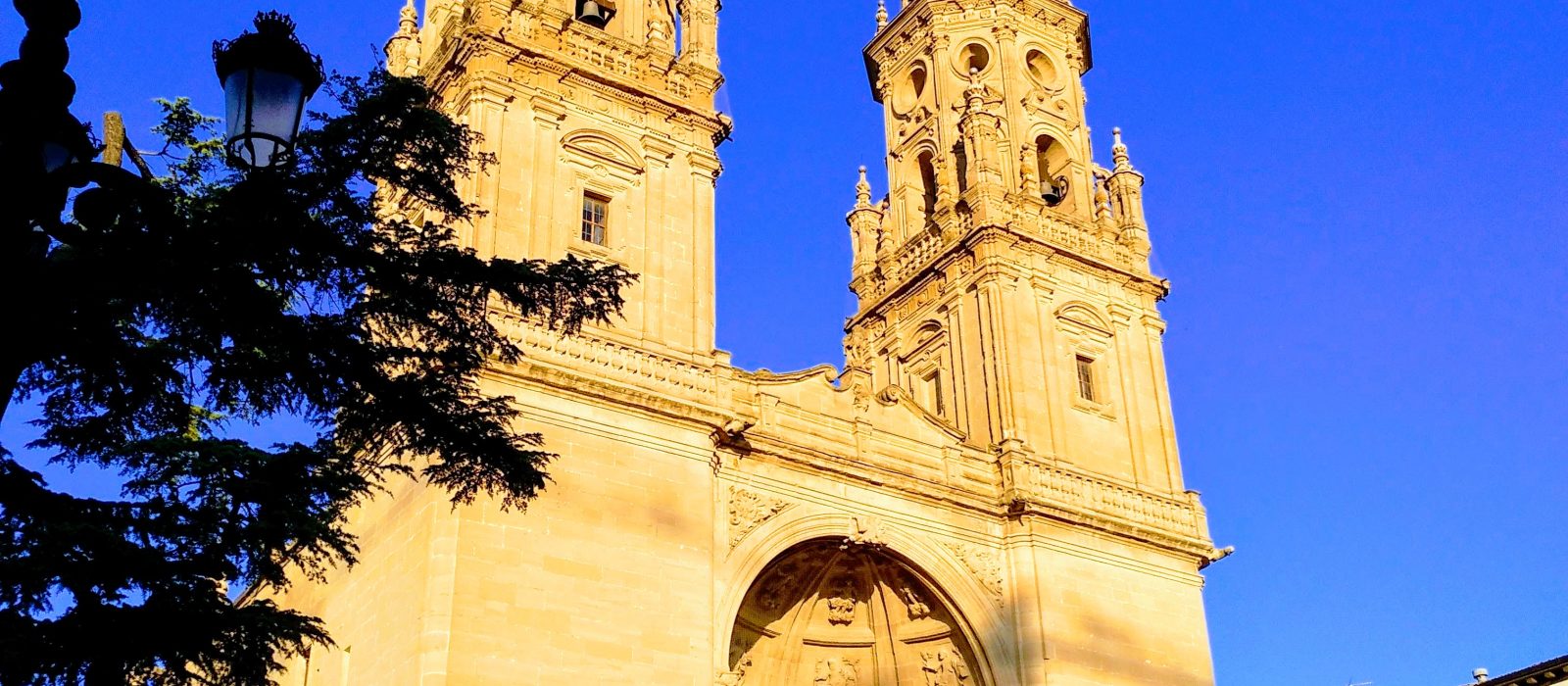
3-Day Itinerary in La Rioja: Overview
This 3-day itinerary covers Logroño, Haro, and San Millán de la Cogolla with a budget of 250-350€ per person.
This route is designed for travelers who want to explore La Rioja at a relaxed yet thorough pace, combining ancient history with modern wine culture. It is ideal for couples or groups of friends interested in quality wine tourism without sacrificing traditional gastronomy. Throughout this 3-day trip to La Rioja, you will discover everything from the world’s most historic wineries to the monasteries where the Spanish language was born, all with realistic logistics for a mid-range budget.
| Día | Ciudad Base / Destino | Highlights Principales | Km aprox. (entre paradas) |
|---|---|---|---|
| Día 1 | Logroño | Concatedral, Calle Laurel, Museo de La Rioja | 0 km (Ruta urbana) |
| Día 2 | Haro y Briñas | Barrio de la Estación, Bodegas Históricas, Viñedos | 45 km (Logroño – Haro) |
| Día 3 | San Millán de la Cogolla | Monasterios de Yuso y Suso, Glosas Emilianenses | 50 km (Haro/Logroño – San Millán) |
Day 1: Logroño, Capital of Wine and Flavor
We begin our route through La Rioja in the capital. Logroño is a compact, walkable city, perfect for starting the trip stress-free. Today’s focus is cultural and culinary immersion in the old town.
Morning
- Visit to the Concatedral de Santa María de la Redonda (Co-Cathedral of Saint Mary of the Round): Start the day admiring the famous twin towers that dominate the city skyline. Climb one of the towers if it is open to enjoy the views (estimated time: 45 min).
- Walk along the Camino de Santiago (Urban Section): Follow the yellow scallop shells from the co-cathedral to the Church of Santa María de Palacio. It is an excellent way to connect with the history of the pilgrimage (estimated time: 30 min).
- Recommended breakfast: Café in the old town (e.g., around Calle Portales). Order a café con leche and a tortilla pincho or toast. Indicative price: 4-6€.
Midday
- Where to eat: For an authentic Riojan gastronomy experience, look for a traditional restaurant in the center. Try the Patatas a la riojana (potato stew with chorizo and paprika) or the Pimientos rellenos a la riojana (Rioja-style stuffed peppers). Average price: 25-35€ per person.
- Afternoon activity: Visit the Museo de La Rioja (La Rioja Museum). Housed in the Palacio de Espartero, it offers an essential tour through the region’s history and ethnography, fundamental for understanding the context of your trip (estimated time: 1h 30min).
Afternoon
- Tapas crawl along Calle Laurel: Although it is more famous at dusk, you can start exploring the atmosphere. If you prefer something quieter, visit the Teatro Bretón de los Herreros or simply stroll through the Parque del Ebro.
- Snack or rest: An artisanal ice cream in the Plaza del Mercado or a break in the Espolón gardens.
Night
- Dinner: Logroño has high-end options. Restaurants such as Tondeluna or La Taberna del Alabarda offer superior gastronomic experiences. If you are looking for something more casual but still high quality, Kiro Sushi is a highly rated modern option. Area: Center / Calle Laurel. Price: 40-60€.
- Nightlife: Calle Laurel and Calle San Juan are the epicenter of nightlife. It is the perfect place to end the day with a glass of local wine.
Day 2: Haro, the Capital of Rioja
The second day of this tour of La Rioja takes us north, to Haro. This is the mecca of classic wine tourism, where centuries-old wineries coexist with the elegance of a stately town.
Morning
- Transfer to Haro: Early departure for Haro.
- Visit to the Barrio de la Estación (Station Quarter): It is the most important winery district in Spain. Historic wineries such as López de Heredia Viña Tondonia, La Rioja Alta, and Muga are concentrated here. Book a guided tour with tasting at one of them (e.g., Bodega Muga or CVNE). Entry + tasting price: €15-25.
- Recommended breakfast: In Haro, have breakfast in the Plaza de la Paz. Try chocolate con churros (hot chocolate with fried dough sticks) or coffee with local pastries. Indicative price: €5-7.
Midday
- Where to eat: Haro offers prestigious asadores (grill restaurants). It is the ideal place to try the famous Chuletillas al sarmiento (suckling lamb chops grilled over vine shoot embers). Average price: €30-45.
- Afternoon activity: Visit the Basílica de Nuestra Señora de la Vega or stroll through the nearby vineyards if the weather allows.
Afternoon
- Excursion to Briñas or Castillo de Davalillo: A few kilometers from Haro, you can visit the village of Briñas (known as the “Toledo of Rioja”) or the ruins of Castillo de Davalillo, which offers spectacular panoramic views of the vineyards (estimated time: 1h 30min).
- Afternoon snack: Return to Haro for a light snack or to buy wine souvenirs in the winery shops.
Night
- Dinner: You can dine in Haro to enjoy its more intimate atmosphere compared to Logroño, or return to Logroño if you are staying there. If you stay in Haro, look for restaurants in the Station area or the Old Town. Price: €30-50.
- Nightlife: Haro is quieter. Ideal for a relaxed dinner and a nighttime stroll through the cobbled streets.
Day 3: San Millán de la Cogolla and the Birthplace of Spanish
The last day of your 3-day trip to La Rioja is dedicated to culture and spirituality in a privileged natural setting in the Cárdenas river valley.
Morning
- Transfer to San Millán de la Cogolla: Departure southward, toward the Sierra de la Demanda.
- Visit to the Monasteries of Yuso and Suso: Declared a UNESCO World Heritage Site. The Monastery of Suso is the oldest and where the Glosas Emilianenses (the first texts in Spanish and Basque) were written. The one at Yuso is later and in Renaissance/Baroque style. Recommended combined entry: ~€12-14 (estimated time: 2h).
- Recommended breakfast: In the village of San Millán or Berceo. Simple local café. Indicative price: €4-6.
Midday
- Where to eat: The area is famous for its asadores and mountain cuisine. Look for a restaurant that serves Caparrones (a typical red bean stew) or game meats. Average price: €25-35.
- Afternoon activity: Visit the Casa de la Lengua (House of Language) or stroll through the natural surroundings of the Cárdenas river.
Afternoon
- Return and farewell: Time to return to Logroño or head to your departure point (train/bus station). If you have time before leaving, make a final stop to buy wine or preserved foods.
- Afternoon snack: Something light before the return journey.
Night
- Farewell dinner: If your departure is at night, dine in Logroño. If you have already left the region, this point marks the end of the itinerary.
Recommended accommodation
For this itinerary, your accommodation strategy depends on your mobility preference:
- Logroño (Recommended): Ideal if you use public transport or want nightlife.
- Area: Casco Antiguo (Old Town) or Ensanche.
- Price range: 3-4 star hotel: €80-120 per double room per night. Private rooms: €50-70.
- Haro: Ideal if you want maximum immersion in the vineyards and tranquility.
- Area: Near Plaza de la Paz (Peace Square) or Barrio de la Estación (Station Quarter).
- Price range: Boutique hotel: €90-140 per double room per night. Rural houses: €70-100.
Transport between cities
To explore La Rioja efficiently, a rental car is the best option, but there are alternatives:
- Rental car: The most flexible option.
- Logroño to Haro: 45 km (approx. 40 min via the A-12/A-62).
- Logroño to San Millán: 50 km (approx. 45 min via the LR-137).
- Train (Renfe): Connects Logroño and Haro well.
- Renfe connects Logroño with Haro in approx. 25-30 minutes. Frequency: several regional trains per day.
- For San Millán, the train is not directly viable; it would require a taxi from Nájera or a bus.
- Bus: The ALSA company covers the main routes, but schedules can be limited on weekends for rural destinations such as San Millán.
Estimated budget
Indicative breakdown for a traveler with a mid-range budget level (per person, assuming a shared double room):
- Day 1 (Logroño):
- Meals (Breakfast, Lunch, Dinner): €60-80
- Admission fees (Museum, Towers): €10
- Day 1 Total: ~€70-90
- Day 2 (Haro):
- Meals: €50-70
- Winery visit + tasting: €20
- Transport (Gas/Train): €15
- Day 2 Total: ~€85-105
- Day 3 (San Millán):
- Meals: €40-60
- Monastery admission fees: €14
- Transport: €15
- Day 3 Total: ~€70-90
- Accommodation (2 nights): €100-140 (proportional share).
- ESTIMATED TOTAL 3 DAYS: €325 – €425 per person.
Independent travel or organized tour?
When planning a route through La Rioja, you have two main options:
- Independent travel (Car/Public transport):
- Advantages: Total schedule flexibility, the possibility of stopping in small unplanned villages, and budget control (you can eat more cheaply).
- Disadvantages: You need to research and book wineries in advance (many close without an appointment), and public transport to San Millán is limited.
- Profile: Independent travelers, couples, or groups of friends who enjoy planning.
- Organized tour:
- Advantages: Absolute comfort (they pick you up at the hotel), guaranteed access to exclusive wineries that sometimes do not open to individuals, and explanations from expert wine guides.
- Disadvantages: Less freedom to improvise, fixed schedules, and higher cost (they usually run around €80-120 just for the full-day excursion).
- Profile: Travelers who prioritize comfort, large groups, or people who do not want to drive after tastings.
Practical tips
- Book wineries in advance: In Haro, wineries like López de Heredia or Muga are often fully booked weeks ahead, especially in high season.
- Meal times: In La Rioja, people eat late. Restaurants usually open for lunch at 14:00 or 14:30 and for dinner from 21:00 onwards.
- Comfortable footwear: Both for walking around Logroño’s old town (cobblestones) and for visiting vineyards and monasteries.
- Local festivals: If you travel in September, it coincides with the Fiestas de San Mateo (Harvest Festival) in Logroño, which guarantees atmosphere but also crowds and higher prices.
- Driving and wine: If you do the route by car and plan tastings, designate a non-drinking driver or use taxi/transfer services for Day 2 in Haro.
- Weather: La Rioja can have sudden temperature changes. Bring layers, especially if you visit San Millán in spring or autumn, where it is cooler due to the mountains.
Frequently asked questions
Is it necessary to rent a car to do this 3-day itinerary?
It is not strictly necessary, but it is highly recommended. While Logroño and Haro are well connected by train (Renfe takes about 25-30 min), getting to San Millán de la Cogolla by public transport is complicated and requires bus and taxi combinations. For a smooth experience and visiting vineyards, a car offers the best freedom.
What is the best time of year to visit La Rioja?
The best time depends on what you are looking for. September and October are ideal for seeing the grape harvest and the changing colors of the vineyards, although there are more tourists. May and June offer perfect weather and fewer crowds. Winter is good for indoor wine tourism and hearty spoon dishes, but the days are shorter.
What typical dishes should I not miss on this trip?
Besides the wines, you must try: Patatas a la riojana (potato stew with chorizo), Chuletillas al sarmiento (grilled baby lamb chops), Caparrones (red beans) and Pimientos del piquillo rellenos (stuffed piquillo peppers). In Logroño, the must-do plan is to go for “pinchos” along Calle Laurel.
How much does a winery visit in Haro cost approximately?
The price varies depending on the winery and the type of visit. A standard visit with a tasting of 2-3 wines usually costs between 15€ and 25€ per person. Premium visits or those with food pairings can go up to 40-60€. It is important to book online before arriving.