| Día | Ciudad / Tramo | Highlights Principales | Distancia / Transporte |
|---|---|---|---|
| Día 1 | Sevilla | Real Alcázar, Catedral y Giralda | – |
| Día 2 | Sevilla | Barrio de Santa Cruz, Itálica | – |
| Día 3 | Sevilla → Mérida | Teatro Romano, Acueducto de los Milagros | 260 km (3h coche / 3h tren) |
| Día 4 | Mérida → Cáceres | Ciudad Monumental, Torre de Bujaco | 72 km (0h 50min coche) |
| Día 5 | Cáceres → Salamanca | Universidad, Plaza Mayor | 215 km (2h 30min coche) |
| Día 6 | Salamanca | Casas de las Conchas, Catedrales | – |
| Día 7 | Salamanca → Zamora | Catedral, Puerta de Doña Urraca | 64 km (0h 45min coche) |
| Día 8 | Zamora → León | Catedral, Basílica de San Isidoro | 100 km (1h 15min coche) |
| Día 9 | León → Gijón | Elogio del Horizonte, Playa de San Lorenzo | 160 km (2h coche) |
| Día 10 | Gijón | Universidad Laboral, Acuario | – |
10-Day Ruta de la Plata Itinerary: Overview
This 10-day itinerary covers Seville, Mérida, Cáceres, Salamanca, Zamora, León, and Gijón with a budget of €1000-1300 per person.
This route is the historic backbone of Spain, linking the Muslim and Roman south with the Christian and Atlantic north. It is ideal for travelers seeking deep immersion in history, from Roman roads to Gothic art, while enjoying a cuisine that evolves with the landscape. When planning a 10-day trip to the Ruta de la Plata, you will find a perfect balance between Andalusian warmth and the Cantabrian breeze.
Day 1: Seville, the Essence of the South
Morning
Activity 1: Visit the Real Alcázar of Seville. Book tickets in advance to avoid queues. Estimated time: 2 hours.
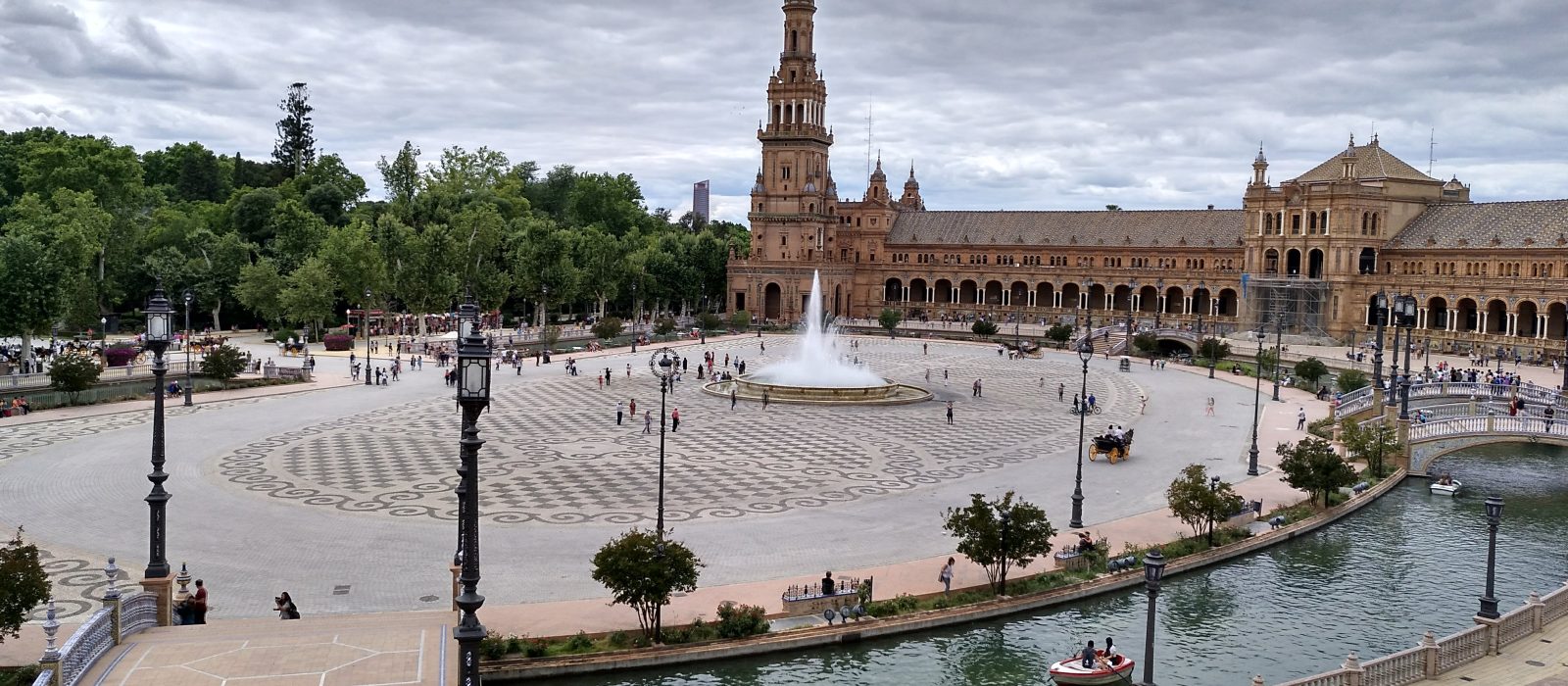
Activity 2: Stroll through the Alcázar gardens and Plaza de España.
Recommended breakfast: Tapas bar in the center (e.g., Alfalfa area). Indicative price: €5-8.
Midday
Where to eat: Traditional tavern in the Barrio de Santa Cruz. Try the solomillo al whisky (pork loin in whisky sauce) or espinacas con garbanzos (spinach with chickpeas). Average price: €20-25.
Afternoon
Afternoon activities: Visit the Catedral de Santa María de la Sede in Seville and climb the Giralda. Afterwards, walk past the Archivo General de Indias (exterior).
Snack or break: Ice cream in the Cathedral area.
Night
Dinner: Tapas in the Alameda de Hércules area. Price: €25-30.
Nightlife: Sevillanas at a tablao or drinks in Triana.
Day 2: Roman and Flamenco Seville
Morning
Activity 1: Excursion to the Archaeological Site of Itálica (Santiponce). It is essential for understanding the Roman Ruta de la Plata. Time: 2 hours.
Activity 2: Return to the center and visit the Museo de Bellas Artes (optional).
Recommended breakfast: Café on Calle Betis (Triana). Price: €5-7.
Midday
Where to eat: Fried fish restaurant (pescaíto frito) in Triana. Average price: €25.
Afternoon
Afternoon activities: Free time for shopping on Calle Sierpes or a visit to the Metropol Parasol (Las Setas).
Snack or break: Rest in Parque de María Luisa.
Night
Dinner: Light dinner of Andalusian gazpacho and ham. Area: Historic center. Price: €20.
Day 3: From Seville to Roman Extremadura (Mérida)
Morning
Activity 1: Transfer to Mérida. Option by car (A-66) or train (Renfe connects Seville with Mérida in approx. 3h).
Activity 2: Check-in and initial visit to the Roman Theatre of Mérida.
Recommended breakfast: Stop en route or light breakfast at the hotel. Price: €5.
Midday
Where to eat: Restaurant in Mérida. Try the caldereta de cordero (lamb stew) or migas extremeñas (Extremaduran breadcrumbs). Average price: €20-25.
Afternoon
Afternoon activities: Visit the Acueducto de Los Milagros and the Roman Amphitheatre. Combined ticket recommended.
Snack or break: Walk along the Roman Bridge over the Guadiana River.
Night
Dinner: Tapas crawl around the Alcazaba Árabe area. Price: €20-25.
Nightlife: Mérida is quiet, ideal for a stroll along the river.
Day 4: Mérida to Cáceres, World Heritage
Morning
Activity 1: Visit the National Museum of Roman Art in Mérida (a must-see).
Activity 2: Transfer to Cáceres. Distance: 72km, 0h50min by car via the A-66.
Recommended breakfast: Café in Mérida before departing. Price: €5.
Midday
Where to eat: Restaurant in the Ciudad Monumental of Cáceres. Dishes: Torta del Casar or Zorongollo. Average price: €25.
Afternoon
Afternoon activities: Tour of the Ciudad Monumental: Torre de Bujaco, Arco de la Estrella, and Palacio de los Golfines de Abajo.
Snack or break: Coffee in the Plaza Mayor of Cáceres.
Night
Dinner: Restaurant with views of the city walls. Price: €25-30.
Day 5: Heading to the golden city (Salamanca)
Morning
Activity 1: Transfer Cáceres → Salamanca. Approximately 2h 30min by car.
Activity 2: Arrival and first contact with the Plaza Mayor de Salamanca (Main Square of Salamanca).
Recommended breakfast: Stop along the route (Béjar or Guijuelo area). Price: 6€.
Midday
Where to eat: Tavern in Salamanca. Try the hornazo de Salamanca (savory meat pie from Salamanca) or patatas meneás (mashed potatoes with paprika). Average price: 20€.
Afternoon
Afternoon activities: Visit to the Universidad de Salamanca (University of Salamanca) (Facade and Patio de Escuelas) and the Casas de las Conchas (House of Shells).
Snack or rest: Climb the Torre del Clérigo (Clergy Tower) (panoramic views).
Night
Dinner: Barrio del Oeste (West Quarter) or city center area. Price: 25€.
Nightlife: Salamanca has a very active university nightlife.
Day 6: Salamanca, culture and cathedrals
Morning
Activity 1: Visit to the Catedral Nueva de Salamanca (New Cathedral of Salamanca) and Catedral Vieja de Salamanca (Old Cathedral of Salamanca).
Activity 2: Stroll along the banks of the Tormes River (Puente Romano / Roman Bridge).
Recommended breakfast: Traditional churrería (churro shop). Price: 4€.
Midday
Where to eat: Set lunch menu in the central area. Dishes: Farinato (spiced sausage) or chanfaina (lamb offal stew). Average price: 15-20€.
Afternoon
Afternoon activities: Visit to the Convento de San Esteban (Convent of Saint Stephen) or free time for shopping on Calle Toro.
Snack or rest: Rest in the gardens of the Huerto de Calixto y Melibea (Garden of Calixto and Melibea).
Night
Dinner: Farewell dinner to Castile. Price: 30€.
Day 7: Salamanca to Zamora, the city of Romanesque
Morning
Activity 1: Transfer Salamanca → Zamora. Distance: 64km, 0h45min by car.
Activity 2: Visit to the Catedral de Zamora (Zamora Cathedral) (the cimborrio / dome is unique).
Recommended breakfast: Breakfast in Salamanca before departing. Price: 5€.
Midday
Where to eat: Restaurant in Zamora. Average price: 20€.
Afternoon
Afternoon activities: Tour of the historic center: Puerta de Doña Urraca (Gate of Doña Urraca), Estatua de Viriato (Statue of Viriato) and Museo Catedralicio de Zamora (Zamora Cathedral Museum).
Snack or rest: Stroll through the Parque de la Alameda (Alameda Park).
Night
Dinner: Cheese and wine tapas in the Plaza Mayor area. Price: 20€.
Day 8: Zamora to León, Gothic and Modernism
Morning
Activity 1: Transfer Zamora → León. Approx. 1h 15min.
Activity 2: Visit to the Catedral de León (León Cathedral) (its stained glass windows are world-famous).
Recommended breakfast: Café in León. Price: 5€.
Midday
Where to eat: Tapas bar in the Barrio Húmedo (Wet Quarter). Dishes: Cecina de León (cured beef from León), morcilla de León (blood sausage from León) or botillo del Bierzo (cured meat dish from El Bierzo). Average price: 20-25€.
Afternoon
Afternoon activities: Visit to the Basílica de San Isidoro (Basilica of Saint Isidore) (Panteón Real / Royal Pantheon) and the Casa Botines (a work by Gaudí).
Snack or rest: Stroll through the Parque de Quevedo (Quevedo Park).
Night
Dinner: Dinner in the Barrio Húmedo (very lively atmosphere). Price: 25€.
Day 9: León to Gijón, arrival at the sea
Morning
Activity 1: Transfer León → Gijón. Approx. 2h via the AP-66.
Activity 2: Arrival in Gijón and stroll along the Playa de San Lorenzo (San Lorenzo Beach).
Recommended breakfast: Breakfast in León. Price: 6€.
Midday
Where to eat: Sidrería (cider house) in Gijón. Dishes: Fabada Asturiana (Asturian bean stew), cachopo (breaded stuffed veal) or chorizos a la sidra (chorizo cooked in cider). Average price: 25€.
Afternoon
Afternoon activities: Visit to the Elogio del Horizonte (Praise of the Horizon) (by Chillida) and the Palacio de Revillagigedo (Revillagigedo Palace).
Snack or rest: Coffee with views of the Cantabrian Sea on the Paseo Marítimo (seafront promenade).
Night
Dinner: Restaurant in the Cimadevilla area. Price: 30€.
Nightlife: Gijón has a varied nightlife offering, from pubs to nightclubs.
Day 10: Gijón, the pearl of the Cantabrian Sea
Morning
Activity 1: Visit to the Universidad Laboral de Gijón (impressive historic building).
Activity 2: Visit to the Gijón Aquarium (optional if you are traveling with children or you like marine life).
Recommended breakfast: Beach bar or café in the center. Price: 6€.
Midday
Where to eat: Seafood restaurant or modern Asturian cuisine restaurant. Average price: 30€.
Afternoon
Afternoon activities: Souvenir shopping (cheese, cider) and a final stroll along the Muro de San Lorenzo.
Snack or rest: End of the trip.
Night
Dinner: Farewell dinner. Price: 30€.
Recommended accommodation
- Seville: Santa Cruz or Triana neighborhood. Mid-range: 80-120€/night.
- Mérida: Historic center near the Roman Theater. Mid-range: 60-90€/night.
- Cáceres: Inside the Ciudad Monumental (Monumental City) or outside the walls near the Plaza Mayor. Mid-range: 60-90€/night.
- Salamanca: Historic center (Plaza Mayor area). Mid-range: 70-100€/night.
- Zamora: Old town. Mid-range: 50-80€/night.
- León: Barrio Húmedo or center. Mid-range: 60-90€/night.
- Gijón: Center or near San Lorenzo Beach. Mid-range: 70-110€/night.
Transport between cities
To explore the Ruta de la Plata (Silver Route) with total freedom, a rental car is the best option, especially for the Mérida-Cáceres (72km) and Salamanca-Zamora (64km) stretches, where public transport can be less frequent. However, Renfe connects the major cities (Seville, Mérida, Salamanca, León, Gijón) efficiently. Driving times are short, allowing you to enjoy the scenery without excessive fatigue.
Estimated budget
For a mid-range budget level on this 10-day trip along the Ruta de la Plata:
- Accommodation: 800€ (approx. 80€/night shared double room).
- Meals: 500€ (50€/day per person including dinners and tapas).
- Transport: 300€ (Car rental + gas or trains).
- Entrance fees and activities: 150€.
- Estimated total per person (traveling as a couple): 1000€ – 1300€.
Independent travel or organized tour?
Independent travel: Ideal if you value flexibility. You can stop in small towns along the route, change meal times, and manage your own pace. It requires logistical planning (booking a car, hotels), but it is usually more economical. Perfect for independent travelers.
Organized tour: Recommended if you prefer total comfort and do not want to drive. A tour along the Ruta de la Plata usually includes an expert guide who explains the historical context on site and coach transfers. It is more expensive, but you do not have to worry about logistics. Ideal for groups or older people.
Practical tips
- Book in advance: The Real Alcázar of Seville and the Roman Theater of Mérida often sell out in high season.
- Meal times: In the south (Seville, Extremadura) people eat later (14:30-15:30) than in the north (León, Gijón 13:30-14:30).
- Climate: Bring layered clothing. The south can be very hot and the north (Gijón) cooler and rainier even in summer.
- Gastronomy: Do not leave without trying the jamón ibérico (Iberian ham) in Extremadura and the cider in Asturias.
- Driving: The highways (A-66) are good, but watch the speed limits and speed cameras in urban sections.
- Water: In summer, always carry water with you, especially during open-air archaeological visits such as Itálica or Mérida.
Frequently asked questions
What is the best time of year to do the Ruta de la Plata (Silver Route)?
Spring (April-June) and autumn (September-October) are the best seasons. You’ll avoid the extreme summer heat in Seville and Extremadura, and the more frequent winter rains in the north.
Do I need a car for the whole itinerary?
Not strictly. The main cities are well connected by train or bus. However, a car is highly recommended for the Mérida-Cáceres stretch and for exploring the rural areas of Zamora and León freely.
How much does it cost to enter the main monuments?
Admission prices vary. For example, entry to the Roman Theatre of Mérida costs around €12 (with discounts). Seville Cathedral is around €12-15. Many churches in small towns are free or by donation.
Is the Ruta de la Plata safe for travel?
Yes, Spain is a very safe destination. The cities on this itinerary are quiet. Only the usual caution with belongings is recommended in very touristy areas such as Seville or Barcelona (although the latter is not on the route).