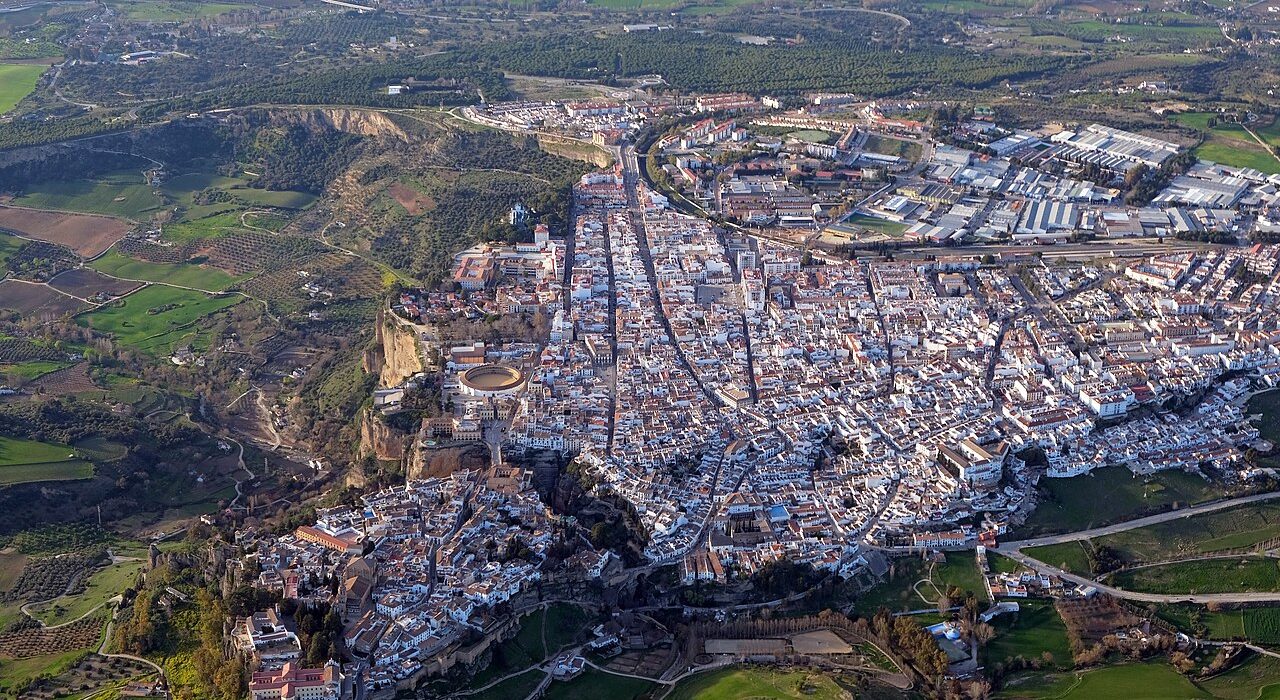
5-Day Itinerary in the White Villages of Andalusia: Overview
This 5-day itinerary covers Ronda, Arcos de la Frontera, Zahara de la Sierra, Vejer de la Frontera, and Grazalema on a budget of 350-450€ per person.
This route through the White Villages of Andalusia is designed for travelers seeking authenticity, stunning mountain landscapes, and traditional gastronomy without breaking the bank. It is ideal for couples, groups of friends, or solo travelers who prefer rural and cultural tourism over the mass tourism of the large coastal cities. Throughout this 5-day trip to the White Villages of Andalusia, you will alternate between awe at vertiginous cliffs and the tranquility of strolling through cobblestone streets where time seems to have stood still.
| Día | Ciudad Base / Ruta | Highlights | Km aprox. (tramo) |
|---|---|---|---|
| Día 1 | Arcos de la Frontera | Casco antiguo, Balcón de Arcos, Basílica de Santa María | – |
| Día 2 | Arcos -> Zahara de la Sierra | Embalse Zahara-El Gastor, Castillo de Zahara | 35 km (40 min) |
| Día 3 | Zahara -> Grazalema -> Ronda | Parque Natural Sierra de Grazalema, Callejón de la Garganta | 55 km (1h 15min) |
| Día 4 | Ronda y alrededores | Puente Nuevo, Cueva de la Pileta | 30 km (ida y vuelta a cueva) |
| Día 5 | Ronda -> Vejer de la Frontera | Arco de la Villa, Mirador de la Cobijada | 95 km (1h 30min) |
Day 1: Arcos de la Frontera, the Balcony of Andalusia
Morning
- Arrival and Check-in: Settle into your accommodation. Arcos sits atop a cliff, so the views from any high point are spectacular.
- Stroll through the Old Town: A 2-hour walk through narrow streets. A must-visit is the Balcón de Arcos (Arcos Balcony, Peña Nueva Viewpoint) for the iconic photo of the village perched over the Guadalete River.
- Cultural Visit: Entry to the Basílica de Santa María de la Asunción (Basilica of Saint Mary of the Assumption) (entry approx. 3-4€), a blend of Gothic and Baroque that dominates the square.
- Recommended breakfast: Local bar in Plaza del Cabildo. Toasted bread with tomato and coffee. Indicative price: 3-5€.
Midday
- Where to eat: Traditional tavern in the center. Order the Abajao (bread and wild asparagus soup) or the Ajo molinero (miller’s garlic soup). Average price: 12-15€ per person (set menu).
- Afternoon activity: Visit to the Castillo Ducal de Arcos (Ducal Castle of Arcos, Palace of the Dukes). Although it is privately owned, part of the courtyard and the stables can be visited.
Afternoon
- Viewpoint Route: A relaxed walk to the Mirador de la Alameda (Alameda Viewpoint). It is less crowded than the Balcony and offers beautiful views at sunset.
- Snack: Artisanal ice cream or coffee in Plaza del Cabildo.
Night
- Dinner: Budget-friendly tapas crawl around the Corredera area or Plaza de España. Try the Berza gitana (Gypsy-style stew) if it is in season.
- Atmosphere: Arcos has a tranquil vibe. Ideal for enjoying a glass of local wine on a terrace with nighttime views.
Day 2: From Arcos to Zahara de la Sierra, between reservoirs and castles
Morning
- Transfer: Early departure toward Zahara de la Sierra. The A-372 road offers incredible scenery.
- Reservoir Viewpoint: Quick stop at the viewpoint overlooking the Zahara-El Gastor Reservoir. The turquoise waters contrast with the mountain range.
- Castle Ascent: Climb (physically demanding, bring water) up to the Castle of Zahara de la Sierra and the Torre del Homenaje (Keep). The 360º views are the reward.
- Recommended breakfast: Churros with chocolate in the village before the climb or coffee in the main square. Price: €2-4.
Midday
- Where to eat: Restaurant in the Plaza de España. Specialty: Gachas (a porridge-like dish, sweet or savory depending on the season) or stews of wild asparagus and tagarninas (thistles).
- Afternoon activity: A leisurely rest and a stroll through the immaculate white streets of Zahara.
Afternoon
- Nature: If you’re active, a hiking route to La Garganta Verde (requires prior park permit, free but limited). If you prefer something more relaxed, a walk along the edge of the reservoir.
- Snack: Try the Quemones or a sopa tostá (toasted bread soup) at a local bar.
Night
- Dinner: Light dinner in Zahara or a short drive to El Gastor if you’re looking for more variety, though Zahara has cozy options.
- Atmosphere: A very quiet night, perfect for stargazing far from light pollution.
Day 3: Grazalema and the arrival in Ronda
Morning
- Transfer: Route toward Grazalema crossing the Sierra de Grazalema Natural Park. It is the rainiest area of Spain, so the vegetation is lush.
- Exploring Grazalema: Visit the Church of Nuestra Señora de la Encarnación and a stroll through the Callejón de la Garganta (Gorge Alley).
- Recommended breakfast: Coffee and toast in the Plaza de Andalucía. Price: €3-5.
Midday
- Where to eat: Set menu in Grazalema. Game dishes or local cured meats.
- Transfer to Ronda: Drive to Ronda (approx. 40 min). Check-in at your accommodation in Ronda.
Afternoon
- First contact with Ronda: Walk toward the Puente Nuevo (New Bridge). It is the symbol of the city. Go down to the viewpoint from the lower part of the city to appreciate the magnitude of the Tajo gorge.
- Optional visit: Casa del Rey Moro (House of the Moorish King) and Jardines de la Cuesta (entrance approx. €6).
- Snack: Tapas in the Plaza del Socorro area.
Night
- Dinner: Ronda offers everything from budget options to haute cuisine. For a tight budget, look for restaurants on Calle Nueva or around the Mercado de Abastos (market hall).
- Atmosphere: Ronda has more nightlife than the previous villages. Cocktail bars and lively terraces.
Day 4: Deep Ronda and the Cueva de la Pileta
Morning
- Excursion to Cueva de la Pileta: Early departure toward Benaoján (20 min from Ronda). Guided tour required at this cave with Paleolithic rock art. Note: Admission costs around 8-10€ and requires a reservation or arriving very early.
- Return to Ronda: Time for souvenir shopping or local crafts.
- Recommended breakfast: Hearty breakfast in Ronda before heading out. Price: 5-7€.
Midday
- Where to eat: Lunch in Ronda. If the budget allows, Ronda has Michelin restaurants such as Bardal or Tragata (reservation required, high price), but there are many more accessible mid-to-high quality options.
- Afternoon activity: Visit to the Plaza de Toros de La Maestranza (one of the oldest bullrings in Spain, admission approx. 8€).
Afternoon
- Museums and Culture: Museo Joaquín Peinado or simply getting lost in the La Judería (Jewish Quarter) neighborhood.
- Rest: Relax in the Jardines del Tajo (Tajo Gardens) or at your accommodation.
Night
- Dinner: Tapas crawl around the San Francisco area. Try the wine from the Serranía de Ronda Denominación de Origen (Designation of Origin).
- Atmosphere: Cultural night or quiet drinks.
Day 5: From the mountains to the coast in Vejer de la Frontera
Morning
- Transfer: Departure from Ronda toward Vejer de la Frontera. This is the longest stretch (approx. 1h 30min), descending toward Cádiz.
- Arrival in Vejer: Check-in or drop off luggage. Vejer is famous for its light and its white architecture with Arab touches.
- Recommended breakfast: Breakfast in the Plaza de España. Price: 4-6€.
Midday
- Where to eat: A must-try is the Lomo en manteca (pork loin preserved in lard) at a tapas bar or the Almuerzo campero (country-style lunch) at a local restaurant.
- Afternoon activity: Visit the Arco de la Villa (entrance to the old town) and the Iglesia del Divino Salvador (Church of the Divine Savior).
Afternoon
- Mirador de la Cobijada: Climb to the viewpoint to see the coast and, on a clear day, Africa.
- Beach Option: If the weather is good, head down to Playa de El Palmar (10 min by car/bus) for a farewell swim.
- Afternoon snack: Something light near the beach or in the village.
Night
- Dinner: Farewell dinner in Vejer. Try the Berza vejeriega (Vejer-style stew) or retinta beef.
- Atmosphere: Vejer has a very cosmopolitan and bohemian vibe, with many bars featuring live music in summer.
Recommended accommodation
- Arcos de la Frontera: Look for guesthouses or rural houses on the outskirts of the historic center to save money. Range: 40-70€ night/double.
- Zahara de la Sierra: Being small, prices rise in high season. Shared rural houses are the budget option. Range: 50-80€.
- Ronda: Wide range of options. Guesthouses in the center or tourist apartments. Range: 35-60€ person/night in a shared room.
- Vejer de la Frontera: Similar to Ronda, but more expensive in summer. Range: 40-70€.
Transport between cities
To explore the White Villages of Andalusia with freedom, a rental car is the best option. However, it is possible to do it by public transport with planning.
- Car: Essential for Zahara and Grazalema. Distances are short but public transport is scarce. Estimated fuel + rental cost: 150-200€ total for the trip (shared).
- Bus: The companies Damas and Comes connect Ronda, Arcos and Vejer.
- Ronda to Arcos: Approx. 1h 30min (sometimes requires a transfer in Jerez or Seville).
- Ronda to Vejer: Direct or via Jerez, approx. 2h.
- Zahara: Very difficult to access without a car. Only very sporadic buses from Grazalema or El Gastor.
- Train: Renfe connects Malaga with Ronda (approx. 1h 30min, price 10-15€). There is no train to the other white villages.
Estimated budget (Budget-friendly)
Calculated per person for 5 days, assuming travel as a couple or group (sharing car and accommodation costs).
- Accommodation: 200€ (40€/night x 5).
- Food: 150€ (30€/day: cheap breakfast, set lunch menu, tapas dinner).
- Transport: 75€ (Proportional share of car and fuel).
- Entrances and Leisure: 50€ (Caves, castles, drinks).
- ESTIMATED TOTAL: 475€ per person.
It can be reduced to 350€ if you cook in apartments and walk more.
Independent travel or organized tour?
This is a common question when planning a tour of the White Villages of Andalusia.
- Independent travel (Recommended):
- Pros: Total flexibility to stop at viewpoints, adjust meal times and discover secret corners. More controllable budget.
- Cons: Requires route planning and driving on mountain roads (although they are safe).
- Profile: Independent travelers, couples, groups of friends.
- Organized Tour:
- Pros: Total comfort, expert guide who explains the history (very useful in Ronda and Arcos), no driving stress.
- Cons: Rigid schedules, less free time to eat at your own pace or explore on your own. Usually more expensive.
- Profile: Older people, travelers who do not drive, or those visiting from base cities such as Seville or Malaga on day trips.
Practical tips
- Footwear: Comfortable walking shoes are essential. The villages are cobbled and have steep slopes (especially Arcos and Zahara).
- Meal times: In Andalusia, lunch is eaten late (14:30 – 15:30) and dinner is eaten late (21:00 – 22:30). Adjust your body clock or look for places that open earlier if you are hungry.
- Water: Always carry a reusable bottle. The climate in the mountains can be dry and hot, even in spring and autumn.
- Reservations: For the Cueva de la Pileta (Pileta Cave) and Michelin restaurants (if you decide to go), book weeks in advance.
- Climate: In winter it can be cold in the mountains (Ronda, Grazalema) and snow. In summer, the heat is intense. The best time is spring and autumn.
- Cash: Although almost everywhere accepts cards, carry some cash for small bars or entrances to rural monuments.
Frequently asked questions
What is the best time of year to visit the Pueblos Blancos (White Villages)?
Spring (April-May) and autumn (September-October) are the best times. The weather is mild, ideal for hiking and strolls. Summer can be extremely hot, especially in July and August, although nights in the mountains are pleasant.
Is it necessary to rent a car to see Zahara de la Sierra?
Yes, it is highly recommended. Zahara is in a privileged but isolated location. Public transport is very limited (sometimes only one bus a day or none at all on weekends), which would make following this 5-day itinerary very difficult without your own vehicle.
How much does it cost to enter the Puente Nuevo (New Bridge) in Ronda?
The bridge itself is a public thoroughfare and can be crossed for free. However, to access the interior viewpoint of the bridge (the interpretation center) you have to pay an entrance fee, which usually costs around 2-3€.
Can this route be done in winter?
Yes, but with precautions. The Sierra de Grazalema is the rainiest area of the peninsula. In winter it is possible to find snow on the access roads to Zahara and Grazalema. Check the weather forecast and carry chains or winter tires if you travel between December and February.