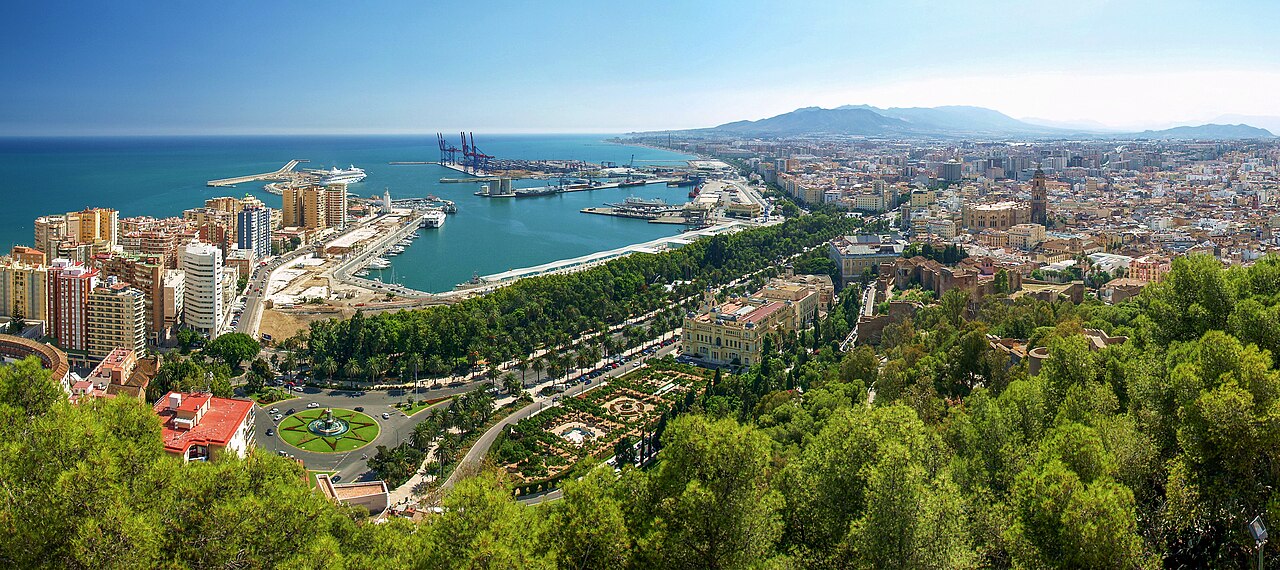
Marbella → Málaga
60 kmHow to get from Marbella to Málaga: quick summary
To cover the 60 km between Marbella and Málaga you have two main options: car or bus. The drive takes approximately 50 minutes via the highway and is the most comfortable choice if you want schedule flexibility or plan to make stops along the way. The direct bus is the most economical and practical alternative for those without their own vehicle: several companies operate the route in about 45 minutes at prices ranging from 7 to 11 euros. There is no direct train or flight between the two cities, so the bus stands out as the most logical public transport option.By car from Marbella to Málaga
The driving route between Marbella and Málaga covers around 60 km by road and takes about 50 minutes under normal traffic conditions. The main road is the A-7, known as the Autovía del Mediterráneo (Mediterranean Highway), a toll-free road that runs along the coast and directly connects both cities with a comfortable, well-signposted layout. The A-7 offers good views over the Málaga coastline for much of the journey and allows you to link up with coastal towns if you feel like improvising. The inland alternative is the A-45, the Autovía de Málaga (Málaga Highway), also toll-free, which connects the Córdoba area and inland Andalusia with the provincial capital. Depending on your exact departure point in Marbella and existing traffic, you can combine stretches of both highways. Both options are free, so the cost of the car journey comes down to fuel and, if needed, vehicle rental. During the summer months and at peak entry and exit times in Málaga, it’s wise to leave with extra time because congestion can add between 15 and 30 minutes to the trip.By bus from Marbella to Málaga
The bus is the simplest way to reach Málaga without a car from Marbella. Several companies operate the direct line: Avanza, Alsa, BlaBlaCar Bus and Movelia run regular services throughout the day, with frequencies increasing in high season. The journey takes around 45 minutes, even slightly less than by car since it avoids highway congestion, and prices range between 7 and 11 euros per trip depending on the company, the schedule and how far in advance you buy your ticket. Buses depart from Marbella station and arrive at Málaga bus station, located right in the city center, very close to Calle Alcazabilla and just steps from the historic quarter. This makes the bus a very practical option: it leaves you practically in the heart of the city. Buying online in advance, especially with BlaBlaCar Bus and Alsa, usually yields the best prices. If you’re traveling in a group or with light luggage, it’s a very competitive alternative to driving.Recommended stops along the way
The route between Marbella and Malaga offers several interesting towns worth stopping at. Here are the main ones, listed in the direction of travel. Fuengirola is one of the most popular stops on the Costa del Sol. Its long seafront promenade, urban beaches, and Sohail Castle are quick visits that can easily fill a whole morning if you feel like it. It is well connected and easy to get back onto the motorway. Torremolinos retains the classic summer atmosphere of the Malaga coastline. Beyond its beaches, it is worth wandering through El Bajondillo or heading into the centre to try some good pescaíto frito (traditional fried fish) before continuing on. Alhaurín de la Torre lies slightly further inland, on the lower slopes of the Sierra de Mijas. It is a quiet town with whitewashed streets and an interesting food scene for those who prefer inland tourism. Its proximity to the airport makes it easy to combine with other plans. Alhaurín el Grande is a little further from the main motorway, but it is worth the detour for nature lovers. The surrounding trails, the mills, and its main square are a rewarding stop. Coín is one of the most authentic towns in the Guadalhorce Valley. Its historic centre, hydraulic heritage, and fountains invite a pause with a traditional flavour. Cártama is dominated by the ruins of its Moorish castle, with privileged views over the valley. It is a small but history-packed enclave that can be visited in a short time. Estación de Cártama is the most populous district of the municipality, with a more modern character and services for travellers. It is well connected and practical for a quick stop. Pizarra is a small, very Malaga-style town, known for its aloreña olives and its unhurried atmosphere. Perfect for those wanting to get away from the coastal bustle before reaching Malaga.Where to stay in Malaga
Malaga offers accommodation for every budget, from youth hostels to boutique hotels with harbour views. The most convenient area for getting around on foot is the historic centre, around Marqués de Larios street, the Cathedral, and the Picasso Museum: here you will find three- and four-star hotels with rates that in low season start at around 60-90 euros per night and rise to 120-200 euros in summer. For those looking for nightlife, the La Merced neighbourhood and the area around Plaza de la Merced are home to small charming hotels and modern guesthouses in similar price ranges. The Muelle Uno and port area is dominated by higher-category hotels, some four- and five-star, with nightly rates exceeding 150-250 euros in high season. It is ideal if you are travelling as a couple or want sea views. For tighter budgets, the neighbourhoods of El Perchel, Huelin, and the area near María Zambrano station have guesthouses and tourist apartments for 40-70 euros per night, well connected by Cercanías and metro. If you are looking for a more beach-oriented experience, Pedregalejo and El Palo offer small lodgings and rural houses in a more local atmosphere, away from the centre but well connected by bus. Booking at least a month in advance and midweek helps you find the best prices, especially in spring and autumn.Where to eat along the route
Malaga’s cuisine is one of the great draws of this route, and the dishes you try between Marbella and Malaga will rarely disappoint. The espetos de sardinas (sardine skewers) are the most iconic image of Costa del Sol cooking. Fresh sardines skewered on canes and grilled over wood, traditionally right on the beach sand, at the well-known espetos. A simple and delicious dish that stands out for the freshness of the fish and that smoky flavor only wood can give. They are served with lemon and sometimes with a bit of bread for dipping. The fritura malagueña (Malaga-style fried fish) is a varied selection of small fish —anchovies, squid, red mullet, pijotas— lightly floured and fried in olive oil. Crispy, abundant, and perfect for sharing, it is usually served with lemon. You will find it at any beach bar in the area and at traditional restaurants in central Malaga. The ajoblanco is a cold, creamy soup made with ground almonds, garlic, bread, extra virgin olive oil, and vinegar. It is served well chilled, especially in summer, and is traditionally accompanied by fresh grapes or pieces of melon, which gives it a very interesting sweet contrast. The ensalada malagueña (Malaga-style salad) is a light and refreshing option: boiled potatoes, flaked salt cod, oranges, spring onions, and olives, all dressed with olive oil. Ideal for the hot days of the Andalusian summer and very present on bar counters throughout the province. To accompany any of these dishes, nothing beats a DO Málaga wine. The denomination of origin offers traditionally sweet, fortified, or naturally sweet wines, made mainly from Muscat of Alexandria and Pedro Ximénez grapes. There are different types depending on production and aging, from the lightest to the classic sweet ones that pair perfectly with fritura malagueña.Frequently asked questions about the Marbella-Malaga route
How long does it take from Marbella to Malaga?
The drive takes approximately 50 minutes via the motorway, although at peak times it can take 15 to 30 minutes longer. By direct bus, the time is reduced to about 45 minutes, since buses are not affected by the usual congestion on the A-7.
Which is cheaper, the train or the bus?
There is no direct train between Marbella and Malaga, so the bus is the only public transport option by rail, and also the cheapest. Bus tickets range from 7 to 11 euros depending on the company and how far in advance you book, while any alternative with transfers or taxi would be much more expensive and slower.
Is it worth renting a car?
Renting a car is worth it if you want to stop in inland towns such as Coín, Pizarra, or Alhaurín el Grande, or if you are traveling with family or a group with luggage. If your plan is to go straight to central Malaga, the bus is more practical: it drops you right in the historic center for between 7 and 11 euros, without worrying about parking.
When is the best time to travel?
The best time to do this route is spring (April-June) and autumn (September-October), when temperatures are mild, traffic is lighter, and accommodation prices drop compared to summer. In July and August the journey can suffer significant delays and the beach bars and hotels fill up, especially in Torremolinos and Fuengirola.
📍 También te puede interesar
Qué ver en Marbella →
Qué ver en Málaga →