Mataró
CataluñaClimate
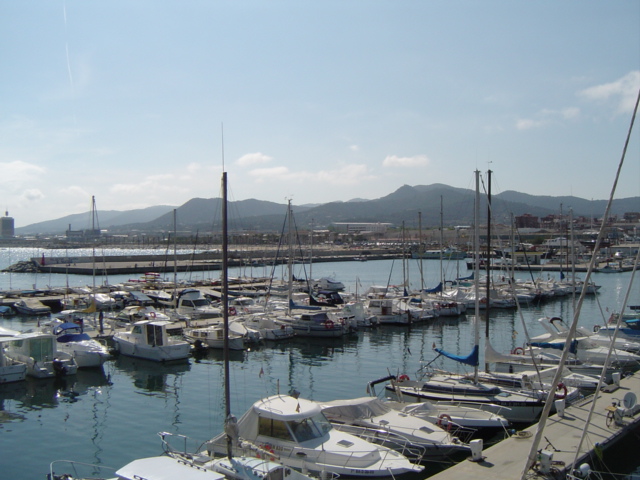
The unmistakable aroma of freshly made suquet de peix (Catalan fish stew) mingles with the salty breeze drifting in from the harbor, setting the rhythm of a city that smells of the sea and living history. Here, where the first train on the Iberian Peninsula broke the silence in 1848, time seems to stand still between the Roman stones of Iluro and the modern bustle of its markets. Mataró is not just a stopover on the way to somewhere else; it is a destination of 130,000 inhabitants that invites you to wander its cobbled streets and discover a Mediterranean authenticity that is hard to find elsewhere along the Catalan coast.
The must-seesWhat to see in Mataró: the essentials
Mataró Art Contemporani M|A|C Lab | M|A|C Doc i oficines
This cultural space is the heart of contemporary art in the city, functioning as a living laboratory where artistic creation is exhibited and debated. Here you will find M|A|C Doc and the offices, which serve as a documentation and management center for lovers of current art. It is an essential place for understanding the local creative scene, offering a dynamic vision that goes beyond the traditional static exhibition. It stands out for its focus on emerging artistic production and its integration into the cultural life of the community.
M|A|C Espai
Complementing the laboratory, M|A|C Espai is the main exhibition hall where the most outstanding works of the season are shown. It is a museum committed to quality and innovation, presenting works that dialogue directly with the social and urban context of Mataró. When visiting, you will appreciate how contemporary art adapts to the city’s historic spaces, creating a fascinating contrast between old and new.
Muralla del Genovesos
This monument is a silent yet powerful testimony to the city’s defensive needs in past eras. The Muralla del Genovesos (Genoese Wall) stands as one of the most significant fortifications that protected the population from maritime incursions. Observing it, you can imagine the tension of earlier centuries and the strategic importance of Mataró in medieval and modern maritime trade.
Ciutat romana d’Iluro
Beneath the foundations of the present-day city lie the remains of ancient Iluro, the Roman city that gave rise to everything. This archaeological monument allows you to walk over the streets and structures of a civilization that inhabited these lands two millennia ago. It is a verifiable fact of great historical weight, as it confirms the remote origins of the municipality and its continuous habitation from Roman antiquity to the present day.
Capella de Sant Sebastià
This small architectural gem is a monument that stands out for its religious and aesthetic value within the urban center. The Capella de Sant Sebastià (Chapel of Saint Sebastian) has witnessed local devotion for centuries and maintains a structure that reflects the traditional religious architecture of the area. It is a must-stop for those seeking to understand the spirituality and artistic history that permeates the streets of Mataró.
Other points of interest
- En memória dels afusellats i de totes les víctimes del franquisme a Mataró: Essential memorial monument for understanding recent history.
- La cadira de l’alcalde (2017): Sculpture in memory of Josep Abril i Argemí.
- Peixeteria: Monument paying homage to the local fishing tradition.
- Caseta dels Caçadors: Historic building with heritage value.
- Monuments to local figures: Ramon Aniento i Carmen, Joan Peiro i Belis, Josep Maria Julià i Mendoza, Francesc Verdalet i Guardiola, Josep Astort i Masip, Josep Ferrer i Coll, Josep Duran i Martori, Joaquim Mir i Brugada, Elies Soriano i Gonzàlez, Niabel Belis i Miralles, Camil Quintana i Bassas and Pere Guillaume i Reixach.
- Mirador Turó d’Onofre Arnau: Ideal panoramic viewpoint for views.
- Escultura de Ferro: Artistic work of interest in the public space.
🍂 Otoño
El otoño mantiene temperaturas agradables ya que es parte de la mejor época para visitar la ciudad. Es el momento ideal para probar la gastronomía local con tranquilidad en los restaurantes. Revisa el pronóstico antes de salir, pues pueden aparecer lluvias repentinas.
What to do in Mataró
Mataró offers specific activities based on its rich festive calendar and neighborhood life, from watching horse parades to enjoying independent music festivals. You can immerse yourself in tradition during the Festa dels Tres Tombs (Three Tombs Festival) in January, watching decorated carriages, or experience the intensity of fire with the correfocs (fire runs) of the Festes de Sant Joan in June. For music lovers, the Cruïlla Festival in July is an unmissable event with multiple stages, while in December the Fira de Nadal (Christmas Fair) transforms Plaza de Santa Anna into a magical market. Also, don’t miss the Mercat Setmanal (Weekly Market) in September, the largest in Catalonia, perfect for feeling the commercial pulse of the city.
Mataró in a day: express itinerary
If you’re short on time, this itinerary will allow you to cover the essentials of the city without rushing, combining history, art, and gastronomy in a logical route.
- 10:00 AM – Ciutat romana d’Iluro: Start the morning connecting with the city’s origins and walking over Roman history.
- 11:30 AM – Muralla del Genovesos and Capella de Sant Sebastià: Explore the historic center to see the fortifications and traditional religious architecture.
- 13:30 PM – Lunch in the Port Area: Head to the coastal area to try the local stew or fideuà with sea views.
- 16:00 PM – Mataró Art Contemporani (M|A|C Espai): Spend the afternoon exploring the current art scene at the museum.
- 18:00 PM – Turó d’Onofre Arnau Viewpoint: End the day with the best panoramic views of the city and the Mediterranean.
Where to eat in Mataró: local gastronomy
Where to stay in Mataró
Barri Vell
Es el casco histórico de Mataró, caracterizado por calles estrechas y empedradas con edificios medievales y renacentistas. Aquí se encuentra la Basílica de Santa Maria y un ambiente tranquilo lleno de historia y pequeños comercios tradicionales.
El Centre
Zona comercial y administrativa que rodea el Barri Vell, donde convergen las principales tiendas, bancos y servicios de la ciudad. Es un área vibrante durante el día con amplias avenidas peatonales ideales para pasear.
Els Molins
Barrio residencial situado cerca del centro pero con un carácter más local y menos turístico, conocido por su proximidad a zonas verdes y escuelas. Ofrece una visión auténtica de la vida cotidiana de los mataronenses sin aglomeraciones.
Vista Alegre
Zona residencial tranquila ubicada en una ligera elevación que ofrece buenas vistas hacia el mar y la ciudad. Es un área principalmente de viviendas unifamiliares y bloques bajos, muy silenciosa y segura.
Cerdanyo
Barrio popular y extenso situado al norte de la ciudad, con una fuerte identidad vecinal y diversos parques urbanos. Aunque es mayoritariamente residencial, cuenta con equipamientos deportivos y culturales importantes para la comunidad local.
Zona Portuària i Platja
Área costera que incluye el puerto deportivo, el club náutico y el paseo marítimo que conecta con las playas urbanas. Es el lugar predilecto para disfrutar del mar, comer pescado fresco y realizar actividades acuáticas.
How to get to Mataró
The city is well connected with Barcelona and the rest of the region, with the train being the fastest and most common option for visitors.
| Medio | Estación | Detalles |
|---|---|---|
| Tren | Estación de Mataró | Conexión directa con Barcelona (sin AVE). |
| Autobús | Estación de Galicia | Terminal principal de autobuses interurbanos. |
How to get around Mataró
Once in the city, urban transport is mainly based on the urban bus network, which covers the different neighborhoods and points of interest. For short distances in the historic center or the port area, walking is the best option to enjoy the atmosphere. The city is compact enough for many attractions to be within walking distance of each other, especially if you stay in El Centre or Barri Vell.
Weather in Mataró
Best time to visit Mataró
Day trips from Mataró
Mataró serves as an excellent base for exploring other cities in the Catalonia region. Given its location about 30 km northeast of Barcelona, the Catalan capital is an obvious and quick train excursion. Additionally, as the capital of the Maresme county, you are at the ideal starting point for touring the neighboring coastal towns that share this seafaring tradition and Mediterranean landscapes.
Things you didn’t know about Mataró
Did you know that Mataró was the first city in Spain and the Iberian Peninsula to have a railway line? This historic line was inaugurated on October 28, 1848, linking the town with Barcelona on a 28.4-kilometer route.
The Basílica de Santa Maria de Mataró (Basilica of Saint Mary of Mataró) is one of the oldest religious buildings in the Maresme county, documented since the year 982, although its current structure is a Gothic reconstruction from the 16th century after a fire.
The famous Modernista architect Josep Puig i Cadafalch was born here in 1867 and designed early works such as the Casa Coll i Regàs (1898) before rising to fame in Barcelona.
The city is home to the only mechanical bobbin lace factory still operating in Europe, a textile tradition that employed thousands of women in the 19th century and is now part of the Museo del Punto (Lace Museum).
The name ‘Mataró’ probably comes from the Latin ‘Matarone’, related to wetlands or dense vegetation typical of the mouth of the local stream.
Key scenes from the film ‘Perfume: The Story of a Murderer’ (2006) were shot here, using the port and the historic center to simulate 18th-century French cities.
The Torre Icària (Icària Tower), built in 1969 at 83 meters tall, was for decades the tallest residential building in Catalonia and remains an icon of the coast.
There are significant Roman archaeological remains, including a 1st-century BC villa in Can Llauder with polychrome mosaics that confirm continuous occupation since antiquity.
Who Mataró is for
Mataró is a versatile destination ideal for families seeking safe urban beaches and parks, as well as for couples interested in Roman history and Modernisme. Foodies will find a paradise in its locally sourced cuisine with Michelin stars and traditional seafaring dishes, while culture lovers will enjoy festivals such as Cruïlla and contemporary art museums. It is perfect for travelers who want to escape the mass tourism of Barcelona without giving up the connection to the capital.
💡 ¿Sabías que...?
- ● Mataró fue la primera ciudad de España y de la península ibérica en tener una línea de ferrocarril, inaugurada el 28 de octubre de 1848, que unía la localidad con Barcelona en un trayecto de 28,4 kilómetros. (Museo del Ferrocarril de Cataluña / Gobierno de España)
- ● La Basílica de Santa Maria de Mataró, documentada desde el año 982, es uno de los edificios religiosos más antiguos de la comarca del Maresme, aunque su estructura actual corresponde principalmente a una reconstrucción gótica iniciada en el siglo XVI tras un incendio. (Obispado de Terrassa / Ayuntamiento de Mataró)
- ● El arquitecto modernista Josep Puig i Cadafalch, nacido en Mataró en 1867, diseñó aquí algunas de sus primeras obras importantes como la Casa Coll i Regàs (1898) y la Cooperativa La Aliança Mataronina antes de ganar fama internacional en Barcelona. (Fundació Josep Puig i Cadafalch)
- ● Mataró alberga la única fábrica de puntos de encaje de bolillos mecánicos que se conserva operativa en Europa, integrada en el Museo del Punto de Mataró, reflejando una tradición textil que dio empleo a miles de mujeres en el siglo XIX. (Museu del Punt de Mataró)
- ● La etimología del nombre 'Mataró' proviene probablemente del latín 'Matarone', derivado a su vez de un antropónimo romano o de la raíz prerromana 'matarr-', relacionada con zonas húmedas o vegetación densa típica de la desembocadura de la riera local. (Onomasticon Cataloniae (Institut d'Estudis Catalans))
- ● En Mataró se rodaron escenas clave de la película 'El perfum: Historia de un asesino' (2006), dirigida por Tom Tykwer, utilizando el puerto y las calles del centro histórico para simular ciudades francesas del siglo XVIII. (Film Commission de Cataluña / IMDb)
- ● La Torre Icària, construida en 1969 con 83 metros de altura, fue durante décadas el edificio residencial más alto de Cataluña y sigue siendo uno de los rascacielos más emblemáticos de la costa catalana fuera de Barcelona. (Consejo General de la Arquitectura de España / Registros municipales)
- ● Mataró cuenta con restos arqueológicos romanos significativos, incluyendo una villa romana del siglo I a.C. en la zona de Can Llauder, donde se hallaron mosaicos policromados que confirman la ocupación continua desde la antigüedad. (Museu de Mataró / Generalitat de Catalunya)
Frequently asked questions about Mataró
How many days do I need to see Mataró?
One day is enough to see the must-sees such as the Ciutat romana d’Iluro (Roman city of Iluro) and the M|A|C, but 2 or 3 days are recommended to enjoy the local gastronomy, the beaches and festivals such as the Mercat Setmanal (Weekly Market).
What is the best time of year to visit Mataró?
The best time is from May to November, when the average summer temperature reaches 21.1°C, allowing you to enjoy the Zona Portuària (Port Area) and outdoor activities.
How do I get to Mataró from Barcelona?
The fastest way is by train from Estación de Mataró (Mataró Station), located about 30 km northeast of Barcelona, with no need for the AVE as the regional connection is very frequent.
What typical dish should I definitely try?
You must try the local stew of cuttlefish with tender peas from the Maresme, the emblematic dish that brings together the sea and the market garden, or the Fideuà de Mataró in the coastal area.