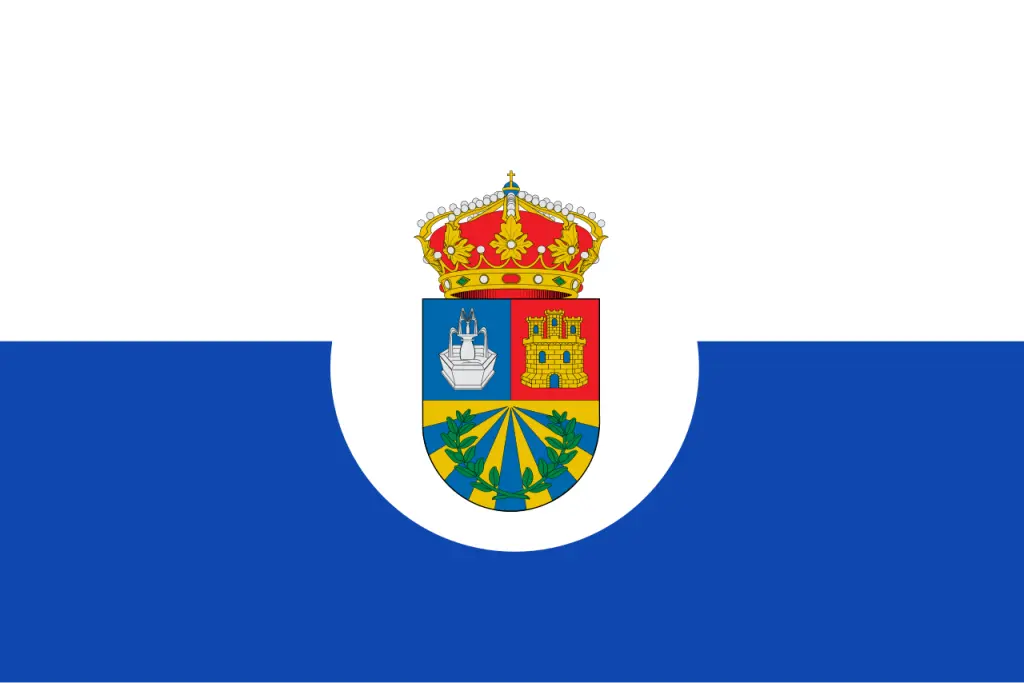
Fuenlabrada
Comunidad de MadridClimate
What to see in Fuenlabrada: the essentials
Fuente de Las Escaleras
This monument is far more than a fountain: it is the historic heart of Fuenlabrada, tied to the old water supply system of the town. The space where it stands has recently been redeveloped with a more urban and safer design, transforming the roundabout into a place to linger and for residents to meet. Today it is a heritage landmark integrated into a pedestrian area where people take precedence over cars, ideal for sitting for a while and understanding how a simple fountain could give rise to an entire city.Parque Loranca
Considered one of the most beautiful parks in southern Madrid, Parque Loranca is a must-see if you’re travelling with children or simply want to switch off. Its extensive green spaces are arranged around an artificial lake with waterfowl that turn a stroll into a far gentler experience than you’d expect in a residential neighbourhood. It’s the kind of place where locals walk their dogs, ducks come up to the shore and time seems to move to a different rhythm.Fuente Fregacedos
At number 17 Paseo de Loranca stands this historic fountain, the source of the Fregacedos stream and a key element for understanding the town’s origins and evolution. The landscaped surroundings, with trees, benches and shrubs, invite you to stroll and follow the course of the stream while discovering a heritage reference point for the traditional springs and waterways of the area. It’s a brief but highly revealing stop for understanding Fuenlabrada’s relationship with water since its founding.Centro Cultural Tomás y Valiente
Fuenlabrada’s main cultural venue and one of the leading cultural centres in southern Madrid is this building of modern, functional architecture. It is organised around a large lobby that links the different spaces and services, and has its own car park for users. Check its programme before your visit: theatre, exhibitions and cultural activities fill its halls throughout the year.Iglesia Parroquial de San Esteban Protomártir
This Catholic church of medieval origin is the great witness to the history of Fuenlabrada. Its original construction dates back to the 14th century, it was rebuilt in the 16th century and underwent a partial reconstruction in 1950. It has been listed as a Bien de Interés Cultural (Asset of Cultural Interest) since 5 April 1983 and belongs to the Diocese of Getafe. Baroque in style, its interior features a prominent high altarpiece and side chapels with religious imagery, under the patronage of Saint Stephen Protomartyr and with the Cristo de la Misericordia as patron.Casa de Don José el Médico
A historic, protected house in the old town of Fuenlabrada, at number 26 Calle de la Plaza, with a Neo-Mudéjar façade notable for its stepped brick eaves and the treatment of its lintels and grilled openings.Ermita del Calvario
A small temple at number 8 Calle del Paular, listed as a church and open to the public, worth including in a tour of the town’s religious heritage and traditional spaces.Old Town Hall of Fuenlabrada
A building that once housed the offices of the municipal government before the council moved to modern premises, of notable historical and symbolic value for the town.“Pasado” and “Recuerdos” Murals of Fuenlabrada
A collection of large-format urban murals integrated into the Fuenlabrada Museum of Urban Art, depicting scenes from the city’s agricultural past and its historical memory.Puente de los Saltos
A historic bridge over the Culebro stream, linked to the town’s old country paths and now integrated into the stream’s natural surroundings.Parque de La Fuente
One of Fuenlabrada’s largest urban parks, with extensive green areas, mature trees and walking areas that regularly host cultural and puppet festivals such as Titirifuente.Parque de Solidaridad
An urban park with lakes, landscaped areas and sports and leisure facilities, one of the green spaces most valued by locals.Parque Recinto Ferial de Fuenlabrada
A spacious, pleasant park combining green areas with children’s play areas adapted to different ages, next to the fairground, a benchmark area for leisure and community life.Plaza de España
A commercial or entertainment establishment in the city centre.Tomás González Hurtado
An urban monument located in the town.T17
An urban monument located in the town.Estatua del labrador
An urban monument located in the town.🍂 Otoño
Si visitas Fuenlabrada en otoño, el clima sigue siendo agradable y es parte de la mejor época para venir, de mayo a octubre. Septiembre trae las Fiestas Patronales de Fuenlabrada y el Cristo de la Misericordia, llenando las calles de ambiente. Aprovecha para visitar el Centro Cultural Tomás y Valiente y lleva un paraguas plegable por si llueve.
What to do in Fuenlabrada
Fuenlabrada offers a unique combination of patron saint festivities with a parade of peñas and fireworks, carnivals with chirigotas and a proclamation in the plaza de la Constitución, and a century-old municipal market where you can buy fresh seasonal produce. The city lives on the street: its parks host puppet festivals such as Titirifuente, its neighbourhoods hide urban art murals that have been democratising culture for more than two decades, and the terraces of its old town squares fill up at weekends.- September is the big month: the Fiestas Patronales del Cristo de la Misericordia fill the fairground with rides, stalls and concerts, with a parade of peñas, a proclamation and fireworks.
- In February, the Carnaval de Fuenlabrada takes over the streets with chirigotas, dancing and a big parade of local organisations that ends with the proclamation in the plaza de la Constitución.
- In May, the Fiesta del Mayor pays tribute to older people with workshops, music, dancing and performances at the municipal swimming pool, with free transport.
- The Mercado Municipal de Fuenlabrada is one of the oldest and best-known in the area, with stalls selling seasonal fruit and vegetables, butchers, delicatessens, fishmongers and shops selling spices and nuts.
- The Loranca and Parque Granada neighbourhoods are ideal for unhurried strolls, with shopping areas, parks and a young, dynamic atmosphere in the first and a quiet, family-friendly feel in the second.
Fuenlabrada in a day: express itinerary
If you only have one day to discover Fuenlabrada, this route takes you through the essentials without rushing and with time to eat well.- 10:00 – Fuente de Las Escaleras: start at the historic heart of the city, where a centuries-old fountain explains the origins of Fuenlabrada. The redeveloped pedestrian area invites you to stroll at your leisure.
- 11:00 – Iglesia de San Esteban Protomártir: just a few minutes’ walk away, this 14th-century Baroque church is the great witness to local history. Take note of the main altarpiece and the side chapels.
- 12:00 – Casa de Don José el Médico and the old town: walk along calle de la Plaza to see the Neo-Mudéjar façade of this historic house and the Antiguo Ayuntamiento (Old Town Hall), which retains its symbolic value.
- 13:30 – Lunch in the centre: try the tortilla de patata (Spanish potato omelette) or some callos a la madrileña (Madrid-style tripe) in the bars and taverns on the streets near plaza de la Constitución.
- 16:30 – Parque Loranca: cross over to the Loranca neighbourhood to stroll beside the artificial lake with waterfowl, one of the most beautiful parks in southern Madrid.
- 18:30 – “Pasado” and “Recuerdos” murals: end the day discovering the Museo de Arte Urbano de Fuenlabrada (Fuenlabrada Urban Art Museum), with large-format murals that tell the story of the city’s agricultural past.
Where to eat in Fuenlabrada: local cuisine
Where to stay in Fuenlabrada
Casco Antiguo / Centro
Núcleo histórico de Fuenlabrada, con calles peatonales, plazas y edificios municipales. Ambiente tranquilo durante el día y animado los fines de semana. Alberga la iglesia de San Esteban y el ayuntamiento.
El Arroyo
Zona residencial consolidada al norte del centro, con amplias avenidas y parques. Cuenta con el Parque de El Arroyo y varios centros comerciales y de ocio. Ambiente familiar y de barrio.
La Serna
Barrio residencial al sur de Fuenlabrada, bien comunicado por metro y cercanías. Dispone de zonas verdes y equipamientos deportivos. Ambiente tranquilo y familiar.
Loranca
Barrio moderno y en expansión, con una mezcla de vivienda residencial y zonas comerciales. Destaca por su centro comercial y su buena conexión con Madrid. Ambiente joven y dinámico.
Parque Granada
Zona residencial con amplias zonas verdes y equipamientos. Cuenta con el Parque de Granada y varios centros educativos. Ambiente tranquilo y familiar.
Nuevo Versalles
Barrio residencial con una mezcla de viviendas unifamiliares y bloques. Dispone de zonas verdes y comercio local. Ambiente tranquilo y de barrio.
How to get to Fuenlabrada
Fuenlabrada is just seventeen kilometres southwest of Madrid, making it a very accessible getaway from the capital. These are the transport options available according to the data provided.| Medio | Duración | Precio aprox. | Frecuencia |
|---|---|---|---|
| Tren (estación de Humanes) | Variable según origen | Según Renfe | Según Renfe |
| Aviación (Aeródromo de Cuatro Vientos, zona civil) | Variable | Variable | Bajo demanda |
| Bus urbano | Variable | Económico | Frecuente |
Getting around Fuenlabrada
Fuenlabrada has an urban bus network connecting the city’s main neighbourhoods and points of interest. For short distances, the old town is perfectly walkable, with pedestrian streets and squares that invite you to stroll. If you’re staying in neighbourhoods such as Loranca or Parque Granada, the urban bus is the most practical option for getting to the centre without relying on a car. The city is compact and well structured, so in a day you can cover the essentials by combining walks with the occasional bus ride.Weather in Fuenlabrada
Best time to visit Fuenlabrada
Day trips from Fuenlabrada
Fuenlabrada is an excellent base for exploring the cities of the Madrid region, thanks to its location within the metropolitan area and its good connections to the capital. Madrid is just seventeen kilometres away, making it easy to combine the calm of Fuenlabrada with the cultural and leisure offerings of the big city. Other towns in the region, reachable by public transport or by car, offer day trips to discover the historical heritage, gastronomy and landscapes of the Community of Madrid.Curious facts about Fuenlabrada you never knew
A world record with a taste of sardine. In 1989, Fuenlabrada grilled the largest number of sardines in the world on a griddle more than 100 metres long. Yes, you read that right: more than 100 metres of griddle to set a record that remains part of the city’s collective memory. The name says it all. Fuenlabrada comes from an old fountain carved out of stone and mortar that, according to tradition, was built by the Moors. The city was founded in 1375 by inhabitants of the villages of Fregacedos and Loranca, who settled around a fountain they used to draw water. A fountain, a name, a city. A tortilla with five centuries of history. The tradition of the Día de la Tortilla (Tortilla Day) in Fuenlabrada dates back to the 15th century, when locals travelled to Cubas de la Sagra to venerate Juana Vázquez. In the 19th century the pilgrimage moved to the Valdeserrano area, and the potato tortilla became the signature dish you can now try in any bar in the centre. Fernando Torres, favourite son. The stadium of Club de Fútbol Fuenlabrada is named in honour of the footballer Fernando Torres, a native of the town, and has a capacity of more than 6000 spectators. A local source of pride that can be felt in every sporting corner of the city. A protected archaeological site. The archaeological area of ‘Los Granados’ was declared a Site of Cultural Interest by the Community of Madrid through a procedure initiated on 28 December 1990 and covers 6.32 square kilometres. A heritage treasure that few visitors know about.Who is Fuenlabrada for?
Fuenlabrada is for everyone, but especially for those seeking an authentic experience away from crowded tourist circuits. Families will enjoy its parks with lakes, play areas and puppet festivals; history lovers will find centuries-old fountains, a 14th-century Baroque church and protected neo-Mudéjar houses full of charm in its old town; foodies will delight in potato tortillas, cocido in three turns and callos a la madrileña in lifelong taverns; and curious travellers will discover a city that has made urban art and street culture its hallmark. If you’re looking for luxury or grand monuments, Fuenlabrada isn’t your destination; if you’re looking for a real city, with memory, flavour and neighbourhood life, it will surprise you.💡 ¿Sabías que...?
- ● En 1989, Fuenlabrada asó en una plancha de más de 100 metros el mayor número de sardinas del mundo. (https://vivirediciones.es/fuenlabrada/historia-record-guinness-fuenlabrada-mayor-cocido-madrileno-mundo/)
- ● Fuenlabrada fue fundada en 1375 por habitantes de las aldeas de Fregacedos y Loranca, quienes erigieron el asentamiento en torno a una fuente que utilizaban para abastecerse de agua. (https://es.wikipedia.org/wiki/Fuenlabrada)
- ● El nombre de Fuenlabrada proviene de una fuente vieja labrada a cal y canto que, según la tradición, fue hecha por los moros. (https://www.ayto-fuenlabrada.es/historia)
- ● La tradición del Día de la Tortilla en Fuenlabrada se remonta al siglo XV, cuando los habitantes acudían a Cubas de la Sagra a venerar a Juana Vázquez; en el siglo XIX la romería se trasladó al paraje de Valdeserrano. (https://fuenlabrada.com/guias-de-festejos)
- ● El estadio del Club de Fútbol Fuenlabrada está nombrado en honor al futbolista Fernando Torres, natural de la localidad, y tiene capacidad para más de 6000 espectadores. (https://fuenlabrada.com/historia/lugares-de-interes)
- ● La zona arqueológica de 'Los Granados' fue declarada Bien de Interés Cultural por la Comunidad de Madrid mediante un procedimiento incoado el 28 de diciembre de 1990 y abarca 6,32 kilómetros cuadrados. (http://memoriasfuenlabrada.blogspot.com/p/yacimientos-arqueologicos-en-fuenlabrada.html)
Frequently asked questions about Fuenlabrada
How many days do I need to see Fuenlabrada?
With one well-organised day you can cover the essentials: the Fuente de Las Escaleras, the church of San Esteban, the old town, Loranca Park and the urban art murals. If you want to enjoy the Mercado Municipal (Municipal Market), the parks at a leisurely pace and some cultural activity at the Centro Tomás y Valiente, two days are ideal. If you happen to visit during the September Fiestas Patronales (Patron Saint Festivities) or the February Carnival, add at least one more day to soak up the festive atmosphere.
What is the best time of year to visit Fuenlabrada?
According to AEMET data, the best time is from May to October, with average summer temperatures of 25.2°C and annual rainfall of only 355.0 mm. September is especially recommended thanks to the Fiestas Patronales del Cristo de la Misericordia, with concerts, a peñas parade, the pregón (opening speech) and fireworks. Winter is cold (6.9°C on average), but ideal for trying hearty dishes such as cocido madrileño or callos.
How do I get to Fuenlabrada from Madrid?
Fuenlabrada is seventeen kilometres southwest of Madrid, within the metropolitan area. You can get there by train to Humanes station, by urban bus or by car. For up-to-date timetables and frequencies, check the official Fuenlabrada tourism website.
Which typical dishes should I try in Fuenlabrada?
The tortilla de patata is the signature dish, made with slow-cooked potatoes and beaten egg left to set gently, and you can try it in the bars and taverns on the streets near plaza de la Constitución. Also essential are cocido madrileño served in three courses, slow-simmered callos a la madrileña and centuries-old sopas de ajo. For fresh produce, visit the Mercado Municipal de Fuenlabrada.
Is Fuenlabrada a good base for visiting Madrid?
Yes, Fuenlabrada is a comfortable and more affordable base for exploring Madrid, just seventeen kilometres from the capital and well connected by train and bus. It also lets you discover a city with an identity of its own, with parks, historic heritage and a food and cultural scene you won’t find in Madrid’s tourist centre.