Ceuta
CeutaClimate
On August 21, 1415, Portuguese troops set foot in Africa and changed history forever, marking the beginning of European expansion on the continent. Today, that same soil is home to 83,000 inhabitants living at a unique crossroads, where the Mediterranean meets the Atlantic and Europe touches Africa along a land border of just 8 kilometres. Walking through its streets means moving between two worlds, feeling the breeze from the Strait while discovering royal walls and baroque sanctuaries that have withstood the passage of centuries. This is not a technical stop on the ferry; it is a destination with its own character, where the blend of Christian, Muslim, Jewish and Hindu cultures creates a vibrant atmosphere you will not find anywhere else in Spain.
The must-seesWhat to see in Ceuta: the must-sees
The city is an open-air museum where military and religious history intertwine. Here are the places you cannot miss if you want to understand the essence of this stronghold.
Plaza de Armas
This space is not just a square; it is the historic heart of the city and holds the distinction of being a UNESCO-recognised site. Located at the city’s nerve centre, the Plaza de Armas has witnessed military parades and everyday life for centuries, surrounded by buildings that reflect Ceuta’s strategic importance. When visiting, the surrounding architecture stands out, as does its role as the main meeting point, ideal for starting any walking tour of the old town.
Catedral de la Asunción de Ceuta
Declared a Site of Cultural Interest (Bien de Interés Cultural), this religious temple is one of the most important architectural jewels of the autonomous city. Its construction and evolution reflect the importance of worship in the stronghold, and beneath its floor lies a historic secret of enormous value. The most remarkable feature is that it houses the Basílica Tardorromana (Late Roman Basilica), a paleochristian complex from the 4th century AD discovered recently, making it one of the oldest sites preserved in North Africa and southern Europe.
Santuario de Santa María de África
This monument is the sanctuary of the patron saint of the city of Ceuta, built in an elegant baroque style that invites both devotion and cultural tourism. It is the final destination of the Romería de Nuestra Señora de África (Pilgrimage of Our Lady of Africa), a popular event held in September where pilgrims come from various places in a festive atmosphere. It stands out for its spiritual importance to locals and its religious architecture, making it an unmissable visual and cultural landmark for any visitor.
Monumento al Llano Amarillo
This monument stands as a significant historical reminder in Ceuta’s urban landscape. Although its main function is commemorative, its location and design make it a point of interest for those seeking to understand the layers of military and social history of the city. It is a brief but necessary stop for lovers of monuments that tell the story of local identity.
Ermita de San Antonio (Ceuta)
As an emblematic religious building, the Ermita de San Antonio (Hermitage of San Antonio) offers a more intimate glimpse of faith in the city. Its structure and location make it a protected monument worth visiting to appreciate the diversity of temples scattered across Ceuta’s territory. It is a place of tranquillity and contemplation that contrasts with the bustle of the more commercial areas.
Other cultural and military points of interest
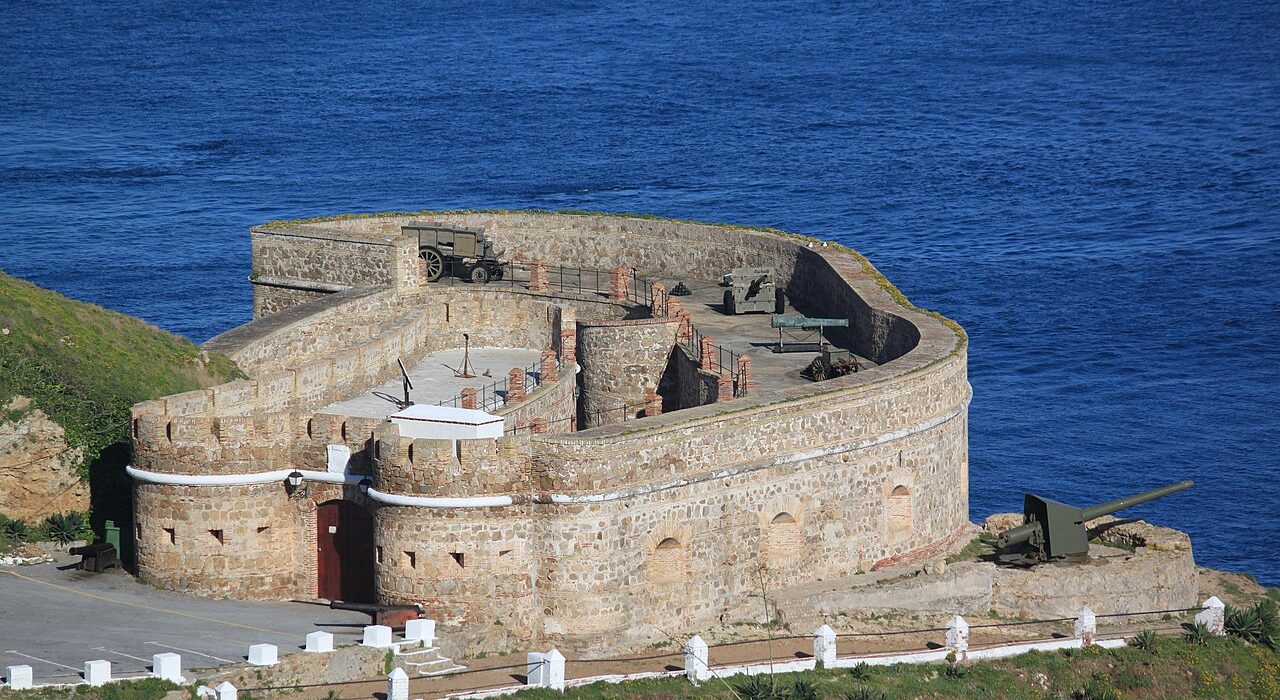
Beyond the major icons, the city is dotted with sites that deserve a quick mention: the Mirador de San Antonio offers privileged views, while the Museo de Ceuta holds archaeological treasures. Don’t miss the Baluarte de San Pedro, the Museo del Revellín and the Abrigo y cueva de Benzú (Benzú rock shelter and cave), which connect you with the prehistoric past. The Torre de Piniés, the Parroquia de Nuestra Señora del Valle and the Torre de Mendizábal are other Assets of Cultural Interest that dot the territory, along with the Torre de Yebel Ányera and the Torre de Aranguren. The Puerta Califal (Caliphal Gate) and the church of San Francisco, also listed as Assets of Cultural Interest, showcase the ancient heritage, as does the Iglesia de Santiago, which dates back to 1415. For military enthusiasts, the Colección museográfica de la Legión (Legion Museum Collection) and the Museo Histórico Militar de Ceuta are essential, as are the Fuente Caballos and the Plaza de África. Other religious and civil monuments include the Nicho del Cristo de los Afligidos, the Oratorio de la Santa Cruz, the Parroquia de Santa María de los Remedios and the Yacimiento Arqueológico “Basílica Tardorromana” (Late Roman Basilica archaeological site). Complete your route by seeing the towers of the Alquería de la Antigua Huerta de Regulares, the “cortijo de Fuente la Higuera” and the Torre y Algibe de la Loma de Luengo. Finally, observe El Cuartel del Serrallo, the Blocao de Comandari Viejo, the Baluarte del Molino, the Casa de los Dragones, the Baños Árabes (Arab Baths), the Puerta de Málaga and the batteries of Valdeaguas, del Molino and la Palmera. Among the various statues and monuments, look for Antonio López Sánchez-Prado, Elena Sánchez Villaverde, the Monumento a la Constitución, the two Pillars of Hercules (Abyla and Calpe), the union of the world, El Gobernador y el Niño, the Nacimiento del Coral, Estrabón, the Emblema del Club de los Leones, Ceuta a los Ingenieros Militares, La pasión del mar, Enrique el Navegante, Pomponio Mela and the Torre de Francisco de Asís.
🍂 Otoño
Si visitas Ceuta en otoño, el clima sigue siendo agradable para explorar la historia de la ciudad antes de que lleguen los vientos fuertes. Es una temporada excelente para probar la gastronomía local con tranquilidad. Revisa el calendario de eventos culturales para no perderte ninguna fiesta tradicional.
What to do in Ceuta
Ceuta offers specific activities ranging from immersion in religious festivities to enjoying nature and gastronomy. You can delve into history during Ceuta’s Semana Santa (Holy Week) in March, where military units take part in unique parades, or experience the explosion of color of Carnaval in February with its murgas (satirical street bands) and the burial of the sardine. For culture lovers, the Feria del Libro (Book Fair) in April transforms the Plaza de los Reyes into a literary hub, while in August the Fiestas de San Ceferino fill the Recinto Ferial (fairgrounds) with concerts and fireworks. If you prefer nature and hiking, the Benzú neighborhood lets you explore Monte Hacho and its rocky beaches, and for an authentic local experience, a stroll through the Plaza de Abastos market will let you see the fresh catches from the Strait such as melva (frigate tuna) and boquerón (anchovy).
Ceuta in one day: express itinerary
If you’re short on time, this plan lets you see the essentials without rushing too much, taking advantage of the pedestrian-friendly center and short distances.
- 09:30 – Plaza de Armas and Catedral de la Asunción: Start the day in the historic heart of the city to see the military architecture and visit the Cathedral, where you can go down to see the 4th-century Late Roman Basilica.
- 11:30 – Santuario de Santa María de África: Walk to this Baroque sanctuary to meet the city’s patron saint and enjoy the views and tranquility of the religious surroundings.
- 13:30 – Lunch in the Old Town or El Prado: Use this time to sample the local cuisine, looking for a bar serving traditional tapas near the shopping or monumental areas.
- 16:00 – Murallas Reales (Royal Walls) and Mirador de San Antonio: Explore the fortifications surrounding the old town and climb up to the viewpoint for a panoramic perspective of the city and the sea.
- 18:00 – Stroll along La Puntilla or Benzú: End the day relaxing by the sea on the La Puntilla promenade or, if you have a car, head to the more natural area of Benzú to watch the sunset.
Where to eat in Ceuta: local cuisine
Where to stay in Ceuta
Casco Histórico
El corazón monumental de la ciudad, rodeado por las Murallas Reales y lleno de edificios neoclásicos y religiosos. Es una zona peatonal con calles empedradas, plazas tranquilas y una fuerte presencia militar e histórica.
El Prado
Zona moderna y comercial que funciona como el centro neurálgico de la vida cotidiana ceutí. Aquí se concentran las principales tiendas, bancos y la actividad administrativa, con un ambiente urbano y bullicioso durante el día.
Barriada de la Puntilla
Área costera residencial conocida por su paseo marítimo y sus vistas al mar Mediterráneo. Es una zona más tranquila ideal para pasear junto al agua, contar con restaurantes de pescado fresco y disfrutar del ambiente local relajado.
Benzú
Barrio situado en el extremo oeste de la ciudad, cerca del límite con Marruecos y dominado por la presencia del Monte Hacho. Ofrece un entorno más natural, playas rocosas y acceso a rutas de senderismo con vistas espectaculares.
El Serrallo
Distrito administrativo y residencial que alberga la sede del Gobierno de la Ciudad Autónoma y el Hospital Universitario. Es una zona funcional con amplias avenidas, parques urbanos y menos atractivo turístico directo, pero segura y bien conectada.
How to get to Ceuta
The city is well connected by land, with bus and car being the main options for travelers arriving from the Spanish mainland.
| Medio | Ruta / Compañía | Detalles |
|---|---|---|
| Autobús | Estación de Autobuses de Ceuta | Operado por compañías como Alsa, Avanza y Socibus. Es la opción más directa si no conduces. |
| Coche | Carreteras N-352 y N-354 | Permite flexibilidad total para moverte por la ciudad y explorar los barrios exteriores como Benzú. |
How to get around Ceuta
Once in the city, getting around is easy thanks to its compact size. The city center is pedestrian-friendly, meaning the main attractions such as Plaza de Armas and the Cathedral are easily accessible on foot. For longer distances or to reach neighborhoods like El Serrallo or La Puntilla, you can use the urban bus service, which covers the main avenues and residential areas. If you’re staying in the Old Town, you probably won’t need motorized transport for your daytime sightseeing.
Weather in Ceuta
Best time to visit Ceuta
Day trips from Ceuta
Ceuta’s strategic location makes it easy to explore the cities of the region. Since the city borders Morocco to the west and southwest and is washed by the Mediterranean, you have the chance to discover other enclaves along the Strait. Although the specific names of neighboring cities for excursions are limited in the base information to “cities of the region,” the geographic proximity invites you to explore the surroundings of North Africa and the southern Iberian Peninsula, taking advantage of the land and sea connections that define this outpost.
Things you didn’t know about Ceuta
Did you know that Ceuta is the only European city that shares a land border with an African country? It borders Morocco, with a border fence of approximately 8 kilometers marking the boundary between two continents.
The city’s name has a numerical origin: it derives etymologically from the Latin ‘Septem,’ referring to the seven hills that surrounded the ancient Roman city of Septem Fratres.
There is a fascinating geographical debate: Monte Hacho, located in Ceuta at 204 meters high, is considered by many historians to be one of the two Pillars of Hercules, the other being the Rock of Gibraltar, marking the edge of the known world in antiquity.
Military history runs deep here: in 1415, the Portuguese conquest marked the beginning of European overseas expansion, making this the first colonial possession of a European power in Africa.
Beneath the Cathedral of the Assumption lies one of the oldest treasures: the Late Roman Basilica from the 4th century AD, a unique early Christian complex in North Africa and southern Europe.
Local devotion is intense: the image of Our Lady of Africa was canonically crowned in 1927 by order of Pope Pius XI, and her feast day on August 5 is a major event.
As for maritime infrastructure, Ceuta has the only lighthouse in Spain managed directly by the local port authority, the Punta Almina Lighthouse (built in 1856), which emits a light visible for more than 25 nautical miles.
Who Ceuta is for
Ceuta is a versatile destination that suits different types of travelers. It is ideal for history lovers due to its density of military monuments, walls, and Roman archaeological sites. Families will find the Barriada de la Puntilla neighborhood and its seaside promenades a safe and relaxed environment. Backpackers and nature lovers will enjoy the Benzú neighborhood and Monte Hacho for hiking. Finally, foodies will feast on the fusion of local flavors, from pinchos morunos (Moorish-style skewers) to fresh fish from the Strait.
💡 ¿Sabías que...?
- ● Ceuta es la única ciudad europea que comparte frontera terrestre con un país africano, Marruecos, a lo largo de aproximadamente 8 kilómetros de valla fronteriza. (Ministerio del Interior de España)
- ● El Monte Hacho, situado en Ceuta, es considerado por muchos historiadores y geógrafos como una de las dos Columnas de Hércules (la otra sería el Peñón de Gibraltar), marcando el límite del mundo conocido en la antigüedad con una altura de 204 metros sobre el nivel del mar. (Enciclopedia Británica)
- ● La Basílica Tardorromana descubierta bajo la Catedral de la Asunción data del siglo IV d.C., siendo uno de los conjuntos paleocristianos más antiguos conservados en el norte de África y Europa meridional. (Consejería de Cultura de la Ciudad Autónoma de Ceuta)
- ● Ceuta celebra cada año la Festividad de Nuestra Señora de África el 5 de agosto, patrona de la ciudad, cuya imagen fue coronada canónicamente en 1927 por mandato del Papa Pío XI. (Diócesis de Ceuta)
- ● El nombre 'Ceuta' deriva etimológicamente del latín 'Septem', referido a los siete montes que rodeaban la antigua ciudad romana de Septem Fratres. (Real Academia Española (Diccionario de la lengua española))
- ● En 1415, el 21 de agosto, las tropas portuguesas conquistaron la ciudad, marcando el inicio de la expansión ultramarina europea y siendo la primera posesión colonial de una potencia europea en África. (Universidad de Lisboa / Historiografía oficial portuguesa)
- ● Ceuta posee el único faro de España gestionado directamente por la autoridad portuaria local que emite una luz característica visible a más de 25 millas náuticas, el Faro de Punta Almina, construido en 1856. (Autoridad Portuaria de Ceuta)
Frequently asked questions about Ceuta
How many days do I need to see Ceuta?
With an express one-day itinerary you can see the essentials such as the Plaza de Armas and the Cathedral. However, to enjoy the gastronomy, visit museums such as the Museo de Ceuta (Museum of Ceuta) and explore neighborhoods like Benzú or la Puntilla at a relaxed pace, at least 2 or 3 days are recommended.
What is the best time of year to visit Ceuta?
The best time is from January to October, according to climate data, taking advantage of average temperatures of 24.2°C in summer and 14.2°C in winter. If you are interested in festivals, February (Carnaval) and August (San Ceferino) are key months.
How do I get to Ceuta from the Spanish mainland?
You can get there by bus to the Estación de Autobuses de Ceuta (Ceuta Bus Station), served by companies such as Alsa, Avanza and Socibus. It is also possible to arrive in your own car using the N-352 and N-354 roads that connect with the road network.
Is it safe to walk around Ceuta?
Yes, areas such as the Casco Histórico (Old Town) are pedestrian-friendly and designed for tourism. El Serrallo is a safe and well-connected administrative district. As in any city, it is advisable to take the usual precautions, especially in border areas or less busy places at night.
What typical dish should I not miss?
You must try the chicken hearts marinated in adobo, the chuparquía (sailor’s stew) and the pinchos morunos (Moorish skewers). They are the most representative dishes and are easy to find in the city’s bars.