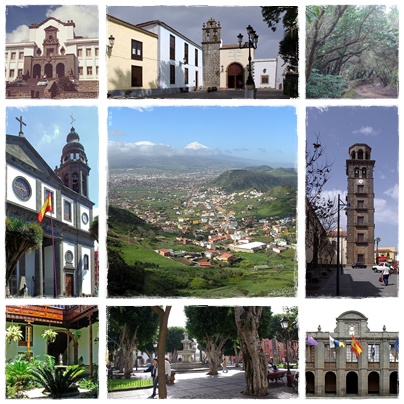
San Cristóbal de La Laguna
CanariasClimate
Being the only urban city in the Canary Islands declared a UNESCO World Heritage Site gives this place a historical aura found nowhere else in the archipelago. Its orthogonal street grid, pioneering as the first Spanish colonial city built without defensive walls, invites you to lose yourself among pedestrian streets of colonial style where time seems to have stood still. With a population of 158,000, this municipality in Santa Cruz de Tenerife combines vibrant university life with a unique stately atmosphere, perfect for those seeking authentic culture far from the crowded tourist circuits.
The must-seesWhat to see in San Cristóbal de La Laguna: the must-sees
San Cristóbal de La Laguna concentrates its monumental wealth in a compact historic centre where every corner hides a Bien de Interés Cultural (Site of Cultural Interest).
Plaza del Cristo de La Laguna
This public square in the Canary Islands functions as the social and spiritual heart of the municipality, surrounded by historic buildings that bear witness to its importance. It stands out as the usual meeting point for local events and for its open architecture that allows you to appreciate the façade of the adjacent church. It is an ideal place to sit and observe the unhurried rhythm of life in La Laguna, far from the coastal bustle.
Iglesia de Santo Domingo de Guzmán
Declared a Bien de Interés Cultural, this religious monument houses one of the island’s most famous legends linked to the corsair Amaro Pargo. Inside you can find the emblematic marble tombstone with a winking skull that marks the grave of the legendary seafarer. The temple’s architecture reflects the city’s historic devotion and is a must-stop for lovers of mystery.
Al Beato Juan Pablo II
This monument pays homage to the papal figure and stands as a visual landmark within the city’s urban landscape. Its presence highlights the strong religious tradition that has shaped La Laguna’s cultural identity over the centuries. It is a brief but significant stop for understanding the blend of faith and history that runs through the streets.
Museo de Historia de Tenerife
Housed in the Palacio Lercaro, this museum in the Canary Islands (Spain) safeguards the memory of the archipelago and is famous for the legend of Catalina Lercaro. Visitors can tour its rooms to learn about the island’s past while searching for the corners where the young noblewoman’s spirit supposedly wanders. It is an essential visit for understanding the historical context of this World Heritage city.
Teatro Leal
This monument is an architectural gem that has served as the main stage for the city’s cultural and artistic life for decades. Its façade and interior retain the charm of classic theatres, regularly hosting high-level theatrical and musical performances. Attending a show here means immersing yourself in the elegance of the 20th century in the very heart of Tenerife.
Other points of interest
The cultural offering is completed by the Monumento Conmemorativo Internacional 27 de marzo de 1977 (International Commemorative Monument, 27 March 1977), the Museo de la Educación de la Universidad de La Laguna (Education Museum of the University of La Laguna) and the Iglesia de Nuestra Señora de las Nieves (Church of Our Lady of the Snows). Also don’t miss the Hospital e Iglesia de Nuestra Señora de Los Dolores (Hospital and Church of Our Lady of Sorrows), the Teatro Unión Tejina, the church of San Bartolomé (Tejina) and the Capilla de la Cruz de Juan de Vera (Chapel of the Cross of Juan de Vera). The Plaza de la Concepción, the church of San Mateo Apóstol in Punta del Hidalgo and the Casa Museo los Sabandeños are also recommended visits. Other monuments of value include the Museo Santa Clara of sacred art, the Casa Natal del Beato Padre Anchieta (Birthplace of Blessed Father Anchieta), the church of San Lázaro and the Capilla de la Cruz de Rodríguez Moure. Finally, the Zona Arqueológica La Barranquera (La Barranquera Archaeological Zone) and the monuments to José Gervacio Artigas, José Martí, Simón Bolivar, Laura de la Puerta de Cabrera, Blas Cabrera Felipe, Guillermo Pereira Álvarez, Dacio V. Darias y Padrón, Domingo Juan Manrique, Jose Tabares Bartlett and Juan Perez Delgado enrich the route. Closing the list are the Plaza de la Junta Suprema de Canarias, the Llano de los Loros and San Roque viewpoints, the Monumento a la Lucha Canaria (Monument to Canarian Wrestling), the Virgen de la Milagrosa, El Cigüeñal and the tributes to Antonio González, Nácere Hayek and José de Anchieta.
🍂 Otoño
Si visitas San Cristóbal de La Laguna en otoño, el clima se vuelve más húmedo pero sigue siendo templado. Es un momento encantador para vivir el ambiente universitario y cultural de la ciudad. Lleva siempre un paraguas en la mochila por si cae algún chaparrón repentino.
What to do in San Cristóbal de La Laguna
San Cristóbal de La Laguna offers vibrant cultural activities centered on its festivals declared of National Tourist Interest and its neighborhood life.
During the month of July, you can take part in the Tapa de la Ruta de La Laguna-San Benito, tasting small creative portions that blend traditional and innovative cuisine. If you visit the city in September, don’t miss the impressive Fuegos del Risco (Cliff Fireworks) during the Fiestas del Santísimo Cristo de La Laguna, or the floral offering of Los Corazones de Tejina (The Hearts of Tejina) in August. For a unique nighttime experience, the Noche en Blanco (White Night) of La Laguna in November transforms the historic center into a grand stage with music and theater until the early hours.
San Cristóbal de La Laguna in one day: express itinerary
To make the most of a 24-hour visit, follow this logical route connecting the most emblematic sights:
- 10:00 AM – Plaza del Cristo de La Laguna: Start the day in this public square to soak up the local atmosphere and admire the surrounding colonial architecture.
- 11:30 AM – Iglesia de Santo Domingo de Guzmán: Visit this Site of Cultural Interest to see the tomb of the corsair Amaro Pargo and his famous skull-engraved gravestone.
- 13:30 PM – Museo de Historia de Tenerife: Tour the Palacio Lercaro to learn about the legend of Catalina Lercaro and the history of the archipelago before lunch.
- 16:00 PM – Teatro Leal: Stroll around the exterior of this historic monument and enjoy a coffee nearby while observing university life.
- 18:00 PM – Al Beato Juan Pablo II: End the tour at this monument before dining in the historic center.
Where to eat in San Cristóbal de La Laguna: local gastronomy
Where to stay in San Cristóbal de La Laguna
Casco Histórico
El corazón de la ciudad y Patrimonio de la Humanidad por la UNESCO. Destaca por sus calles peatonales de estilo colonial, casas señoriales de vivos colores con tradicionales patios canarios y una vibrante oferta cultural y gastronómica.
Bajamar
Una pintoresca zona costera conocida por sus fantásticas piscinas naturales de agua salada y su ambiente vacacional relajado. Es ideal para disfrutar de espectaculares atardeceres frente al océano y de paseos marítimos con brisa atlántica.
Punta del Hidalgo
Un encantador pueblo de tradición pesquera situado al noreste de la isla, justo donde termina la carretera al pie del macizo de Anaga. Es sumamente popular entre surfistas, senderistas y amantes de la gastronomía marinera fresca.
Barrio Nuevo
Barrio residencial y universitario adyacente al campus central. Goza de un ambiente muy joven, dinámico y asequible, repleto de cafeterías locales y perfectamente comunicado con el casco histórico a través del tranvía.
Las Mercedes
Barrio rural situado a las faldas del Parque Rural de Anaga, famoso por su frondoso bosque de laurisilva y su aire fresco de montaña. Es el destino perfecto para quienes buscan desconectar en la naturaleza y degustar comida tradicional canaria.
How to get to San Cristóbal de La Laguna
The city is excellently connected by air and land, being a central hub in Tenerife’s transport network.
| Medio | Duración | Precio aprox. | Frecuencia |
|---|---|---|---|
| Avión (Aeropuerto TFN) | 15 min al centro | Variable | Diaria |
| Bus (Intercambiador) | Variable según origen | Económico | Alta (TITSA) |
| Coche (TF-5, TF-2, TF-13, TF-24) | Variable | Combustible | N/A |
How to get around San Cristóbal de La Laguna
Urban transport is based mainly on the urban bus, complemented by an extensive pedestrian center that makes it easy to explore the historic areas on foot. The Intercambiador de Transportes de La Laguna is the nerve center from which companies such as TITSA operate to connect the different neighborhoods and municipalities.
ClimateBest time to visit San Cristóbal de La Laguna
Day trips from San Cristóbal de La Laguna
The city’s strategic location makes it easy to take day trips to other cities in the region, using the TF-5 and TF-24 roads. From here you can quickly reach the north coast to visit areas such as Bajamar or Punta del Hidalgo, or head into the Anaga Rural Park from the Las Mercedes neighborhood to enjoy nature.
Things you didn’t know about San Cristóbal de La Laguna
Did you know that the city’s name comes from an ancient freshwater lagoon called ‘Aguere’ by the Guanches that was drained in the 16th century? This wetland gave its name to the fertile valley where the historic center now stands, leaving only its memory in the place names.
The city was the architectural ‘blueprint’ for major American cities such as Havana or Cartagena de Indias, as it was the first to be built without walls and with a grid layout. This model of colonial urban planning was later exported to the Americas by the Spanish Crown.
Palacio Lercaro is famous for the legend of Catalina Lercaro, a young noblewoman who took her own life in the 16th century to avoid an arranged marriage. It is said that her spirit still wanders through the rooms of the building, which today houses the Museum of History.
The corsair Amaro Pargo, a legendary figure of the 18th century, has his tomb in the Church of Santo Domingo de Guzmán beneath a headstone with a winking skull. His remains rest in this emblematic religious site in the city.
La Laguna has served as a filming location for productions such as the HBO series ’30 Coins’ and the film ‘Intacto’, taking advantage of its mysterious trails in Monte de la Esperanza. Horror and suspense cinema finds a perfect natural setting in these landscapes.
The Romería de San Benito Abad (Pilgrimage of Saint Benedict the Abbot) is the only festival of its kind in the Canary Islands with official ‘Regional’ status and declared of National Tourist Interest. It is celebrated on the second Sunday of July with exceptional rigor in the preservation of folklore and traditional dress.
Located at 543 meters of altitude, the city enjoys an average annual temperature more than 4°C lower than that of the coastal capital thanks to the trade winds. This phenomenon creates a uniquely cool atmosphere compared to the rest of the island.
In addition to being a World Heritage Site since 1999, the city is home to the University of La Laguna, the oldest higher education institution in the archipelago, founded in 1792. This gives it a constant cultural and youthful dynamism.
Who San Cristóbal de La Laguna is for
This destination is perfect for history and culture lovers seeking an urban environment declared a World Heritage Site, as well as for foodies interested in the cuisine of Las Mercedes or the Ruta de Tapas (Tapas Route). Families will find a relaxed atmosphere in Bajamar, while backpackers and young people will enjoy the affordable nightlife of Barrio Nuevo and the university area.
💡 ¿Sabías que...?
- ● El nombre de la ciudad proviene de la antigua laguna de agua dulce (llamada 'Aguere' por los guanches) que se encontraba en el fértil valle donde hoy se levanta el centro histórico. Dicho humedal fue desecado progresivamente desde el siglo XVI para facilitar el trazado urbano, quedando hoy en día únicamente su recuerdo en la toponimia de la ciudad. (Ayuntamiento de San Cristóbal de La Laguna)
- ● La Laguna destaca históricamente por ser la primera urbe de carácter colonial de la Corona Española construida sin murallas defensivas exteriores. Su diseño ortogonal en cuadrícula sirvió como el modelo definitivo y 'borrador' de arquitectura para el planeamiento de grandes urbes americanas como La Habana, San Juan de Puerto Rico o Cartagena de Indias. (UNESCO)
- ● El Palacio Lercaro, actual sede del Museo de Historia y Antropología de Tenerife, es conocido popularmente por albergar la leyenda de Catalina Lercaro, una joven noble de finales del siglo XVI que se suicidó lanzándose a un pozo de la casa para evitar un matrimonio de conveniencia impuesto por su padre, y cuyo espíritu supuestamente aún vaga por sus estancias. (Museo de Historia y Antropología de Tenerife)
- ● La ciudad fue cuna y hogar del legendario corsario español Amaro Pargo (Amaro Rodríguez-Felipe, 1678-1747). Sus restos mortales descansan bajo una emblemática lápida de mármol que muestra grabada una calavera con dos tibias cruzadas guiñando un ojo en la Iglesia de Santo Domingo de Guzmán. (Ayuntamiento de San Cristóbal de La Laguna)
- ● El término municipal de La Laguna ha servido como plató para importantes producciones audiovisuales. Entre ellas destacan la filmación de escenas de la exitosa serie de terror de HBO '30 Monedas', dirigida por Álex de la Iglesia, y el largometraje de suspenso 'Intacto' (2001) del realizador tinerfeño Juan Carlos Fresnadillo, rodado parcialmente en los misteriosos senderos del Monte de la Esperanza. (Tenerife Film Commission)
- ● La Romería de San Benito Abad, celebrada anualmente el segundo domingo de julio en La Laguna, es la única fiesta popular de su tipo en todas las Islas Canarias que ostenta oficialmente la categoría de 'Regional'. Ha sido declarada Fiesta de Interés Turístico Nacional gracias a su rigor en la preservación de vestimentas y folclore del archipiélago. (Gobierno de Canarias)
- ● Situada a una altitud de 543 metros sobre el nivel del mar, La Laguna posee un singular microclima fresco y húmedo influenciado directamente por los vientos alisios. Este fenómeno climatológico genera una recurrente condensación de nubes a baja altura apodada localmente 'panza de burro', que hace que su temperatura media anual sea más de 4°C inferior a la de la vecina capital costera. (Agencia Estatal de Meteorología (AEMET))
- ● La Laguna posee el récord de ser la única ciudad urbana de las Islas Canarias declarada Patrimonio de la Humanidad por la UNESCO (en el año 1999). Adicionalmente, cuenta con el hito histórico de albergar la Universidad de La Laguna, la primera y más antigua institución académica de educación superior del archipiélago, con su fundación oficial originada por real decreto en 1792. (UNESCO)
Frequently asked questions about San Cristóbal de La Laguna
How many days do I need to see San Cristóbal de La Laguna?
With an express one-day itinerary you can cover the 4-5 main attractions such as Plaza del Cristo (Cristo Square) and Iglesia de Santo Domingo (Santo Domingo Church), but 2 or 3 days are recommended to enjoy the local gastronomy, the coastal neighbourhoods such as Punta del Hidalgo and the fiestas if your dates coincide.
What is the best time of year to visit San Cristóbal de La Laguna?
According to climate data, the best time is from April to October, when the average summer temperature reaches 20.0°C, offering a cool and pleasant atmosphere far from extreme heat.
How do I get to San Cristóbal de La Laguna from the airport?
Tenerife Norte-Ciudad de La Laguna Airport (TFN) is very close to the city. From there you can take an urban bus or taxi to reach the Intercambiador de Transportes de La Laguna (La Laguna Transport Interchange) in just a few minutes.
Where can I find official information about opening hours and events?
For further practical information about museum opening hours, tickets and the full calendar of fiestas, you can consult the official tourism website of San Cristóbal de La Laguna.