Xàtiva
Comunidad ValencianaClimate
What to see in Xàtiva: the must-sees
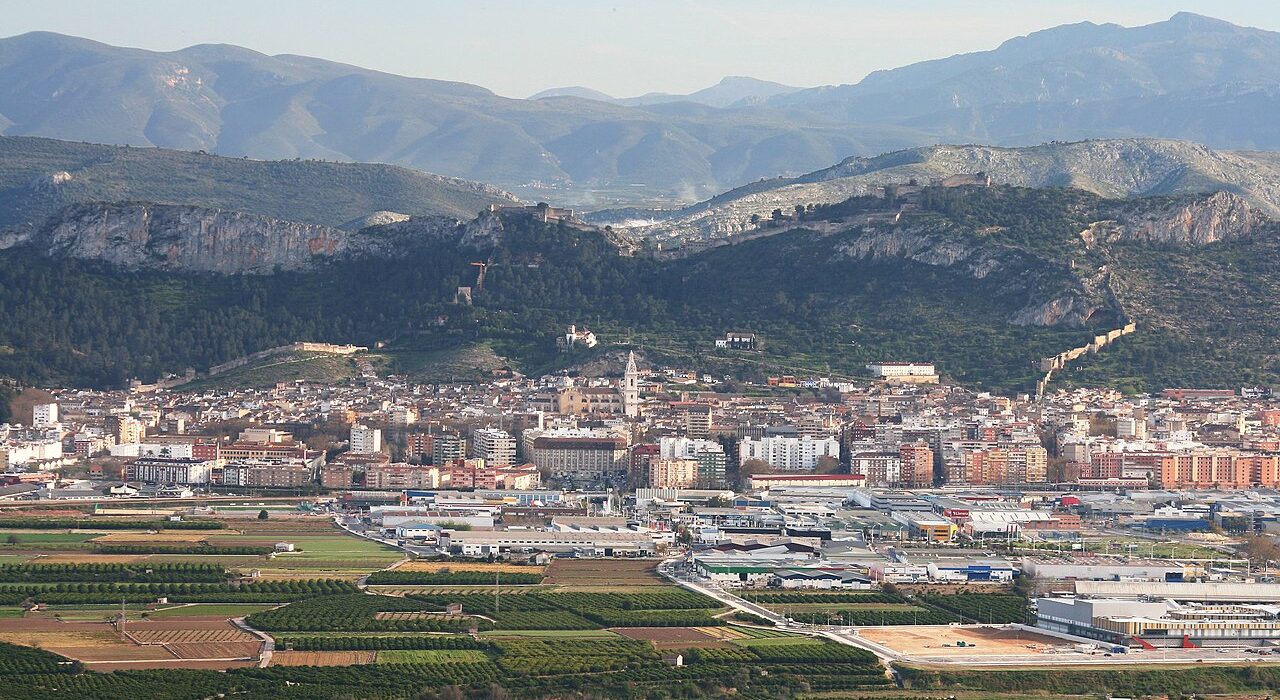
The first thing you need to know about Xàtiva is that everything here makes sense when you look up: the city lives in the shadow of its castle, perched on the mountain ridge, and that sets the pace of your stroll. The second is that beneath that medieval profile lies one of the most intense histories in Spain, with two Borgia Popes, a vengeful king, and even a Star Wars scene. Here’s what you can’t miss.
Xàtiva Historic-Artistic Ensemble
Xàtiva’s old town was declared a Historic-Artistic Ensemble for the richness of its layout, its monuments, and its legacy tied to Iberian, Roman, Muslim, and Christian cultures. The best advice I can give you is not to rush it: get lost in its narrow streets and let palaces, fountains, and small squares appear without looking for anything in particular. Every corner is a historical layer: Iberians, Romans, Muslims, and Christians lived here, and the architecture tells the story without needing to read a sign. If you only have one morning, this is the plan: wander aimlessly, stop at every fountain, and head up to the castle when you tire of the flat ground.
Collegiate Basilica of Santa María (La Seu)
It has been declared a Site of Cultural Interest and is, along with the castle, one of the most emblematic buildings in Xàtiva, defining the city’s skyline. Inside, the highlight is the mix of artistic styles accumulated over centuries of construction, the result of different building phases. It can be visited during worship hours and tourist visits, generally in the mornings; access to the collegiate church is free, although some areas may require accompaniment from the tourist office. Xàtiva was the second capital of the Kingdom of Valencia after the Christian conquest and the birthplace of two Popes from the Borgia family —Callixtus III and Alexander VI—, one of the most influential dynasties of the Renaissance, whose legacy can be traced through a route of visits around the town. Don’t leave without taking in the façade and how it converses with the castle above you: it’s the classic Xàtiva photo.
Lion Fountain (La Font del Lleó)
Its value lies both in its traditional hydraulic function and in its sculptural ornamentation. It’s a must-stop on the urban fountain route. La Font del Lleó is a fountain from the early 19th century, located in the center of Xàtiva, very close to the town hall. The fountain has a lion figure perched on top, which, together with two additional spouts located just below, lets three streams of water fall into a large circular basin. Its construction dates back to 1818 and it was originally attached to the gateway of the same name, Portal del León (Lion Gate), also known as Portal Nou or Portal dels Monges. The site was the setting for official receptions of visitors throughout its history. It’s one of those places that seems like no big deal in the guidebook and then you end up loving: it’s a stone’s throw from the town hall and the perfect spot to take a break with your water bottle in hand.
Castell de Xàtiva (Xàtiva Castle)
A double fortress located on the Castell mountain range above Xàtiva, divided into Castell Menor (with Iberian and Roman remains) and Castell Major, with expansions by the successive cultures that inhabited the area. I recommend setting aside at least two hours: the climb is best taken slowly, there are several viewpoints that will take your breath away, and when you reach the top, you understand why this city was so coveted for centuries. If you go in summer, head up first thing in the morning or at sunset, because the heat is intense. It has been a Historic-Artistic Monument since 1931 (according to Ministry of Culture data) and in 2023 it was the filming location for the second season of the series ‘Andor’, a Star Wars spin-off, so if you’re a fan of the saga you have an extra excuse to visit.
Antic Hospital Reial (Borja Interpretation Centre)
The building is one of the most outstanding examples of civil Gothic architecture in the city. Inside, exhibits and interpretive panels explore the Borja lineage and its influence on European history. It can be visited as part of the old town tourist route. It is a must-stop if the story of the Borja Popes has piqued your curiosity: here you grasp the reach of a family that gave Europe two pontiffs and was born in these very streets. It pairs very well with the Colegiata in a single morning.
Casa de l’Ensenyament
A historic building in the city’s monumental quarter, regarded as one of Xàtiva’s most significant civil constructions. It houses the Museo de Bellas Artes de Xàtiva (Xàtiva Museum of Fine Arts), a leading art museum in the city with an outstanding painting collection. It is located at Plaça Arquebisbe Mayoral, 2, and offers wheelchair access, an adapted toilet, restrooms, and a restaurant, making it an ideal space for a family visit. And yes, this is where the portrait of Philip V hangs upside down: if you are travelling with kids, this story will blow their minds.
La Nevera
La Nevera de Xàtiva is part of the ethnographic heritage linked to the historic rural architecture of the region. Neveras, or snow wells, were traditional structures used to store and preserve snow collected in winter, a resource historically prized for cooling food and drink as well as for medicinal purposes. Within the municipality of Xàtiva and its surroundings, examples of this type of construction survive as testimony to a traditional economic activity based on the use of snow. A curious plan for a different kind of afternoon: understanding how ice was made in the 18th century without a fridge.
Vistes de Sant Josep (Sant Josep Viewpoint)
Free access and best visited at sunset due to the direction of the light. The Ermita de Sant Josep is a slender, beautiful construction that presides over the city from a privileged spot on the slopes of the Castell de Xàtiva, visible from every point of the compass. It is an emblematic building that acts as a luminous beacon for the city, gleaming by day and illuminated by night, reinforcing its role as a landmark on Xàtiva’s skyline. It is the best spot for a postcard shot: you see the castle above, the Seu in the middle, and the city spreading out towards the fertile plain.
Jardí del Bes
Its design blends traditional Valencian gardening elements with the local hydraulic heritage. It is a regular waypoint on tourist routes through the old town, complementing visits to the castle and the city’s main monuments. Perfect for an impromptu picnic or for letting children run around for a while between monuments.
🍂 Otoño
Si visitas Xàtiva en otoño el ambiente se relaja y las calles del Conjunto Histórico-Artístico se disfrutan sin bullicio. El Antic Hospital Reial, hoy Centre d'Interpretació Borja, es un plan perfecto para una tarde de cultura, y el Castell de Xàtiva gana encanto con la luz dorada de la estación. Consejo: lleva un paraguas fino, porque parte de los 429.8mm anuales caen en estos meses.
What to do in Xàtiva
Xàtiva offers a medieval market, mascletàs, bous en corda, the Festival de la Cançó, and the Trofeu de Velocitat, the oldest urban-circuit motorcycle race in Spain. If you are lucky enough to coincide with the Fira d’Agost, you will experience the most authentic Xàtiva: the oldest fair in the Comunitat Valenciana, in force since the privilege granted by Jaume I in 1250. It combines a medieval market, fairground attractions, mascletàs, fireworks, bous en corda (a typical Valencian bull-running tradition), the Festival de la Cançó, and the Trofeu de Velocitat, the oldest urban-circuit motorcycle race in Spain. And within the fair, don’t miss the Festa de les Paelles, the popular event in which paellas are cooked in the fairground car park as part of the festive celebration. If you are travelling in August, book accommodation well in advance. For the rest of the year, the plan is to wander the old town, climb up to the castle, and go bar-hopping for tapas in the centre while discovering fountains and palaces.
Xàtiva in a day: express itinerary
If you only have one day, this is the plan I would follow to make sure I don’t miss anything important:
- 9:00 – Old Town and Font del Lleó: start at the lion fountain, next to the town hall, and let yourself wander through the streets of the Centre Històric (Historic Center). It’s the best way to warm up before the climb.
- 10:30 – Colegiata de Santa María (La Seu): visit the collegiate church mid-morning, when the light already falls nicely on the façade. If you can, sign up for the Borja route organized by the tourist office.
- 12:00 – Antic Hospital Reial and Museum of Fine Arts: two stops in one morning: the civil Gothic of the Borja family and the upside-down portrait of Philip V, the photo everyone takes home from Xàtiva.
- 13:30 – Tapas around the center: order an arròs al forn (oven-baked rice) at some tavern in the old town and use the chance to recharge your batteries.
- 16:00 – Castell de Xàtiva: climb up to the castle at a relaxed pace, explore the Castell Menor and the Castell Major, and finish at the Mirador de Sant Josep at sunset. The afternoon light over the huerta (irrigated farmland) is some of the best you’ll see in the Comunitat Valenciana.
- 19:30 – Jardí del Bes: head down to the Jardí del Bes to stretch your legs before dinner and, if you still have energy, take a stroll through the Barrio del Carmen to see the city from below.
Where to eat in Xàtiva: local gastronomy
Where to stay in Xàtiva
Casco Antiguo (Centre Històric)
El corazón histórico de Xàtiva, con calles estrechas y empedradas, palacios antiguos y una atmósfera vibrante. Es el lugar perfecto para pasear, descubrir la historia local y disfrutar de la gastronomía en sus bares y restaurantes tradicionales.
Zona del Castillo
El área monumental que rodea la imponente fortaleza de Xàtiva, el emblema de la ciudad. No es un barrio residencial, sino un espacio para explorar la historia, disfrutar de la naturaleza y obtener las mejores vistas panorámicas de la región.
Eixample / Zona Comercial
La parte más moderna y dinámica de la ciudad, articulada en torno a amplias avenidas como la Alameda Jaume I. Aquí se concentra la principal actividad comercial, con tiendas de moda, franquicias y cafeterías.
Barrio del Carmen y murallas
Un barrio tradicional y auténtico pegado a las faldas del castillo, con un carácter más local y tranquilo que el centro. Es una zona ideal para experimentar la vida cotidiana de la ciudad, alejado de las rutas más turísticas.
Barrio de Les Santes
Zona residencial tranquila situada al este del casco antiguo. Aunque tiene menos monumentos, ofrece una visión más sosegada y auténtica de la vida en Xàtiva, con placitas y comercios de barrio.
How to get to Xàtiva
Xàtiva is well connected by train and by road. It doesn’t have an AVE station, but the medium-distance and Cercanías network runs on regular schedules (according to Renfe). Here are the options:
| Medio | Duración | Precio aprox. | Frecuencia |
|---|---|---|---|
| Tren de media distancia (estación Xàtiva, sin AVE) | Variable según origen; conexión directa con Valencia en torno a 1 hora | Desde 5 € hasta 15 € aprox. (según Renfe) | Varios servicios diarios (según Renfe) |
| Coche (autovía A-7 y CV-58) | Valencia-Xàtiva: unos 50-60 km, en torno a 45-60 min | Solo coste de combustible y peajes | Libre, depende del tráfico |
| Avión (Pista de Aterrizaje Énova) | Variable según vuelo | Variable | Variable |
The nearest airport for commercial flights is Valencia, about 80 km away. From there, the most convenient option is the direct train to Xàtiva.
How to get around Xàtiva
Xàtiva is a city made for walking. The old town and the main monuments are all within easy walking distance, so with comfortable shoes you’re sorted. If you’re staying in the Eixample or Les Santes neighbourhoods, you can also reach the centre on foot without any trouble. The city has an urban bus service for longer journeys, for example to reach the castle area or outlying neighbourhoods. If you’re coming by car, bear in mind that the old town has narrow streets and restricted access zones; your best bet is to park in the designated car parks at the entrances and continue on foot.
Weather in Xàtiva
Best time to visit Xàtiva
Day trips from Xàtiva
Xàtiva makes a great base for exploring the La Costera region and other nearby cities in the area. The city’s position, in the corridor linking Valencia with Alicante, makes excursions very easy:
- Valencia city: around 80 km away via the A-7. Perfect for a day at the City of Arts and Sciences, the old town and Malvarrosa beach. Direct train from Xàtiva.
- Alzira and the Ribera Alta: to the south, towns with a farming tradition and Modernista architecture.
- Costa Blanca and Gandía: if you fancy the beach, the coast is just over an hour away. You can combine heritage with a swim.
- La Costera region: small villages around Xàtiva, perfect for a morning of ethnographic and food-focused exploring.
Things you didn’t know about Xàtiva
The record for enclaves: Xàtiva has the highest number of enclaves in all of Spain, with a total of twenty-six. Its municipal area includes hamlets and territories that are geographically separate, an administrative rarity that few municipalities can boast of.
Two Popes from the same family: Xàtiva was the birthplace of two Popes from the Borja dynasty: Callixtus III and Alexander VI. The Borgia family is one of the most controversial and fascinating sagas of the Renaissance, and here you can follow their trail along a dedicated tourist route.
The city burned by a king: In 1707, after the Battle of Almansa, Philip V set fire to and destroyed Xàtiva as punishment for resisting, renaming it ‘Colonia Nueva de San Felipe’ (New Colony of Saint Philip). The city took decades to recover from that reprisal.
An upside-down painting as revenge: The portrait of Philip V hangs upside down in the Museum of Fine Arts of Xàtiva as a symbolic reminder of the burning of the city. It is the most reproduced image of the city and one of the most powerful anecdotes in Spanish history.
Star Wars at the castle: In 2023 the Star Wars spin-off ‘Andor’ filmed scenes for its second season at Xàtiva Castle. If you’re a fan of the saga, you’ll recognise the locations.
The oldest paper factory in Europe: In 1150 the first paper factory in Europe was founded in Xàtiva, and newspapers are still known in Morocco by the name ‘xativi’. The paper that is still called this in Arabic today comes from this city.
The oldest name: The Iberians called Xàtiva Saiti, which evolved into the Latin Saitabi or Saetabis, from which the learned demonym ‘setabense’ derives. When you read ‘saetabense’ in an old book, you’ll now know they’re talking about this place.
Who Xàtiva is for
Xàtiva is a city for history lovers who want more than just a pretty old town: here there’s a castle with two thousand years behind it, two Popes, a vengeful king, and even a Star Wars scene. It’s also ideal for foodies who want to try inland rice dishes and local produce with a designation of origin along the way. Families have a museum with accessible access, parks, and monuments that can be visited without rushing. Backpackers will find budget accommodation in the Barrio del Carmen and a small city that can be explored on foot. And couples have sunset viewpoints, charming alleyways, and a gastronomy to enjoy with both hands.
Frequently asked questions about Xàtiva
How many days do I need to see Xàtiva?
With one full day you can see the old town, the Seu, the Museum of Fine Arts, the Font del Lleó, and go up to the castle. If you want to add the Jardí del Bes, the Mirador de Sant Josep, an ethnographic route to La Nevera, and leisurely tapas, two days is ideal. If you coincide with the Fira d’Agost, set aside at least three.
What is the best time of year to visit Xàtiva?
The best time runs from April to October, according to AEMET data, with average temperatures of 11.2°C in winter and 26.6°C in summer, and an annual rainfall of 429.8 mm. May and June are perfect for avoiding crowds. August is the must-attend event if you want to experience the Fira.
How do I get to Xàtiva from Madrid?
The most convenient option is the medium-distance train (Xàtiva station does not have AVE, according to Renfe) with a transfer in Valencia, or driving via the A-3 and then the A-7 to Xàtiva. In total, about 3.5-4 hours by road. The nearest airport for commercial flights from Madrid is Valencia, about 80 km away.
Is Xàtiva suitable for traveling with children?
Yes. The Museum of Fine Arts at the Casa de l’Ensenyament has wheelchair access and an adapted restroom, according to the facility’s data. The Jardí del Bes, the viewpoints, and the castle are plans that work very well with little ones. That said: the climb to the castle is long, so it’s best to bring them with proper footwear.
What should I absolutely not miss in Xàtiva?
The Seu, the Castle, the inverted portrait of Philip V in the Museum of Fine Arts, and an arròs al forn in a tavern in the old town. With those four you have the essential Xàtiva in one day.