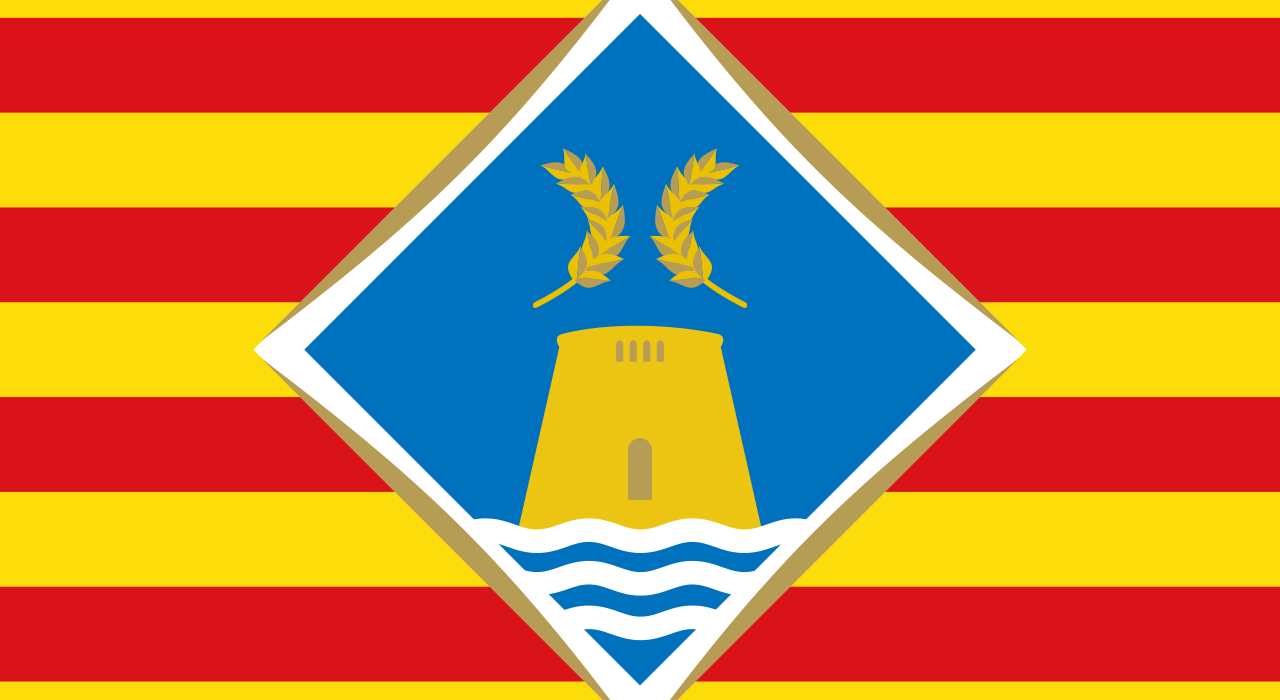
Formentera
Islas BalearesClimate
The turquoise, crystal-clear waters lapping its shores are no mere whim of nature, but the result of a unique ecosystem protected by UNESCO. Formentera is the only place in Spain where meadows of Posidonia Oceanica (seagrass), declared a World Heritage Site in 1999, act as the Mediterranean’s great purifier, guaranteeing the unmatched transparency that draws more than 141,105 travelers annually (INE). Beyond its 12,000 residents and laid-back atmosphere, the island offers an experience of total disconnection, where respect for land and sea is the golden rule for preserving this paradise at 38 degrees north latitude.
The must-seesWhat to see in Formentera: the essentials
Formentera offers a concentration of natural and cultural heritage that can be explored in just a few days, highlighting its protected areas and historical monuments.
Posidonia Oceanica Meadow
This marine ecosystem was declared a UNESCO World Heritage Site in 1999 due to its crucial role as a natural purifier. It is directly responsible for the clarity of the turquoise waters through photosynthesis and oxygen production. Its conservation is mandatory, so anchoring over the meadows is strictly prohibited to prevent their destruction.
Ses Salines Natural Park of Ibiza and Formentera
This space protects more than 2,752 hectares of land and 14,028 hectares of sea between both Pitiusan islands since its declaration as a natural park. It includes millennia-old ponds, unique biodiversity, and beaches with crystal-clear waters and an exceptional seabed. Access to certain areas requires strict adherence to the park’s conservation rules to avoid altering the environment.
La Mola Lighthouse (Faro de la Mola)
Located on the eastern tip of the island atop a cliff 120 meters above sea level, this monument was built in 1861. Featuring traditional architecture, it is part of the maritime signaling system and sits on the La Mola plateau. It offers impressive panoramic views of the Mediterranean from its elevated position, making it one of the most magical and visually attractive spots.
Estany Pudent
This is a large lagoon located north of the island between La Savina and Es Pujols where swimming is prohibited to protect its ecosystem. It concentrates great biodiversity within the Ses Salines Natural Park with numerous opportunities for birdwatching, historically featuring flamingos. Originally freshwater, a canal was built in the 18th century to sanitize the waters, which is the origin of its name due to summer odors.
des Freus Marine Reserve
The dels Freus d’Eivissa i Formentera Marine Reserve is a protected area covering more than 13,000 hectares between the islands of Ibiza and Formentera. It was officially established in 1999 to protect and recover threatened species in an environment considered a Mediterranean treasure. It stands out for its waters hiding natural secrets of great importance to marine biology.
Ca na Costa Megalithic Tomb (Sepulcre megalític de Ca na Costa)
This funerary megalithic structure was discovered and excavated during the 1970s and is the most important prehistoric monument on the island. Known locally as es Rellotge due to its resemblance to a sundial, it functioned from 2040 to 1600 BC according to research. It is located between the urban centers of La Savina and Es Pujols, next to the eastern coast of Estany Pudent.
Sa Talaïassa
This is the highest point on the island, situated 192 meters above sea level on the La Mola plateau. From this maximum elevation, it allows observation of the island’s rugged geography in its entirety. It is a mandatory stop for those seeking the best photographic perspectives of the territory.
Lighthouse Route (Ruta de los Faros)
This tourist experience focuses on the island’s historical maritime heritage, highlighting the Far de la Mola and the Far de Barbaria. These are 19th-century constructions that allow visitors to observe the silhouettes of the lighthouses at dawn or dusk in protected natural settings of incalculable value.
Other points of interest
To complete your visit, do not miss the Ethnographic Collection of Formentera, Cova d’en Jeroni, Es fossar Vell, Punta Prima, Plaja De Migjorn, the Formentera Sign, Camí d’en Parra, Torrent de s’Alga, and Veleta.
🍂 Otoño
Si visitas Formentera en otoño (septiembre y octubre), seguirás dentro de la mejor época para visitarla y el ambiente se vuelve mucho más tranquilo, con el mar aún cálido para visitar el Estany Pudent sin las multitudes del verano. Las excursiones por el Parque Natural de ses Salines d'Eivissa i Formentera se agradecen con temperaturas suaves. Consejo: reserva alojamiento con tiempo, porque muchos negocios empiezan a cerrar a finales de octubre.
What to do in Formentera
Formentera offers activities centered on nature, local culture, and enjoying its protected environment, ranging from artisan markets to hiking trails.
- Visit local markets: Explore the Mercat Pagès (Peasant Market) of Sant Francesc to buy seasonal products, or the Mercado Artesanal de La Mola (La Mola Artisan Market) on Wednesday and Sunday afternoons (May–October) to find crafts and gastronomy.
- Hiking and wildlife watching: Walk or cycle around Estany Pudent to observe birds such as flamingos, or head up to Camí d’en Parra and Torrent de s’Alga to enjoy the viewpoints.
- Enjoy local life: Spend an afternoon in Sant Ferran de ses Roques soaking up its bohemian atmosphere and bars with live music, or visit the fortified church of Sant Francesc Xavier.
Formentera in one day: express itinerary
If you are short on time, this itinerary allows you to see the island’s essentials in 24 hours by taking advantage of the connectivity between its key points.
- 09:00 – La Savina and Estany Pudent: Start at the port and walk towards the northern lagoon to observe birdlife before the midday heat arrives.
- 11:00 – Sant Francesc Xavier: Head to the capital to visit the fortified church and administrative center, ideal for a morning coffee.
- 13:30 – Faro de la Mola (La Mola Lighthouse): Climb up to the plateau to see the lighthouse dating from 1861 and enjoy panoramic views from 120 meters high.
- 16:00 – Ses Illetes or Llevant: Go down to the peninsula to enjoy the iconic beaches of Ses Salines Natural Park and their turquoise waters.
- 20:00 – Dinner in Es Pujols: End the day in the most touristy area tasting Frit de Polp (fried octopus) or fresh fish by the sea.
Where to eat in Formentera: local gastronomy
Where to sleep in Formentera
Sant Francesc Xavier
La capital de Formentera y centro administrativo. Cuenta con una iglesia fortificada, una variedad de tiendas, restaurantes y un mercado artesanal. Es un excelente punto de partida para explorar la isla y ofrece un ambiente animado pero relajado.
Sant Ferran de ses Roques
Conocido por su ambiente bohemio e hippy, Sant Ferran alberga una iglesia central y bares con música en directo, especialmente animada en verano. Es un lugar de encuentro relajado, perfecto para disfrutar de la vida local y la música.
La Savina
Es el puerto de Formentera y la principal puerta de entrada a la isla, donde llegan los ferries desde Ibiza. Ofrece servicios de alquiler de vehículos, tiendas, restaurantes frente al mar y una marina. Ideal para ver la puesta de sol sobre el agua.
Es Pujols
La zona más turística y concurrida de Formentera, destacando por su vibrante vida nocturna y diurna. Dispone de una amplia oferta de hoteles, apartamentos, restaurantes, bares, tiendas y una hermosa playa urbana de aguas cristalinas.
El Pilar de la Mola
Ubicado en la parte más elevada y oriental de la isla, esta zona es sinónimo de tranquilidad y ambiente rural. Es famosa por su faro con vistas espectaculares y su afamado mercado artesanal que se celebra dos veces por semana.
Cala Saona
Famosa por su impresionante playa de arena blanca y aguas turquesas, enmarcada por pinos y acantilados. Es un paraíso para nadar, tomar el sol y disfrutar de puestas de sol memorables desde sus pintorescos chiringuitos.
Platja de Migjorn
Una de las playas más extensas de Formentera, que se extiende por varios kilómetros de arena y calas. Ofrece un ambiente más tranquilo y relajado que otras playas más concurridas, con varios chiringuitos y restaurantes distribuidos a lo largo de su costa.
Ses Illetes y Llevant
Parte del Parque Natural de Ses Salines, estas dos playas son icónicas por su arena blanca y sus intensas aguas turquesas. Ses Illetes es más popular y concurrida, mientras que Llevant, en la misma península, es igualmente hermosa pero más expuesta al viento.
How to get to Formentera
Formentera is the only Balearic Island without an airport, so access is exclusively by sea via ferries from Ibiza.
| Medio | Duración | Precio aprox. | Frecuencia |
|---|---|---|---|
| Ferry desde Ibiza | 30 – 60 minutos | Variable según temporada | Múltiples salidas diarias |
| Avión a Ibiza + Ferry | Depende del origen + 1h | Alto (vuelo + barco) | Diario |
Getting Around Formentera
Public transport is limited but functional, complemented by vehicle rentals, which are very common on the island.
There is no central bus station; the main stops are located at La Savina port and in the various towns. The primary operator is Autocares Paya, covering the main routes connecting urban centers. For greater flexibility, many visitors choose to rent vehicles in La Savina upon arrival, as the PM-820 road crosses the island, allowing quick access to all coves. The center of Sant Francesc is pedestrianized, encouraging walking.
Weather in Formentera
Best Time to Visit Formentera
Day Trips from Formentera
Given Formentera’s small size, the most logical and popular excursion is crossing the strait to the neighboring island.
Ibiza: Taking advantage of the ferry connection from La Savina, you can visit Ibiza Town (Eivissa), known for its Dalt Vila (UNESCO World Heritage Site) and vibrant nightlife, contrasting with Formentera’s tranquility. It is the only city in the region directly accessible by sea for a day trip.
Little-Known Facts About Formentera
The island holds historical and natural secrets that make it unique in the Balearic archipelago and throughout the Mediterranean.
Did you know that the Posidonia oceanica seagrass meadows surrounding Formentera are a UNESCO World Heritage Site? They are fundamental to the clarity of its waters and marine biodiversity, acting as the lungs of the sea.
Formentera is the only Balearic island without an airport, making it accessible only by ferry from Ibiza. This peculiarity helps preserve its tranquil and natural atmosphere, limiting mass tourism from direct cruise ships.
The island has had human presence since the Bronze Age, with archaeological finds such as the Ca na Costa megalithic tomb, dated approximately between 2000 and 1600 BC.
During Roman times, Formentera was known as ‘Frumentaria’, meaning ‘granary’ or ‘wheat island’, due to its importance as a cereal producer in antiquity.
After the 14th century, Formentera remained largely uninhabited for centuries due to constant pirate attacks, and organized repopulation did not begin until the 18th century, mainly from Ibiza.
The Spanish film ‘Lucía y el sexo’ (Sex and Lucía) (2001), directed by Julio Medem, was filmed in Formentera, and its impressive scenes contributed significantly to its international recognition as a dream destination.
Who Is Formentera For?
Formentera is a versatile destination that enchants both couples seeking romance at Cala Saona and families enjoying the safety of the shallow waters at Ses Illetes. It is ideal for nature lovers and hikers thanks to routes like the Lighthouse Trail, and for foodies interested in local gastronomy and artisan markets. Although it has nightlife areas like Es Pujols, its essence remains disconnecting and respecting the environment.
Frequently Asked Questions about Formentera
How many days do I need to see Formentera?
With an average stay of 4.68 nights (INE), you have enough time to explore the island by car or bicycle, visit the Faro de la Mola (La Mola Lighthouse), relax at Ses Illetes, and enjoy the local gastronomy without rushing.
What is the best time to visit Formentera?
According to climate data, the best time is from April to October, when the average summer temperature reaches 25.0°C and rainfall is avoided, although the island is pleasant even in winter with an average of 12.3°C.
How do I get to Formentera from Madrid?
You must first fly to Ibiza Airport and from there take a ferry to the port of La Savina in Formentera, as the island does not have its own airport.
Where can I find updated official information?
To expand on practical information regarding schedules, tickets, and cultural events, you can consult the official tourism website of Formentera.